

I vividly remember the moment I realized that my daily habit of cracking my neck might be doing more harm than good. Mornings often began with a quick stretch, followed by a series of sharp, satisfying pops that I mistook for relief. But over time, I started noticing lingering stiffness and occasional discomfort that just wouldn’t go away. It was a lightbulb moment—perhaps my morning ritual was actually sabotaging my mobility instead of enhancing it.
Why I’m Betting Against That Neck Crack Habit
If you’re like me, cracking your neck might feel like a harmless way to start the day. That satisfying crack can seem reinforcing—those pops feel like unlocking a frozen joint. But what if I told you that frequent self-adjustments could be secretly risking your health? The truth is, while a quick neck crack might provide momentary relief, it can also lead to ligament strain, joint instability, or even more serious issues if done improperly. Early in my journey, I made a critical mistake—believing that I could
Start with Posture Awareness
Before making any adjustments, become conscious of how you hold your neck throughout the day. Sit upright, align your ears over your shoulders, and avoid slouching. During a typical afternoon, I caught myself slumping while working, which made me realize that habitual poor posture reinforces the need for frequent neck cracking.
Implement Gentle Mobility Exercises
Neck Circles
Lie down or sit comfortably. Slowly rotate your head clockwise, making a full circle, then switch to counterclockwise. Do this for 10 repetitions. I tried this after noticing my morning stiffness, and after a few days, I felt an increase in neck flexibility and less urge to crack.
Chin Tucks
Stand or sit with your back straight. Tuck your chin gently toward your chest, hold for 5 seconds, then relax. Repeat 10 times. This move helps strengthen deep cervical flexors and reduces forward head posture, often a cause of neck tension. I added it to my morning routine, and it significantly decreased my neck’s susceptibility to stiffness.
Enhance Your Daily Movements
Be intentional about your movements—avoid repetitive static postures. Shift positions regularly; take short breaks every 30 minutes. When lifting objects, keep your neck in line with your spine. I used to lift heavy files without thinking, which exacerbated neck strain, but adopting proper technique has paid off.
Use Self-Myofascial Relief Techniques
Implement foam rolling or massage with a tennis ball on the upper trapezius and levator scapula muscles. This aids in releasing tension that often leads to neck cracking as a quick fix. I dedicated 5 minutes daily to this, noticing a reduction in my need to self-adjust in the mornings.
Modify Your Sleep Environment
Choose pillows that support cervical alignment—firm yet contoured. Sleep on your back or side to maintain neutral neck positioning. I experimented with different pillows and found that a cervical roll pillow minimized morning stiffness, reducing the urge to crack to ‘unlock’ my neck.
Seek Professional Guidance When Needed
If discomfort persists despite self-care, consult a chiropractor specializing in neck health. They can assess your specific needs and perform targeted adjustments. I booked a consultation through contact form and gained personalized strategies that complemented my daily routine.
Integrating these steps consistently gradually transformed my approach from reactive cracking to proactive maintenance. Remember, mindfully improving posture and mobility can lead to lasting relief and prevent future issues.
Many people assume that a quick neck crack or a simple posture correction can solve complex musculoskeletal issues. However, as an expert in mobility and chiropractic care, I can tell you that surface-level fixes often overlook deeper, nuanced factors that influence long-term health. One common myth is that all adjustments are benign and universally beneficial; in reality, improper technique or misunderstandings about the body’s biomechanics can do more harm than good. For instance, rapid or forceful adjustments without proper assessment may destabilize joints or damage ligaments, especially when performed by practitioners lacking specific experience in subtle cervical or spinal misalignments. This underscores the importance of choosing a qualified chiropractor who employs individualized, gentle techniques—something you can learn more about through dedicated resources like how chiropractic adjustments enhance posture and mobility.
A critical nuance many overlook involves the body’s proprioceptive feedback systems—your body’s ability to sense its position in space. When these systems are disrupted, perhaps by habitual poor posture or repetitive stress, simple adjustments may not hold or could even exacerbate issues if not accompanied by a comprehensive approach that includes mobility exercises, neural retraining, and lifestyle modifications. The risk here is treating the symptom rather than addressing the root cause; this is why I always advocate for an integrated strategy, combining chiropractic care with targeted mobility routines, such as those detailed in mobility exercises for posture.
Another advanced mistake is misunderstanding the importance of timing and consistency. A one-time adjustment or sporadic stretching won’t produce lasting change. Instead, consistent implementation of posture habits and mobility work over weeks or months is essential. This is where many slip up—they expect instant results, which can lead to frustration or unnecessary repeated adjustments. To truly transform your posture and movement quality, committing to a holistic plan is crucial—consider consulting professionals who understand these nuances, like those at expert chiropractors specializing in posture.
In the realm of advanced care, don’t fall into the trap of thinking that all adjustments are equal. Different bodies require different approaches—what works for one person may be ineffective or even harmful for another. Educate yourself about personalized treatment plans and consider seeking a second opinion if your progress stalls. Remember, knowledge about the intricacies of musculoskeletal health can empower you to avoid common pitfalls and achieve sustainable improvement.
Have you ever fallen into this trap? Let me know in the comments. The more we understand these hidden nuances, the better equipped we are to take control of our health and avoid costly, ineffective treatments.
Maintaining optimal posture and mobility over the long term demands more than just awareness; it requires the right tools and techniques to support your progress. One device I swear by is a high-quality foam roller with firm density and a textured surface. I personally prefer a 36-inch mesh-covered foam roller because it provides adequate coverage for my upper back and neck, allowing me to perform my mobility routines effectively. Regular foam rolling enhances fascia flexibility, reduces muscle tension, and primes your body for better movement—key elements in preventing the need for habitual neck cracking.
Why I Rely on a Cervical Traction Device
This specialized device gently decompresses the cervical spine, offering relief similar to what a chiropractor provides during an adjustment. I incorporate cervical traction into my evening routine twice a week; it helps maintain disc hydration and realigns subtle misalignments that can contribute to chronic tension. The consistent use of cervical traction not only alleviates stiffness but also trains your neuromuscular system to hold better posture naturally, especially if you integrate it with targeted mobility exercises like those outlined in mobility routines for posture.
Embracing Smart Posture-Tracking Technology
Wearable posture monitors, such as the Upright GO or Lumo Lift, have transformed my approach by providing real-time feedback on my sitting and standing habits. These gadgets employ gentle vibrations to remind me when I slouch or tilt my head forward, fostering awareness and fostering sustainable adjustments. They’re especially invaluable during prolonged desk work and can be integrated seamlessly into daily routines. As the trend of wearable tech advances, expect more sophisticated devices that analyze spinal alignment and suggest exercises dynamically—making long-term maintenance more intuitive than ever.
In the future, I predict that AI-driven posture and mobility apps will become personalized, adapting to your unique biomechanics and activity patterns. Integrating these tools can streamline your journey toward sustainable health transformations. For now, I recommend trying a combination of foam rolling, cervical traction, and wearable feedback to create a comprehensive home practice. These strategies empower you to stay proactive and consistent—key ingredients for long-term success. For personalized guidance, don’t hesitate to reach out to a professional specializing in postural correction.
How do I keep my mobility and posture work effective over time?
The key lies in regular, deliberate practice and the strategic use of tools that reinforce your improvements. Incorporating daily mobility routines with the help of supportive devices ensures that your adjustments become habitual, not fleeting efforts. Remember, just as a well-maintained car needs routine oil changes and inspections, your body’s posture requires ongoing attention and reinforcement. A structured plan, combining self-care tools with professional guidance when necessary, can make the difference between temporary relief and lasting transformation. I recommend exploring advanced strategies in the ultimate guide to improving mobility and posture in 2025 for a comprehensive roadmap.
Experiment with implementing one or two of these tools this week—perhaps start with a foam roller and a posture monitor. Observe how your body responds and adjust accordingly. Small, consistent steps cultivate lasting change, turning poor habits into empowering routines that support your health in the long run.
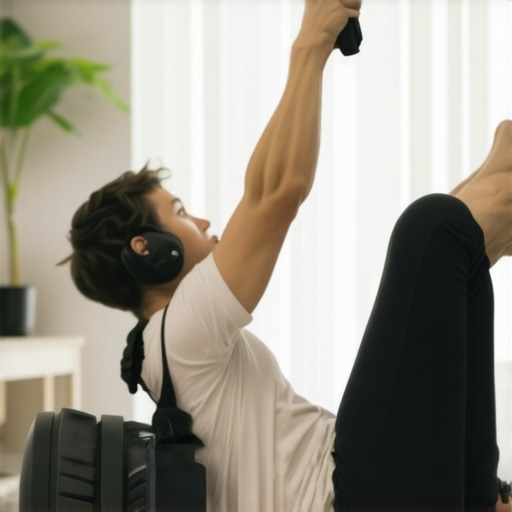
The Hardest Lesson I Learned About Adjustments and Mobility
One of my most eye-opening realizations was that quick fixes like habitual neck cracking can inadvertently undermine long-term health if lacking proper context. I used to believe that cracking my neck was a harmless way to release tension—until I noticed persistent stiffness that begged for deeper understanding. This taught me that consistency in mindful posture and mobility routines surpasses sporadic adjustments, emphasizing the power of proactive care over reactive fixes.
My Essential Toolkit for Lasting Posture Improvement
From my journey, I trust the comprehensive guide The Ultimate Guide to Improving Mobility and Posture in 2025 to provide evidence-based strategies. Plus, a high-quality foam roller became a staple, helping me release fascia and reduce tension. Wearable posture monitors like Lumo Lift have also been game-changers, turning awareness into actionable habits. These tools, combined with professional guidance, ensure each step I take is rooted in sustainable progress rather than temporary relief.
Your Turn to Transform Posture and Mobility
Remember, real change comes from consistent practice and embracing the nuances of your body’s unique needs. Don’t wait for discomfort to become chronic—start integrating gentle mobility exercises, proper ergonomic setups, and professional consultations today. You hold the power to reshape your posture and reclaim mobility. Ready to take that first step? Share your experience or questions below—I’d love to hear about your journey toward better neck health and mobility.