
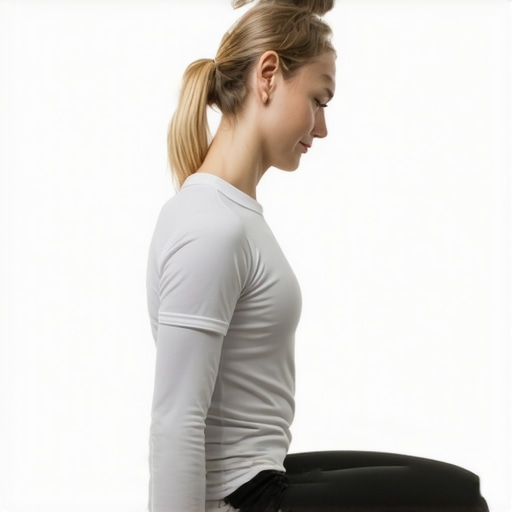
I vividly remember the moment I realized my hip flexors were dictating my daily life. It was after a long weekend of sitting in front of my computer, feeling that stubborn tightness creep in every time I tried to stand up and stretch. Despite countless hours of stretching and trying to force my hips into lunges—something I was told was the gold standard—I still felt the same achiness, almost like I was battling a stubborn knot that wouldn’t give.
That lightbulb moment hit me hard. I was doing all the ‘right’ stretches, yet nothing seemed to address the root of the problem. It turns out, tight hip flexors aren’t always about stretching more; sometimes, they’re about undoing the tension through smarter, more targeted moves. And honestly, many of us fall into the trap of trying to stretch our way out without considering better alternatives.
Today, I want to share how I finally cracked the code to loosening up my hips without the dreaded lunges. If you’ve ever felt frustrated by your inability to relieve hip tightness despite all your efforts, stick around. What’s more, I’ll include practical tips that have helped me—and can help you—breathe new life into your mobility.
Why Traditional Stretching Might Be Failing You
Many folks, myself included at first, think that aggressive stretching—especially lunges—is the ticket to freeing tight hips. The idea of pulling at muscles, trying to elongate them, feels intuitive, right? But it can backfire if your muscles are already tense or if your posture is out of whack. For instance, overdoing certain stretches can cause your muscles to tighten up in protection mode, making the problem worse.
Early in my journey, I made the mistake of believing that more stretching was always better. Spoiler alert: that’s not true. Sometimes, the problem isn’t just tight muscles but poor movement patterns or imbalance in the surrounding joints. Addressing these issues requires a different approach—one that focuses on releasing tension and improving mobility through smarter movement.
I found that incorporating gentle, targeted mobility exercises—particularly ones focusing on hip opening and pelvic alignment—made a world of difference. Even better, these exercises don’t involve lunges or strenuous stretches. They are simple, effective, and surprisingly relieving. If you’re tired of pounding your hips into uncomfortable stretches that go nowhere, I encourage you to explore these softer, smarter techniques.
Interested in how chiropractic adjustments can accelerate this process? You might want to check out this resource for more insights.
But before diving into the solutions, I understand skepticism. It’s normal to wonder if there’s really a better way, or if the hype around these techniques is just marketing. Trust me—I had my doubts, especially after making mistakes early on like over-stretching without considering my posture. That mistake led me down a frustrating path until I realized that fixing the root cause is often more effective than temporary fixes.
So, if you’ve been battling tight hips that stubbornly refuse to loosen up—even after lunges—know that there are gentler, more effective methods. And in the next section, I’ll walk you through simple movements you can start today that align with real, lasting change.
Master Gentle Hip Openers for Lasting Relief
Start by lying on your back with knees bent and feet flat on the floor. Gently bring one knee towards your chest, holding for 20 seconds, then switch sides. Think of this as softly coaxing a stubborn door open—patience over force. During my first attempt, I fumbled through the movement, feeling awkward and unsure, but persistence paid off, easing the tension after just a few sessions. Repeat for 3 sets daily to notice improved flexibility.
Use Pelvic Tilts to Reset Alignment
Position yourself on your hands and knees, with your wrists under shoulders and knees under hips. Slowly tilt your pelvis upward, arching your lower back slightly, then tilt downward to flatten it—mimicking a gentle wave motion. Imagine smoothing out a wrinkled bedsheet; this action releases tightness in your lower back and hips simultaneously. I practiced this every morning, feeling the tension melt away like butter on warm toast. Aim for 10 repetitions, focusing on smooth, controlled movement.
Incorporate Dynamic Bridges for Strength and Flexibility
Lying on your back, knees bent with feet hip-width apart, engage your core. Push through your heels to lift your hips towards the ceiling, then slowly lower down. Picture lifting a toolbox with the glutes—controlled and deliberate. Early on, I struggled with form, allowing my hips to wobble, but refining technique made a significant difference in releasing stubborn flexor tightness. Do 2 sets of 15 reps, maintaining a steady pace.
Engage in Postural Re-education
Pay attention to your sitting and standing habits. Use a mirror or record yourself to observe poor postures like anterior pelvic tilt or excessive lumbar arching. To correct these, practice standing against a wall with heels, buttocks, shoulders, and head touching. Think of aligning your bones like stacking blocks perfectly. I caught myself slouching during long workdays; retraining my posture through mindful adjustments prevented further flexor tightness. Incorporate these checks regularly to maintain alignment.
Combine Breathing and Movement for Complete Release
Synchronize deep diaphragmatic breaths with gentle pelvic movements. Inhale as you tilt pelvis forward, exhale as you return to neutral. Visualize breathing life into tense muscles—like filling a deflated balloon. I found that combining breath with movement amplified relaxation, reducing residual tightness. Dedicate 5 minutes daily to this routine, turning it into a calming ritual that nurtures your hips and entire pelvis.
Many individuals believe that simply stretching or cracking their joints is enough to improve mobility or fix posture issues. However, a common misconception is that all mobility problems stem solely from muscle tightness or joint restriction. In reality, the root causes are often more complex, involving neurological and structural factors that are overlooked by mainstream approaches.
One widespread myth is that chiropractic adjustments alone can permanently correct posture misalignments. While adjustments can provide immediate relief and improve joint function, they are not a standalone solution. Without addressing underlying muscular imbalances or postural habits, the benefits tend to be temporary. As noted by leading experts like Dr. Craig Liebenson, effective long-term improvements come from a combination of precise adjustments and targeted mobility exercises that retrain neural pathways.
An important nuance many miss is the role of **movement patterns and proprioception** in maintaining proper posture and joint health. Poor habits—like slouching at desks or leaning into one side—can engrain dysfunctional movements, leading to chronic tension and misalignment. Correcting these issues requires more than occasional crackings; it demands consistent, mindful practice of mobility drills and posture-awareness training.
**Beware the trap of over-reliance on passive treatments**. Relying solely on chiropractic adjustments or stretching sessions without engaging neural systems can lead to a cycle of temporary relief. Active participation—such as strengthening weakened muscles and retraining movement patterns—is essential for lasting change. For instance, research from the Journal of Orthopaedic & Sports Physical Therapy emphasizes that active rehab yields better outcomes than passive modalities alone.
For those interested in a comprehensive approach, consider exploring targeted mobility routines and proper posture strategies that integrate chiropractic care. Combining these methods accelerates progress and empowers you to maintain improvements independently. To discover effective strategies tailored to your needs, check out mobility hacks and simple adjustments.
Have you ever fallen into this trap of expecting instant fixes? Let me know in the comments. Remember, real progress comes from understanding the nuanced interplay between structure, movement, and neural control.Maintaining optimal mobility and posture requires more than just occasional exercises; it demands dedicated tools and techniques that support long-term progress. One device I swear by is the foam roller. I use it daily to release my piriformis and hip flexors, which, over time, prevents tension buildup and enhances my flexibility. Unlike generic rollers, I prefer a dense, high-quality foam roller with a textured surface, which provides targeted myofascial release. This approach not only eases muscle tightness but also improves circulation, promoting faster recovery and better posture alignment. For those looking to monitor their progress and stay motivated, I recommend investing in a smart posture trainer like the Upright Go. It syncs with your smartphone and provides real-time feedback whenever you slouch, helping establish better habits throughout the day. I’ve found that consistent use of such devices makes a tangible impact, especially when combined with manual chiropractic adjustments. According to recent studies highlighted in this article, integrating passive and active tools maximizes results. Looking ahead, the trend in mobility tools is moving toward smart, personalized systems that adapt to your specific needs, making routine maintenance simpler and more effective. How do I keep my mobility stuff working? The secret lies in regular use—booking weekly sessions with a skilled chiropractor and incorporating daily self-myofascial release routines. For example, setting a reminder to roll out your hips every morning can prevent tightness from becoming a chronic problem. Don’t underestimate the power of simple yet targeted tools like resistance bands or blocks for posture correction and strength building. I personally use resistance bands during my stretches to activate stabilizer muscles, which helps maintain the adjustments achieved during visits. To maximize the benefit, I suggest integrating these tools into a structured routine developed with your healthcare provider. For a comprehensive plan, check out this guide, which explores current innovations in mobility therapies. One advanced tip I recommend is to incorporate isometric holds with your resistance bands, which improve joint stability and muscle endurance—crucial components for long-term posture health. Try adding a 10-second plank against a resistance band to your daily routine and observe how your core supports your alignment better over time.
The Hardest Lessons I Learned About mobility, chiropractic, posture, adjustments
One of the most profound insights I gained was realizing that quick fixes, like quick stretches or snap adjustments, aren’t the full story. True progress demands patience and understanding the interconnectedness of muscles, nerves, and habits—a concept I underestimated early on.
Patience is key. I used to expect immediate results, but lasting change came from consistent, mindful practice. This taught me that sustainable mobility isn’t a sprint but a gentle, ongoing journey that transforms over time.
Listening to your body outweighs blindly following routines. I found that tuning into subtle signals—tightness, discomfort, or even fatigue—helps tailor strategies that suit your unique needs, leading to more effective and personalized improvements.
The essential toolkit I rely on for mobility and posture
Foam rollers became my secret weapon for releasing tension and enhancing circulation. I trust textured, high-density rollers for targeted myofascial release, which complements chiropractic care beautifully. Resistance bands also became indispensable for activating stabilizer muscles during corrective exercises, building resilience and supporting adjustments.
For tracking progress and maintaining motivation, I recommend smart posture trainers like the Upright Go. They provide real-time feedback and help establish better habits that stick. And books such as “The Connective Tissues Massage” opened my eyes to the importance of fascia health in mobility—and they could do the same for you.
Lastly, I turned to expert-led programs like those available in the comprehensive mobility guides. They offer structured routines that integrate effortlessly into daily life, making long-term improvement accessible and sustainable.
Embrace the journey—your mobility awaits
Remember, your effort today plants the seeds for a healthier, more flexible tomorrow. Every mindful movement, every resource invested, and every moment dedicated to understanding your body’s needs adds up. Don’t let frustration hold you back; instead, see each step as an empowering move toward your ultimate mobility and posture health.
What small change will you make today to start improving your mobility? Drop your thoughts below—let’s support each other on this transformative journey.
,