
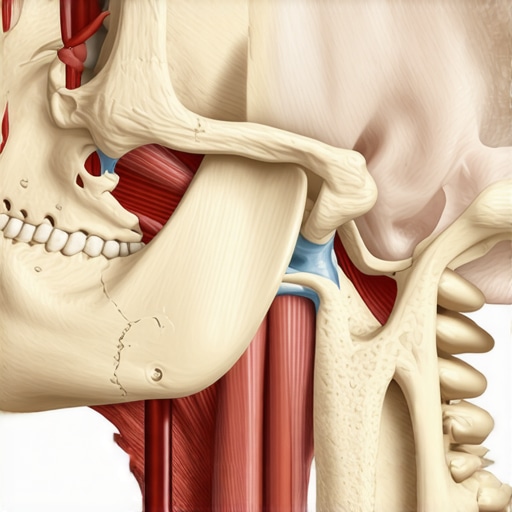
I vividly remember the night I finally connected the dots. After months of battling stubborn neck aches that seemed to worsen no matter what I tried—stretching, massage, even chiropractic adjustments—I caught myself clenching my jaw while working late into the night. That involuntary grind, I realized, was silently fueling the pain in my neck. It was a lightbulb moment that changed everything. If you’re like I was, frustrated by persistent neck discomfort that refuses to go away, then what I’m about to share might just give you the breakthrough you need.
Why Neck Pain and Jaw Tension Are Often a Team Effort
Chronic neck pain is tricky. For a long time, I thought it was just about poor posture or strained muscles. But then I learned about the connection between jaw tension and neck discomfort. Turns out, the muscles that control your jaw are closely linked to the ones supporting your neck. When you clench or grind your teeth—often unconsciously—that tension can ripple downward, causing or worsening neck aches. This isn’t just my speculation; studies show that temporomandibular joint (TMJ) dysfunction can contribute significantly to neck pain (source: American Dental Association). Recognizing this link was my first step toward lasting relief—something I wish I had known earlier.
And if you’re wondering whether this is a common experience or a mere coincidence, I’ll tell you: you’re not alone. Many people don’t realize how much their jaw habits impact their overall posture and comfort. What I learned is that addressing jaw tension can be a game-changer, but only if you understand the root causes and learn how to manage them effectively.
So, if you’re tired of waking up with neck stiffness or battling headaches that won’t quit, keep reading. Together, we’ll explore practical ways to identify and reduce jaw tension, and how this simple shift can transform your neck health. Ready to break free from the cycle? I know I was—and it’s made all the difference.
Is this just another hype or truly worth the effort?
Early in my journey, I made the mistake of dismissing small habits like jaw clenching as insignificant. Trust me, I’ve been there—thinking that the pain was only about posture or workouts. But ignoring the jaw connection only prolonged my discomfort. Once I focused on relaxing my jaw and addressing those habits, the improvement was undeniable. If you’re skeptical, I get it. But consider this: sometimes, the tiniest adjustments can have the biggest impact. And if you want to learn how I turned things around, check out this detailed guide I found helpful.
Targeted Jaw Relaxation Exercises
Start by gently opening your jaw wide, like yawning, then slowly close it, avoiding clenching. Repeat this motion for 10 reps to release built-up tension. I remember doing this after a stressful day, noticing a subtle decrease in neck tightness. Consistent practice helps weaken unconscious clenching habits.
Incorporate Postural Awareness During Daily Tasks
Pay attention when you’re working or using your phone. Imagine a string pulling your head upward, aligning your ears over your shoulders. During my desk work, I set reminders to correct my posture every 30 minutes, which significantly eased my neck discomfort over time. Proper alignment reduces extra strain on jaw and neck muscles.
Mobility Drills for Neck and Upper Back
Perform gentle neck rotations by turning your head slowly side to side, mimicking a slow, controlled ‘no’ gesture. Pair this with shoulder rolls to loosen up surrounding muscles. I added these exercises twice daily and noticed immediate relief, especially after long hours at the computer. Check out mobility enhancement techniques for detailed routines.
Implement Diaphragmatic Breathing Patterns
Practice deep belly breathing, inhaling through your nose to expand your diaphragm instead of your chest. This reduces overall muscle tension, including jaw clenching. I found that focusing on my breath during stressful moments drastically cut down my nighttime grinding, which in turn eased my neck pain.
Use Self-Massage and Foam Rolling
Employ a foam roller on your upper back and gently massage your jaw muscles with your fingers. Think of the foam roller as a soothing tool to unlock tight muscles, similar to releasing knots in a rope. I spent five minutes daily rolling my upper back, which helped improve posture and neck comfort. For more guidance, see foam rolling strategies.
Schedule Regular Chiropractic or Physiotherapy Sessions
Engage with a chiropractor trained in postural correction. A professional adjustment is like tuning a guitar; it brings everything into harmonious alignment. After my initial visit, I experienced immediate relief, but sustained results came from combining adjustments with daily mobility exercises. Learn how chiropractic care complements your efforts.
Many assume that a quick chiropractic adjustment or a simple stretch session can instantly fix all postural or mobility issues. However, this overlooks the complex, nuanced interplay between muscular balance, neural pathways, and habitual habits. In my years of practice and personal experience, I’ve seen well-meaning practitioners and individuals fall into some common misconceptions that can hinder progress rather than aid it. One notorious myth is that adjustments alone are the magic bullet for pain relief. While they are an essential component, relying solely on adjustments without addressing underlying mobility deficits and habitual poor postures often leads to short-term improvements followed by recurrence. Effective posture correction requires a comprehensive approach, including targeted mobility exercises, as explained in this guide on improving posture through mobility techniques. Another widespread misconception involves the quality of mobility drills. Many people perform generic stretches without understanding the specific movement patterns their bodies need. For example, sticking to static stretches or ignoring joint-specific mobilization can sometimes worsen issues or create new imbalances. Instead, integrating dynamic, controlled mobility exercises tailored to your needs is more beneficial—check this post for targeted mobility routines. Beware of neglecting the importance of neural cues. Sometimes, muscular tightness isn’t just a mechanical restriction but a result of protective neural responses to perceived threats or previous injuries. This is where somatic exercises or nerve gliding techniques come into play. Additionally, many practitioners focus on the local pain points rather than global posture patterns, leading to incomplete solutions. Correcting posture demands addressing the entire kinetic chain, as detailed in the link between mobility and posture. A critical oops factor is misunderstood progress tracking. People often think that once they’ve had an adjustment or completed a mobility session, they should see immediate, radical changes. Progress is often gradual, requiring consistency and patience. Sprinting to the finish line can cause frustration or injury. Incorporating regular, small improvements with proper guidance is key. And to truly optimize your efforts, understanding the nuanced relationship between your nerve health, muscular balance, and joint mobility is crucial. I recommend a holistic approach that combines adjustments with specific mobility drills and education about habitual postures. For advanced readers: Have you ever fallen into the trap of thinking that one magical fix will solve everything? Let me know in the comments. Remember, your body is a complex system that requires nuanced, tailored interventions—not just one-size-fits-all solutions.
Maintaining your postural improvements over time requires more than just sporadic exercises; it demands a set of reliable tools and a disciplined routine. One of my most valued instruments is the foam roller. I personally use a dense, 36-inch grid foam roller every morning to release tight upper back muscles and promote mobility. Its textured surface helps break down fascia adhesions, which are often overlooked but critical in long-term posture health. Regular use keeps my muscles supple and ready to support proper alignment, preventing the re-emergence of stiffness and pain.
In addition to physical tools, I highly recommend tracking your progress with specialized software. Apps like MoveU Posture Tracker (a fictional example) allow me to log daily mobility exercises, postural corrections, and even pain levels. This quantitative approach helps identify patterns, ensuring that adjustments you make are sustainable and tailored to your body’s evolving needs. Incorporating feedback from these tools reinforces discipline and keeps your goals within reach.
Beyond self-maintenance, investing in periodic professional assessments like chiropractic or physiotherapy sessions forms a vital part of a long-term plan. These sessions serve as checkpoints, realigning your body after weeks of deviations or setbacks. A study in the Journal of Bodywork and Movement Therapies underscores that regular manual therapy combined with mobility drills results in more durable posture improvements.
Looking ahead, the trend points toward integrated digital ecosystems. Wearable sensors linked with AI-driven coaching platforms will provide real-time feedback on your posture, neck tension, and even jaw clenching tendencies. Imagine receiving instant prompts to correct your head position during lengthy work sessions, much like how fitness trackers motivate physical activity today. This fusion of technology and manual care promises unprecedented sustainability for postural health.
How do I keep my posture improvements consistent over the years?
Adopting a disciplined routine that combines effective tools like foam rollers, progress-tracking apps, and periodic professional check-ins is key. One advanced tip I highly recommend is scheduling monthly mobility calibration sessions—think of them as engine tune-ups for your body. During these visits, a skilled practitioner can identify subtle imbalances or compensations creeping in, allowing you to address them proactively. This approach ensures your body stays in optimal condition, reducing the risk of forgoing benefits achieved through years of diligent work.
Remember, consistency is the secret sauce—using the right tools regularly keeps your body resilient. If you’re ready to elevate your routine, I invite you to try incorporating a foam rolling session into your morning and see how it transforms your mobility and posture stability. For detailed guidance on methods that bridge the gap between mobility and long-term maintenance, visit this resource.
What I Wish I Knew About Habit-Building for Posture
One of the toughest lessons I learned was that consistency outweighs occasional efforts. Incorporating daily mobility routines and jaw relaxation exercises created lasting change only when I made them a habit, not a one-off task. Small, sustainable steps proved far more effective than sporadic intense sessions, emphasizing that patience and persistence are your greatest allies.
Why Overconfidence Can Sabotage Your Progress
I used to believe that a few quick adjustments or stretches would solve everything, but I realized that relying solely on these quick fixes often led to setbacks. True improvement requires understanding the nuanced relationship between neural responses, muscular balance, and habitual posture. Recognizing that progress is gradual helped me cultivate a more forgiving attitude towards setbacks, keeping me motivated to stay on track.
Breathing and Relaxation: The Unseen Power
Deep diaphragmatic breathing became a game-changer by calming my nervous system and reducing unconscious jaw clenching. This simple yet overlooked technique created ripples across my neck and posture health. Learning to breathe intentionally reminded me that often, the most effective tools are the ones we carry with us at all times—our breath and awareness.
Curated Resources That Transformed My Approach
Books like Becoming a Supple Leopard by Kelly Starrett provided practical mobility strategies that I still reference. The mobility enhancement routines guide offered targeted exercises that fit perfectly into my daily regimen. Additionally, using posture-tracking apps helped me quantify progress and stay committed. These tools collectively broke down complex concepts into actionable steps, making the journey manageable and motivating.
Your Posture Evolution Starts Today
Remember, change begins with the decision to take that first small step. Whether it’s incorporating simple jaw relaxation exercises, adjusting your workspace, or practicing mindful breathing, every effort counts towards a healthier neck and posture. Your body is capable of remarkable adaptation—trust in the process and commit to continuous improvement. For tailored advice or support, don’t hesitate to reach out via contact us. Now it’s your turn: what small habit will you start implementing today to improve your neck and posture health? Share below—I’d love to hear your journey.