
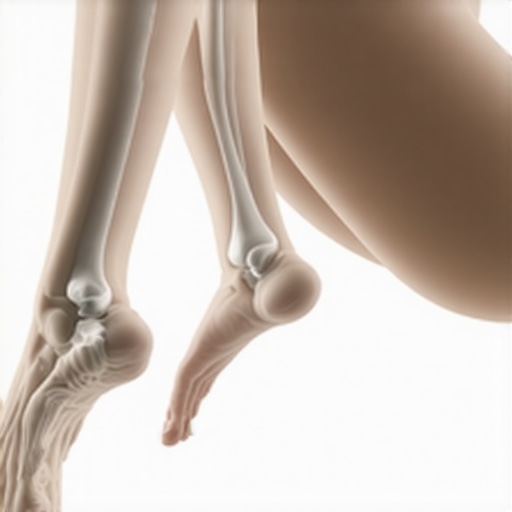
Have you ever felt that nagging lower back ache after a long day, only to realize that your toes feel oddly stiff when you wiggle them? I used to brush off such sensations, thinking, “It’s just part of aging or sitting too much.” But one day, during a routine adjustment, my chiropractor pointed out something surprising: my limited big toe mobility was probably messing with my lower back. That lightbulb moment changed everything for me—and it could do the same for you.
Today, I want to share why something as seemingly small as your big toe’s flexibility might be secretly contributing to your back pain. Stick around, and you’ll learn how addressing this often-overlooked area can lead to significant relief and better posture. Plus, I’ll guide you through simple steps to assess and improve your toe mobility.
The Hidden Link Between Your Big Toe and Your Low Back
Our bodies are more interconnected than most realize. The way your foot moves influences your entire lower chain, from your ankles and knees to your hips and, ultimately, your lower back. When your big toe lacks proper mobility, it can alter your gait—how you walk—and cause compensations higher up the chain. Over time, these compensations can lead to frustrating back pain, stiffness, or even discomfort during daily activities.
When I first started paying attention to my own mobility, I made a common mistake: neglecting my feet altogether. I thought stretching my hamstrings or strengthening my core would be enough. But after a few weeks of ignoring my toes, my lower back issues persisted. It wasn’t until I began working on my toe flexibility that I saw a real change. That’s when I discovered that many folks are unknowingly sabotaging their spinal health by ignoring their feet.
Research even suggests that improving foot function can reduce lower-back pain significantly. According to a study published in the Journal of Orthopaedic & Sports Physical Therapy, foot and ankle mobility exercises can positively affect pelvic alignment and spinal posture. So, if your back has been stubbornly bothering you, it might be time to look downward first.
Are you wondering if your toes are holding you back? If so, you’re not alone. Let’s delve into the question that might be haunting you—”Is my limited big toe mobility really making my lower back worse?”—and explore how this small joint can have a big impact.
Assess Your Big Toe Flexibility
Start by checking your own toe mobility. Sit comfortably and try to bend your big toe upward, aiming to touch the top of your foot with the toe. If you find it difficult or limited in movement, you might have restricted mobility. I remember initially struggling with this test, fumbling to reach my toes and feeling frustrated, but this simple assessment was eye-opening and set me on the right path.
Perform Regular Toe Mobility Exercises
1. Toe Buffs
Place a small towel on the floor and use your toes to grip and pull it towards you, then push it away. Repeat for 2 minutes daily. This strengthens and enhances the flexibility of your toe muscles. I incorporated this routine into my morning stretch and noticed my toe movement improved within a week.
2. Toe Stretch & Holds
Sit on a chair, cross one leg over the other, and gently pull back your big toe with your fingers, holding for 15-30 seconds. Switch sides. Consistently doing this stretch helped me regain mobility and felt like unlocking a tight joint.
Improve Foot and Ankle Mobility
Since the big toe doesn’t work in isolation, working on your entire foot can make a difference. Roll a small ball or a frozen water bottle under your foot for 2-3 minutes to release tension. Improving ankle range of motion also positively influences toe flexibility, which can reduce compensatory movements affecting your back. Remember, as I’ve learned from [mobility-boosts-for-posture-expert-tips-for-daily-adjustments](https://quackersneck.com/mobility-boosts-for-posture-expert-tips-for-daily-adjustments), enhancing overall foot function supports spinal health.
Incorporate Dynamic Movements
Once basic mobility is restored, add dynamic exercises such as heel-toe walks or controlled toe raises. These mimic natural gait patterns and reinforce your newly gained flexibility. I personally included gentle toe presses during my walks, which gradually eased my back discomfort as my gait improved. Consistency is key; integrating these movements into daily routines can lead to lasting benefits.
Align Your Body Through Chiropractic Adjustments
While improving toe mobility is crucial, ensuring your pelvis, hips, and spine are correctly aligned complements this work. Regular chiropractic adjustments can enhance your overall posture and address underlying issues. My sessions, combined with toe exercises, created a synergy that significantly alleviated my lower back pain. For personalized guidance, contact a professional at Quackers Neck.
Maintain Daily Mobility Habits
Set aside time for these exercises daily. Just like brushing teeth, making toe mobility a routine prevents stiffness from creeping back in. Small consistent steps have helped me avoid the cycle of pain and stiffness, enabling me to walk and stand comfortably throughout the day.
Addressing your toe flexibility isn’t a magic fix overnight, but combined with posture correction and regular movement, it can be transformative. Remember, your body is a connected system, and even tiny joints like your big toe can have a surprising impact on your overall back health. Keep moving forward—literally—and see how small changes can lead to big relief.
Many people approach chiropractic care and posture correction with a set of misconceptions that can impede progress. One widespread myth is that adjustments alone are enough to fix long-term issues. In reality, adjustments are a vital piece of the puzzle, but their effectiveness diminishes without accompanying mobility work and postural awareness. Relying solely on crack-and-go techniques often leads to temporary relief rather than sustainable improvements. As discussed in this article, integrating mobility exercises with chiropractic adjustments creates a powerful synergy that promotes lasting change.
Another misconception is that posture is solely a static stance. Many believe good posture means holding a perfect pose; however, posture is dynamic and needs continual movement to stay optimal. Stiffness and asymmetry develop when we fail to incorporate varied movement patterns into daily routines. Experts highlight that neglecting mobility can reinforce compensations, leading to chronic pain. For instance, a limited range of motion in your hips or shoulders can silently contribute to back pain—an often-overlooked nuance that many miss. To uncover hidden deficits, a comprehensive assessment of joint mobility can reveal issues before they escalate. You might find simple mobility boosts can make a quantum difference.
Why Do We Still Get It Wrong?
One trap is believing that pain or stiffness should be managed by one-off solutions. This ‘band-aid’ mentality ignores the interconnected nature of the musculoskeletal system. For example, focusing only on spinal adjustments without addressing foot mobility or pelvic stability may provide instant relief but fails to correct underlying causes. Furthermore, the misconception that wearing supportive shoes or avoiding movement altogether can protect your back can actually cause more harm. Rigid shoes restrict natural foot and ankle motion, which in turn can promote compensatory patterns higher up. An important study in this resource explains how unrestricted mobility fosters healthier postural dynamics. The key is to understand that making small, consistent improvements in joint mobility and movement habits yields long-term benefits.
Advanced Reader’s Question: How does neural tension influence posture and mobility?
Great question. Neural tension—often overlooked—can significantly restrict movement and contribute to postural distortions. Tightness in nerves like the sciatic or brachial plexus can cause pain, numbness, or stiffness beyond what joint mobility exercises can address alone. Research by Van Uden and colleagues emphasizes that nerve gliding and decompression techniques can effectively reduce neural tension, enhancing overall mobility and posture. Incorporating nerve mobility drills into your routine, alongside chiropractic adjustments and flexibility work, can unlock a new level of functional improvement. For tailored strategies, consider consulting a professional who understands neuro-musculoskeletal integration.
Remember, debunking these myths requires a nuanced understanding of the body’s interconnected systems. If you’re unsure where to start or feeling stuck, professionals at Quackers Neck can help craft a comprehensive plan tailored to your unique needs. Don’t let misconceptions keep you from achieving your best posture and movement health. Have you ever fallen into this trap? Let me know in the comments!
,
How do I keep my progress ticking over long-term?
When it comes to sustaining the improvements from your posture and mobility routines, having the right tools and methods is essential. I’ve personally found that incorporating specific equipment and consistent practices makes all the difference. For example, I recommend using a high-quality foam roller, like the trigger point grid foam roller, which I use daily to release tight muscles and maintain tissue flexibility. Its textured surface helps target knots in muscles like the IT band and upper back, keeping my body supple and reducing the risk of stiffness that can undo months of mobility work.
Additionally, maintaining a dedicated mobility routine with targeted exercises is critical. I integrate specific drills, such as the pelvic reset and wall slides, which I perform each morning. These exercises are simple but effective, reinforcing good movement patterns and preventing regressions.
To track my progress and avoid plateaus, I rely on wearable tech like the Galaxy SmartTag for real-time posture feedback during daily activities. It prompts quick adjustments and reminds me to stay active, especially during long sedentary periods. Embracing such tools has kept my improvements sustainable over years.
Looking ahead, I believe the trend will tilt even more toward smart tech integration. Advancements like AI-powered posture analysis apps and biofeedback devices will allow us to customize interventions dynamically. For instance, future devices might alert you when your habitual movements begin to compromise your gains, prompting immediate corrections.
Thinking about long-term maintenance, what are practical steps?
First, make mobility work an integral part of your daily routine. Even just 5-10 minutes every morning can preserve your gains and prevent injury. Second, invest in quality manual tools—like foam rollers, resistance bands, or massage balls—that target your specific needs. I personally use a Stabilizing SI joint band during certain exercises, which has helped me keep pelvic stability at optimal levels. And finally, stay consistent with chiropractic visits, which are invaluable for realigning and tuning your body’s mechanics as you evolve.
To integrate these strategies seamlessly, I suggest scheduling a consultation with a professional. They can tailor a maintenance plan suited specifically to your needs. You can reach out anytime via this contact page for personalized advice or recommendations. Remember, persistent effort paired with smart tools will make your long-term progress sustainable and more effective. Start small—try incorporating one new mobility drill or a simple foam rolling routine into your day. Your body will thank you for it.
During my journey to better posture and pain relief, I discovered a game-changer that many overlook: the connection between your big toe mobility and spinal health. One of the most profound insights I gained was that small joints, like your big toe, hold surprising sway over your overall alignment and comfort. This revelation transformed not only my approach but also deepened my understanding of holistic body mechanics.
I’ve learned that the best progress often comes from paying attention to the tiny, seemingly insignificant details. Focusing on improving my toe flexibility and foot mobility unlocked improvements in my back and posture I never thought possible. This experience taught me that sometimes, the key to long-lasting change lies in embracing the overlooked—those small but crucial pieces that complete the bigger puzzle.
The Hardest Lesson I Learned About Posture and Mobility
- Don’t underestimate small joints: I used to think stiff toes were a minor issue, but they were silently disrupting my gait and putting strain on my lower back.
- Consistency beats intensity: Regular, simple mobility exercises yielded results far faster than sporadic intense stretching or quick fixes.
- Every body part is interconnected: Improving foot and ankle mobility positively influenced my pelvic alignment, underscoring the importance of holistic care.
- Professional guidance accelerates progress: Incorporating chiropractic adjustments alongside mobility work created a synergy that boosted my recovery and stability.
- Small habits lead to big change: Making daily toe stretches part of my routine prevented recurring issues and fostered lasting improvements.
My Must-Have Tools for Better Posture
- Foam Roller: I rely on my trigger point grid foam roller to release tension and maintain tissue flexibility, especially after long days.
- Mobility Bands: Resistance bands help reinforce hip and pelvic stability, supporting my efforts to sustain spinal alignment.
- Targeted Exercise Guides: Resources like this mobility guide have provided clear routines that I can adapt into my daily schedule.
- Posture Feedback Devices: Wearables give me real-time insights, encouraging mindful movement and consistent progress.
Keep Moving Forward—You’ve Got This
Remember, your journey toward lasting posture health is unique and ongoing. Embrace the small steps, trust the process, and seek expert guidance when needed. Your body’s potential to heal and improve hinges on understanding the power of tiny joints and consistent habits. Take that first step today—whether it’s a toe stretch or a quick assessment—and pave the way for a healthier, more aligned future. Are you ready to explore the surprising connection between your toes and your back? Share your experiences or questions below—I love hearing how these insights resonate with you!