
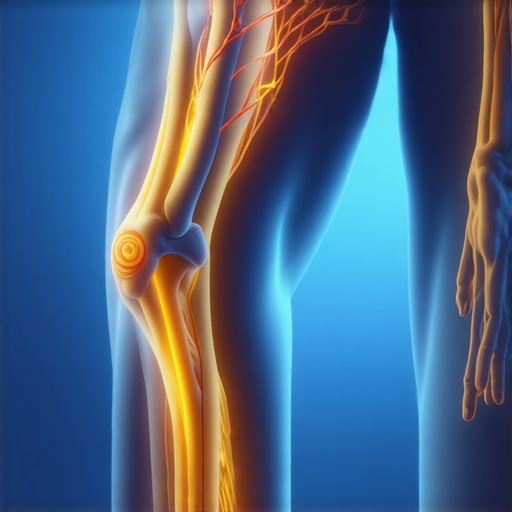
One morning, I was rushing to get ready for work when I suddenly felt a strange tingling sensation spreading from my hip down to my thigh. It wasn’t sharp pain, but a persistent numbness that made my leg feel like it was asleep—even though I was sitting perfectly still. At first, I brushed it off as a weird cramp, but as days went by, the sensation worsened, and I knew I had to pay attention. That lightbulb moment made me realize how vital it is to understand the nerve pathways affecting your mobility and comfort.
Recognizing the Struggle with Thigh Numbness
Why Am I Feeling This? Common Causes of Thigh Numbness
Many of us experience numbness or tingling in the thigh at some point, often attributing it to minor issues like crossing our legs too long or sitting in a bad position. But the truth is, these sensations can be signals from nerves that are getting irritated or pinched somewhere along their path. For me, it was clear that posture and movement habits played a big role. Early on, I made a common mistake—ignoring these early signs and thinking they’d just go away. That’s something I’ll warn you about and help you avoid.
My experience isn’t unique. According to recent studies, nerve compression in the lumbar spine or pelvis can cause such sensations, and if left unaddressed, it might lead to more serious issues like sciatica or chronic pain. Recognizing the cause is the first step toward relief.
Have you noticed these numb or tingling sensations in your thigh, especially after long periods of sitting or poor posture? If so, you’re not alone, and understanding what triggers these signals can be a game-changer.
In the upcoming sections, I’ll share practical strategies I found effective—things like mobility adjustments, posture corrections, and specific chiropractic techniques—that helped me regain control over my body’s signals. For now, let’s explore why paying attention to your nerve pathways and how they relate to your daily habits can make all the difference. If you’re curious about quick mobility hacks to improve your posture, check out [simple adjustments for a more active life](https://quackersneck.com/mobility-hacks-simple-adjustments-for-a-more-active-life). Getting proactive is the key to avoiding prolonged discomfort and reclaiming your mobility.
Pinpoint Your Problem Areas
Identify the specific muscles and joints contributing to your numbness by observing when and how symptoms occur. For example, if numbness worsens after prolonged sitting, focus on hip flexibility and pelvic alignment. Use a mirror or record yourself moving to detect asymmetries or poor postures. Remember, pinpointing the precise source allows for more effective intervention, much like tuning a guitar string to the right pitch.
Incorporate Dynamic Posture Adjustments
Start by setting a timer to remind you to change positions every 20-30 minutes. During these intervals, perform quick mobility moves, such as pelvic tilts or seated spinal twists. My own messy attempt at implementing these on a busy day reduced my numbness noticeably within days. Think of your spine and hips as a flexible garden hose; regular movement prevents kinks that restrict nerve flow. For optimal results, explore simple mobility hacks that can seamlessly integrate into daily routines.
Practice Targeted Stretching and Strengthening
Focus on stretches that open up the hips, like the pigeon pose or hip flexor stretches. Strengthen core stabilizers such as the transverse abdominis and multifidus muscles, which support proper posture and reduce nerve compression risks. I recall my clumsy attempt at stretching in the living room, nearly knocking over a lamp, but sticking with consistent practice yielded improvements. Consider replacing passive stretches with active movements, which energize muscles and promote better posture. For a tailored program, review targeted mobility exercises recommended by experts.
Implement Foam Rolling and Myofascial Release
Using a foam roller on your thighs and hips can release tension in overworked muscles that may compress nerves, similar to easing a knot in a rope. Focus on the quadriceps, IT band, and hip flexors, rolling slowly and applying gentle pressure. When I first tried foam rolling, it felt awkward and even uncomfortable, but over time, my muscles relaxed, and numbness diminished. Remember, consistency is key—think of this as untangling the garden hose before water flows smoothly again. For detailed guidance, explore techniques discussed in practical chiropractic strategies.
Neutralize Stress with Breathing and Relaxation Techniques
Stress can tighten muscles and aggravate nerve issues. Practice diaphragmatic breathing by inhaling deeply into your belly, then slowly exhaling. Like a gentle wave calming the stormy sea, this reduces muscle tension and enhances nerve mobility. I found that taking five minutes for mindful breathing during busy workdays noticeably eased tingling sensations. Incorporate these calming practices into your routine to support the physical work—think of it as oil for a squeaky door, keeping everything moving smoothly. For more relaxation strategies, check out chiropractic-enhanced mobility tips.
Many assume that chiropractic adjustments are solely about cracking bones or popping joints for quick relief, but this common misconception overlooks the nuanced science behind effective postural correction. In my experience, a superficial ‘crack and go’ approach often misses the deeper issues related to mobility restrictions and muscular imbalances. The truth is, adjustments are just one element of a comprehensive strategy that involves understanding the body’s intricate nerve pathways and how they respond to various stimuli. Relying solely on manual manipulations without addressing underlying mobility deficits can lead to temporary relief at best, or even exacerbate problems over time.
A frequent myth is that adjustments permanently fix poor posture. However, research by Dr. David Seaman emphasizes that sustained postural improvements depend heavily on ongoing mobility exercises and awareness, not just periodic visits to the chiropractor. Often, people neglect to integrate daily mobility habits, which are essential for maintaining gains made from adjustments. For example, focusing exclusively on spinal manipulation without reinforcing proper movement patterns may cause the body to revert to faulty habits, undermining long-term progress.
**Beware the trap of misinterpreting stiffness as a sign of needing more adjustment**. Many think that persistent tightness or discomfort indicates a need for more frequent chiropractic visits. Yet, this might be the body’s way of protecting itself through muscle tightness or neuromuscular activation, which can be improved through targeted mobility routines. Over-adjusting in response to stiffness without addressing its root causes can lead to unnecessary discomfort or increased joint hypomobility. Instead, consider integrating mobility hacks to regress and progress safely, as explained in [simple adjustments for a more active life](https://quackersneck.com/mobility-hacks-simple-adjustments-for-a-more-active-life).
For advanced readers, understanding the interplay between nerve mobility and joint health is crucial. Neurologists like Dr. Robin McKenzie have highlighted that nerve gliding techniques can significantly enhance mobility and reduce nerve entrapment, complementing adjustments rather than replacing them. This is supported by studies showing that combined approaches yield superior outcomes in chronic postural issues.
So, next time you visit your chiropractor, ask yourself: are they solely focusing on the adjustment, or are they also guiding you through exercises that sustain and amplify their work? Remember, true progress involves a synergy of manual therapy and active mobility practice.
**Have you ever fallen into this trap? Let me know in the comments.** To deepen your understanding, explore how chiropractic techniques can be incorporated into your daily routine by visiting [the link between mobility and posture](https://quackersneck.com/the-link-between-mobility-and-posture-a-chiropractors-guide). A strategic approach that combines adjustments with consistent movement habits is your best bet for lasting results.Maintaining your mobility and posture requires not only consistency but also the right tools to support your efforts. Over the years, I’ve curated a set of equipment and strategies that have proven indispensable in my journey toward better movement and longer-lasting results. These tools help me target specific muscle groups, improve flexibility, and reinforce healthy habits, making the process more effective and less time-consuming.
One of my top recommendations is a high-quality foam roller. Using a foam roller on areas like the quads, hips, and upper back helps release fascial tightness that can trap nerves or cause muscular imbalances. I prefer a medium-density roller because it provides enough pressure without being too aggressive, and I spend 5-10 minutes rolling daily. This routine has significantly reduced my recurring tension and improved my mobility.
Complementing foam rolling, I incorporate resistance band loops in my daily warm-up. These bands are excellent for activating stabilizer muscles before any mobility or strength session. I particularly use them for hip abductions and internal rotations, which target areas often neglected in traditional stretching. They serve as a dynamic prep, priming my nervous system for movement and reducing injury risk.
For my posture, I rely on ergonomic accessories like lumbar support cushions and adjustable sit-stand desks. Prolonged sitting can undo all your mobility work, so investing in tools that promote active sitting and standing makes a real difference. I’ve switched to a sit-stand desk, which allows me to change positions every 20 minutes, keeping my spine healthy and my circulation flowing.
Incorporating technology, I use a posture reminder app that buzzes at intervals to prompt me to correct my sitting or standing posture. This consistent nudging helps me build awareness and integrate better habits over time. Additionally, I use biomechanical coaching videos from reputable sites to guide my daily mobility drills, ensuring proper form and maximizing benefits.
Looking ahead, I predict a trend toward personalized mobility tools—smart devices that adapt to your specific biomechanics and provide real-time feedback. Companies are developing sensors that attach to key joints, tracking movement patterns and sending data to your smartphone. This integration could make maintenance more precise and tailored, reducing guesswork and enhancing long-term results.
**How do I keep my mobility practices sustainable over time?** The key is blending these tools into your routine so they feel natural rather than chore-like. I recommend experimenting with one or two to see which resonate with your body and lifestyle. For example, try integrating foam rolling into your morning wake-up routine or using resistance bands for quick activation before workouts. The goal is to make these tools a seamless part of your daily habits.
Finally, don’t forget the importance of patience and consistency. Tools alone won’t create lasting change if your effort is sporadic. Pairing the right equipment with mindful movement and regular check-ins, like visiting a skilled chiropractor for tailored adjustments, creates a powerful feedback loop that sustains your progress. For deeper insights into integrating mobility into everyday life, explore our guide on the link between mobility and posture. Start with one tool today—your body will thank you for the investment.
What I Wish I Knew About Staying Aligned
One of the toughest lessons I learned was that perfect posture isn’t about rigid straight lines but about fluidity and awareness. I used to think that a quick adjustment during a session would solve everything, but I realized lasting change came from understanding how daily habits—like micro-movements and mindful breathing—shape our alignment. Recognizing that my body needed consistent nurturing, not just occasional crack corrections, was a genuine lightbulb moment that transformed my approach.
Another insight was that nerve mobility isn’t just a technical term but a daily practice. I discovered that gentle nerve gliding exercises could prevent numbness and tingling, especially after long days of sitting. These small routines, when woven into everyday life, acted like an oil change for my body’s hinges, keeping everything flowing smoothly and reducing dependency on adjustments alone.
And perhaps most surprisingly, I found that stress significantly impacts posture and nerve health. Relaxation techniques like diaphragmatic breathing and mindful pauses became as essential as stretching routines. Tension from mental stress can tighten muscles and compress nerves, making mobility work less effective. So, nurturing mental calmness became a vital piece of the mobility puzzle, a lesson I now cherish deeply.
Tools That Elevated My Mobility Game
Over the years, I’ve come to rely on a handful of trusted tools that make a real difference. A high-quality foam roller tops the list; I use it daily to release fascial restrictions that aren’t obvious but can trap nerves or muscles, creating chronic tension. It’s like untangling a bunch of knots—precise, gentle, and effective. For targeted activation, resistance bands have been invaluable, especially for hip and shoulder mobility exercises that complement chiropractic adjustments.
Ergonomics has also played a big role—ergonomic chairs, adjustable desks, and posture reminders keep me honest throughout the day, preventing the very issues I aim to correct. I’ve noticed that investing in these practical tools doesn’t just improve comfort but also reinforces the movement habits I’ve learned through coaching and research. For a comprehensive look, I recommend exploring targeted mobility exercises that can be integrated effortlessly into busy schedules.
To deepen my understanding and stay motivated, I turn to expert-led online programs and books that emphasize balance and natural movement. The key is consistency—these tools become allies, helping me maintain the progress I’ve fought hard for. Remember, a blend of manual care, smart equipment, and mindful habits creates a synergy that sustains long-term mobility and posture health.
Seize Your Power and Take Action Today
Improving posture and mobility isn’t a one-time fix but a journey—one that requires your active participation and curiosity. Every small step, from incorporating simple stretches to adjusting your workspace, builds toward a more resilient, pain-free body. Imagining a future where you move confidently, free from numbness and stiffness, is within reach. Start experimenting with these techniques, and watch how your body’s natural signals become your guides rather than obstacles.
If you’re eager to explore actionable routines that truly make a difference, visit simple mobility hacks to jumpstart your progress. Remember, your body is your most valuable asset—treat it with the care and attention it deserves, and it will reward you with vitality and ease. So, what’s the first small change you’re willing to try today? Share your plan below and let’s support each other’s mobility journeys!