

I remember the moment vividly—carrying a overloaded backpack on one shoulder, feeling that sharp twinge in my lower back that wouldn’t go away. It hit me then: my careless habits were slowly sabotaging my spine, and I hadn’t even realized it. Frustrating, right? We all have that one bag or backpack we rely on daily, whether for work, school, or travel, but few of us truly know the best way to carry it without risking long-term damage.
Why Your Heavy Bag Might Be Sabotaging Your Posture
很多人直到开始出现慢性疼痛或僵硬,才意识到自己在携带重物时犯了错。 Carrying heavy loads improperly can lead to imbalances that affect your entire musculoskeletal system. Over time, it can cause misalignments, muscle strain, and even nerve irritation. As a chiropractor, I’ve seen countless cases where poor bag-carrying habits were the root of persistent neck and back issues.
But here’s the silver lining: with some simple adjustments and awareness, you can carry your weight confidently without sacrificing your spine. Today, I promise to share practical strategies I’ve picked up through years of experience, so you’ll know exactly how to protect yourself. Ready to learn the secrets?
What You’re Getting Wrong About Heavy Bag Carrying
Many folks mistakenly slouch into carrying their bags—hunching shoulders, leaning to one side, or pulling the bag with a death grip. Early on, I made the mistake of slinging my bag over one shoulder all day long, thinking it was convenient. Turns out, this is one of the worst habits because it encourages asymmetry, leading to muscle imbalances and joint strain.
Research shows that asymmetrical loads can cause compensatory postures, which affect your overall mobility and even your digestion and breathing (learn more about the connection at [the link between mobility and posture](https://quackersneck.com/the-link-between-mobility-and-posture-a-chiropractors-guide)). So, if you’ve been carrying your bag like a rebellious teenager—over one shoulder—you might be unknowingly inviting problems.
If this sounds familiar, don’t worry. The solution is within reach, and it starts with understanding how to carry weight properly, distributing it evenly, and making small changes that can save your spine in the long run. Up next, we’ll go through step-by-step practices that will transform how you manage heavy loads and keep you moving comfortably.
Distribute weight evenly to protect your spine
Always aim for a balanced load, using both straps of a backpack or carrying handles equally. In my own experience, I once transferred all the weight onto one shoulder during a hurried moment; the next day, my neck and shoulder were painfully stiff. To avoid this, pack only essential items, reducing overall weight, and switch shoulders regularly when you have to carry heavy bags for prolonged periods. Think of your back as a house of cards—if one side bears all the weight, the structure becomes unstable. A balanced load maintains proper alignment and prevents muscle strain.
Adjust straps for optimal fit and posture
Set your backpack straps so that the bag sits snugly against your back, roughly at waist level. When straps are too loose, you’ll lean forward or backward to compensate, which can cause uneven pressure distribution. Similarly, overly tight straps can restrict movement and cause discomfort. I once struggled with a loose backpack during a day trip, which caused me to hunch forward to keep it from slipping. Fine-tune the straps so that the pack feels secure yet comfortable, allowing your shoulders and back to stay in a neutral, healthy position. For detailed guidance on mobility adjustments that support better posture, visit this resource.
Engage your core muscles actively
Think of your core as a natural ‘inner corset’—it stabilizes your entire spine during physical activities. When carrying a heavy bag, tighten your abdominal muscles as if preparing for a gentle punch. This engagement reduces the load transferred to your lower back and helps maintain optimal spinal alignment. I once consciously activated my core before picking up a heavy suitcase, and the difference in ease and comfort was remarkable. Incorporate core exercises into your routine to strengthen this vital support system; for strategies, see this guide.
Maintain a proper walking posture
Keep your head aligned over your shoulders, shoulders relaxed, and take smooth, controlled steps. Avoid leaning forward or looking down — much like driving a car with a clear windshield, your line of sight should be straight ahead. When I was rushing through a crowded street with a heavy bag, I caught myself slouching and looking down. Resetting my posture improved my comfort immediately and prevented early fatigue. Regular posture checks during daily activities can be reinforced by mobility drills, which you can explore at this page.
Limit carrying time and take breaks
Don’t push your limits—if you feel muscles tightening or your back aching, take a moment to rest. Imagine your muscles as a rubber band; overextension causes it to lose elasticity. During a recent trip, I carried a heavy bag for long periods, leading to a dull ache. I finally paused, did some light stretching, and then resumed. This simple habit of pacing yourself preserves spinal health and prevents chronic pain. For specific stretches and mobility routines that support recovery, see this resource.
Choose quality, ergonomic bags when possible
Prioritize bags with padded straps, lumbar support, and adjustable features. A well-designed bag acts like a shock absorber, reducing impact forces on your spine. I once switched from a thin strap bag to a padded ergonomically designed backpack, and my back thanked me. When shopping, think of your bag as an investment in your health. Proper equipment makes a significant difference in distributing weight and maintaining good posture, acting as a first line of defense against injury.
Many people think chiropractic adjustments are a quick fix or even unnecessary if they don’t have acute pain. However, this misconception overlooks the nuanced effectiveness of targeted chiropractic strategies in maintaining long-term health. A common myth is that once your symptoms disappear, your spine is fully aligned—that’s not always the case. Think of your body like a complex machine; adjustments are part of a wider process involving mobility, muscular balance, and neuromuscular control. Relying solely on quick fixes can lead to overlooked issues that worsen over time. For instance, some believe stretching alone resolves mobility issues, yet without addressing joint restrictions and nerve impingements, gains can be superficial at best. Advanced practitioners incorporate techniques like targeted mobility exercises (this resource) to complement adjustments, ensuring sustained improvement.
Is a single chiropractic adjustment enough to correct long-term posture problems?
Research indicates that reproducible, consistent interventions, including adjustments coupled with mobility and strengthening routines, outperform one-off treatments (study here). Trying to fix posture with just a quick cracking session might feel satisfying, but beneath the surface, unresolved neuromuscular patterns and habitual misalignments need ongoing attention. You wouldn’t expect to learn a language in a day, so why expect your posture to correct instantly? Practitioners knowledgeable in mobility techniques emphasize the importance of active patient participation—like mobile drills and ergonomic modifications—over passive treatments alone. This holistic approach, blending adjustments with lifestyle adjustments, is the key to lasting posture health. So, next time someone tells you adjustments are all you need, remember that sustained change comes from integrating multiple strategies—active, passive, and environmental.
Be cautious of the trap that some clinics promote the idea of “a quick fix,” neglecting the importance of movement and daily habits. Regular mobility exercises (these tips) are proven to reinforce spinal health in ways adjustments alone cannot. Think of adjustments as tune-ups, but maintenance requires active effort. Ignoring this can lead to dependency on frequent visits, which isn’t sustainable or effective long-term. The nuance lies in understanding that chiropractic care is most effective when integrated into your daily routine—helping you stay flexible, strong, and pain-free. Want to learn how to incorporate mobility into your daily life? Check out our detailed guides and make a proactive step toward better health.Maintaining your spinal health requires intentionally integrating effective tools and consistent routines into your lifestyle. One of my personal favorites is the use of **mobility sliders**,滑动块,这个工具让我可以在需要的地方快速进行深层次的关节释放,特别是在肩部和髋关节。为什么我推荐它?因为它们提供了可控的压力,帮助我在不依赖外部援助的情况下,促进关节的自然活动范围。结合一些针对性的 **mobility routines**,像是我们在优化姿势的移动策略中描述的,能显著增强你的持续灵活性。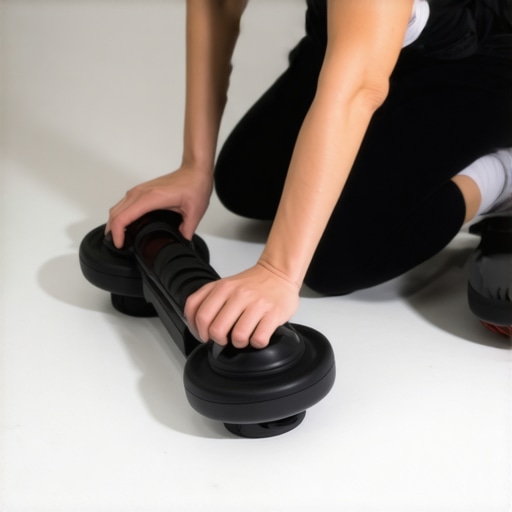
此外,数字化管理工具如 **PostureScreen** 软件,已成为我日常监测和调整姿势的得力助手。它用高清摄像头分析你的姿势偏差,并给出具体的修正建议,让你能直观地看到改善的效果。未来,随着科技的进步,我相信这些智能设备会变得更加便携,与虚拟现实(VR)结合,为个人提供沉浸式的康复体验,让维护变得更易于坚持。
那么,如何持续保持这些成果?关键在于将这些工具融入你的日常生活中。建议你开始用mobility sliders做一个3-5分钟的动态热身,然后结合软件进行每日姿势检测,持之以恒,你会看到长期的改善效果。为什么不试试今天就用新的移动工具,给你的脊柱一次深度养护呢?想了解更多关于这些高效工具的使用技巧,可以联系我或访问联系我们了解专业建议机会!Throughout this journey, I’ve learned that the true secret to lasting posture health isn’t just quick fixes but cultivating daily habits that honor your body’s natural design. One profound lesson is that posture correction requires patience and consistency—wearing a posture brace may provide immediate relief, but without active mobility and strength routines, those improvements fade quickly. I’ve also realized that personal awareness is your best tool; tuning into how you carry your bag or sit at your desk can prevent issues before they start. Equally important is understanding that technology, from mobility sliders to posture analysis apps like these resources, can empower you to take control of your spinal health. Remember, your body is an intricate system that responds best to proactive care—so embrace small daily adjustments, stay curious, and prioritize your well-being. By integrating these insights into your routine, you’ll build a resilient spine that supports you for years to come.