
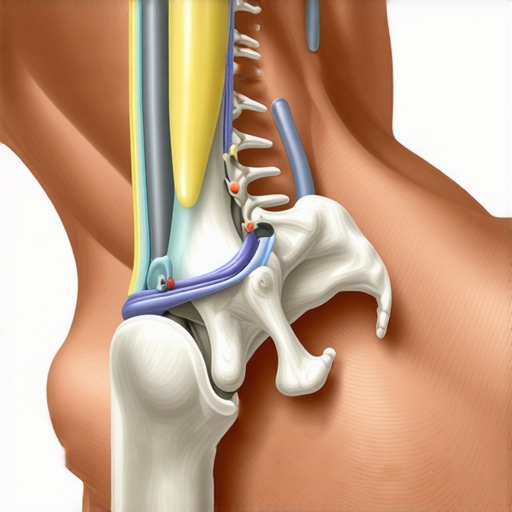
I remember a morning not too long ago where I took a step out of bed and felt that sudden, sharp jolt right under my heel. It was like stepping on a tiny nail—intense and unexpected. What baffled me more was how this pain seemed to radiate from my lower back, an area I hadn’t given much thought to until that moment. It was a lightbulb moment—realizing that seemingly isolated foot pain can actually stem from issues higher up my spine. And honestly, it was a wake-up call for me about how interconnected our body parts truly are.
The Unexpected Connection Between Your Heel and Your Lower Back
Often, when people experience heel pain, their first thought isn’t their lower back. Instead, they think about plantar fasciitis, heel spurs, or Achilles tendinitis. But what if I told you that your heel pain might be a symptom of something much deeper—literally coming from your lower back? The nerves that run from your spine down to your feet can be irritated or pinched, leading to sensations of pain that might seem local but are actually caused by nerve impingements higher up. Understanding this connection can change how you approach heel pain, moving beyond quick fixes to addressing the root cause.
Could Your Back Be the Real Culprit?
From personal experience, I learned that neglecting my posture and mobility misalignments made my nerve pathways more vulnerable. Early on, I made the mistake of treating my heel pain solely with orthotics and stretching—thinking it was a local issue. But these approaches only provided temporary relief at best. It wasn’t until I focused on improving my lower back’s mobility and posture that the pain truly diminished. Want to explore how your lower back health directly impacts your foot pain? Check out this practical guide on managing postural issues and mobility improvements.
Did you know that poor spinal alignment can lead to nerve irritation that manifests as foot pain? According to experts, a misaligned pelvis or lower back can compress nerves that travel down to your heels, creating that stabbing sensation you dread. Recognizing this link was a game-changer for me, and I believe it can be for you too.
So, if you’ve been dealing with inexplicable heel pain that just won’t go away, ask yourself—could it be time to look higher, at your back and posture, for answers? Staying curious and proactive might just save you from endless treatments that only mask the problem. In the sections ahead, I’ll share practical steps to help you identify if your lower back is influencing your heel pain—and, more importantly, how to address it effectively.
that sharp pain in your heel might be coming from your lower back, and understanding this can significantly impact your recovery. Are you ready to see how improving your posture and mobility can put an end to that nagging heel ache? Let’s dive into the how-to’s.
Target Your Pelvic Alignment with Simple Moves
Start by integrating pelvic tilts into your daily routine; lie on your back with knees bent, gently flattening and arching your lower back to recalibrate your pelvis. I once spent a week diligently doing these tilts every morning, noticing gradual improvements in my lower back comfort, which shifted the nerve signals heading down to my heels.
Move Beyond Static Stretching
Stretching hamstrings alone won’t resolve nerve impingements. Instead, focus on mobility exercises that free up your hips and lumbar spine. For instance, perform gentle hip circles and spinal rotations—these loosen tight muscles and restore proper movement, reducing nerve compression. I found that incorporating a daily 5-minute mobility drill significantly decreased my heel pain over two weeks.
Use Targeted Mobility Drills to Re-educate Your Nerve Pathways
Practice the 2-minute foot drill outlined here to activate and stabilize your lower back and feet. Think of it as tuning the wiring of your body’s communication system—when your nerves are free and healthy, pain signals fade. I added this to my morning routine and felt a notable difference in both back stability and heel soreness.
Optimize Your Posture for Long-Term Relief
Assess your sitting, standing, and sleeping habits; poor posture can perpetuate nerve compression. Use a mirror or record yourself to observe misalignments. Adjust your workstation height to eliminate prolonged slouching, and consider ergonomic supports that promote spinal neutrality. I used a lumbar roll during long desk hours, which helped keep my lower back aligned and my heel pain at bay.
Incorporate Regular Chiropractic Adjustments
Seek out a chiropractor who specializes in spinal health. Skilled adjustments can realign your pelvis and lumbar vertebrae, relieving nerve impingement. I visited a chiropractor for a series of sessions, which complemented my mobility work perfectly. Sometimes, a professional touch is necessary to unlock stubborn misalignments that simple exercises can’t resolve alone.
Maintain Consistency and Mindfulness
The key is persistent effort—set reminders to perform your mobility routines daily, and stay aware of posture throughout your day. Over time, these habits reinforce spinal health, preventing re-aggravation. I found that journaling my progress kept me motivated and helped identify what movements provided the best relief.
Implementing these concrete steps rooted in mobility and posture care empowered me to tackle heel pain that was once stubborn and disruptive. Remember, addressing the root cause often requires a combination of movement, posture adjustments, and professional guidance. For deeper insights into creating sustainable posture habits, check out this detailed guide.
 Many people assume that simply stretching or using ergonomic tools automatically fixes posture or mobility issues, but in my experience, this oversimplifies a complex system. For instance, the widespread belief that all cracking and popping sounds during adjustments are harmless is a misconception; research indicates that, while often benign, excessive or forceful manipulations can sometimes cause tissue irritation or nerve impingement if not done correctly (see how chiropractic adjustments can actually support posture and mobility at https://quackersneck.com/how-chiropractic-adjustments-enhance-posture-and-mobility). Additionally, many think that maintaining perfect posture is achievable with a rigid stance, but staying static for too long can stiffen tissues and reduce mobility—movement and targeted mobility drills are far more effective. Beware of the trap of relying solely on passive remedies like braces or cushions without addressing root joint and nerve health; these can weaken muscles over time and lead to dependency, making your muscles less capable of supporting proper alignment on their own. An advanced misconception is believing that mobility exercises are only for athletes or those with severe issues; in fact, regular, strategic mobility work can prevent degenerative changes and chronic pain, especially when tailored to individual needs, as detailed in https://quackersneck.com/revolutionize-your-posture-with-targeted-mobility-exercises. For the dedicated enthusiast, understanding the interplay between spinal alignment and nerve pathways is crucial—misalignments in the pelvis or lumbar spine often mimic local symptoms like heel pain or neck tension, but they originate higher up. Recognizing this nuance can save you from endless treatment cycles focused only on the symptomatic area. Here’s a question for the advanced reader: How does subtle fascial restriction influence joint mobility and nerve conduction, and what techniques can effectively release these restrictions? Recent studies highlight that fascial health significantly impacts posture and movement efficiency, underscoring the importance of techniques like myofascial release or specific mobility drills—more on this at https://quackersneck.com/why-stretching-your-hamstrings-wont-fix-your-tight-lower-back. Have you ever fallen into this trap? Let me know in the comments.Maintaining optimal posture and mobility over the long haul requires more than just occasional stretches or quick fixes. I rely on a combination of targeted tools, consistent routines, and evidence-based practices to ensure I stay on track. One of my most valuable assets is a high-quality foam roller, which I use daily to release fascial restrictions and improve tissue elasticity. Unlike generic foam rollers, I prefer a dense, durable model that can handle deep tissue work without losing shape, allowing me to target specific areas like the lower back and hips effectively. Regular self-myofascial release with this tool has significantly reduced my stiffness and enhanced my mobility, especially after long sitting periods.
Throughout my journey managing heel pain, I stumbled upon a profound realization: the key to lasting relief often lies higher than the affected area—in the intricate alignment of your spine and posture. This insight transformed my approach from simply treating symptoms to addressing root causes, emphasizing the importance of spinal health in foot and heel discomforts.
What Most Overlook About Mobility and Spinal Harmony
- Many assume that foot pain stems solely from local issues like plantar fasciitis. However, a misaligned pelvis or lumbar spine can impinge nerves that manifest as heel pain, revealing a deeper, systemic connection.
- My own experience taught me that neglecting foundational posture and mobility can perpetuate nerve irritation. Real change came only when I prioritized spinal adjustments and mobility exercises tailored to my body’s unique needs.
- Expert insights reinforce that targeted mobility drills and chiropractic care can realign your spine, improving nerve function and reducing foot pain. These techniques offer a proactive path to recovery, avoiding endless symptom-masking treatments.
- Understanding fascial restrictions and how they influence joint and nerve health was my breakthrough—releasing these tensions with myofascial techniques complemented my mobility routines, leading to profound relief.
Tools & Resources That Changed My Practice
- Effective Foam Rollers: Investing in a quality foam roller enhanced my ability to release fascial tightness and improve tissue elasticity—crucial for maintaining spinal and pelvic health.
- Targeted Mobility Guides: Resources like the posture-friendly mobility exercises provided structured routines that accelerated my progress.
- Professional Chiropractic Support: Finding a skilled chiropractor who focused on spinal alignment and nerve pathways made a significant difference in my recovery journey.
- Educational Material: Books and articles on posture’s role in overall health, especially how adjustments enhance mobility and posture, deepened my understanding and confidence in my approach.
Empower Your Next Step in Mobility and Posture
If you’re tired of chasing quick fixes for heel pain, embracing the powerful connection between your spine and feet can be your game-changer. Small, consistent adjustments—like daily mobility drills, careful posture habits, and seeking professional chiropractic care—can build a resilient foundation that prevents future issues. Remember, lasting change comes from understanding and nurturing the intricate harmony of your body’s systems. Ready to take that step? Dive deeper into the art of sustainable posture and mobility at this comprehensive guide and empower yourself to move pain-free for years to come.