
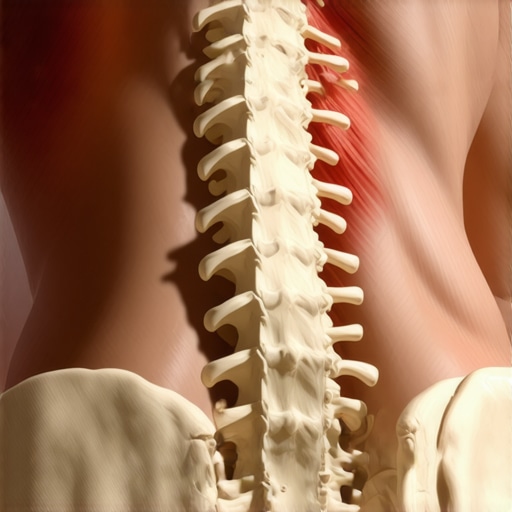
It happened in a flash. I was mid-sneeze, caught off guard by a sudden burst of force, and then—bam. An intense, almost searing pain shot through my lower back. Pain that made me clutch at my side, wondering if I’d just pulled a muscle or if something else was going on. I’ve been there, and I bet you have too. That sudden jolt, the sharp catch, and the subsequent discomfort—it’s enough to ruin your entire day and leave you questioning what just happened.
When a Sneeze Becomes a Backstabber
That unexpected sharp pain isn’t just a fluke or a common inconvenience. It’s your body’s way of signaling something deeper—something related to how your back and spine are functioning on a core level. You might think it’s just a random muscle strain, but often, it’s an indication that your posture and mobility may need some serious attention. Believe it or not, many people overlook the subtle signs their body gives long before a sneeze turns into a painful surprise.
Here’s the thing: I used to believe that occasional back pain was just part of aging or muscle exhaustion. I’d ignore the warning signs, thinking a quick stretch or temporary rest would fix everything. But I was making a crucial mistake. Early on, I failed to realize that my posture—especially how I carried myself daily—was quietly contributing to this vulnerability. According to recent research, poor spinal alignment and limited mobility can predispose us to sharp, unpredictable back pains even during simple actions like sneezing or coughing (source: https://quackersneck.com/the-link-between-mobility-and-posture-a-chiropractors-guide).
So, if this sounds painfully familiar—if you’ve experienced that sudden, stabbing sensation in your lower back when sneezing, coughing, or even laughing—know that you’re not alone. And more importantly, there are practical, effective solutions that can help you prevent these unexpected jolts and keep your back sturdy so you can face your day with confidence.
Assess Your Posture Throughout the Day
Begin by evaluating how you sit, stand, and move daily. Think of your spine as a sturdy bridge; if its foundation isn’t balanced, the slightest tremor—a sneeze—can cause a collapse. To start, set a timer every hour to remind you to check in on your posture. Sit with your feet flat on the ground, knees at 90 degrees, and shoulders relaxed. Use a mirror or record yourself to identify tendencies like slouching or forward head posture. Practicing awareness is the first step to correction. For tailored guidance, consider consulting experts or exploring practical strategies for improving posture through mobility.Many believe that chiropractic adjustments and simple posture tweaks are quick fixes for back pain and mobility issues. But let’s
[discuss](https://quackersneck.com/how-chiropractic-adjustments-enhance-posture-and-mobility) the nuances most people overlook. For instance, a common myth is that one adjustment will permanently fix spinal misalignments, whereas research shows that consistent mobility practices and regular adjustments are necessary for lasting results. Relying solely on passive treatments can lead to complacency, causing you to ignore the active role you can play in your recovery.
**Beware of Relying Only on Adjustments**. An often overlooked mistake is thinking that adjustments alone will correct underlying issues. Adjustments are effective, but without addressing postural habits and mobility limitations, the problem persists. For sustainable improvement, integrating targeted mobility exercises, such as those outlined [here](https://quackersneck.com/revolutionize-your-posture-with-targeted-mobility-exercises), is crucial. Moreover, many professionals miss the importance of the interplay between posture and mobility, which can be a trap leading to chronic issues.
What Does Advanced Research Say About Posture and Mobility Interventions?
Recent studies emphasize that a multifaceted approach—combining manual therapies with active mobility and ergonomic changes—yields superior outcomes. For example, a groundbreaking study published in The Journal of Bodywork and Movement Therapies (2022) indicates that patients who engaged in both chiropractic adjustments and personalized mobility routines experienced faster and more durable improvements in back health and posture. This supports the idea that passive adjustments are just one piece of the puzzle.
**The ‘Oops’ Factor in Common Practice** is failing to recognize the importance of movement variability. Many people perform repetitive tasks with little variation, leading to stiff joints and weak stabilizer muscles. Over time, this creates a fragile foundation, making sudden movements like sneezing a potential pain trigger. Incorporating movements that promote joint diversity and muscle engagement can be a game-changer. Interested in practical mobility strategies? Explore [here](https://quackersneck.com/improving-posture-through-mobility-practical-chiropractor-strategies) for expert tips.
Finally, don’t forget that your daily habits shape your spinal health. Sitting for prolonged periods, slouching while on devices, or neglecting regular movement can all undermine even the best chiropractic care. Addressing these nuances proactively can significantly reduce your risk of injury. Want a personalized plan? Reach out via [contact](https://quackersneck.com/contact-us) and take the first step toward better mobility and posture.
Have you ever fallen into this trap? Let me know in the comments.
Keep Your Progress Rolling with the Right Tools
Staying consistent with posture and mobility improvements requires reliable tools that seamlessly integrate into your daily routine. Personally, I swear by a high-quality foam roller, such as the TriggerPoint GRID Foam Roller, for deep tissue release. Its grid pattern allows me to target specific muscle knots that often contribute to spinal misalignments, maintaining the gains from chiropractic adjustments. Regular self-myofascial release with this roller enhances circulation and keeps muscles pliable, reducing the risk of setbacks.
Additionally, I rely on a posture-correcting brace during long workdays, but never as a crutch. Instead, I see it as a reminder to maintain awareness. The posture brace I recommend is designed to gently support correct alignment without weakening core muscles. Over time, combined with targeted mobility exercises, it helps reinforce healthy habits.
Harness Technology for Long-Term Success
Tracking progress is crucial. I personally use smart posture trainers like the Upright GO 2, which vibrates when I slouch. It’s a simple yet effective nudge to sit upright, preventing bad habits from forming again. Pairing this with mobile apps that provide customized mobility routines helps me stay accountable and adapt my regimen as needed. The exercises available online are crafted to address specific mobility deficits identified over months of tracking.
Long-Term Results Require Consistency and Adjustment
In my experience, sticking with a routine is vital. I schedule weekly mobility sessions, combining foam rolling, stretching, and chiropractic check-ins. This not only preserves my posture but also identifies new mobility bottlenecks early on. As research suggests, regular adjustments and mobility training synergize for lasting benefits. It’s a process that evolves; what worked six months ago might need tweaking today.
Scaling Your Mobility Practice
If you’re looking to expand your efforts, consider incorporating functional movement drills that mimic everyday activities. For example, practicing hip hinge movements or core stabilization exercises can dramatically improve your resilience against sudden jolts like sneezing. Using equipment such as resistance bands or stability balls can elevate your routine, making it versatile and adaptable to any space. The key is consistency—little daily improvements compound over time.
How do I keep my posture and mobility habits sustainable?
The future points toward integrated solutions combining AI-driven feedback and personalized routines. Emerging tech like smart mirrors—set to personalize mobility assessments—will likely become commonplace. Meanwhile, sticking with proven methods like regular self-myofascial release, mindful ergonomics, and periodic chiropractic assessments remains essential. I encourage you to try a targeted mobility drill from this comprehensive program today to kickstart your journey. Small, consistent actions are your best bet for long-term success and injury prevention.
What I Wish I Knew About Mobility and Spinal Resilience
One of the most eye-opening lessons I’ve learned is that minor postural habits—like slouching at my desk or neglecting morning mobility—can silently erode my spine’s strength, making sudden sneezes and even laughter potential sources of pain. Recognizing these subtle signs early helped me realize that proactive mobility routines and mindful ergonomics are not just optional—they’re essential for lasting back health.
A second insight was understanding that quick fixes, such as a chiropractic adjustment alone, might temporarily relieve symptoms but often don’t address the root causes. Integrating targeted mobility exercises, like those detailed here,
creates a foundation that truly supports long-term spine resilience. It’s about building better habits that complement professional care, not replacing it.
The most profound realization has been that consistency trumps intensity. Small daily movements and awareness gradually rebuild the stability and flexibility I need, reducing unexpected jolts. These lessons remind me—and now you—that strengthening your posture involves a holistic, committed approach that balances passive adjustments with active mobility.
Tools That Transformed My Approach to Posture
Over the years, I’ve relied on a few trusted tools to keep my mobility on track. The TriggerPoint GRID Foam Roller has been instrumental for releasing tight tissues, especially after long periods of sitting, helping maintain flexibility and prevent misalignments. I also swear by my posture-correcting brace during intense workdays; it serves as a gentle reminder to hold proper alignment without becoming a crutch.
Pairing these with resources like the comprehensive mobility strategies for posture,
has made a noticeable difference in my daily comfort and resilience. Plus, tracking progress using smart posture trainers like the Upright GO 2 keeps me accountable, reinforcing good habits and helping me spot trouble early.
If you’re serious about preventing those shocking back pains, I highly recommend exploring these tools and routines. They’ve truly been game-changers for me, and I believe they can help you cultivate a stronger, more flexible spine too.
Your Next Step Toward Confidence and Comfort
The journey toward a resilient back and good mobility begins with small, consistent actions. Every time you incorporate targeted stretches, stay aware of your posture, and seek professional guidance, you’re investing in a pain-free future. Remember, just like any skill, improving spinal health takes patience and persistence—but the payoff is worth it.
Are you ready to take control of your back health and face each day with confidence? Start today by integrating one new mobility habit into your routine, and see how your body responds. Your stronger, more flexible spine is waiting.
Comments are closed.