
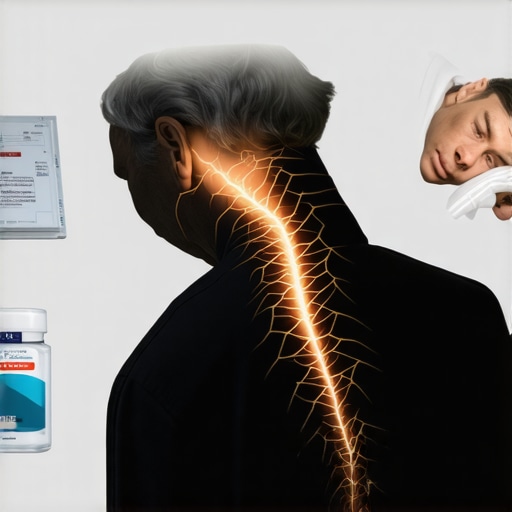
I still remember the moment vividly. I was hunched over my desk, neck stiff as a board, and I thought, “A quick adjustment and I’ll be good as new.” So I went to my chiropractor, got that familiar crack, and felt an immediate release. But guess what? The stiffness returned within days. That lightbulb moment made me realize something crucial: one quick fix isn’t enough to address persistent neck issues.
Here’s what’s really going on beneath the surface
That fleeting moment of relief from a single adjustment might seem like a win. But long-term well-being depends on more than just cracking the neck. It’s about understanding the root causes behind that stiffness—posture habits, mobility limitations, muscle imbalances—and tackling them in a comprehensive way. As a seasoned chiropractor, I’ve seen countless clients who chase that immediate crack without addressing the underlying issues, only to find themselves back in the same rut.
Is relying on a single adjustment actually worth the hype?
Early in my career, I made the mistake of believing that one adjustment would fix all problems. It’s a common misconception. The truth? Our bodies are complex, interconnected systems—one quick fix can’t undo years of poor habits or movement restrictions. Relying solely on adjustments often leaves the root causes untouched, leading to recurring stiffness and discomfort. Want proof? Read about how mobility exercises can complement chiropractic work to enhance posture and mobility.
So, if you’re tired of short-term relief and are ready to make genuine progress, it’s time to look beyond the crack. We’ll explore some effective strategies that address the whole picture—fostering lasting change rather than temporary fixes. Now, let’s dive into why mobility plays such a vital role in correcting long-term neck stiffness and what you can start doing today.
Have you found yourself caught in that cycle of quick fixes? If so, you’re not alone. Keep reading—I’ll show you how to break free and regain control over your neck health.
Mobilize Your Neck Every Day
Consistency is key. Incorporate simple mobility exercises into your daily routine, such as gentle neck circles, side bends, and chin tucks. Start with 5-minute sessions in the morning and evening. For example, I once began my day with slow neck rolls, focusing on easing tension. Initially awkward, but within a week, I noticed a significant reduction in stiffness. These movements lubricate the joints, improve blood flow, and prepare your muscles for better posture and less pain.
Activate Your Deep Neck Muscles
Many people rely solely on stretching, neglecting the deeper stabilizers. Engaging these core muscles stabilizes your cervical spine. A simple technique involves gently pressing the back of your head into your hands without moving your neck, holding for 5 seconds, then relaxing. I first tried this during a break at work—strange at first, but over time, I felt increased control over neck movement. Practice this daily to create a foundation of stability that prevents stiffness from recurring.
Posture Overhaul with Micro-Adjustments
Posture is often overlooked in neck issues. Use ergonomic checks to ensure your workspace promotes proper alignment. Sit with your ears over your shoulders, and avoid slouching forward, which strains neck muscles. I positioned my monitor to eye level and sat back into my chair, reducing forward head posture. This tiny shift decreased neck discomfort significantly. Regularly revisit your setup and make small adjustments—these micro-changes compound to long-term relief.
Incorporate Targeted Mobility Drills
Specific exercises can break through chronic stiffness barriers. For example, thoracic spine mobility drills open up the upper back, alleviating pressure on the neck. I performed the ‘cat-cow’ stretch and shoulder blade squeezes during breaks, noticing improvements after a few sessions. These drills increase the range of motion, reduce muscle imbalances, and support better posture. Discover more targeted moves at this resource.
Link Mobility to Overall Posture
Mobility and posture are intertwined. Enhancing your range of motion directly impacts how your spine aligns during daily movements. For instance, improved shoulder mobility reduces undue stress on the neck. I integrated simple shoulder roll routines, which helped realign my upper body. Regular mobility work acts like a reset button, allowing you to maintain better posture naturally. Check out these strategies for more insights.
Stay Mindful During Daily Activities
Habits form the foundation of lasting change. Practice mindfulness when typing, texting, or driving—remind yourself to keep your head aligned with your spine. I set timers to check my posture every 30 minutes, correcting slouching tendencies. This awareness prevents habits that perpetuate stiffness and pain. Small, consistent corrections build resilience over time, making good posture second nature.
Lean on Professional Guidance When Needed
While self-administered techniques are effective, don’t hesitate to seek professional help for persistent issues. A chiropractor can identify specific restrictions and guide personalized exercises. During my sessions, targeted adjustments complemented my mobility work, resulting in faster improvements. Remember, integrating therapy with daily movement creates a synergistic effect that accelerates healing. Learn more about how chiropractic adjustments can complement mobility at this guide.
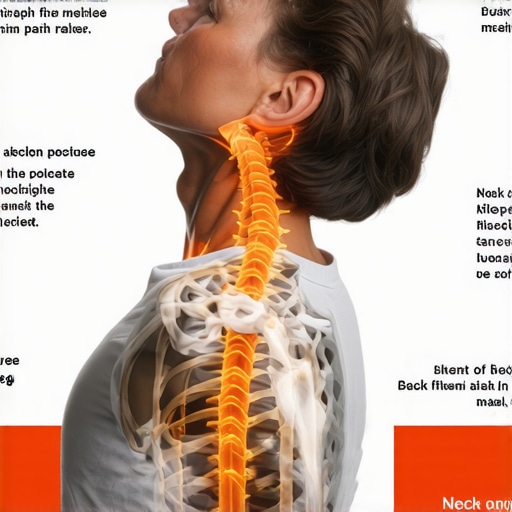
While many believe that chiropractic adjustments are a quick solution for neck pain or stiffness, the reality is far more nuanced. One common myth is that a single adjustment can permanently correct misalignments or restore ideal posture. However, in my experience, this oversimplification overlooks the complex interplay of mobility, muscle strength, and habitual patterns that sustain or reinforce issues. Relying solely on adjustments without addressing these factors is a trap that many fall into, leading to recurrent discomfort.
It’s essential to understand that adjustments serve as a catalyst, not a cure. The true benefit comes from integrating mobility exercises and posture awareness into your routine. For example, focusing on improving thoracic spine mobility or strengthening deep neck stabilizers can dramatically enhance the longevity of your results. This approach aligns with emerging research suggesting that combining chiropractic care with targeted movement strategies accelerates healing and prevents future problems. Learn more about this synergy at this resource.
Are Routine Adjustments Enough or Do You Need More?
Many patients wonder whether frequent adjustments can indefinitely maintain optimal alignment. Advanced understanding reveals that lifestyle factors, such as desk posture, sleep habits, and daily movements, have a more significant impact than adjustments alone. Ignoring these factors is an oversight that can sabotage progress. For instance, neglecting to incorporate mobility drills or ergonomic changes means the body’s tissues revert to their habitual patterns, resisting corrective efforts. Incorporating daily mobility routines, like shoulder rolls or neck stretches, can make a substantial difference. Discover practical tips at this guide.
Another common misconception is that posture correction is purely about holding a certain position. In reality, the body’s tissues adapt over time, and true correction involves dynamic movement. Static postures create stiffness, while movement fosters flexibility and resilience. Therefore, a comprehensive program that combines adjustments, mobility, and posture micro-adjustments creates a resilient foundation. This holistic approach is supported by recent studies emphasizing active interventions over passive fixes.
Beware of the “quick fix” mentality, which often leads to dependency on adjustments alone. Instead, focus on building your body’s capacity through mindful movement and strength exercises. Regularly revisiting your habits and making micro-changes in daily activities can create lasting change. For personalized strategies, consulting with a chiropractor who understands these nuances can fast-track your progress and prevent setbacks. Curious about how this works? Reach out via this contact page.
Remember, true mastery of neck and posture health involves understanding these subtle yet critical factors. Integrate mobility, posture awareness, and strategic adjustments to unlock better long-term outcomes. Have you ever fallen into this trap? Let me know in the comments.

Maintaining optimal neck posture and mobility over time requires more than quick fixes; it demands the right tools and consistent routines. As a seasoned chiropractor, I’ve curated a set of specific equipment and methods that personally help my clients sustain long-term results. First, I highly recommend investing in a quality foam roller designed for targeted muscle release. I use the RumbleRoller because its textured surface effectively breaks down muscle adhesions in the upper back and neck, making mobility exercises more accessible and effective. Pair this with a resistance band like the TheraBand, which I use for gentle stretching and strengthening of deep neck stabilizers, crucial for maintaining postural integrity. Another invaluable device is a cervical traction pillow, such as the TheraPearl Neck Wrap, which provides a gentle, sustained stretch that relieves tension—especially beneficial after long work sessions. In addition to physical tools, I advocate for the use of mobility apps like MobilityWOD—notably, their targeted programs for the neck and thoracic spine. These apps allow for guided routines tailored to your specific needs, ensuring you’re not just doing random stretches but working towards measurable improvements. Moreover, I recommend scheduling regular virtual consultations with a knowledgeable chiropractor who specializes in mobility, enabling personalized adjustments to your routines and tools. Looking ahead, the trend is increasingly favoring integrated device ecosystems that combine biofeedback with movement—think smart wearable sensors that monitor posture in real time and provide instant feedback. Embracing these innovations can magnify your progress and help you stay committed. To kickstart your journey, try incorporating a daily 3-minute deep neck activation drill, as detailed in this resource. The key is consistency—pairing effective tools with mindful routines will keep your neck moving freely for years to come.
The Hardest Lesson I Learned About adjustments,mobility,posture,chiropractic
One of the most profound realizations came when I stopped relying solely on quick adjustments and started integrating mobility and postural awareness into my routine. I discovered that lasting change is rooted in understanding the interconnected systems that sustain neck comfort, rather than seeking instant relief through crack-and-go methods. This shift transformed not only my practice but also my patients’ experiences, emphasizing patience and consistency over shortcuts.
My Essential Toolkit for Maintaining Neck Mobility
Over the years, I’ve come to trust specific tools that support longevity in neck health. The RumbleRoller has been invaluable for releasing muscle adhesions, while resistance bands like TheraBand provide controlled strengthening. Additionally, a cervical traction pillow such as the TheraPearl Neck Wrap offers gentle relief, especially after long periods of desk work. Incorporating guided mobility routines from trusted apps ensures consistent progress and personalized care.
Take Action and Feel the Difference
Your journey to resilient neck health is within reach. By embracing mindful movement, micro-adjustments throughout your day, and leveraging professional guidance when needed, you can break free from the cycle of short-term fixes. Remember, real change happens with steady effort and understanding your body’s natural rhythms. Ready to reclaim your neck comfort? Share your experiences or questions below and let’s support each other’s progress!
,
Comments are closed.