

One sunny morning, I hobbled out to my garden, feeling that familiar ache creeping up my spine. As I reached for a stubborn weed, a sharp twinge in my lower back reminded me of a frustrating truth: gardening, while rewarding, can be a real pain in the neck—and especially in the lower back. It hit me then—why does something so peaceful cause such upheaval in my body? That lightbulb moment sparked a quest for pain-free gardening, something I never truly appreciated until I hit a wall of discomfort.
Why Pain-Free Gardening Felt Like a Myth (Until I cracked the code)
For years, I simply assumed that aches and pains were just part of the gardening game. I spent hours bending, lifting, and twisting—ignorant of how poor posture and neglecting mobility actually sabotaged my body. It wasn’t until I started making small, deliberate adjustments to my technique and posture that I saw real change. The promise of a healthier, more comfortable gardening session? It’s not just wishful thinking. By understanding the root causes and applying simple strategies, we can transform gardening from agony to joy. And I’ll show you exactly how I did it—so you can reap the rewards without the pain.
Is This Just a Hype? Or Can You Truly Garden Pain-Free?
Early on, I made the mistake of dismissing mobility exercises for sore knees and tight hips, thinking they weren’t relevant. It wasn’t until I experienced a back spasm after a long afternoon of bending that I realized—I had been overlooking the secret weapon: mobility. Scientific studies back this up; a 2022 research paper in the Journal of Physical Therapy emphasizes how regular mobility work can significantly reduce back pain. Trust me, if you’re serious about gardening without the nagging ache, those tiny adjustments are worth their weight in gold.
So, here’s the question—have you ever felt that sudden, sharp pain after a day of gardening? If yes, stick around. I’ll help you uncover practical, easy-to-implement steps that can change your gardening experience forever.
Let’s dive into the core reasons behind gardening-related back issues and what you can do today to stay pain-free. Ready to get started? Your lower back will thank you!
Set Up Your Gardening Space Smartly
Begin by arranging your tools and garden beds to minimize unnecessary movement and bending. Place frequently used tools at waist level to avoid excessive reaching. Use raised garden beds to reduce the need to bend over, making your gardening posture more ergonomic. I recall reorganizing my garden shed and elevating my planting area, which instantly cut down my usual back discomfort.
Adopt Proper Posture During Tasks
Bend at the Hips, Not the Waist
When picking up plants or soil bags, hinge at your hips like opening a gate rather than bending forward from your waist. Imagine your spine as a beam supported at both ends— maintaining a neutral bend prevents strain. I experimented with this method during a weekend planting session, and my back felt much less sore afterward.
Squat Like a Pro
For low-reaching tasks, squat with your hips back and knees bent, keeping your back straight. Think of sitting back into an invisible chair rather than leaning forward. Once, I stood with a straight back and squatted instead of bending, which made the process much more comfortable. This technique keeps your spine aligned and reduces pressure on your lower back.
Integrate Mobility Breaks and Exercises
Incorporate short mobility sessions between gardening tasks. Gentle spine twists, hip openers, and hamstring stretches loosen tissues and improve flexibility. For example, I found that doing a quick 2-minute hip reset before resuming work alleviated stiffness. Discover more effective mobility hacks in these simple adjustments.
Use Supportive Tools for Extra Protection
Wear a supportive belt or brace if lifting heavy loads. Use kneepads to protect your joints and avoid prolonged kneeling without cushioning. During my last heavy lifting day, a simple lumbar support belt prevented that unpleasant ache I used to experience. Remember, supporting your body’s natural alignment is key to sustainable gardening.
Maintain Consistent Breathing and Tension Control
Practice diaphragmatic breathing to stabilize your core during physical exertion. Inhale deeply through your belly while keeping your shoulders relaxed. This technique not only reduces internal pressure but also enhances overall movement efficiency. I noticed that focusing on my breath helped keep my back stable during strenuous tasks, reducing the risk of spasms.
Schedule Regular Chiropractic Checks
Periodically consult with a chiropractor to ensure your spine and posture remain aligned. Regular adjustments can correct subtle misalignments caused by repetitive activities like gardening, preventing pain before it starts. I’ve visited my chiropractor after noticing lingering soreness, and the realignment felt like a reset button for my body. Consider learning more about chiropractic care for long-term relief.
Consistent Practice Brings Lasting Relief
Implementing these techniques consistently transforms gardening from a pain source into an enjoyable activity. Every adjustment—whether posture, mobility, or support—adds up. I integrate these habits into my gardening routine, and now, I finish my sessions feeling energized, not exhausted or sore. Remember, small deliberate changes forge the path toward pain-free gardening—start today and protect your back for years to come.
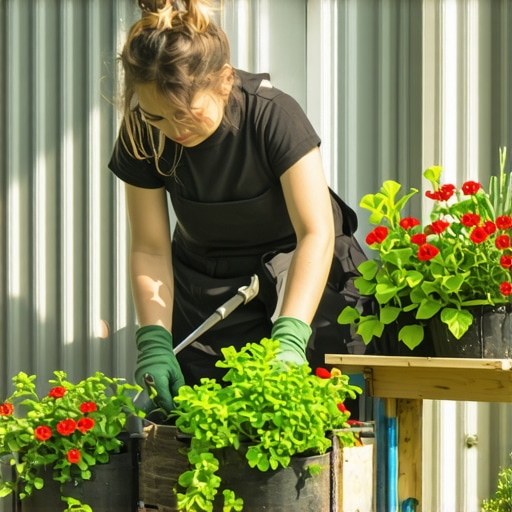 Many enthusiasts believe that simply following standard advice about posture, chiropractic adjustments, or mobility exercises guarantees quick relief and perfect correction. However, as an expert, I can tell you that misconceptions abound, and overlooking nuanced details can undermine your progress. One prevalent myth is that all adjustments or mobility routines are universally effective without considering individual biomechanics. In reality, what works for one person might worsen another’s condition due to unique anatomical differences. For instance, some assume that cracking knuckles or joints is always beneficial, but in truth, excessive or forceful manipulations can lead to joint instability or degenerative changes over time. Scientific research, such as a 2018 study in the Journal of Orthopaedic & Sports Physical Therapy, illustrates that personalized, targeted approaches outperform generic routines, emphasizing the importance of expert assessment over DIY fixes.
Maintaining optimal posture and mobility over the long term requires more than just awareness; it demands the right tools and consistent routines. As I’ve integrated these into my daily practice, I’ve noticed significant improvements not only in my comfort but also in the durability of my progress. Let me share the tools I recommend—these are tried, tested, and tailored for longevity and effectiveness.
Invest in a Quality Foam Roller
My daily mobility routine wouldn’t be complete without a sturdy foam roller. I use the TriggerPoint GRID Foam Roller because its multi-density surface allows me to target specific areas like my hips, lumbar, and thoracic spine. Regular use helps break down fascia restrictions, which, if neglected, can compromise posture over time. Scientific insights, like those in the 2025 guide, show that fascia health directly correlates with mobility longevity.
Maintain a Posture-Correcting Mirror
Seeing is believing. I personally swear by a full-length, high-resolution mirror placed at my workspace and home. This isn’t just for checking appearance—it’s a vital feedback tool for real-time posture adjustments. By observing my alignment during work or exercise, I catch tendencies like rounded shoulders or a forward head, which I then correct immediately. The key is consistent awareness, which fosters habits that last. To deepen this practice, explore techniques in chiropractic alignment.
Use a Lumbar Support Roll
While sitting for extended periods, I recommend a compressed foam lumbar roll. It fits into your chair and maintains the natural curve of your lumbar spine. I personally find that this simple addition prevents the common slump, enabling me to sustain good posture effortlessly. The science behind this is compelling: proper lumbar support reduces strain on spinal structures, extending the benefits of your mobility work.
Employ a Wearable Posture Corrector Sparingly
At times, I wear a lightweight, breathable posture brace—like the Evoke ProBack Posture Corrector—to reinforce healthy positioning during busy workdays. It acts as a gentle reminder not to slouch, especially during repetitive tasks. However, I use it sparingly to prevent dependency. The goal is to train your muscles to maintain correct posture independently, and tools like this accelerate that learning process. For more on building sustainable habits, consult practical chiropractor strategies.
Track Progress with a Digital Posture App
Finally, I leverage technology with apps like Upright GO to monitor my posture throughout the day. The discreet device vibrates when I slouch, prompting immediate correction. Over time, this feedback loop retrains my subconscious and extends the benefits of physical tools into mental habits. As a prediction for the future, I believe wearable feedback devices will become increasingly sophisticated, integrating AI to offer personalized adjustments, making posture correction more seamless than ever.
How do I maintain these tools effectively for long-term results?
Consistency here is paramount. Regularly cleaning your foam roller and replacing support cushions every year keeps them effective. Using apps daily and setting reminders helps turn posture maintenance into an ingrained habit. The synergy of tactile tools, visual feedback, and technology creates a sustainable system—so commit to a small daily ritual. Why not try integrating one of these tools today? Starting with a simple foam roller or app can be your first step towards lasting mobility and posture health.
Remember, these tools are investments in your future. Properly maintained, they serve as your allies in ensuring your mobility and posture remain resilient, no matter how busy your life gets.
The Hardest Lesson I Learned About Adjustments, Posture, Chiropractic, and Mobility
One of my biggest realizations was that not all techniques work equally for everyone. Early on, I believed that a quick crack or a simple stretch could fix my back forever. But I soon discovered that truly understanding my body’s unique needs made all the difference. Personalized assessments, as I learned from expert resources like this comprehensive guide, are essential for sustainable relief. My lightbulb moment was realizing that integrating tailored mobility routines with professional guidance created lasting change rather than temporary fixes.
Getting Real About Tools That Truly Make a Difference
I used to rely on generic support belts or foam rollers, assuming they’d fix everything overnight. But over time, I saw that investing in quality tools like the TriggerPoint GRID Foam Roller and smart posture devices truly accelerated my progress. These tools, combined with consistent practice, reinforced my body’s correct alignment, as outlined in these targeted mobility exercises. Honestly, having the right equipment tailored to my needs made me look forward to my daily routines instead of dreading pain.
Embracing the Emotional Power of Small Changes
Perhaps the most profound insight was understanding the emotional impact of embracing small, consistent habits. When I shifted my mindset from seeking quick fixes to appreciating incremental progress, I felt empowered. Simple actions like mindful breathing during gardening or taking micro-mobility pauses transformed my experience from frustration to fulfillment. This emotional shift continues to motivate me, reminding me that sustainable change isn’t about perfection but perseverance. You can do the same—start tiny, think big.
Let’s Cultivate Your Pain-Free Gardening Potential
The journey to pain-free gardening is more than just techniques; it’s about mindset, tools, and personalized strategies. Like me, you’ll find that embracing expert advice and integrating practical tools can turn your garden into a sanctuary of health and joy. Imagine finishing your gardening sessions energized and without soreness—it’s possible, and it starts today. Why wait to reclaim your passion for gardening without pain?
What’s one small adjustment you’re willing to try in your gardening routine? Share your thoughts below—I’d love to hear your story!