
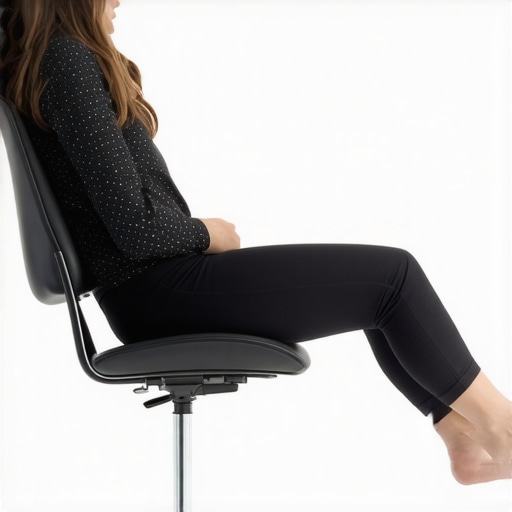
It hit me one day, mid-afternoon, when I realized I’d been sitting at my desk for nearly eight hours without a break, and I was struggling to stand up without wincing. My glutes had gone numb, and the dull ache in my lower back felt like a stubborn guest who refused to leave. That moment was a lightbulb for me—something simple was missing in my daily routine, and I was determined to find a solution that actually worked.
Why Sitting Too Long Wrecks Your Glutes—and How to Fix It
If you’ve ever felt that fiery sting or numbness creeping into your backside after hours at your computer, you’re not alone. It’s a common problem, especially in our world of offices, remote work, and endless screen time. When we sit for prolonged periods, our muscles, particularly the glutes, can become lazy or weaken. Ironically, this inactivity leads to discomfort, poor posture, and even chronic pain.
But here’s the thing—most of us don’t realize how a tiny adjustment or a few minutes of mobility work can make a massive difference in how we sit, stand, and feel day to day. I used to think that stretching was enough, but I was missing a key piece of the puzzle: activating and strengthening those critical muscles that keep us upright and pain-free.
Research supports this approach. Studies show that regular movement breaks and targeted mobility exercises can prevent and alleviate glute pain linked to sitting too long (source). So, if you’re tired of that nagging discomfort, I promise, there are simple, doable steps that can transform your sitting experience—and your overall posture.
Are you tired of feeling stiff and sore after sitting all day? Then stick around, because we’re about to dive into practical, easy-to-implement strategies that will help you reclaim your comfort and mobility.
Will This Fix Really Make a Difference?
Early on, I made the mistake of thinking I could power through the pain without changing my habits. It wasn’t until I learned proper mobility techniques and incorporated them into my daily routine that I started noticing real improvements. Trust me—they’re straightforward and effective. If you’ve ever dismissed mobility exercises as a hippie fad, I get it. But once I saw how much better I felt—more energetic, pain-free, and capable—I was sold.
Start Small with Daily Mobility Routines
In my own experience, dedicating just five minutes each morning transformed how my body responded during the day. I began with simple hip circles—imagine drawing circles with your hips like a hula hoop—each rotation loosening tight muscles and preparing my pelvis for movement. Consistency is key; for example, I set a timer and committed to this routine every day, noticing immediate relief in my lower back discomfort.
Incorporate dynamic stretches such as leg swings and butterfly kicks. Think of these as warming up your engine before a long drive—preparing your muscles to perform without strain. These movements stimulate blood flow, increase joint range, and activate dormant muscles, especially your glutes.
Integrate Targeted Glute Engagement Exercises
Next, I added exercises focused solely on engaging my glutes. One effective move is the bridge—lie on your back, knees bent, feet flat on the floor—then lift your hips as if trying to touch the ceiling. Picture a bridge over a river, supporting your spine and hips. Initially, I found it tricky to connect with my glutes, but by focusing on squeezing the muscles and pausing at the top, I enhanced activation. Performing a set of 15 reps daily made this a staple in my routine.
Another powerful move is the clamshell, lying on your side with knees bent, then lifting the top knee while keeping feet together. Visualize opening a clam shell—this isolates the lateral glutes, helping restore hip stability. I incorporated these exercises into my mornings and noticed a significant reduction in lower back strain after a few weeks.
Use Proper Posture During Daily Activities
Maintaining awareness of your posture is crucial. I started watching my sitting habits, ensuring my hips were level, back straight, and shoulders relaxed. Think of your spine like a stack of coins—each one needs to sit properly for the entire stack to stay balanced. To reinforce this, I set reminders every hour to check my posture and adjust if necessary, which prevented my muscles from becoming dormant again.
When working at your desk, try to sit with your feet flat and knees at 90 degrees. Imagine your pelvis as the foundation of a building—if it tilts, everything above shifts, causing discomfort. Small tweaks, like using a lumbar roll or adjusting your chair height, go a long way. For added benefit, stand up and walk around every 30 minutes, breaking the cycle of prolonged sitting. These micro-movements can be as simple as a quick march in place or stretching your legs in different directions.
Incorporate Functional Movements for Real-Life Benefits
Beyond exercises, integrating mobility into daily chores helps reinforce good habits. For instance, when picking up objects from the ground, engage your hips by hinging forward from the hips—not your waist—like a door opening on hinges. This movement pattern activates your glutes and protects your lower back. I caught myself rounding my back during this activity, so I consciously slowed down and focused on engaging my core and glutes, which resulted in less soreness and more strength over time.
Similarly, emphasize mindful walking—step with purpose, engage your glutes consciously with each stride. Visualize pressing your heels into the ground and squeezing your glutes to propel forward. This not only improves mobility but also retrains muscle memory, making posture correction automatic during daily tasks.
Leverage Expert Resources and Support
For more advanced strategies, consider consulting professionals who specialize in mobility and posture. A quick visit to a chiropractor or physical therapist can provide tailored adjustments and exercises—like the practical chiropractor techniques—that target your unique needs. Remember, integrating these tips into your routine is a process; patience and consistency will lead to lasting change.
 Many people believe that a single chiropractic adjustment is a quick fix that permanently solves posture or mobility issues. However, in my experience working with clients, this perception oversimplifies the complexity of neuromuscular adaptation and the importance of integrating multiple strategies. Adjustments are valuable tools, but they often serve as part of a broader, ongoing process that involves movement re-education, strengthening, and habitual changes. Relying solely on periodic adjustments without addressing underlying movement patterns can lead to incomplete or temporary results.
A prevalent myth is that adjustments alone can correct structural problems like misaligned vertebrae without the need for active participation. This misconception can foster a passive mindset, where individuals expect quick fixes rather than engaging in proactive lifestyle changes. Studies indicate that mobility exercises and targeted strengthening are critical components in reinforcing the benefits of adjustments and ensuring long-term improvements (source). Therefore, combining chiropractic care with consistent mobility work is essential for sustainable progress.
Another nuance many overlook is the importance of nuanced posture modifications that go beyond mere ‘sit up straight.’ Tiny adjustments—such as optimizing hip hinge mechanics during daily activities or adjusting the angle of your computer screen—can dramatically influence muscle activation patterns and joint health. This level of detail is often missed in casual routines but plays a significant role in preventing chronic issues. For example, a slight elevation of the monitor can reduce neck strain, preventing compensatory postures that undermine previous corrective efforts.
Bear in mind, the overuse of passive treatments without integrating active movement strategies can lead to reliance on adjustments or braces, which may weaken the body’s natural stabilizers over time. As I emphasize in my detailed guide to mobility and posture, a comprehensive approach that emphasizes proprioception, muscle balance, and movement habits provides more durable solutions than adjustments alone (read more here).
A critical, often overlooked pitfall is the temptation to seek ‘quick fixes’ for pain relief without addressing mid- or long-term movement patterns. This approach risks creating a cycle where pain temporarily subsides, only to recur due to unresolved movement dysfunctions. Think of adjustments as resetting a system, but not fixing the underlying software that caused the issue.
**How do advanced practitioners approach adjustments differently?** They incorporate detailed assessments that go beyond the spine, evaluating entire kinetic chains—hip, knee, ankle, and even foot mechanics—that influence posture and stability. For example, addressing a pelvic tilt might involve examining foot arch support or ankle mobility, which standard adjustments may not cover. This holistic view aligns with the findings of experts who stress comprehensive movement optimization as paramount for lasting change (explore the full strategy).
In conclusion, the key nuance is recognizing that adjustments are a valuable component—not the whole—of a multifaceted approach to posture and mobility. If you’re curious to deepen your understanding and avoid common pitfalls, I recommend reviewing strategies from expert mobility and chiropractic practitioners. These insights underscore that sustainable improvement stems from consistent, active engagement in movement and posture habits.
Have you ever fallen into this trap? Let me know in the comments.Maintaining your improved posture and mobility over the long term requires the right tools and routines. One of my favorite pieces of equipment is a **foam roller**, which I use daily to release muscle tightness and increase my tissue flexibility. It helps break down adhesions in muscles like the hip flexors and calves, supporting ongoing mobility and reducing risk of injury. Personally, I prefer a dense, textured foam roller because it offers deeper trigger point release and lasts longer than softer alternatives. Regular self-myofascial release with a foam roller keeps my muscles responsive and prevents regressions, especially after intense workouts or long periods of sitting.
Another essential tool is a **resistance band set**. I use these for targeted strengthening exercises, especially for activating my glutes and core. Resistance bands allow me to perform low-impact, high-reward exercises designed to reinforce good posture habits. I find that incorporating banded side steps and clamshells into my routine helps maintain hip stability, which is key for overall alignment. The portability and affordability of resistance bands make them invaluable for consistent maintenance, whether at home or traveling.
On the software side, I highly recommend using posture tracking apps like **Upright GO**. This small device attaches to your upper back and gently vibrates when you slouch, reminding you to correct your posture throughout the day. I’ve used it consistently for months, and it has significantly improved my awareness—making good posture second nature. Technology like this is becoming increasingly sophisticated, and future iterations may incorporate AI to suggest personalized mobility routines based on real-time data, simplifying long-term adherence.
For those interested in more comprehensive care, visiting a practitioner for periodic chiropractic assessments can pinpoint subtle misalignments that might not be obvious. These evaluations often include functional movement screening, which identifies compensations and weaknesses early. Integrating manual adjustments with your self-care tools ensures your body remains aligned and resilient.
To keep everything working smoothly, schedule regular check-ins—whether with a professional or during your self-maintenance routine. Consistency is vital, and integrating these tools seamlessly into your day ensures that your progress endures. Remember, the future of mobility and posture care points toward smarter, personalized tools that adapt to your changing needs—so stay open to tech innovations that help you stay on top of your health.
How do I keep my progress stable in the long run?
One effective way is to adopt habits that reinforce what you’ve learned, like daily mobility drills and periodic reassessments. For example, incorporating a quick, targeted session using a foam roller and resistance band at the end of your workday can reset tension and reinforce muscle balance. Additionally, maintaining a habit of brief posture checks using apps like Upright GO per hour can keep your awareness sharp and prevent slumps. As expert studies confirm, consistent micro-movements and proactive adjustments are key to long-term success (see how daily adjustments boost your posture). Try dedicating just five minutes daily to these practices, and watch how your resilience builds over time, supporting sustainable mobility and pain-free living.
The Lessons That Changed My Approach to Movement and Posture
One of the most eye-opening lessons I discovered was that quick fixes rarely lead to lasting change. It took me years of trial and error, but I finally realized that consistency in daily mobility routines is key. Small, deliberate movements every day accumulate into significant improvements over time.
I also learned that understanding my body’s signals prevented many issues before they became chronic. Listening to subtle discomforts during exercises taught me to adjust my approach immediately, avoiding injury and promoting healthier habits.
Another insight was that integrating mobility work into everyday activities—like hinging properly when lifting or maintaining awareness during desk work—creates a true foundation for sustainable posture correction. These habitual cues are more effective than sporadic stretching sessions.
Finally, I understood that seeking expert guidance and tailored assessments accelerates progress. A personalized plan, combined with reliable resources, drastically reduces the time it takes to achieve and maintain better mobility and posture.