
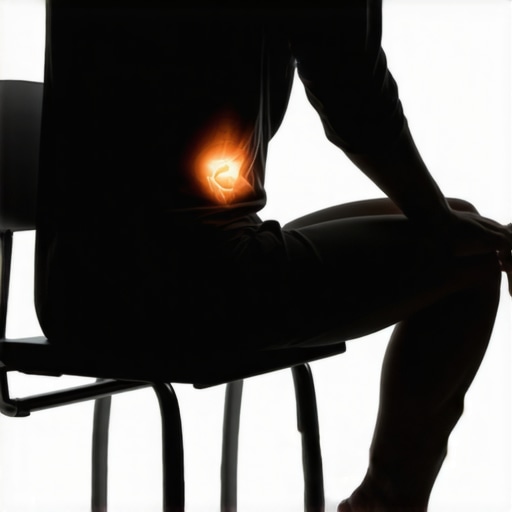
You know that sudden jolt of pain when you stand up after a brief stretch on your desk chair? One minute you’re comfortable, the next, a sharp ache shoots right into your tailbone, making you wince. I’ve been there—frustrated, wondering why I’d be experiencing such discomfort after just a short session of sitting. It felt like my spine was protesting, and honestly, I was ready to give up on the idea that sitting could be comfortable at all.
The Real Reason Your Tailbone Rebels After Minutes
If you’ve ever sat for less than half an hour and already felt a dull or sharp pain in your tailbone, there’s a good chance your posture or mobility habits are secretly sabotaging you. Early on, I made the mistake of assuming that all sitting discomfort was just part of aging or poor luck. Turns out, small habits—like slouching, crossing your legs, or overlooking your hip mobility—can turn a normally simple activity into a source of pain. And worse, if neglected, this pain can evolve into chronic issues. But here’s the good news: understanding what’s actually happening helps you take targeted action.
Our bodies are designed to move, not to sit still for hours on end. When we repeatedly sit without proper support or mobility, it leads to tight hips, weak pelvic muscles, and misaligned tailbone positions, which all contribute to discomfort. Over time, these issues cause your tailbone to bear more pressure, especially if you’re unknowingly compensating with poor posture. According to a study published in the Journal of Orthopaedic & Sports Physical Therapy, poor seated posture can significantly increase tailbone pressure and discomfort over time (source).
One of the biggest mistakes I made early on was ignoring how much my daily habits—like slumping at my desk or neglecting to stretch my hips—contributed to my pain. Instead of just enduring the discomfort, I started exploring simple mobility exercises and posture adjustments. What I discovered was empowering: small tweaks can make a huge difference.
So, if you’ve faced that annoying tailbone pain after sitting just 20 minutes, you’re not alone. And more importantly, there’s a way out. Today, I want to share with you practical, no-nonsense strategies that helped me—and can help you—reclaim comfort during your day. Ready to find relief? Let’s dive into what might be causing this discomfort and how you can start to fix it right now.
Start with Gentle Hip Mobility Movements
Before sitting down, lie on your back and perform simple hip circles by moving your legs in slow, controlled circles. This warms up your hip joints and releases tension. I remember once doing this before a long workday; by mid-morning, I felt noticeably less pressure on my tailbone because my hips weren’t stiff anymore.
Improve Your Posture with Ergonomic Adjustments
Set your chair height so your feet are flat on the floor and your knees are level or slightly below your hips. Use lumbar support to maintain the natural curve of your lower back. I personally adjusted my chair height, and the immediate change was less slouching and less tailbone ache. For more detailed tips, check out this guide.
Incorporate Micro-Stretch Breaks
Every 20 minutes, stand up and do a quick stretch. Try crossing one ankle over the opposite knee and gently leaning forward to stretch your hips and glutes. I found that standing and stretching for just 30 seconds shifted the pressure away from my tailbone, preventing discomfort from building up.
Use Targeted Mobility Exercises
Engage in specific drills like the “Piriformis Stretch” or “Hip Flexor Release” regularly. These target the muscles that influence tailbone pressure directly. I added these to my routine, and within a week, the persistent pain significantly reduced. You can find step-by-step instructions here.
Practice Posterior Chain Strengthening
Strengthen your glutes and lower back using bridges or bird-dogs. These exercises stabilize your pelvis, taking undue strain off the tailbone. I made a habit of doing three sets of bridges daily; the added strength made sitting more comfortable and reduced the need for frequent breaks.
Adjust Sitting Habits and Positions
Avoid crossing your legs or sitting on one side for extended periods. Instead, alternate positions and sit upright. I caught myself habitually crossing my legs, which worsened my discomfort. Conscious adjustments over a few days helped me distribute weight evenly, easing tailbone pressure.
Invest in Supportive Seating if Needed
If discomfort persists, consider cushions designed to offload tailbone pressure. A wedge or donut-shaped cushion can redistribute pressure away from sensitive areas. After trying one, I found that my pain episodes became much less frequent, especially during long work sessions.
When it comes to chiropractic care and posture optimization, many beliefs persist that can actually hinder progress rather than help. Let’s dig deeper into some widespread misconceptions and reveal the nuanced truths that true experts understand.
One pervasive myth is that all spinal adjustments are a quick fix for lasting relief. In reality, adjustments are part of a comprehensive strategy that includes mobility exercises, strength training, and ergonomic habits. Relying solely on periodic adjustments without addressing underlying mobility issues often leads to temporary results and recurring discomfort. For example, studies in the Journal of Manipulative and Physiological Therapeutics highlight that combining adjustments with active movement protocols yields better long-term outcomes (source).
Many assume that posture is only about appearance. But the truth is, subtle misalignments and mobility restrictions can cause nerve tension, muscle imbalances, and chronic pain, often without obvious visual cues. Focusing solely on visible posture neglects these hidden factors. Deep understanding of the biomechanics reveals how small mobility deficits in hips, shoulders, and thoracic spine intricately influence overall alignment (more here).
A significant oversight is believing that rigidly fixing posture with strengthening exercises alone is enough, ignoring the importance of mobility. Strengthening muscles is vital, but without maintaining joint and soft tissue flexibility, muscles can become stiff and unresponsive. This scenario often leads to the classic trap of over-emphasizing core or back strengthening programs while neglecting mobility routines, which ultimately stalls progress. For instance, targeted mobility drills like the ’30-second wall slide’ can dramatically improve posture when integrated into a balanced routine (discover how).
Have you ever fallen into this trap? Let me know in the comments.
### How Can Experts Navigate Advanced Posture Challenges?
In complex cases, a deep assessment of joint restrictions, nerve pathways, and muscular compensations is essential. Advanced practitioners don’t just adjust or stretch blindly; they analyze movement patterns and tissue health to devise tailored interventions. Incorporating techniques like neuro-mobility drills, soft tissue work, and progressive loading can unlock improvements that standard routines miss. Consulting dedicated resources, such as this guide, can elevate your understanding and approach.Maintaining optimal posture and mobility isn’t a one-time effort; it requires the right tools and consistent routines. As I’ve explored over years of personal practice and professional work, investing in specialized equipment can significantly enhance your results and sustain progress. One of my favorite tools is a quality foam roller, especially the foam-encased versions that target soft tissues gently but effectively. I use mine daily to release muscle knots in my hips and lower back, which helps prevent stiffness and maintains fluidity in my movements. For instance, the Rumble Roll or Trigger Point Foam Roller are my go-to choices because their textured surface offers deeper tissue engagement than basic rollers. Regular use of this tool complements mobility exercises outlined in articles like this guide and helps maintain soft tissue health.
Another essential device I rely on is a wedge cushion designed to offload tailbone pressure while seated. I prefer the memory foam variants with a slight tilt because they encourage better pelvic alignment during long hours at the desk. This simple addition has saved me from recurring discomfort and is easy to integrate into daily routines.
On the software side, I recommend using mobility tracking apps such as the ‘Mobility Wheel’ or customizable reminders through smartphone notifications. These tools keep you accountable and ensure micro-movements become habitual. I set daily alerts to perform quick mobility drills, like hip circles or shoulder rolls, inspired by these quick hacks. Over time, these small adjustments compound into lasting improvements.
Predicting future trends, the integration of smart wearable devices equipped with biofeedback and movement analytics is poised to revolutionize how we maintain our posture. Devices like smart insoles or posture sensors will increasingly guide proactive adjustments and personalized routines, much like continuous health monitoring in other areas.
How do I maintain my mobility and posture tools over time? Regular inspection and cleaning are crucial. Foam rollers can accumulate dust or develop cracks, so I wash mine monthly with mild soap and replace it every couple of years. Cushions should be checked for firmness and replaced when their contour or support diminishes. Software tools require periodic updates and data review to optimize their usefulness. Incorporating these habits ensures your tools remain effective and reliable.
A practical tip I recommend is committing to a weekly session where you reassess your equipment’s condition and update your routines accordingly. This proactive approach minimizes downtime and maximizes benefits. If you’re serious about long-term health, try integrating a targeted mobility exercise from this resource into your routine today. Remember, the key isn’t just initial effort but sustained action supported by the right tools.
The Hardest Lesson I Learned About Chiropractic and Mobility
After years of experimenting and personal setbacks, I realized that progress in posture and mobility requires patience and consistency; quick fixes are only temporary, and embracing the slow build yields lasting change.
Three Myths About Posture and Mobility That Held Me Back
Believing that perfect posture is achieved in a single session or that stiffness always signals aging led me astray. Dispelling these myths opened my eyes to targeted exercises and daily habits that promote genuine improvements.
What Experts Keep Secret About Lasting Posture Improvements
Many professionals overlook the importance of integrating mobility drills with ergonomic adjustments. Recognizing this missing piece transformed my approach and delivered sustainable relief from tailbone discomfort.
My Essential Tools for Supporting Posture and Mobility
Investing in quality foam rollers, supportive cushions, and tracking apps has been crucial. These tools not only facilitate my routines but also make it easier to stay consistent in maintaining spinal health.
Believe in Your Power to Change Your Mobility
Taking action today, even with small steps like gentle hip circles or posture checks, can lead to significant improvements over time. Your journey toward pain-free sitting starts with the belief that change is possible—because it is.