
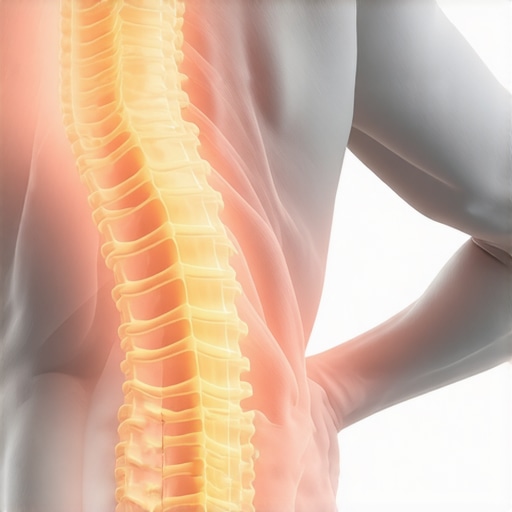
Ever had that moment where you’re just standing in the kitchen, reaching for a mug, and suddenly, a sharp twinge shoots through your lower back? That unsettling spasm catches you off guard, leaving you wondering what on earth just happened. I remember a time when I was in the middle of a busy day, lifting some grocery bags, and a sudden jolt made me freeze in place. It was a lightbulb moment that made me realize how little I truly understood about what causes these pesky spasms—until I started digging into the root causes and my own habits.
Why Do Lower Back Spasms Happen Without Warning?
Lower back spasms often feel like they come out of nowhere, but there’s usually a story behind the sudden jolt. It could be a combination of poor posture, muscular imbalances, or hidden tension that gradually builds up over time. Sometimes, we neglect simple daily adjustments that could prevent these episodes entirely. In my journey, I discovered that many people, including myself early on, make critical mistakes—like ignoring subtle postural cues or thinking that stretching alone can fix everything.
Is It Really Just a Nerdy Posture Problem?
Many skeptics think back spasms are just the price we pay for sitting too long or bad ergonomics. While posture does play a crucial role, I used to believe that all I needed was a good chiropractor visit or an intense stretch session to fix things. The truth? That was a mistake I made early on—assuming quick fixes were enough. Instead, I learned that long-term mobility improvements and targeted adjustments create lasting relief. If you’ve been skeptical about the real causes, trust me, there’s more beneath the surface—like how minor daily habits compound over time. For practical strategies, I recommend checking out mobility boosts for posture expert tips and understanding the profound impact of consistent movements.
So, if you’ve experienced those sudden spasms that throw your day into chaos, you’re not alone—and there’s a path to understanding and prevention. Let’s explore what truly causes these episodes and how you can regain control over your lower back health.
Assess and Correct Posture Daily
Start by evaluating how you sit and stand throughout the day. Imagine your spine as a supported tower; when your posture slumps or leans, it’s like a tower with crumbling foundations. I once noticed my laptop setup was prompting me to hunch forward; so, I adjusted my monitor to eye level and used a lumbar roll in my chair. That small change immediately reduced tension. For ongoing improvement, I followed mobility tips for daily adjustments to learn simple yet impactful habits.
Implement Targeted Mobility Routines
Mobility exercises are like lubricating a rusty hinge—without them, movement gets stiff and painful. I dedicated five minutes each morning to a routine that involved hip circles and thoracic rotations. These exercises helped me loosen tight joints that contributed to my back pain. Use targeted mobility exercises to identify and free up restricted areas, reducing spasms triggered by sudden movements.
Practice Safe Lifting Habits
Think of lifting as a controlled dance: moving smoothly preserves your back health. When I helped a friend move furniture, I remembered to bend at my hips and knees, keeping my back straight—like a strong beam supporting a building. I avoided twisting my spine and engaged my core for stability. These habits significantly lowered my risk of sudden spasms. To refine your technique, review chiropractic adjustments that boost mobility and posture.
Schedule Regular Chiropractic Checks
Think of chiropractic visits as tune-ups for your car—they ensure everything runs smoothly. A quick session every few months helped me identify subtle misalignments that could lead to spasms. During adjustments, I experienced immediate relief, which motivated me to stick with regular visits. For expert help, explore chiropractic techniques for posture enhancement.
Stay Consistent and Observe Results
Consistency is key—like brushing your teeth. I kept up with my routines and tracked any changes in my back health. Over time, I noticed fewer spasms and better overall mobility. Maintaining this discipline involves small daily choices, each reinforcing your back’s resilience and reducing the frequency of those sudden episodes.
Combine Movements with Ergonomic Adjustments
Pairing mobility practices with ergonomic modifications creates a synergy—your back becomes more adaptable and supported. Think of it as upgrading both the framework and the interior decor of a house simultaneously. Simple adjustments, like changing your chair height or using supportive cushions, complemented my mobility routines effectively. For more insights on ergonomic support, visit ergonomic adjustments for back health.
Listen to Your Body and Respond Promptly
Pay attention to early warning signs—tightness, soreness, or stiffness—and act before pain escalates. When I first felt a subtle pull in my lower back during a workout, I paused and applied gentle stretches. That proactive step prevented a full-blown spasm later that day. Developing this awareness helps you intervene early, avoiding sudden painful episodes and fostering long-term resilience.
 Many people assume that maintaining good posture is simply about sitting up straight or avoiding slouching, but the truth runs much deeper. A widespread myth is that posture correction is mostly about static positioning, when in reality, dynamic movement and tissue flexibility play crucial roles. For instance, static postures can be improved temporarily with alignments, but unless mobility and neuromuscular control are addressed, these corrections often don’t last.
One common misconception is that chiropractic adjustments are a quick fix, like tightening a loose screw, and then you’re all set. But evidence shows that relying solely on adjustments without integrating mobility exercises and ergonomic tweaks can lead to a cycle of temporary relief followed by recurrence. A study published in the Journal of Manipulative and Physiological Therapeutics highlights that combined approaches yield better long-term improvements [1].
The sneaky trap many fall into is thinking that discomfort always stems from misalignment that needs cracking, when sometimes, soft tissue restrictions or muscular imbalances are the real culprits. This oversimplification can lead to unnecessary or even harmful interventions. Expert guidance in mobilization techniques can address these nuanced issues more effectively.
In my experience, something overlooked is the role of habitual movement patterns—like how you bend, lift, or sit—that develop over years. These habits can subtly rewire your muscular and joint behavior, leading to postural imbalances that no adjustment can permanently fix without concurrent functional training. Regularly updating these habits through scalable mobility routines can prevent the destructive cycle of repeated misalignments.
For those seeking to go beyond surface-level fixes, exploring resources that focus on the synergy between mobility and posture is vital. Consider checking out mobility hacks for a more active life or targeted mobility exercises to enhance your understanding and practice.
Finally, beware of the trap of neglecting muscle activation. Weak or inactive muscles often mirror mobility issues, creating a feedback loop that worsens posture and pain. Incorporating strength and stability routines ensures that mobility gains are supported by a resilient muscular foundation.
Have you ever fallen into this trap? Let me know in the comments. Remember, the path to pain-free living involves recognizing these nuanced truths and applying holistic strategies that address both structure and function.
Maintaining your posture and mobility isn’t a one-and-done effort; it requires the right tools and consistent practice. Over the years, I’ve refined my collection of equipment and methods that deliver reliable, long-term results. Investing in these specific tools has empowered me to stay aligned and reduce the frequency of spasms significantly.
Choosing the Right Mobility Aids
One device I swear by is a high-quality foam roller with medium firmness. It helps release myofascial tightness in my hips and thoracic spine, which are common culprits behind lower back spasms. I prefer a textured surface for deeper tissue work, but I recommend selecting one that’s comfortable for your baseline tissue sensitivity. Additionally, a set of resistance bands for mobility drills allows me to target restricted joints and muscles with controlled, progressive tension—key for sustainable improvements.
I’m also a fan of the thera-band for assisted stretching and activation exercises. It’s portable, affordable, and incredibly effective at helping me maintain my shoulder and hip mobility daily.
Leveraging Technology for Better Outcomes
Technology has become a game-changer. I use mobility and posture tracking apps, such as these advanced apps, to monitor my movement patterns and identify areas that need attention. These apps utilize sensors or camera analysis to provide real-time feedback, which reinforces proper technique and prevents bad habits from creeping back.
One game-changing tip is to set daily reminders for mobility routines. Consistency is critical, and technology helps embed those habits into your day. Plus, some apps now include guided routines that adapt based on your progress, making long-term maintenance easier and more engaging.
How do I keep my improvements over time?
Long-term success hinges on a strategic maintenance plan. I schedule brief check-ins with a qualified chiropractor for monthly adjustments, ensuring early correction of misalignments before they cause pain. Complementing this, I use targeted mobility routines daily, adjusting them as my body adapts, to prevent regressions. Regularly revisiting cornerstone content like mobility tips for daily adjustments keeps me informed and motivated.
As the field advances, I predict an increased integration of AI-driven assessments and personalized routines, making self-maintenance smarter and more efficient. Incorporating these tools now puts you ahead of the curve, ensuring your posture and mobility stay optimized for years to come.
If you want to truly elevate your practice, start with one advanced tip: incorporate controlled isometric holds into your mobility routines. These improve muscular endurance and joint stability, providing a firmer foundation for all other movements. Give it a try today, and watch your resilience grow!

Optimized foam roller and resistance bands for sustained mobility work.
What I Wish I Knew About Posture and Mobility That Changed Everything
- One of the hardest lessons I learned was that instant fixes—like quick adjustments or fleeting stretches—only provide temporary relief. True progress demands understanding the deeper habits that create ongoing tension.
- I realized that not addressing muscle activation and movement patterns is like trying to fix a leaky pipe by patching the surface—it might look better temporarily, but the problem persists underneath.
- Practicing patience and consistency in mobility routines, even when immediate results aren’t obvious, ultimately built the foundation for lasting back health and fewer spasms.
- Trusting in a holistic approach—combining posture awareness, mobility drills, ergonomic tweaks, and regular chiropractic checks—made the biggest difference in my journey toward pain-free living.
- Remember, your body’s story is unique. Paying attention to subtle cues and responding proactively can prevent sudden back episodes, turning pain management into lasting prevention.
My Go-To Resources for a Stronger Back
- Mobility Boosts for Posture Expert Tips: This resource offers actionable daily habits that keep my spine supported and flexible, preventing injury before it starts.
- Revolutionize Your Posture with Targeted Mobility Exercises: Tailored routines here have been instrumental in addressing stubborn stiff spots that contribute to spasms.
- Chiropractic Techniques for Posture Enhancement: Regular check-ins guided me in maintaining proper alignment and understanding the role of soft tissue health.
- The Ultimate Guide to Improving Mobility and Posture in 2025: Staying ahead means embracing new tools and insights, like AI-driven assessments that personalize my movement practice.
Your Next Step Toward Control and Confidence
Never underestimate the power of comprehending your body’s intricate signals. Small, consistent actions—rooted in understanding, not just quick fixes—are the key to resilience and pain-free days. Take charge, invest in your mobility, and enjoy a future where sudden spasms are no longer a surprise but a thing of the past.
What small habit will you implement today to support your lower back health? Share your plan below—I’d love to hear how you’re taking control of your journey toward better posture and mobility.