

I’ll never forget the moment I realized my glutes weren’t firing during my runs. I was feeling frustrated, thinking I was just out of shape or maybe doing something wrong. But as I started digging deeper, it became clear that it’s a surprisingly common issue that even experienced athletes overlook. That lightbulb moment hit me hard: I wasn’t alone in this struggle, and there are straightforward ways to reignite those sleepy muscles.
Unlock Your Stride: Why Your Glutes Hang Back During Running
Many runners, myself included at first, believe that just lacing up and pounding the pavement is enough. But the reality is more complex. When the glute muscles don’t activate properly, it tricks your body into compensating — often overloading other parts like the lower back or hamstrings, which can lead to pain, fatigue, or even injury. I used to think my hip pain was just part of running, but it was really my glutes not doing their job.
It’s a common misconception that you need to strengthen your legs or improve stamina — but sometimes, the issue is neurological. Your brain isn’t sending the right signals to your glutes. Early on, I made the mistake (like many) of ignoring mobility and posture, thinking more reps in the gym would do the trick. But then I discovered that the root cause often lies in how we move and activate muscles at the subconscious level. According to a study in the Journal of Applied Physiology, proper muscle activation is crucial for efficient movement and injury prevention.
If you’re nodding along, wondering if this sounds familiar, you’re not alone. Have you ever finished a run thinking, “Why do I feel so disconnected from my own body?” or experienced persistent tightness or weakness despite training? If yes, then keep reading. We’re about to explore practical steps to get those glutes firing again, so your runs can be smoother, stronger, and pain-free.
Is Glute Activation Really a Myth or Just Hype?
Early in my journey, I thought the idea of “activating” muscles was just another fitness buzzword. I trained harder, added more exercises, but still felt like I was missing something. It took a bit of trial and error (and some advice from experts) to realize that the issue was more about reconnecting with my muscles than just working them harder. If you’ve fallen into the trap of doing countless glute bridges or hip thrusters without seeing real change, you’ll want to learn about the overlooked causes of poor activation and how simple adjustments can make a world of difference.
To truly understand and address this issue, it’s essential to look beyond traditional strength routines and incorporate mobility and posture strategies. Want to know the secrets that helped me unlock my glutes and improve my running? I’ll share those in the upcoming sections. But first, let’s talk about the common mistakes that keep your muscles asleep and how to avoid them.
Ready to take control? Let’s dive into practical tips that will turn this frustrating problem around and get your body moving the way it’s meant to.
Start with Body Awareness and Mobility
Before jumping into exercises, it’s essential to tune into your body and identify where the disconnect lies. Stand in front of a mirror and perform slow, deliberate pelvic tilts, focusing on feeling the engagement in your glutes. If this feels muted or unresponsive, mobility may be a factor. Incorporate daily mobility drills like hip circles and leg swings to loosen stiff joints, making activation easier and more natural. For a detailed guide on mobility hacks, visit this resource. 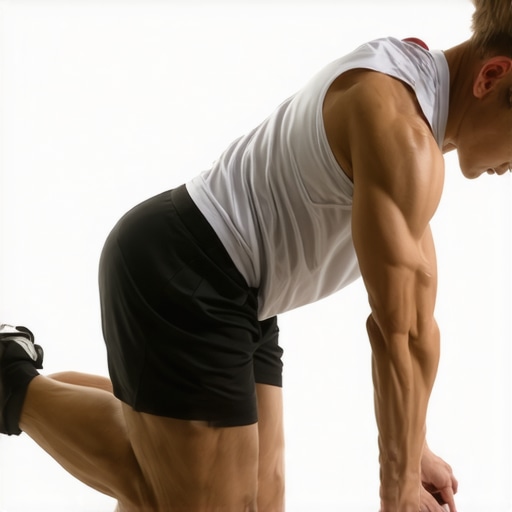
Tip: Think of your hips as hinges — they need to be well-lubricated to move smoothly and activate fully.
Improve Posture and Neurological Connection
Proper posture establishes a foundation for muscle activation. Check if your shoulders are rolled forward or if your pelvis is tilted, which can inhibit glute engagement. A quick trick is to lie down and place a small ball or block under your sacrum, then gently press into it to feel your glutes activate. Regularly practice sitting and standing with aligned posture, keeping your chest lifted and hips neutral. According to chiropractic insights, neurological pathways play a big role in muscle firing. Visiting a professional for a quick posture-enhancing chiropractic adjustment can reset these signals and facilitate better muscle recruitment.
Tip: Practice mindful movement—pause and actively contract your glutes during daily activities like walking or climbing stairs.
Activate Muscles with Specific Drills
Once mobility and posture improve, targeted exercises will strengthen the connection. During my own journey, I started with simple glute bridges on a yoga mat. I laid on my back, knees bent at 90 degrees, feet flat, and pressed through my heels to lift my hips. Initially, I struggled to feel my glutes, but by consciously squeezing them at the top, I began to notice the muscle firing. Over time, I increased the reps and added resistance bands around my thighs for external cueing. For more advanced guidance, check out this mobility-focused program.
Incorporate Dynamic Movement Patterns
Activation isn’t just static. Incorporate movements that mimic running biomechanics, like walking lunges, step-ups, and hill sprints, to reinforce muscle firing in a functional way. During a particularly messy workout, I combined walking lunges with brief pauses at each step, consciously squeezing my glutes. The result was more stability and less fatigue during my runs. Remember, consistency is key—integrate these into your daily routine or warm-up to see tangible improvements over weeks.
By combining mobility work, neurological focus, targeted drills, and dynamic exercises, you’ll reawaken sleeping glutes and boost your running efficiency. Keep patient and persistent, and your body will thank you with smoother, stronger strides.
Many people believe that chiropractic adjustments, mobility routines, and good posture are simple fixes—quick, one-and-done solutions to pain and misalignment. But in my experience working with clients and studying the science, there’s a lot more nuance beneath the surface that most overlook. Understanding these subtleties can make all the difference between temporary relief and long-term transformation.
One common myth is that adjustments are a quick healing fix when, in reality, they’re part of a broader process involving neuromuscular re-education and lifestyle habits. For example, some think that a single chiropractic session will permanently correct posture issues, but studies suggest consistency and complementary mobility work are key to sustained benefits (source). Thinking adjustments alone will solve complex postural problems sets many up for frustration.
An often-overlooked trap is the belief that mobility exercises should always be gentle stretches. While softness has its place, more dynamic, controlled movements often activate neural pathways more effectively, especially in chronic cases of poor posture. For instance, incorporating mobility drills that challenge stability and coordination can rewire habitual patterns, making correction more resilient (see how).
But here’s a question for the advanced reader: can excessive adjustment or mobility work backfire by destabilizing already compromised tissues?
The answer is yes. Overdoing adjustments or aggressive mobilizations without addressing underlying muscle imbalances or neurological factors can lead to instability, pain, or even new misalignments. That’s why a comprehensive approach—integrating chiropractic techniques, mobility drills, and postural awareness—is essential. Professional guidance ensures that each component is tailored to your unique needs, reducing the risk of Maintaining your progress in mobility, posture, and chiropractic health requires not only consistent effort but also the right tools to support your journey. Over time, investing in quality equipment and understanding the most effective methods can significantly enhance your results. One essential tool I personally rely on is a foam roller. It’s versatile, affordable, and invaluable for releasing tight muscles, improving blood flow, and preparing your body for mobility drills. I prefer medium-density foam rollers because they strike a balance between firmness and comfort, providing effective trigger point release without risking tissue damage. For targeted relief, I often use a massage stick, which allows me to precisely target smaller muscle groups that tend to hold tension, such as the calves or forearms. These tools are simple but powerful for integrating mobility work into daily routines.
Another game-changer for me has been smart mobility apps. I use a program that guides me through customized routines, tracking progress and adjusting exercises based on my feedback. This personalized approach ensures that I stay on track, preventing plateaus and encouraging continuous improvement. Apps like this are predicted to become even more sophisticated, leveraging AI to tailor routines dynamically as your body adapts. In the future, data-driven tools could automatically detect subtle postural imbalances through smart sensors and suggest immediate adjustments, making self-care more precise and accessible.
For those interested in maintaining long-term results, integrating a massage gun into your routine can be highly effective. I use mine post-workout to reduce soreness and stimulate circulation. When choosing a massage gun, look for adjustable speed settings and interchangeable heads to target different muscle groups effectively. Additionally, investing in a quality lumbar support cushion can help maintain good posture during prolonged sitting, especially if you work at a desk.
But how do you keep these tools working optimally over time? Regular cleaning and proper storage are crucial. For example, foam rollers should be rinsed periodically to prevent bacteria buildup. Also, incorporating these tools consistently—say, during your morning routine or post-exercise—is vital to sustain improvements. Scheduling weekly check-ins with a chiropractor or mobility specialist can help fine-tune your techniques and ensure you’re progressing correctly.
Looking ahead, technology will likely make maintaining mobility routine even easier. Wearable sensors that monitor posture in real-time are already emerging, providing instant feedback and alerts to correct alignment. As these become more sophisticated, you might never need to guess whether you’re sitting or standing correctly. Staying informed about these innovations and integrating them into your lifestyle will keep you ahead of the curve.
In the meantime, I encourage you to try incorporating a foam rolling session before your next workout or a mobility app guide into your daily routine. Consistency is key—small daily actions compound into long-lasting results. Remember, your body thrives on movement and proper support, so invest in the tools that can help sustain your progress and adapt as you evolve.
Over my years as a fitness enthusiast and practitioner, I’ve realized that the journey to better running starts beneath the surface—literally, with your glute muscles. Recognizing that I was unknowingly neglecting this critical muscle group transformed my approach and results. The key lesson? Consistent, intentional activation routines are not just trendy—they’re essential for sustainable progress and injury prevention. Mastering how to reliably fire up your glutes has opened doors to smoother strides, enhanced power, and a newfound confidence in every run.
What I Wish I Knew About Glute Power and Pain
- Muscle activation isn’t optional: For years, I believed building strength was enough. But the real breakthrough came when I understood that neural connection—that “mind-muscle” link—determines how effectively I could leverage my muscles during movement.
- Posture and mobility are the foundation: Neglecting these often leads to muscle shutdown, making activation drills futile without first addressing mobility blockages and poor alignment.
- It’s a lifestyle shift: Small, daily habits like mindful sitting, standing, and walking can reinforce proper glute firing far beyond dedicated exercise time, creating long-term change.
- Expert guidance matters: Personalized assessments and professional input prevent missteps. Visiting a knowledgeable chiropractor or mobility specialist can dramatically accelerate your progress, as I experienced firsthand when initial self-guided efforts plateaued.
My Favorite Tools for Staying on Track
- High-quality foam roller: My go-to for breaking up muscle tension and preparing my tissues for activation. A well-chosen foam roller ensures effective trigger point release, making activation exercises more fruitful.
- Guided mobility apps: Personalized routines keep me consistent and motivated. They adapt as I improve, preventing stagnation and helping me push through plateaus.
- Massage guns: Perfect for post-activation recovery, reducing soreness, and maintaining muscle readiness for the next session. Investing in a versatile model with multiple heads has made a noticeable difference.
- Posture aids and ergonomic supports: Small adjustments like lumbar cushions or sit-stand desk converters support proper alignment, fostering better brain-muscle communication over time.
Step Into the Future of Movement and Recovery
The world of adjustments, mobility, posture, and chiropractic care is rapidly evolving, blending neuroscience, technology, and personalized therapy. Staying informed and proactive about these innovations empowers us to approach movement with confidence and resilience. As wearable sensors and smart devices become more accessible, our ability to monitor and optimize our posture and activation patterns will only improve, making self-care smarter and more effective.
Embracing this journey not only improves your running but enriches your overall quality of life. Remember, progress is a marathon—not a sprint. Stay dedicated, adjust thoughtfully, and celebrate every small victory along the way.
Share Your Experience
Have you ever struggled with activating your glutes during runs or workouts? What techniques or tools have made the biggest difference for you? Drop your thoughts below—your story might inspire someone else to take that crucial first step.
.