
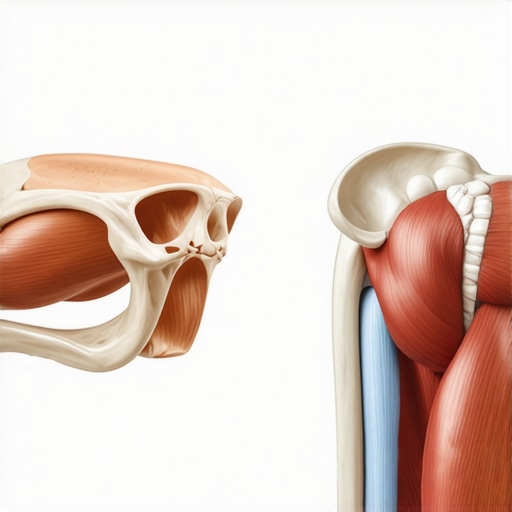
I remember the exact moment I realized my glutes had become useless. I was at my desk, feet up on the chair, scrolling mindlessly through my phone, when I suddenly felt a dull ache in my lower back—and no matter how much I tried to stretch or adjust, it just wouldn’t go away. That lightbulb moment hit me hard: sitting all day had quietly, insidiously, taken over my body. It was like my muscles had gone into hibernation, leaving me with a stiff, awkward posture and a nagging pain I couldn’t shake. The worst part? I didn’t even notice how much my glutes had turned into little more than dead weight until I started experiencing discomfort during basic movements.
The Real Why Behind Glute Failure and Sitting All Day
Here’s the truth: sitting for prolonged periods causes your glutes—the powerful muscles responsible for hip stability and movement—to weaken or become dormant. Over time, this leads to a phenomenon called “gluteal amnesia,” where you forget how to use these muscles properly. The consequence? Poor posture, lower back pain, and a general sense of stiffness that sneaks in as your body compensates by overusing other muscles. Despite knowing I needed to stay active, I was caught in the common trap: believing that regular stretching or quick fixes would solve these issues. What I didn’t realize was that my daily habits were actively sabotaging my glutes, making even simple movements frustrating.
But here’s the good news—there’s hope. If you’re nodding along, feeling that familiar tightness or weakness, stick with me. We’ll explore practical, science-backed strategies to unlock your glutes again and get your body moving naturally. Trust me, the relief is closer than you think.
Is Muscle Activation Really Worth the Hype?
I used to dismiss exercises targeting my glutes as just another trendy fitness fad—until I made a critical mistake. Early on, I thought a few hip bridges here and there would do the trick. Spoiler: they didn’t. The real game-changer was learning how to activate these muscles correctly before jumping into strengthening exercises. Neglecting proper activation is a common mistake I see too often; it’s like trying to start a car with the parking brake still on. For more insights into maximizing your mobility and posture, you might find [this comprehensive guide](https://quackersneck.com/the-ultimate-guide-to-improving-mobility-and-posture-in-2025) incredibly helpful. Remember, understanding the root of your discomfort is the first step toward genuine relief.
Activate Your Muscles with Targeted Exercises
Start your journey by focusing on activation drills that wake up your glutes. One effective move is the bridge, but proper form is crucial. Lie on your back with knees bent, feet flat on the ground, hip-width apart. Engage your core and squeeze your glutes to lift your hips, creating a straight line from shoulders to knees. Hold for a few seconds, then slowly lower. I once practiced this in my living room after a long day at work; at first, my muscles trembled, but gradually, I felt that elusive burn that signaled activation. Repeat this for 2-3 sets of 10 to establish a strong mind-muscle connection.
Incorporate Dynamic Mobility Work
Mobility is the foundation for movement efficiency. Integrate hip hinges—similar to a stiff door swinging smoothly—by standing with feet shoulder-width apart. Hinge at the hips, pushing your pelvis backward while keeping your back flat. Imagine closing a heavy, swinging door without using your arms. Doing this morning, I felt my hips loosen up, reducing lower back strain during my commute. Aim for 10 repetitions, focusing on slow, controlled movement to prevent compensations.
Adjust Your Sitting Habits Like a Pro
Think of your desk chair as the first line of defense against poor posture. Set your chair height so your feet rest flat on the floor, thighs parallel to the ground. Use lumbar support or a rolled towel to maintain the natural curve of your lower back. During a particularly busy week, I taped a small rolled towel behind my lumbar region, which instantly improved my sitting posture and reduced discomfort. Take short breaks every 30 minutes: stand, stretch, or walk briefly to prevent muscles from stiffening. These micro-movements act like oiling a rusty hinge, keeping it flexible.
Implement Spinal Realignment Techniques
Consider chiropractic adjustments as a strategic way to reset your nervous system. Gentle self-mobilizations, like controlled thoracic rotations, help improve spinal flexibility. Sit upright, cross your arms over your chest, and slowly rotate your upper body side to side, feeling each vertebra move independently. I personally scheduled a session with a chiropractor after noticing persistent stiffness; the adjustment felt like a reset button, instantly enhancing mobility. For ongoing management, explore targeted mobility routines like those detailed in this guide.
Build Strength in Functional Movements
Strengthening your glutes doesn’t mean endless squats—focus on functional, controlled movements. Step-ups onto a sturdy box or stair mimics real-world activities and engages your glutes effectively. Stand facing a low step, place one foot on it, and push through that heel to rise fully. Control the descent back down. Yesterday, I incorporated step-ups during my lunch break and noticed improved hip stability during afternoon tasks. Use weights sparingly and prioritize form over repetitions to avoid injury. Remember, the goal is consistent, purposeful movement—think quality over quantity.
Pair with Daily Mobility Hacks for Lasting Change
Augment your routine with quick daily adjustments that reinforce your gains. Simple habits like standing while working, performing seated hip rotations, or diaphragmatic breathing can increase circulation and reduce tension. For example, I set a reminder to do 10 deep belly breaths every hour; it relaxed my mid-back and improved posture during long meetings. Practicing these micro-movements regularly trains your brain to activate muscles more automatically, leading to sustained improvements.
Many believe that visiting a chiropractor or performing mobility exercises is a quick fix for postural issues or pain. However, a common misconception is that these interventions alone can overhaul deeply ingrained habits or correct complex neuromuscular patterns. In reality, without addressing the nuanced interplay between the nervous system, muscular habits, and muscle memory, such treatments risk being superficial rather than transformative. For instance, relying solely on adjustments without integrating movement-focused routines can lead to short-term relief but little long-term change. According to Dr. David Seaman, a renowned chiropractor and researcher, successful posture correction requires a comprehensive approach encompassing neuromuscular re-education, mobility training, and lifestyle adjustments—this is a nuanced process that often gets overlooked by laypeople who seek immediate results.
Why Do So Many Adjustments Fail to Provide Lasting Change?
Most people think an adjustment is a one-and-done solution. But, in my experience, the real challenge lies in maintaining the gains through daily habits. For example, an adjustment can temporarily realign your spine, but if you continue sitting improperly or neglect mobility work, your muscles and joints quickly revert to previous patterns. The trap here is expecting adjustments to do all the work, rather than viewing them as part of a larger, active process. Moreover, some practitioners may overemphasize spinal manipulation without integrating functional movement training, making the results less durable. External research reinforces this: a 2017 study from the Journal of Manipulative and Physiological Therapeutics highlights the importance of combined approaches for effective long-term posture improvements.
Another misconception is that mobility exercises are only for athletes or those recovering from injury, whereas in fact, day-to-day benefits—like better posture, reduced stiffness, and enhanced breathing—are accessible with consistent, targeted movement routines. Moving beyond static stretching to dynamic mobility drills can unlock persistent issues that adjustments alone can’t reach. To explore practical ways to integrate mobility into your routine, check out this resource.
Is it Better to Seek Adjustments or Focus on Movement?—A deeper Look
Advanced readers often ask whether adjustments or active mobility routines are more effective. The answer is nuanced: adjustments reset the structural framework temporarily, but without subsequent movement practice, the nervous system adapts to habitual poor posture or movement patterns. The real benefit comes from coupling adjustments with deliberate mobility exercises and neuromuscular training, which retrain your body to maintain alignment autonomously. A helpful analogy is tuning a guitar — adjustments are like tuning the strings, but continuous practice ensures the instrument stays in harmony. Incorporating this philosophy, programs like those detailed in the ultimate mobility guide emphasize movement mastery for lasting change.
One common trap is assuming that pain or stiffness is purely mechanical, overlooking that it often stems from ongoing neural or muscular patterns. This is where expert-level strategies such as proprioceptive training and mindful movement come into play, going beyond the superficial fixes. For example, realigning the pelvis through adjustments can be undermined if you continue to sit for hours without ergonomic support or mobility breaks. Being proactive rather than reactive—integrating daily movement habits—is essential for durable improvement.
In conclusion, while adjustments, chiropractic care, and mobility exercises are invaluable tools, their true power lies in their strategic, integrated application within a comprehensive lifestyle approach. Avoid the trap of thinking any single intervention is a silver bullet. Instead, focus on understanding the nuanced relationship between structure, movement, and neural patterns—then implement consistent, informed habits. If you’re serious about transforming your posture and mobility, leveraging these insights can help you move from fleeting relief to lasting change. Have you ever fallen into this trap? Let me know in the comments, and explore more about how to optimize your chiropractic care or the link between mobility and posture.
Maintaining the improvements you’ve made in your posture, mobility, and overall musculoskeletal health requires more than just initial effort—it demands consistent support through effective tools and habits. Personally, I rely on a combination of targeted mobility devices, digital tracking software, and disciplined routines to ensure my progress doesn’t fade over time. Let me share some of the most effective methods and resources I use daily to keep my body functioning optimally.
Optimize Your Routine with Precision Mobility Tools
One game-changer for me has been incorporating a foam roller coupled with specific mobility balls. Unlike generic foam rollers, I prefer a textured, deep-tissue version that allows for targeted release, especially in tight hip flexors and thoracic muscles. Regular self-myofascial release helps prevent adhesions and maintains tissue pliability, which is essential for preserving posture improvements. Kinesiology tape also plays a role; I use it to support weak muscles during daily activities, subtly guiding correct movement patterns and providing proprioceptive feedback. These tools, when used consistently, extend the benefits of chiropractic adjustments and mobility drills—acting as physical reminders to maintain healthy muscle tone.
Track Progress with Digital Aids and Apps
Staying accountable is easier when I track my mobility scores and posture metrics through specialized apps. Programs like the Ultimate Guide to Improving Mobility and Posture in 2025 outline how sensor-based devices and mobile assessments can provide real-time feedback on spinal alignment and muscle activation. I personally use a posture-correcting wearable that vibrates when I slouch or tilt my head forward, encouraging me to make micro-adjustments throughout the day. This ongoing feedback loop helps me stay conscious of my habits, ensuring that corrective practices become ingrained rather than fleeting.
Develop a Consistent Maintenance Routine
Routine consistency is the secret sauce. I set aside 10 minutes in the morning for dynamic stretches, mobility exercises, and a brief spinal reset. For example, I perform a series of thoracic rotations and hip hinges, which are simple yet effective in maintaining flexibility. Additionally, I make ergonomic adjustments to my workspace based on insights from expert guides, like [this mobility hacks article](https://quackersneck.com/mobility-hacks-simple-adjustments-for-a-more-active-life), ensuring my environment supports my posture goals. Remember, building habits around these routines ensures that your body remains resilient and adaptable, even during stressful or busy periods.
Future Trends in Posture and Mobility Maintenance
The future of this field points toward integration. Expect to see AI-powered posture coaching that offers personalized advice, wearable tech that provides haptic feedback, and virtual reality environments for immersive mobility training. Staying ahead means embracing these innovations early—so I recommend experimenting with emerging tools and protocols now. A good starting point is trying advanced activation techniques like those detailed in this detailed mobility program. Incorporating these strategies will ensure your efforts remain sustainable and effective over the long haul.
How do I maintain my postural improvements over time?
The key lies in consistent, informed practices. Regularly reassess your habits using tools like posture sensors, refine your ergonomics, and stay engaged with mobility routines tailored to your unique needs. Remember, reinforcement through physical tools and digital feedback makes a significant difference. I challenge you to adopt one of these advanced techniques today—perhaps an ergonomic tweak or a new mobility device—and observe how quickly it can reinforce your progress. Maintaining a proactive mindset and leveraging the right tools can turn fleeting gains into lasting benefits. To dive deeper into sustained mobility routines, explore comprehensive expert strategies.
The Hardest Lesson I Learned About adjustments, chiropractic, mobility, posture
One of the most eye-opening realizations was understanding that quick fixes only mask deeper issues. It took me years to see that relying solely on adjustments without integrating mobility routines was like trying to build a house on weak foundation—inevitably unstable. That lightbulb moment made me prioritize daily movement and neuromuscular training, transforming my approach entirely.
3 Myths About adjustments, chiropractic, mobility, posture That Held Me Back
I used to believe that spinal adjustments alone were enough to maintain good posture. Reality check: they set the stage, but sustainment depends on consistent mobility work and ergonomic habits. Another myth was thinking stretching alone could fix muscular imbalances; in truth, activation and strength are equally vital. Lastly, I thought posture correction was a one-time event, but it’s a continuous journey that requires daily effort rooted in awareness.
What Experts Won’t Tell You About adjustments, chiropractic, mobility, posture
Many professionals emphasize adjustments but often overlook the importance of neuromuscular re-education. For long-term benefits, it’s crucial to couple structural resets with functional movement routines and lifestyle tweaks. This holistic view was a game-changer for me, helping me achieve lasting posture improvements rather than temporary relief.
My Essential Toolkit for adjustments, chiropractic, mobility, posture
I swear by a textured foam roller for myofascial release—it helps maintain tissue pliability and prevents adhesions. Kinesiology tape subtly supports weak muscles during daily activities, reinforcing proper movement. I also use posture-correcting wearables that vibrate to remind me when I slouch, turning habit correction into an effortless process. These tools reinforce my progress daily and keep me aligned.
Books That Changed How I View adjustments, chiropractic, mobility, posture
“Becoming a Supple Leopard” by Dr. Kelly Starrett offers practical insights into mobility and movement, emphasizing that functional health is a blend of strength, flexibility, and neuromuscular control. “The Posture Playbook” by Dr. Jo Ann Leenders deepened my understanding of how daily habits shape my musculoskeletal health. Reading these expanded my perspective and equipped me with easy-to-implement strategies.
Your Turn to Try
Remember, the journey to better posture and mobility is personal—and ongoing. Embrace habits that integrate targeted exercises, ergonomic awareness, and consistent support tools. I challenge you to pick one new movement or adjustment today—like re-evaluating your sitting position or incorporating a mobility drill—and observe how it shifts your experience. Every small step builds toward a healthier, pain-free future.
What’s one habit you’ve struggled to change that you think could make a difference? Share below—I’d love to hear your story and help you find a simple way to make that adjustment stick.