

Have you ever been sitting at your desk, minding your own business, when suddenly your mid-back feels like it needs to pop? That odd sensation, sometimes accompanied by a dull ache or a weird tightness, can be surprisingly persistent. I remember the first time it happened to me—I was reaching for my coffee and felt that familiar, unexplained urge to crack my spine. It was annoying, confusing, and honestly a bit alarming. That moment made me realize I wasn’t alone in this ongoing discomfort, and it pushed me to dig deeper into why this happens and, more importantly, how to fix it.
The Real Reason Your Mid-Back Keeps Asking for Relief
Are You Falling Into Common Traps That Make Things Worse?
When I started my journey toward understanding my back issues, I made a critical mistake—I kept relying on quick fixes like cracking my own back, thinking it would provide lasting relief. Turns out, that’s one of the worst things you can do! It might temporarily feel good, but it can also reinforce poor movement patterns, lead to muscle weakness, or trigger inflammation. Instead, I learned that the root cause often lies in poor posture, muscle imbalances, or limited mobility, which creates tension and misalignments that make your back crave that satisfying pop. For instance, prolonged sitting at a desk or hunching over your phone can tighten and weaken key muscles, setting up your spine for that persistent urge to pop.
Research shows that dysfunctional movement patterns, like rounded shoulders or a forward head posture, are linked to chronic mid-back discomfort (source: The Link Between Mobility and Posture). These habits strain the muscles and joints, making the sensation of needing to pop almost inevitable. My advice? Address the underlying issues instead of chasing temporary relief, and you’ll find a much more sustainable path to comfort.
What This Post Will Cover
In the next sections, I’ll share proven strategies that helped me and many of my clients reduce that constant urge to pop the mid-back. From simple mobility exercises to posture adjustments, I’ll guide you through practical steps to restore balance and reduce tension. If you’ve been battling this sensation, stick around—you’re about to discover ways to free your back from that recurring desire to crack, so you can move with less pain and more confidence.
Ever felt skeptical about these kinds of solutions? You’re not alone.
Early on, I thought, “Is this really going to work?” I used to dismiss these gentle approaches, thinking only heavy adjustments or pills could help. But I was wrong. It’s incredible how small lifestyle tweaks and targeted mobility work can make a huge difference. Trust me, I’ve been there, and I want you to avoid the pitfalls I stumbled into.
So, if you’re tired of that constant craving to pop your mid-back and ready to make a change, let’s dive into some practical steps that truly address the root of your discomfort and help you move freely again.
Mobilize for Better Posture
Start with gentle mobility exercises that target your thoracic spine. I remember when I first incorporated the wall slide, it felt awkward—like trying to fit a square peg into a round hole—but within a week, I noticed my shoulders no longer rounded forward, and the persistent pop urge decreased. To perform this, stand with your back against a wall, arms raised to form a 90-degree angle, and slowly slide your arms upward while keeping contact with the wall. This stretch re-teaches your muscles to maintain proper alignment, reducing tension in the mid-back.
Quick Tip: Breathe and Engage
As you move, focus on diaphragmatic breathing. Inhale deeply through your nose, expanding your belly, then exhale slowly. Engaging your core during these movements stabilizes your spine and enhances mobility. This combination helps break the cycle of stiffness and overload that leads to that pesky pop desire.
Address Posture Habits
Next, audit your daily habits. I caught myself slouching at my desk, awkwardly craning my neck to see the screen, which only heightened the discomfort. To combat this, adjust your workstation so your monitor is at eye level, and your feet rest flat on the floor. Consider using a lumbar support pillow and ensuring your shoulders are relaxed with elbows close to your body. Making these tweaks prevents muscle imbalance and minimizes strain, which are common culprits behind perpetual popping sensations.
Micro-Story: Desk Makeover
Once I placed my monitor on a stand and set up ergonomic accessories, I noticed my upper back felt more stable after a few days. This small change reaffirmed that posture alignment is crucial to reducing the urge to crack your mid-back repeatedly.
Incorporate Targeted Strengthening
Building strength in specific muscles stabilizes your spine. I learned this firsthand when I integrated scapular squeezes into my routine. Sit or stand tall, pinch your shoulder blades together, hold for five seconds, then release. Doing this thrice daily rewires your muscular support system, offering lasting relief from tension and that irresistible pop impulse. Strengthening the upper back muscles prevents them from becoming too weak or overstressed, which often triggers misalignment and discomfort.
Pro Tip: Use a Resistance Band
Attach a resistance band to a sturdy anchor, hold it with both hands, and pull outward, squeezing your shoulder blades. This adds resistance, making the muscles work harder and promoting proper posture. Over time, this improves mobility and reduces the tendency to self-manipulate your back excessively.
Integrate Chiropractic Adjustments
Even with exercises and habits in check, sometimes your spine needs a professional touch. I found that occasional chiropractic adjustments help realign the tissues and joints, easing tension that causes recurring popping and dull pain. For example, I visited a chiropractor for a targeted session, and afterward, I felt a significant decrease in the sensation of needing to crack—like a reset button for my spine. Regular check-ins can be a game-changer in maintaining proper alignment, especially if you’ve developed muscular imbalances over time.
Learn More About Adjustments
Curious how chiropractic care enhances posture and mobility? Explore this detailed guide to see how adjustments unlock a pain-free lifestyle.
Stay Consistent and Monitor Progress
Finally, consistency is key. Incorporate these practices daily, track your comfort levels, and adjust as needed. I found keeping a simple journal kept me accountable, and over weeks, the frequency of that mid-back pop urge diminished significantly. Remember, improving posture and mobility isn’t a quick fix; it’s a journey of small, deliberate steps that, over time, free your back from that persistent craving to crack.
While many believe they understand the basics of posture and chiropractic adjustments, there’s a deeper layer of nuance that often goes unnoticed—and these oversights can hinder your progress significantly. One common myth is that a quick snap or crack from an adjustment permanently resolves posture issues. In reality, relying solely on these quick fixes without addressing the underlying lifestyle and mobility habits is a trap that can lead to recurring problems. A study published in the Journal of Manipulative and Physiological Therapeutics emphasizes that sustained improvement depends on consistent behavioral changes, not just isolated adjustments.
Why do so many fall for the quick fix myth?
Honestly, it’s because immediate relief is tempting, and the allure of a “magic cure” makes us overlook the importance of mobility and habitual posture habits.
What do most people misunderstand about mobility routines?
Many think stretching or foam rolling alone will resolve alignment issues, but without strengthening and moving properly, these are just temporary band-aids. The real magic happens when mobility work is combined with targeted strengthening and habits adjustment, creating a balanced and resilient spine.
Moreover, many people miss the importance of integrating proper breathing techniques during exercises. Breathing from the diaphragm enhances core stability, directly influencing posture and reducing the tendency to slump or overstrain. Without this, mobility exercises can lose their effectiveness or even reinforce bad habits.
How advanced practitioners refine their approach
Expert-level work involves assessing not just visible misalignments but the nervous system’s role in muscle tone and movement patterns. Techniques like functional movement screening and neuromuscular re-education help identify subtle dysfunctions that standard adjustments might overlook. For example, a chiropractor with advanced training can detect and correct compensatory tension patterns that perpetuate poor posture, accelerating long-term recovery.
Finally, it’s crucial to understand that posture isn’t just about ‘standing tall’—it’s an intricate dance of mobility, stability, and neuromuscular control. Incorporating mobility hacks from this comprehensive guide can make a profound difference. Going beyond the surface, understanding these nuances enables you to create a sustainable routine that prevents future issues and maintains proper alignment.
Have you ever fallen into this trap? Let me know in the comments. Remember, a holistic approach that balances mobility, strength, and habits is the key to lasting posture health and pain-free living.
Maintaining Your Progress with the Right Tools
Achieving better posture and mobility is only half the battle; sustaining those improvements requires mindful use of effective tools and routines. From specific equipment to tech solutions, the key is selecting what genuinely supports your journey. I personally rely on a combination of foam rollers, resistance bands, and posture correction devices that I’ve tested and tailored to my needs, ensuring consistent progress without setbacks.
Why I swear by foam rollers for daily mobility
Foam rollers, especially the dense, textured ones, help release muscle tightness in the thoracic and lumbar regions—areas prone to stiffness that triggers that urge to crack. I incorporate a 10-minute rolling session morning and evening, focusing on my upper back and hips. This practice not only maintains my mobility but also prevents the buildup of tension that causes misalignments. For in-depth techniques, check out this resource.
Resistance bands for strengthening and stability
Resistance bands are versatile and portable, making them a staple in my routine. I use them for scapular squeezes, shoulder rotator work, and even core stabilization exercises. The resistance level allows for controlled, targeted strengthening, which is essential for long-term posture maintenance. Recently, I started integrating bands into my morning mobility drills, and the difference in my endurance and alignment has been noticeable.
Smart technology to track progress and habits
Trendwise, wearable posture trainers and app-guided programs are evolving rapidly. I personally use a posture-monitoring device that vibrates gently when I slump or tilt excessively, providing instant feedback. Combining this with regular check-ins via apps helps me stay aware and correct habits before they become ingrained. As technology advances, these tools will become more sophisticated, offering detailed insights into muscle balance and nervous system responses.
What does the future hold for sustained posture health?
Moving forward, I predict an increasing integration of biofeedback systems and AI-driven analytics in routine posture care. These innovations will personalize routines, making long-term maintenance more effective and accessible. Imagine a device that not only alerts you to poor posture but also guides you through tailored exercises based on real-time data. That’s where the market is heading—a highly individualized approach to posture health.
How do I keep my posture healthy year-round?
The best way is to incorporate consistent practices, leverage cutting-edge tools, and stay informed about new techniques. Starting with simple yet effective solutions like a daily foam rolling or resistance band routine can set the foundation. I encourage you to try adding a smart posture reminder device to your routine—it’s a powerful step toward making good habits automatic. For more about optimizing mobility tools, explore this comprehensive guide.
Remember, sustaining the benefits you’ve worked hard for is a proactive process. Use the right tools, stay vigilant, and tweak your routine as you progress. Your future self will thank you for the effort today!
The Lessons I Didn’t Expect to Learn About Posture and Mobility
- Chasing quick fixes is a trap: I used to believe that cracking my back was a solution, but I realized that relying on immediate relief can reinforce bad habits. True progress comes from addressing core issues, not temporary fixes.
- Posture habits run deep: Small daily choices, like how I sat or held my phone, added up over time, creating tension that kept my mid-back in a constant state of craving relief. Awareness and intentional adjustments made a world of difference.
- Strength beats sheer flexibility: Building targeted strength in specific muscles provided long-lasting stability, reducing the frequency and intensity of that annoying pop urge. Mobility alone isn’t enough; stability is key.
- Professional guidance matters: Occasional chiropractic adjustments helped reset my spinal alignment, but I learned that sustainable change requires a combination of manual therapy, mobility work, and habit modification.
- Small habits create big change: Incorporating simple exercises, like scapular squeezes and proper breathing, into my routine transformed my posture over weeks, proving that consistency trumps intensity.
Tools That Keep My Back Happy and Healthy
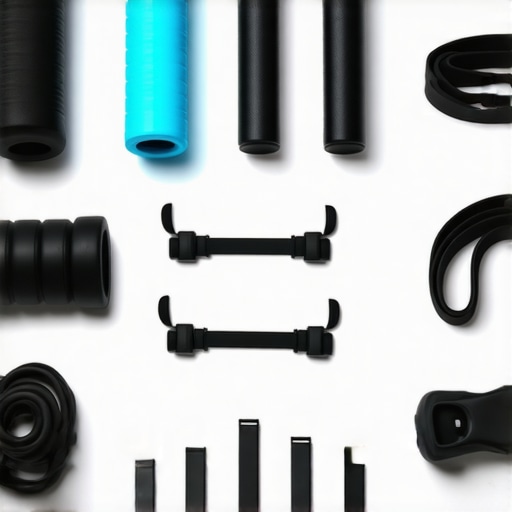
- Foam rollers: Dense foam rollers help release muscular tension in my thoracic region. I trust them daily for maintaining mobility and preventing stiffness, especially after long hours at my desk.
- Resistance bands: Using bands for strengthening scapular stabilizers and shoulder rotations has been a game-changer. They’re versatile, portable, and effective for building resilient postural support.
- Posture monitoring devices: Wearing a smart posture trainer keeps me aware throughout the day. It provides gentle alerts when I slump, helping me make real-time corrections, much like having a personal coach.
- Educational resources: I often refer to comprehensive guides like this in-depth resource for evolving my routine, ensuring I stay informed about new practices.
Your Next Step Toward Lasting Relief
If you’re tired of the cycle of discomfort and fleeting fixes, remember that sustainable change is within your reach. Incorporate mobility, strength, and mindful habits, and don’t hesitate to seek professional guidance when needed. Your journey toward a pain-free, confident posture is a personal one, and every small step counts. Stick with it, and watch your mid-back sensations transform from persistent nuisances into distant memories.
What’s one habit you’re willing to change today to improve your posture and reduce that mid-back pop? Share your thoughts below—I’d love to hear about your progress!