
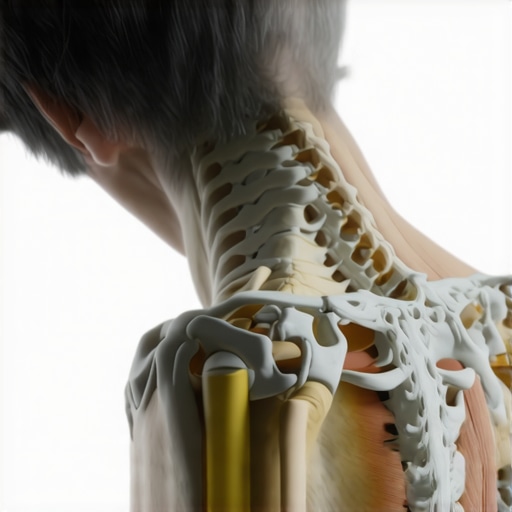
Ever been caught in that awkward moment where you gently turn your head to look over your shoulder, only to be greeted by a satisfying—or not-so-satisfying—crack? I know I have. At first, I thought it was just a weird quirk, something harmless I had to live with. But then I started noticing that it was happening more often, sometimes accompanied by a dull ache or stiffness. That light, almost reassuring pop became less of a relief and more of a warning sign. It wasn’t just about the noise anymore; I was genuinely concerned about what it meant for my health.
Cracking Neck: More Than Just a Noisy Habit
What I learned pretty quickly is that those cracking sounds aren’t just random. They often indicate that your joints or the tissues around them are working overtime, trying to keep up with poor posture or mobility issues. When I first dug into the science, I discovered that the sound itself comes from gases like nitrogen releasing from the synovial fluid in your neck joints—pretty fascinating, right? But beyond the science, there’s a real impact on daily life. If your neck cracks every time you turn, it might mean your muscles and joints are strained, or perhaps your posture is out of alignment.
My own mistake early on was ignoring this discomfort, hoping it would just go away. Spoiler alert: it didn’t. Instead, I made a simple error—I kept twisting my neck without addressing the root cause. That led to more pain and even limited mobility. Luckily, I found that by focusing on improving my posture and neck mobility, I could reduce those uncomfortable cracks significantly. If you’re tired of that familiar neck crunch and want to avoid potential issues down the line, you’re in the right place.
Is Neck Cracking Actually Worth the Hype?
Let’s be real: many people worry that cracking their neck is dangerous or a sign of something terrible. I used to think that myself. The good news? Occasional neck cracks, especially when done correctly, are usually harmless. That said, persistent cracking accompanied by pain or dizziness is a different story altogether. Early on, I made the mistake of dismissing developing pain as ‘normal cracking.’ But, as I learned, understanding these signals helps prevent bigger problems, like herniated discs or nerve impingements. You don’t have to accept discomfort as part of aging or daily life; small adjustments can make a massive difference. Curious how to safely improve your neck health? I’ll show you some simple, practical steps that transformed my mobility—and they can do the same for you.
Start with Posture Awareness
Reflect on how you hold your head and neck throughout the day. To make lasting changes, you need to identify habits like slouching or craning your neck forward, which put strain on your cervical spine. Practice checking your posture every hour—set reminders if needed. Proper alignment reduces unnecessary joint stress, decreasing the frequency of cracking and discomfort. For detailed insights, see how posture improves with simple adjustments at this guide.
Incorporate Gentle Mobility Exercises
Perform Targeted Neck Stretches
Start with gentle ranging motions like slow head turns and tilts. For example, sit upright, slowly turn your head to one side until you feel a stretch, hold for 3 seconds, then repeat on the other side. This warms up the joint capsule, increases blood flow, and promotes smooth movement. A specific move that helped me was the chin tuck: gently pull your chin inward, activating deep neck muscles, improving overall stability. Be cautious—avoid jerky movements that could aggravate early issues. Learn more mobility hacks at this resource.
Use Self-Myofascial Release
Apply gentle pressure with a tennis ball or foam roller along the neck and upper shoulders. Lie down or sit against a wall, place the ball between your neck and a wall, and gently roll over tight spots. This technique releases fascia restrictions, making joints more free to move. I remember the first time I did this, I was surprised how tender some spots were—identifying knots here was eye-opening. Consistency is key; incorporate this into your daily routine for sustainable improvements. Find out how to optimize mobility with these expert tips.
Learn Safe Adjustment Techniques
Practicing safe, controlled movements can replicate some benefits of chiropractic adjustments. For instance, gently pressing your palm against your forehead and pushing backward engages neck stabilizers without strain. Imagine this as a mini isometric exercise—strengthening muscles that support your joints reduces the need for cracking. Over time, this builds resilience, so your neck isn’t as prone to popping. However, if discomfort persists, consult a professional. Proper care can be as simple as a targeted chiropractic session.
Progress with Daily Habits
Integrate these steps into your routine gradually. For example, during work breaks, perform neck rolls and stretches, akin to tuning a musical instrument gently instead of forcing it. I found that small, consistent adjustments, like setting a timer to remind me, made a big difference over weeks. These habits prevent stiffness, reduce cracking frequency, and promote healthier joints. To deepen your understanding, explore revolutionary mobility exercises designed for everyday life.
Many people believe that all chiropractic adjustments are the same or that posture correction is merely a quick fix. However, these are oversimplifications that can lead to ineffective practices or even injury if misunderstood. One of the most pervasive myths is that cracking your neck or back is inherently dangerous; in reality, occasional, controlled adjustments by a trained professional are often harmless and beneficial. Still, relying solely on self-manipulation without understanding your body’s signals can be risky, as it may mask underlying issues rather than address them. An advanced mistake many overlook is thinking that mobility exercises alone can compensate for poor posture. While they’re crucial, without targeted adjustments and mindset changes, improvements will be limited. The critical nuance is recognizing that posture and mobility are interconnected; enhancing one without the other might lead to stagnation. For example, focusing exclusively on stretching without strengthening stabilizers can create imbalances, leading to further discomfort. Incorporate mobility routines thoughtfully, and consider expert guidance—something like exploring how mobility boosts can directly support posture through proper technique. This comprehensive approach prevents the trap of quick fixes and opens the door to sustainable health gains. Moreover, understanding that chiropractic care isn’t a one-size-fits-all solution is vital. Some practitioners emphasize soft tissue work, while others focus on joint alignment; knowing what aligns with your body’s needs ensures better outcomes. To deepen your insight, review this guide on how chiropractic adjustments unlock a pain-free lifestyle and why integrating movement with professional care is essential. Don’t forget: neglecting these nuanced aspects can lead to repeating common mistakes, prolonging discomfort and misalignment. Have you ever fallen into this trap? Let me know in the comments.
Maintaining your improved posture and mobility requires not only consistency but also the right set of tools and strategies. Over the years, I’ve refined my toolkit to include equipment and methods that help me stay aligned and mobile, even during hectic schedules. One essential tool I recommend is a high-quality foam roller, specifically the TheraBand Max Foam Roller. I use this daily to perform my self-myofascial release routines, targeting tight areas in my neck and upper back. Its firmness provides just the right amount of pressure to release fascia adhesions, which enhances my mobility and reduces tension. Additionally, I always keep a set of resistance bands, like the Fit Simplify Resistance Loop Bands, for quick, effective stretching and strengthening exercises that reinforce good posture habits.
Software-wise, I rely heavily on posture-tracking apps such as Upright Go. This small device attaches behind your neck and provides real-time feedback on your head position. It’s a game-changer for maintaining awareness of poor postural habits throughout the day. Consistent use of such tools can prevent relapse into bad posture, ensuring long-term results. Looking ahead, I predict the integration of AI-powered posture correction devices will become more sophisticated, offering personalized routines based on your movement patterns and even integrating with your electronic health records for comprehensive care.
Another vital aspect is scheduling regular check-ins with a qualified chiropractor or mobility coach. Even with the best tools, professional guidance ensures you’re performing exercises correctly and adapting your routines as your body changes. If you’re unsure about your current progress or need tailored advice, it’s worth reaching out through this contact page.
How do I maintain my posture and mobility consistency over time?
Developing a daily habit of dedicated mobility exercises, like targeted stretching and strengthening, is fundamental. Incorporate quick routines—such as the 2-minute mobility hacks at this resource—into your morning or evening schedule. Using tools like resistance bands or foam rollers as part of your routine helps reinforce the improvements. Remember, consistency trumps intensity; even a few minutes daily can sustain your progress and prevent setbacks. I also recommend periodically revisiting advanced techniques, such as deep tissue work or professional adjustments, to address stubborn stiffness or misalignments. Staying connected with your health team and leveraging smart tools increases your chances of long-term success.
By integrating these specific tools and routines, you create a supportive environment that champions your progress. For a personalized plan, consider booking a session with an expert at this contact page. Remember: your body rewards regular maintenance with improved quality of life and sustained mobility. So, why not invest in your health today by trying out one of these tools—such as the foam roller or posture-tracking app—and experience the difference it makes? Incorporate these into your daily habits, and you’ll find that maintaining your progress becomes second nature.
The Hardest Lesson I Learned About Neck Care
One of my biggest realizations was that patience is essential. I used to think quick stretches and immediate results were enough, but true progress in neck mobility demands consistent, gentle effort over time. Rushing or skipping routines often set me back, reminding me that sustainable change is a marathon, not a sprint.
My Must-Have Tools for Lasting Posture
Beyond exercises, I’ve come to trust specific tools that support ongoing improvement. The chiropractic care I received helped correct underlying issues, creating a strong foundation for mobility exercises. Additionally, my daily routine is complemented by a foam roller, resistance bands, and posture-tracking apps, which keep me aware and motivated—these tools are game-changers that I personally rely on for lasting results.
Finding Joy in Your Movement Journey
Most importantly, I learned to enjoy the process. Celebrating small victories, like reduced cracking or increased range of motion, keeps me motivated. Remember, your journey toward better neck health isn’t just about avoiding pain; it’s about reclaiming vitality and confidence in your daily life. Start with small, consistent changes today, and you’ll be amazed at how much your posture—and your outlook—can improve.
What small step are you planning to take tomorrow to improve your neck mobility? Share below—I’d love to hear your plans!