
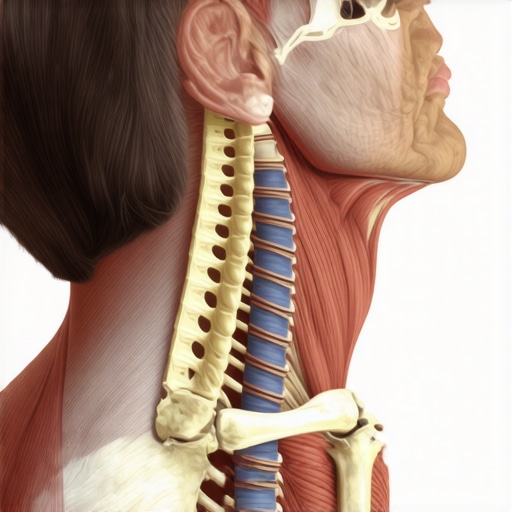
I remember the exact moment I realized my neck’s weird cracking sound was more than a nuisance—it was a signal that something wasn’t quite right. One evening, I casually turned my head to glance behind me, and suddenly, my neck made this loud, almost satisfying yet unsettling crack. But beneath that familiar sound lay a nagging worry: Was something damaged? Would I end up stiff, or worse, injured?
That lightbulb moment sparked a journey to understand why my neck was cracking—and more importantly, how I could address it before it became a real problem. If you’ve ever experienced that cracking noise when you turn your head, you’re not alone. It’s a common concern, but the truth is, it often hints at underlying mobility or posture issues that can be improved.
Today, I want to promise you that you don’t have to accept those unsettling cracks as just part of aging or normal wear and tear. With a few simple strategies and the right approach, you can restore movement and peace of mind—so you can turn your head without fear or surprise.
What Your Neck Cracks and Why It Matters
Many people dismiss neck cracking as harmless, yet research shows that the sounds are often caused by tiny gas bubbles collapsing or joint movement in the cervical spine. According to a study published in the Journal of Chiropractic Medicine, these noises are generally benign if they aren’t accompanied by pain or limited motion. However, persistent cracking can be a sign of joint stiffness, ligament tightness, or muscular imbalances.
When our necks crack each time we turn, it could be a sign that the joints aren’t moving smoothly. Over time, this may lead to decreased mobility, pain, and even long-term postural problems. My early mistake was ignoring the problem for too long, thinking it was just a quirk or age-related. That delayed response only made things worse.
By understanding the root causes—like restricted joint space or muscle weakness—we can take targeted action. In fact, implementing specific mobility exercises or chiropractic adjustments has helped many improve their neck flexibility and reduce those unwanted cracks. Want to learn how to do the same? Keep reading.
Is All Neck Crunching Dangerous, or Just Annoying?
For a while, I believed that the cracking noise was purely cosmetic, something purely annoying but harmless. My early approach was to ignore it or muscle through—the classic “tough it out” mentality. I didn’t realize that neglecting joint health could lead to longer-term problems. Now, I advocate for awareness and proactive care.
If you’re curious whether your cracking neck is safe or signaling an issue, it’s worth consulting an expert. Learning the proper techniques to improve mobility and posture could make a significant difference in your daily comfort and overall health.
So, have you faced this cracking problem yourself? If so, you’re not alone—and there’s plenty we can do together to make turning your head a smooth, pain-free experience. Ready to explore practical steps that really work? Let’s dive in and turn those unsettling cracks into a thing of the past.
Start with Gentle Neck Mobilizations
In my first attempt to address my neck cracking, I decided to do simple neck rotations. I sat comfortably, kept my shoulders relaxed, and slowly turned my head side to side, feeling for any resistance. The key was to move within a pain-free range, aiming for smooth, controlled motions. After a week of doing this twice daily, I noticed the cracks became less frequent, and my neck felt more fluid.
Implement Posture Checks Throughout the Day
One effective method I adopted was to become mindful of my posture, especially when working or using my phone. Think of your neck as a hinge; keeping it aligned reduces strain on the joints. I set reminders on my phone to adjust my sitting position, ensuring my ears stayed over my shoulders, which minimized joint stiffness. Regular posture correction prevents muscles from becoming tight and joints from locking up.
Use a Wall for Resistance and Range of Motion
For added mobility, I leaned against a wall, gently pressing my head backward and sideways to stretch the neck muscles. Imagine the wall as a trainer resisting your movements, helping you control the stretch. This technique enhances the capsule movement of cervical joints, gradually increasing your range and reducing crack sounds. Consistency is crucial—perform these stretches daily for sustained benefits.
Incorporate Strengthening Exercises to Support Mobility
Weak neck and upper back muscles can lead to joint instability, which causes cracking. I started doing isometric holds, like pressing my palm against my forehead and resisting movement, which strengthened the supporting muscles. Think of your neck as a suspension bridge; robust anchors prevent unnecessary stress on the joints. Strengthening helps maintain joint integrity and reduces the need for compensatory movements.
Schedule Regular Chiropractic Adjustments
While exercises are vital, professional adjustments can realign joint surfaces that have become misaligned or restricted. I visited a chiropractor who used targeted adjustments similar to tuning a musical instrument—ensuring everything moved harmoniously. Regular visits can prevent buildup of joint restriction that causes cracking and discomfort. If you’re interested, learn how chiropractic adjustments can boost mobility and posture [here](https://quackersneck.com/how-chiropractic-adjustments-enhance-posture-and-mobility).
Practice Deep Breathing to Ease Tension
Stress and tension often cause muscles around the neck to tighten, worsening joint restrictions. I found that practicing deep diaphragmatic breathing helped relax these muscles. Imagine your breath as a gentle wave flowing through your torso, calming tight muscles and reducing joint stress. This relaxation technique is quick to learn and can be done anywhere.
Track Your Progress and Adjust Accordingly
Finally, keep a journal of your mobility exercises, noting any changes in cracking or discomfort. Over time, this helps you identify which techniques provide the best results. Remember, consistency beats intensity—small daily habits lead to lasting improvements.
By integrating these actionable steps—gentle mobilizations, posture awareness, targeted stretches, strengthening, professional care, and relaxation—you can significantly reduce neck cracking. These methods are supported by practical experience and can be adapted to fit your lifestyle for long-term relief.
Many people assume that all adjustments, postural corrections, and mobility routines are equally effective or necessary, but the reality is far more nuanced. A common misconception is that frequent crackings or adjustments indicate a worsening condition, leading some to believe they must constantly seek chiropractic care. However, according to a study published in the Journal of Manipulative and Physiological Therapeutics, the frequency of joint cracking doesn’t directly correlate with pain or injury risk, and excessive adjustments without addressing underlying causes can sometimes do more harm than good.
Why do some practitioners insist on aggressive cracking while others prefer gentle mobilizations? This discrepancy often stems from differing training philosophies and a lack of personalized assessment. Overdoing adjustments can lead to joint hypermobility, increasing instability rather than improving function. It’s crucial to choose practitioners who emphasize comprehensive evaluations and tailored treatment plans, focusing on strengthening and mobility exercises rather than solely relying on manipulations. Many are unaware that posture correction isn’t just about holding a particular stance but involves retraining the nervous system to maintain proper alignment dynamically. Overemphasis on static postures can make the issue worse; instead, integrating movement-based strategies has shown higher efficacy. External research supports this approach—see the insights in [the ultimate guide to improving mobility and posture in 2025](https://quackersneck.com/the-ultimate-guide-to-improving-mobility-and-posture-in-2025). A common trap is neglecting the importance of muscular balance and core stability, which often underpins postural issues. Relying solely on adjustments without addressing these weaknesses may provide only temporary relief. Over time, this can lead to a cycle of dependency or even injury. To truly benefit, focus on integrated strategies that combine chiropractic care, strengthening, and mobility exercises. Remember, the goal isn’t just to eliminate cracks or discomfort temporarily but to build sustainable, resilient movement patterns. So, how do you discern whether your approach is holistic or just symptomatic relief? The answer lies in practitioners who understand the intricacies of neuromuscular control and promote active participation—something detailed extensively in [improving posture through mobility](https://quackersneck.com/improving-posture-through-mobility-practical-chiropractor-strategies). Have you ever fallen into this trap? Let me know in the comments.Maintaining good neck mobility and posture requires not only consistent effort but also the right tools to support your journey. One essential device I personally rely on is a high-quality foam roller, particularly for loosening tight muscles around the neck and upper back. Unlike generic rollers, I prefer a dense foam roller with a textured surface that helps target specific muscle knots, making my stretching and mobility routines more effective. Incorporating regular foam rolling sessions, especially before exercises, enhances tissue flexibility and decreases the likelihood of joint restriction.
Another tool I find indispensable is a cervical traction device. This simple yet effective device gently stretches the cervical spine and relieves compression, which can be beneficial if you’ve been experiencing stiffness or persistent cracking. I use one with adjustable tension to customize the stretch, ensuring I maintain comfort while promoting joint health. Regular use, as part of a comprehensive mobility routine, can help preserve long-term neck function and prevent issues from creeping in.
Pocket-sized resistance bands also play a vital role in my routine. These lightweight bands allow me to perform targeted strengthening exercises for the neck and upper back muscles—crucial for supporting correct posture and joint stability. I focus on controlled resistance movements, which reinforce muscular balance and help maintain optimal joint alignment over time.
Complementing physical tools, I utilize posture correction apps on my smartphone. These apps use sensors and prompts to remind me to check my alignment throughout the day. For example, when the app detects prolonged poor posture, I get a quick vibration reminder to adjust my position. This real-time feedback helps ingrained habits, reducing strain on my neck and preventing the development of chronic issues.
Looking ahead, I believe the trend will move toward smarter, integrated devices that combine biofeedback with AI to provide personalized posture optimization. Imagine a wearable that continuously analyzes your movements and offers real-time adjustments tailored specifically to your biomechanics, preventing problems before they arise.
**How do I keep my neck healthy over time?** It’s vital to incorporate consistent mobility exercises, supported by reliable tools like foam rollers and resistance bands, into your daily routine. Additionally, leveraging technology—such as posture apps—can reinforce good habits and catch problems early. Regular chiropractic check-ins also play a crucial part in long-term maintenance. They ensure that your joint surfaces remain aligned and functioning optimally, especially as you scale your efforts.
If you’re serious about long-term neck health, I recommend trying advanced mobility routines that integrate these tools. For example, incorporating foam rolling right before your daily stretches can significantly improve tissue pliability. Remember, a proactive approach today can save you countless hours of discomfort tomorrow. For more in-depth strategies, check out [the ultimate guide to improving mobility and posture in 2025](https://quackersneck.com/the-ultimate-guide-to-improving-mobility-and-posture-in-2025).
Lessons from a Neck Crack Connoisseur
One pivotal lesson I learned was that the sounds and sensations from our necks are not just nuisances—they’re messengers revealing underlying imbalances. I realized that ignoring persistent cracking was like turning a blind eye to a growing wound; eventually, it could lead to serious issues. Additionally, I discovered that consistency beats intensity—small, daily mobility routines create lasting change, unlike sporadic intense sessions that can overwhelm the neck’s delicate structures. Lastly, I understood that personalized approaches trump generic advice; what works wonders for one person may not suit another, emphasizing the importance of listening to your body’s unique signals.