
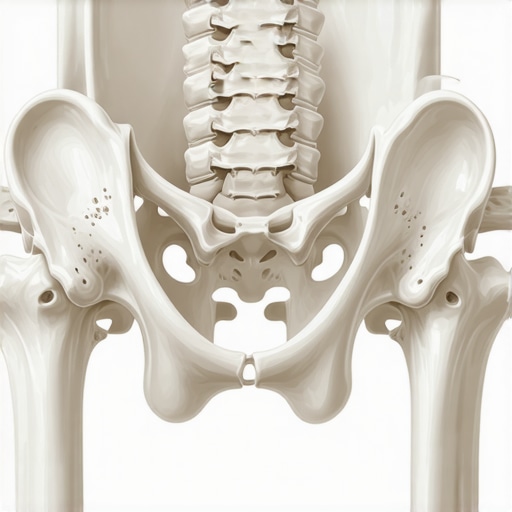
I remember the first time I caught myself in the mirror, noticing that my pelvis wasn’t level anymore. It was like looking at a crooked picture hanging on the wall—starting with a small tilt but gradually feeling like my entire posture was off. That lightbulb moment made me realize how subtle shifts in our pelvis can silently throw off our balance and cause discomfort. Have you ever felt like one hip is slightly higher than the other or noticed your stance isn’t quite symmetrical? If so, you’re not alone, and the good news is—there’s often a fix.
Understanding Why Your Pelvis Sways to One Side
Our pelvis acts as the foundation for our entire posture. When it leans to one side, it can be due to a combination of habits, muscle imbalances, or even misalignments. Surprisingly, many of us develop these issues without even realizing it—think about sitting at a desk for hours or constantly carrying a heavy bag on one shoulder. Over time, these repetitive behaviors can cause the pelvis to tilt, resulting in uneven hips and a misaligned spine. The real kicker? Most people overlook this as just a minor quirk, not recognizing how it affects overall health.
Early on, I made the mistake of ignoring slight discomforts, telling myself they’d go away. But ignoring these signs can lead to chronic pain and further misalignments. Recognizing and addressing the root cause of pelvic tilt early on is crucial. For more insights into how chiropractic care can help improve posture, check out this detailed guide.
Is Correcting Pelvic Imbalance Really Worth the Effort?
One of my biggest skeptics was always myself. I wondered if adjusting my pelvis was just a temporary fix or if the problem would keep coming back. I’d invested in a few quick stretching routines that did little more than scratch the surface. But addressing this issue with a comprehensive approach—combining targeted mobility exercises and professional adjustments—made a tangible difference. The truth is, ignoring pelvic tilt can lead to issues like sciatica, hip pain, and even neck tension, which no amount of superficial stretching can resolve. It’s an investment in your functional health, not just appearance.
Targeted Mobility Exercises
Start by identifying tight or weak muscles contributing to your tilt. Think of your pelvis as a door hinge that needs proper lubrication and alignment. I vividly recall a day I dedicated 10 minutes to hip flexor stretches after noticing my tilt worsening. I performed gentle lunges, focusing on controlled movements, which gradually eased the tightness. Incorporate movements like mobility drills that release tension and activate underused muscles. Consistency is key—make these exercises a daily habit.
Use Specific Stretches to Loosen Tight Muscles
Target tight hip flexors and hamstrings with stretches like half-kneeling lunges and seated forward bends. When I first tried the hip flexor stretch, my hips felt sore initially, but after a week, I noticed a significant difference. Remember, never push to pain—ease into each stretch and hold for 30 seconds. Over time, this restores balance and reduces pelvic tilt. To deepen your understanding, explore this comprehensive guide.
Chiropractic Adjustments and Their Role
Think of chiropractic adjustments as fine-tuning a musical instrument; they align your spine, pelvis, and neck to function harmoniously. I once visited a chiropractor after months of persistent discomfort. The adjustment was like resetting a crooked picture—instant relief, and my posture improved visibly. Regular adjustments help maintain proper alignment, preventing the pelvis from reverting to its misaligned state. Combine adjustments with active movement for best results. Check out this resource to understand how to optimize spinal health.
Incorporate Post-Adjustment Practices
After an adjustment, I recommend gentle movement, like walking or pelvic tilts, to reinforce proper alignment. Think of it as reinforcing the new shape—if you leave a bent wire untouched, it will bend back. Maintaining active engagement helps cement correct posture. Following a professional adjustment, stay mindful of your daily habits, like avoiding uneven standing or sitting for extended periods. Need guidance? Reach out at our contact page.
Develop Daily Habitual Corrections
Adopt simple routines like standing desks, mindful sitting, and controlled breathing to support ongoing alignment. I use a reminder app to check my posture every hour; it’s like having a coach sitting on my shoulder. Also, practice deep diaphragmatic breathing to engage your core and stabilize your pelvis. Over the weeks, these small adjustments compound into significant posture improvements. For targeted routines, see expert tips on integrating mobility into daily life.
Focus on Core Strengthening
Your core acts as a brace for your pelvis. I began a simple plank routine, gradually increasing duration, which helped stabilize my pelvis. Remember, weak core muscles allow tilting to persist. Incorporate exercises like bird dogs and side planks to build strength. Consistency transforms these from chore into habit, reducing pelvic sway over time. Learn more about core routines at this resource.
Many individuals believe that simply stretching or receiving occasional chiropractic adjustments is enough to maintain optimal health. However, this oversimplification ignores the complex interplay of neuromuscular patterns, tissue adaptation, and habitual behaviors. One common myth is that more frequent cracking or cracking at all times signifies progress—that the louder, the better. In reality, excessive or unnecessary adjustments can sometimes hinder your body’s natural ability to self-correct, leading to dependency or even proprioceptive desensitization.
Are You Misinterpreting Flexibility Gains as Improved Function?
Some assume that increased range of motion equates to better mobility, but without addressing underlying stability, this can be a false sense of improvement. For example, forcibly increasing joint looseness through passive stretching without strengthening surrounding muscles may result in joint instability and higher injury risk. This misconception often leads to neglecting essential core engagement or foundational stability, which are crucial for sustainable mobility.<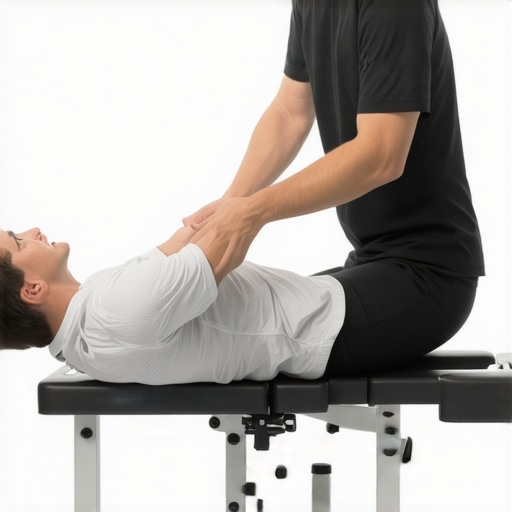 >Another overlooked aspect is the importance of active control. True mobility isn’t just about flexibility—it’s about integrating movement with stability. Research by Stuart McGill emphasizes that optimizing spinal health relies heavily on strengthening core muscles to support mobility rather than relying solely on passive relief techniques. Thus, a nuanced approach involves not only improving tissue length but also retraining the nervous system to control movement efficiently.
Many people fall into the trap of underestimating the body’s proprioceptive feedback mechanisms. Repeatedly dismissing sensations of tightness or discomfort as mere stiffness, without exploring causation or restoring proper neuromuscular patterns, can solidify poor habits. It’s essential to understand that relief from a quick adjustment or stretch is often temporary if the underlying movement patterns aren’t addressed. Professional guidance can help recalibrate your nervous system, promoting better control and reducing the need for frequent interventions.
Finally, beware of the false belief that more is better. Overdoing mobilizations or chiropractic treatments without integrating corresponding exercises can lead to overextension or tissue trauma. Instead, focus on personalized, balanced routines that combine mobility, stability, and motor control exercises. For instance, incorporating targeted mobility drills from expert resources can help bridge the gap between passive flexibility and active control, leading to lasting improvements. Explore techniques that aim to enhance your body’s innate capacity to move freely and safely, rather than solely relying on external adjustments.
Have you ever fallen into this trap? Let me know in the comments. Remember, understanding the nuances of mobility and chiropractic care can empower you to make better decisions for your health, ensuring that your efforts lead to sustainable, pain-free movement.Maintaining your improved posture and mobility over time requires more than just occasional tweaks; it demands the right tools and consistent routines. One of my preferred devices is the *foam roller*, specifically a dense, 36-inch variation. I use it daily to release fascial restrictions, especially around my thoracic spine and hips, which are common culprits behind stiffness. The key is employing targeted myofascial release techniques, which you can learn more about in the comprehensive guide on mobility exercises. Additionally, I swear by a *mini-balance pad* for standing desk sessions, which subtly challenges my stabilization muscles, promoting better alignment during long periods of activity.
For tracking progress and cues, I rely on a simple *posture reminder app* that prompts me to check my stance every hour. This external accountability helps reinforce habitual corrections. Coupled with this, I incorporate *band resistance exercises*—specifically using resistance bands for shoulder and core strengthening, which prevent the recurrence of misalignments. I prefer bands labeled as
The Unexpected Lessons That Changed My Approach to Pelvic Health
One of the most profound lessons I learned was recognizing that realignment isn’t just a quick fix—it’s a journey rooted in understanding your body’s subtle signals. I once believed that a single adjustment could permanently correct pelvic tilt, but I realized that sustainable change demands ongoing awareness and effort. This insight shifted my mindset from seeking instant results to embracing consistent habits that nurture long-term health.
Another revelation was that superficial stretching often masks deeper neuromuscular issues. I used to focus solely on flexibility, assuming it would solve my imbalance. However, I discovered that without strengthening and retraining my nervous system, I was merely treating symptoms temporarily. Incorporating stability exercises and neuromuscular control routines dramatically improved my posture and reduced recurring misalignments.
Lastly, I realized that habits are the hidden culprits behind pelvic sway. Habits like prolonged sitting, carrying heavy loads unevenly, or poor sleep positions subtly reinforce misalignment. Recognizing these patterns empowered me to make mindful adjustments—standing more deliberately, adjusting my workspace ergonomically, and practicing mindful breathing to engage my core. Small, deliberate actions cumulatively forge lasting change.
Tools and Resources That Accelerated My Progress
My essential toolkit includes targeted mobility guides like this comprehensive mobility routine. It offers practical exercises that unlock tight hips and restore balance. I trust the resource because it’s rooted in evidence-based practices and tailored to real-life applications.
Chiropractic care played a pivotal role in my journey. Regular adjustments from a skilled chiropractor, especially using techniques detailed in this guide, helped me fine-tune my alignment and reinforce new movement patterns. The combination of professional care and home exercises accelerated my recovery and maintained my progress.
Additionally, incorporating a foam roller for fascia release and a balance pad for stability training has been invaluable. These simple yet effective tools help me stay connected with my body, improve circulation, and prevent setbacks. Over time, integrating these resources transformed my approach from reactive to proactive, ensuring sustained posture health.
Your Next Step Toward Lasting Change
Understanding the nuances of pelvic alignment and mobility—beyond quick fixes—is empowering. The journey may seem challenging initially, but consistency and awareness are your best allies. Embrace small daily habits, leverage effective tools, and seek professional guidance when needed. You’re capable of reclaiming control over your posture and mobility, leading to a more comfortable, pain-free life.
What specific habit or routine are you excited to try first on your path to better pelvic health? Share your thoughts below—I’d love to hear your plans and support your journey!