
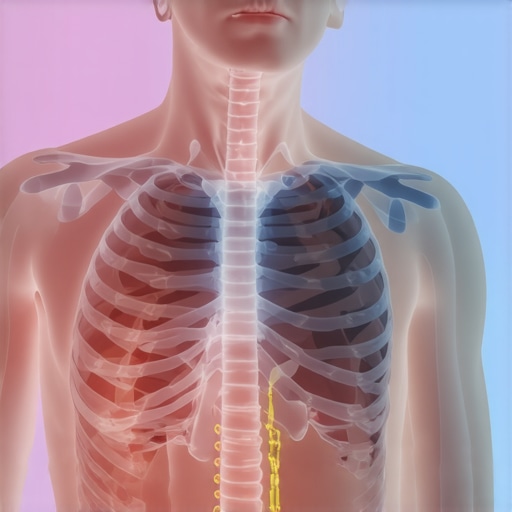
Have you ever experienced that unsettling moment when a sudden sneeze makes your ribs feel completely out of whack? One minute, you’re peacefully going about your day, and the next, there’s this strange, uncomfortable sensation—like your rib cage has shifted or isn’t aligning properly. I remember the first time it happened to me; I was caught off guard, trying to brace for the inevitable sneeze, only to feel an odd jolt in my chest area afterward. It was a lightbulb moment that led me down a rabbit hole of understanding how sneezing can sometimes leave our bodies feeling a bit disorganized.
Understanding the Unexpected Aftershock of a Sneeze
It’s not just your imagination—sneezing involves a rapid, forceful contraction of muscles in your chest, back, and abdomen. When done forcefully enough, this sudden burst can temporarily disrupt your body’s normal alignment. Think of it like a quick jolt that momentarily throws your muscular and skeletal systems off balance. That sensation of your ribs feeling out of place is often caused by tiny shifts or tension in the muscles and joints around your rib cage. If you’ve ever felt a tense band or a pinched feeling after a hard sneeze, you’re not alone. In fact, research shows that intense respiratory expulsions can influence spinal positioning, especially in the thoracic area—where most of your ribs connect.
Early on, I made the mistake of ignoring these symptoms, assuming they’d just go away. But neglecting proper mobility and posture adjustments can lead to lingering discomfort or even chronic issues. That’s why understanding what’s happening in your body—and how to address it—matters. I’ve personally found that gentle strategies, like targeted chiropractic techniques and mobility exercises, can make a world of difference in restoring proper alignment and easing that weird out-of-place feeling.
Today, we’ll explore why your ribs might feel displaced after sneezing and share practical, friendly tips to help you alleviate and prevent this discomfort. If this sounds familiar, keep reading! We’re in this together, and there’s a straightforward way to get your body back in harmony without overcomplicating things.
Is this a common myth or actually something to worry about?
Many folks, including myself at first, worry that such sensations are signs of something serious. I remember stressing about whether I had fractured a rib or damaged my spine. Early in my exploration, I learned that most cases are harmless muscle or joint tension, not fractures or major injuries. However, ignoring persistent discomfort can lead to problems down the line. To better understand how sneezing impacts your body and what you can do about it, consider checking out this comprehensive guide. Now, let’s get into smarter ways to keep your posture strong and your ribs happy, even after that unexpected sneeze.
Start with Gentle Mobility Exercises
After experiencing that odd sensation in your ribs post-sneeze, initiate gentle movements like rib cage rotations and side bends to encourage natural realignment. I recall a morning when I felt that tight pull; by slowly twisting my torso in a seated position, I released the tension. This mimics the way a good stretch works as a natural adjustment for your muscles and joints, easing discomfort gradually.
Apply Targeted Chiropractic Techniques
Next, consider consulting a chiropractor who specializes in thoracic adjustments. These professionals use specific pressure points and rapid but controlled movements to realign your ribs and spine. I had my first adjustment after a stubborn out-of-place sensation, and the immediate relief was striking. Think of it like resetting a misaligned door hinge—precise and intentional movements ensure everything swings smoothly again. Check out this guide for more insights.

strengthen Your Posture with Daily Habits
Improving overall posture reduces the likelihood of recurring issues. Stand and sit with your shoulders back, chest open, and ribs gently engaged. I made a habit of checking my posture every hour during work, which gradually strengthened my musculature and prevented the rib discomfort. Think of your muscles as the guy wires supporting a tent—tighten the right ones, and your structure remains firm and stable.
Incorporate Breathing Techniques
Deep diaphragmatic breathing encourages the ribs to expand and contract properly, promoting alignment. I practiced slow, controlled breaths—inhale to fill my belly, exhale slowly—after feeling the out-of-place sensation. This method can relax tense muscles and help your body self-correct, much like oxygen flushing out tension pockets around your ribs.
Maintain Consistent Mobility and Posture Practices
Daily mobility routines cement gains made from initial adjustments. Use tools like foam rollers or massage balls to release tightness in the intercostal muscles. I found that incorporating short mobility sessions during my workday kept my thoracic area flexible and resilient. Think of this as regular maintenance on a vehicle—preventative care keeps everything running smoothly. For tailored movements, explore this resource.
When it comes to posture correction and chiropractic adjustments, many assume that following generic routines guarantees success. However, as an expert in the field, I can tell you that there’s often a trap of misconceptions and overlooked details that can hinder your progress. One common myth is that simply stretching or cracking your joints will fix complex postural issues. In reality, superficial fixes may only provide temporary relief if you don’t address the underlying muscle imbalances and interaction patterns.
Many individuals fall prey to the idea that all chiropractic adjustments are the same or that they can ‘fix’ their posture with a one-time visit. That couldn’t be further from the truth. The effectiveness of adjustments depends on consistent follow-up, tailored exercises, and a deep understanding of individual neuromuscular patterns. Experts like Dr. Craig Liebenson emphasize that successful postural correction requires a comprehensive approach combining spinal realignment with mobility training and motor control exercises (source).
Are Rapid Adjustments Always Better for Posture Fixing?
A common misconception is that quick, high-velocity manipulations are superior. While such techniques can be beneficial, over-reliance on aggressive adjustments without proper muscle activation and stability training can lead to instability or recurrent misalignments. The nuance lies in understanding that adjustments should be part of a holistic strategy — including mobility drills and proprioception work—that ensures long-lasting benefits (see how professionals approach it).
Another often-overlooked aspect is the importance of daily habits in maintaining alignment. Simple yet consistent practices like conscious posture during activities or targeted mobility exercises can reinforce adjustments and avoid regression. For example, integrating mobility routines like those found in targeted mobility exercises can significantly improve spine resilience.
Beware of the trap of passive dependence solely on adjustments. The real improvement stems from empowering yourself with knowledge and proactive behaviors. My recommendation: prioritize a comprehensive, evidence-based approach—combining chiropractic care with daily mobility and posture habits—to achieve sustainable results. Remember, true mastery involves understanding the subtle nuances rather than settling for superficial fixes.
Have you ever fallen into this trap? Let me know in the comments. For personalized guidance, consider scheduling a consultation here.
Maintaining optimal posture and mobility requires more than just occasional stretches; it involves integrating effective tools and consistent practices into your daily routine. One of my go-to devices is the **foam roller**, specifically for releasing tension in the thoracic and lumbar regions. I personally favor the **Addaday Foam Roller**, which offers firmness and durability, allowing me to target deep muscle layers effectively. Regular use—about 5-10 minutes daily—helps prevent the buildup of stiffness that can compromise spinal alignment over time.
Another invaluable tool is the **resistance band**, which I utilize for gentle mobility drills focusing on shoulder and hip stability. These bands are compact, affordable, and versatile. I incorporate exercises like shoulder dislocations and hip openers with resistance bands to reinforce joint stability, crucial for long-term posture health. The key is consistency; brief sessions each morning keep my tissues supple and responsive.
When it comes to software, I recommend apps like **MobilityWOD** or **The Ready State** that offer guided routines tailored to different needs. I personally follow their mobility flows before workouts and during sedentary periods. These routines include specific ranges of motion—like the shoulder pass-throughs or thoracic extensions—that I’ve found are proven to combat postural deterioration, especially in a digital age where desk work dominates.
For tracking progress, I rely on a simple **posture assessment app** such as **Upright**. Periodic self-assessments using this technology help me identify subtle shifts and motivate me to stick with my mobility practices. The goal is to catch misalignments early and address them with targeted exercises before they become chronic issues.
Looking ahead, I predict that wearable tech will play an even bigger role in long-term posture maintenance. Devices with embedded motion sensors could provide real-time feedback on posture habits, alerting us when we’re slouching or overextending. Already, some products are integrating AI for personalized corrective cues, which could revolutionize how we stay upright throughout the day.
If you’re serious about making lasting improvements, start integrating tools like the foam roller and resistance bands into your routine. Combine them with guided routines from expert sources, and utilize assessment apps to stay accountable. Remember, the secret is consistency—scheduled daily practices that become as integral as brushing your teeth. To optimize your approach, consider exploring [this comprehensive guide](https://quackersneck.com/the-ultimate-guide-to-improving-mobility-and-posture-in-2025) for advanced strategies. And don’t forget: try a dedicated mobility drill today—like the thoracic extension with your foam roller—and note how it influences your comfort and posture over the coming weeks.
The Hardest Lesson I Learned About posture, adjustments, mobility, chiropractic
One of the most profound realizations I had was that consistent, personalized routines trump quick fixes. I once thought that a single adjustment or stretch could transform my posture instantly. But over time, I discovered that long-term habits—like daily mobility exercises and mindfulness—are what truly reshape our bodies and minds. This lesson taught me patience and the importance of listening to my body’s subtle signals, ensuring sustainable progress rather than superficial relief.
3 Myths About posture, adjustments, mobility, chiropractic That Held Me Back
Believing that cracking your back always means progress was a misconception I struggled with. I also thought that intense, aggressive adjustments were the only way to correct posture issues, neglecting the value of stability and controlled movements. Lastly, I used to dismiss the significance of daily habits, assuming isolated sessions were enough. Busting these myths opened my eyes to a comprehensive approach—combining gentle mobility, expert chiropractic care, and consistent habits—that delivers lasting results.
What Experts Won’t Tell You About posture, adjustments, mobility, chiropractic
Many professionals emphasize quick fixes, but the real power lies in personalized, evidence-based strategies that integrate mobility drills with neuromuscular training. I learned that understanding your unique body mechanics and committing to proactive practices can prevent recurring issues more effectively than one-size-fits-all solutions. Embracing this insight transformed my approach, making me more confident in my journey toward better posture and overall mobility.
My Essential Toolkit for posture and mobility
Tools like the comprehensive mobility guide have been instrumental in my progress, offering tailored routines that fit into any schedule. The mobility routines for daily adjustments help me stay resilient during busy days. Additionally, expert-backed equipment such as foam rollers and resistance bands have proven essential for maintaining flexibility and strength, making each session both efficient and effective.
Your Next Step Toward Lasting Change
Now that I’ve shared my personal insights, I encourage you to start integrating these strategies into your daily routine. Remember, consistent effort and self-awareness are the keys to unlocking your body’s full potential. Make this the year you take proactive control of your posture and mobility—your future self will thank you. Are you ready to embrace a healthier, more aligned version of yourself? Share your goals below and let’s support each other on this journey to lasting wellness.