
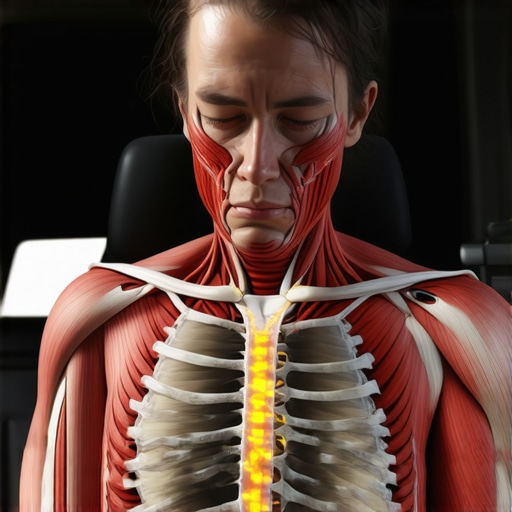
Ever finish a grueling road trip or a full day of commuting and notice your ribs aching and feeling tight? That unmistakable sense that your chest and upper back have turned into a rigid, unyielding cage. I’ve been there myself—believe me, nothing kills the joy of a drive faster than that uncomfortable, stiff sensation creeping in as the hours pass. Initially, I dismissed it as mere fatigue or poor posture, but I soon discovered there’s more to it—and it’s entirely fixable.
Today, I want to share what I’ve learned about this common yet often overlooked issue. We’ll explore why your ribs might get stiff after a day behind the wheel and, more importantly, how you can ease that tension with simple, practical adjustments. No fancy equipment needed—just a bit of awareness and some targeted moves that can make a huge difference.
Feeling Trapped: Why Your Ribs Tighten Up After Long Drives
The first lightbulb moment for me was realizing how much our posture shifts during long periods of sitting—especially in cars. When you’re driving, your upper body tends to slump forward, your shoulders hunch, and your rib cage compresses. Over time, these postural habits cause your chest muscles and connective tissues to tighten, leading to that stiff, restricted feeling. Not only does this impair your breathing, but it also reinforces muscle imbalances that keep you feeling stuck.
What I didn’t appreciate early on was how this tension isn’t just discomfort; it can impact your overall mobility and even worsen over time if ignored. Research supports this—studies show that sustained poor posture can lead to chronic musculoskeletal issues, including rib cage restrictions (see [here](https://quackersneck.com/how-chiropractic-adjustments-enhance-posture-and-mobility)). The good news? Simple, mindful adjustments can break this cycle.
So, if you’re tired of feeling like your chest is locked up after a long drive, stay tuned. We’ll dive into specific strategies that helped me—and can help you regain that sense of freedom in your movement. Ready? Let’s go.
Begin with Deep Breathing to Reset Your Rib Movement
When I first felt that constricted tightness after a long drive, I found that focusing on deep, diaphragmatic breathing helped me reconnect with my rib cage. Lie down on your back with one hand on your chest and the other on your belly. Inhale slowly through your nose, feeling your belly rise, then let out a gentle exhale through pursed lips. Repeat this for 2-3 minutes. This simple act helps relax the intercostal muscles and restores normal rib motion, making it easier to breathe comfortably again.
Implement Targeted Chest and Side Stretching Techniques
Next, I started incorporating specific stretches modeled after mobility hacks from mobility hacks. For example, stand next to a wall, extend your arm, and gently turn your torso away from the wall to stretch your chest and sides. Hold for 20 seconds. Another effective move is the doorway stretch: place your forearms on either side of an open doorframe and step forward, feeling the stretch across your chest. Consistently doing these helps unravel the tightness accumulated during prolonged sitting, restoring flexibility.
Incorporate Gentle Self-Adjustments and Posture Awareness
I also used self-traction techniques, like gently leaning into a foam roller or tennis ball placed across my upper back and ribs—similar to chiropractic adjustments explained in adjustment strategies. I slowly rolled over these points to release fascial tension. Be cautious—avoid excessive pressure. Remember, regular awareness of your posture during drives can prevent the build-up of tension. Sit with your back supported, shoulders relaxed, and take short breaks every 30 minutes to change positions. This proactive step is akin to minor chiropractic interventions that keep your tissues supple.
Practice Spinal Mobility Movements to Alleviate Rib Restrictions
Adding spinal twists and side bends mimics the benefits of mobility exercises recommended in mobility routines. For example, sit sideways on a chair and twist your torso toward the backrest, holding for 15 seconds. Repeat on both sides. These movements help release restrictions in your thoracic spine, facilitating freer rib movement. My favorite was the ‘standing side stretch,’ where I reach overhead and lean to one side, feeling the expansion through my ribs and intercostals. Regularly doing this unlocks gathered tension from hours of slumped seating.
Use Heat Therapy and Consistent Maintenance
Finally, applying gentle heat with a warm compress or heating pad on your chest and upper back can relax tight muscles, making stretches and adjustments more effective. I found that consistent maintenance—combining breathing, stretching, self-mobilization, and posture checks—kept the tightness at bay. This holistic approach mirrors the benefits of professional chiropractic care, but with simple tools you can manage daily. Incorporate these steps after each long drive, and over time, you’ll notice less stiffness, more breath capacity, and increased comfort in your upper body.
Many people believe that achieving perfect mobility or correcting posture is simply about doing more stretches or visiting a chiropractor regularly. However, these assumptions often overlook the nuanced mechanics behind proper movement and alignment. For instance, it’s a common myth that cracking your joints or spinal adjustments alone can lead to lasting improvements. In reality, without understanding the underlying neuromuscular patterns, these quick fixes may only provide temporary relief and can sometimes reinforce poor habits.
Another often-missed nuance is that mobility isn’t just about flexibility; it’s about the interaction between muscles, fascia, and the nervous system. Over Stretching or aggressive mobilizations, especially without proper guidance, can destabilize joints or increase tension in surrounding tissues. A study published by the American Chiropractic Association emphasizes that personalized, controlled adjustments combined with neuromuscular re-education are far more effective than generic routines.
Beware of the trap of relying solely on passive modalities like heat packs or foam rolling. While these tools can temporarily reduce tension, they don’t address the root cause: faulty movement patterns or poor motor control. For example, if your shoulders slump because your deep core isn’t engaged, simply stretching the chest won’t solve the problem. Instead, active re-education and strengthening are necessary to rebuild balanced functions, as detailed in the article here.
A critical misconception for advanced practitioners is the belief that mobility work is separate from strength training. In reality, improving joint and tissue quality must go hand-in-hand with stability exercises. Without adequate controlled load, tissues can become hypermobile, increasing injury risk. This interplay between mobility and stability is often misunderstood, leading to over-stretching or underutilizing targeted activation, which can cause further imbalance.
Many also forget that posture correction is a lifetime commitment, not a one-time adjustment. Small, consistent habits—like mindful sitting, strategic movement breaks, and proper breathing—compound over time. Professional guidance, especially from experts familiar with both chiropractic and functional movement principles, can accelerate progress. For more advanced strategies, check the practical chiropractor methods linked here.
So, are you falling for any of these common misconceptions? Recognizing the hidden nuances in mobility, posture, and adjustments can save you from wasting time or even causing harm. Share your experience or questions below—let’s dig deeper into your movement mastery! Have you ever fallen into this trap? Let me know in the comments.Maintaining your improved mobility and posture over time requires more than just sporadic stretches; it involves a strategic combination of effective tools, consistent routines, and mindful practices. Personally, I rely on a few specialized tools that have become indispensable in my daily maintenance regimen, helping me sustain long-term results without the need for frequent professional interventions.
One of my go-to instruments is the **foam roller**, specifically a dense, high-quality model like the **TriggerPoint GRID**. I use it not just for general myofascial release but precisely on my thoracic and rib areas to dismantle stubborn fascial adhesions that can reform after periods of inactivity or prolonged sitting. The key is my consistent application—dedicating 5-10 minutes daily to roll over tense spots helps prevent the recurrence of stiffness and ensures that tissue quality remains high.
Alongside foam rolling, I incorporate **mobility balls**, such as small lacrosse balls or specialized massage balls. I place these between my rib cage and a wall, performing **self-traction** to mimic chiropractic adjustments. This technique, detailed further in adjustment strategies, allows me to release localized restrictions in my thoracic region, which otherwise tend to stiffen over time.
Another component I swear by is **posture correction software**. Using an app like **UpRight**, which provides real-time feedback through wearable sensors, keeps me aware of my alignment throughout the day. It’s a game-changer for me because it reinforces good habits and alerts me when I start to slouch. This tech-driven awareness supports my manual interventions and creates a feedback loop that solidifies correct neuromuscular patterns.
For sustained improvements, I also pay attention to **long-term tool investments** like ergonomic chairs and adjustable workstations. I’ve adjusted my monitor height and chair positioning based on recommendations from tips on workstation ergonomics, which help minimize postural strain during prolonged work sessions.
Prediction-wise, the future of my mobility maintenance seems to lean toward **integrated tech**—wearables that combine mobility tracking, muscle activation data, and even AI-driven coaching. These innovations may soon make personalized, adaptive routines seamlessly integrated into daily life, reducing the need for constant manual effort.
### How do I keep my mobility routines effective over time?
The answer lies in **consistent, strategic use of the right tools**. Incorporating foam rollers and mobility balls into daily or every-other-day routines keeps tissues pliable and restrictions at bay. Pairing these with _______ (consider trying an app like UpRight for real-time posture feedback), creates a comprehensive system that fortifies your progress effectively. Remember, routine is king—regularly scheduled maintenance prevents setbacks and ensures your mobility remains resilient, allowing you to enjoy an active lifestyle for years to come.
The Hardest Lesson I Learned About Mobility and Posture
One of my most profound insights came when I realized that quick fixes like cracking joints or sporadic stretching only scratch the surface. True progress demands understanding that mobility is intertwined with neuromuscular control; otherwise, you’re just temporarily masking issues that require consistent attention and mindful habits.
Why Conventional Wisdom Can Mislead About Posture Techniques
For years, I believed that major adjustments or aggressive stretching would permanently straighten my posture. It wasn’t until I integrated active re-education and movement pattern corrections, as discussed here, that I experienced real change. Sometimes less is more, and gentle, sustained efforts pave the way for lasting benefits.
Learning From My Pitfalls: Relying Too Heavily on Passive Tools
I used to think that foam rolling and heat therapy alone could solve my mobility issues. Over time, I understood that these are supportive measures; without addressing underlying muscular imbalances or faulty movement patterns, they’re only part of the puzzle. Active engagement, mobility exercises, and proper stabilization are essential components of lasting health, as highlighted in practical strategies.
Establishing a Mindful Movement Routine to Defy Aging
My biggest revelation was that posture correction isn’t a one-time effort but a lifelong journey. Incorporating simple, daily habits like conscious breathing, mindful sitting, and strategic mobility drills—like those shared here—has kept me agile and pain-free. Embracing this mindset transforms mobility from a chore into a rewarding daily ritual.
Curated Tools That Amplify Your Progress
Through trial, I discovered that quality tools make a significant difference. My go-to includes a dense foam roller, which I use for fascia release and tissue quality, as recommended in self-myofascial release techniques. I also rely on mobility balls for targeted self-traction and tech tools like posture correction apps, like wearable feedback devices, to boost awareness and reinforce good habits. Investing in ergonomic adjustments has also prevented recurring stiffness and pain.
Embrace the Road Ahead: Your Mobility Journey Starts Today
Remember, reclaiming and maintaining mobility is a dynamic process—one that rewards consistency, patience, and awareness. By integrating mindful movement, proper tool use, and ongoing education, you’ll build resilience against stiffness and discomfort. Your journey toward a pain-free, flexible life is within reach—begin it now, and don’t look back.