
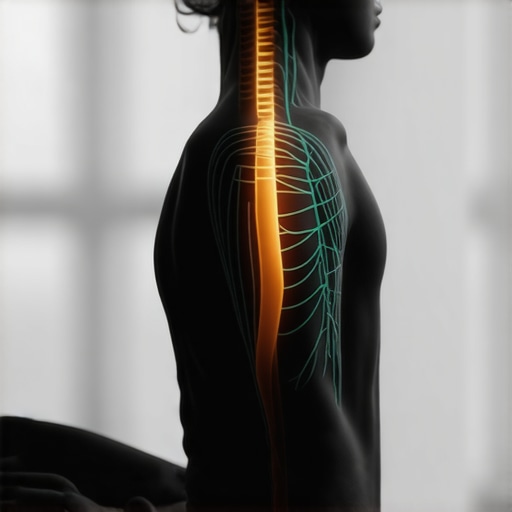
Ever sat at your desk, striving for that perfect, upright posture, only to feel a strange numbing sensation creeping down your arm? I used to think that standing tall and keeping my shoulders back was the best way to avoid back pain. But one day, I experienced a sharp tingling that made me pause—and rethink everything I knew about good posture.
Why Our Quest for a ‘Straight’ Spine Might Be Backfiring
In my journey to improve my posture, I discovered that the obsession with perfectly aligned shoulders and a straight back can sometimes create unintended consequences. Instead of alleviating pain, rigid posture habits can contribute to nerve pressure, causing discomfort, numbness, or weakness. This realization was a lightbulb moment—what I thought was helping me might actually be making things worse.
Is the Pursuit of Perfect Posture Actually Worth the Hype?
Early on, I made the mistake of ignoring how my body felt during those stiff, upright moments—thinking muscle tension was just part of the process. But it’s crucial to listen to your body’s signals. Experts suggest that maintaining a balance between mobility and alignment is key, and overly rigid postures can compress nerves, leading to issues like sciatica or cervical radiculopathy. Interestingly, a study published in the Journal of Manual & Physical Therapy states that “postural malalignment combined with restricted mobility contributes significantly to nerve impingements” (source).
If you’ve ever wondered whether aiming for perfect posture might be a trap, you’re not alone. I’ve faced this dilemma myself, and through trial, error, and guidance from my chiropractor, I’ve learned that flexibility and mindful positioning play a vital role. This sets the foundation for adjusting not just how I sit or stand, but how I move and stretch throughout the day.
Now, let’s explore the practical steps I took to change my habits—and how you can do the same—to avoid nerve pressure while still maintaining good posture.
,
Incorporate Dynamic Movements Into Your Routine
Start by integrating gentle, controlled movements that promote mobility, not rigidity. For example, during my workday, I paused every 30 minutes to perform a simple shoulder roll or neck tilt, much like rotating a stiff hinge to prevent it from jamlocking. These micro-movements loosen up stubborn muscles and reduce the risk of nerve compression. I once tried doing this while waiting for a deadline, and although it looked awkward, I noticed my shoulders felt more relaxed over time.
Use Active Stretching Techniques
Switch from static holds to active stretching to encourage blood flow and enhance flexibility. Instead of holding a stretch for a minute, I learned to move through controlled ranges of motion, mimicking the way a flexible hinge works smoothly. For example, deep hip circles helped me release tightness in the lower back and hips. Regular practice can prevent muscles from tightening up and impinging nerves. Check out this mobility exercise routine for guidance.
Prioritize Chiropractic Adjustments for Alignment
Schedule periodic visits to a chiropractor, who can fine-tune your spinal alignment—much like fine-tuning a guitar string for perfect sound. During my initial appointment, the chiropractor identified a subtle misalignment that was pressing on my nerve root. After an adjustment, I experienced immediate relief and an improved range of motion. Combining adjustments with at-home mobility exercises enhances posture and reduces nerve impingement. Learn more about how chiropractic adjustments can transform your posture.
Integrate These Practices Throughout Your Day
Consistency is key. Set a timer for every 20-30 minutes to remind yourself to transition into these micro-movements or stretches. Think of your body as a machine—regular lubrication and readjustment keep it running smoothly. I incorporated these steps at my desk, during errands, and after workouts, noticing gradual improvements in comfort and posture. Remember, the goal isn’t perfection but a balanced approach that listens to your body’s signals and adapts accordingly. For more personalized strategies, explore our mobility hacks and tips.Many people assume that simply increasing flexibility or visiting a chiropractor guarantees perfect posture and pain relief, but the reality is more complex. A common misconception is that all stiffness or misalignment can be corrected with a quick fix or generic routine. However, expert insights reveal this approach can be counterproductive; for instance, aggressive stretching without understanding individual mobility limits may lead to nerve impingement rather than relief. As Dr. Craig Liebenson highlights in his research, “Active mobility exercises tailored to the individual are far more effective than one-size-fits-all static stretches” (source). Additionally, there’s a prevalent myth that chiropractic adjustments provide permanent solutions. While adjustments can realign the spine temporarily, if underlying habits and neuromuscular patterns aren’t addressed, misalignments often recur. This is why integrating regular movement, strengthening, and mindful habits is crucial for long-term health. From my experience, neglecting the body’s nuanced feedback — such as subtle pain or tightness — often results in worsening symptoms, especially when people push through discomfort or assume pain is a static problem rather than a dynamic signal. Be wary of the trap where quick fixes become a cycle of temporary relief without understanding the underlying mechanics. Advanced practitioners emphasize the importance of understanding movement variability and avoiding overly rigid postures that can compress nerves or joints over time. For example, focusing solely on static “correct” postures can ironically cause muscle fatigue and tension, undermining mobility rather than improving it.
How can you distinguish between beneficial mobility work and potential harm?
The answer lies in personalized assessment and progress tracking. Consulting with a knowledgeable chiropractor who uses detailed movement analysis, like those found in [this guide](https://quackersneck.com/the-link-between-mobility-and-posture-a-chiropractors-guide), helps identify your specific needs and pitfalls. Remember, the goal isn’t just to lock into an ideal position but to promote adaptable, resilient movement patterns. To deepen your understanding of these nuances, explore [the ultimate guide to improving mobility and posture in 2025](https://quackersneck.com/the-ultimate-guide-to-improving-mobility-and-posture-in-2025), which offers strategies grounded in current research and clinical experience. Have you ever fallen into this trap? Let me know in the comments and share your experiences. Ultimately, a nuanced approach that respects your unique anatomy and movement habits will lead to sustainable improvements — not just quick, temporary fixes.Maintaining your improved posture over time requires more than occasional stretches and adjustments; it calls for the right tools and routines that become part of your daily life. One indispensable item I personally swear by is a high-quality foam roller. Not just any foam roller, but one with varying firmness levels that allow me to target different muscle groups—mygo-to is the TriggerPoint GRID Foam Roller. It helps release tension in my hips and back, preventing stiffness that can undo previous progress. Regularly rolling my muscles as part of my morning routine ensures consistent mobility and pain prevention. Another essential tool is a resistance band set, which I use to perform simple strength and alignment exercises, especially for my shoulder girdle and core. These bands are versatile, inexpensive, and portable, making it easy to incorporate strength work anywhere, thus safeguarding my posture from long periods of sitting. For tracking and optimizing my progress, I rely on a posture correction app like Upright. It provides real-time feedback and customized exercises, which is crucial for long-term success. Keep in mind, technology trends point towards integrated biofeedback devices that connect with your smartphone, promising even smarter, more adaptive posture coaching in the near future. For instance, tools like the Upright Go evolve continually, providing personalized insights that help you stay accountable. But how do I maintain this system over time? It’s essential to embed these tools into a sustainable routine. I set reminders, like an hourly timer, to do micro-mobility drills—think shoulder rolls or gentle spinal twists—that keep my muscles active and alert. Additionally, scheduling periodic visits to a chiropractor—whose adjustments are complemented by these tools—helps fine-tune my alignment and prevent recurring issues. Combining manual therapy with supportive devices creates a synergy for enduring results. I also make it a habit to reassess my tools and techniques every six months. Lifestyle changes, aging, or evolving movement patterns may require updates to my equipment or routines. For example, I might switch to a more supportive ergonomic chair or try new mobility routines recommended in the latest [ultimate guide to improving mobility and posture in 2025](https://quackersneck.com/the-ultimate-guide-to-improving-mobility-and-posture-in-2025). To put this into action, I challenge you to incorporate a rolling routine with your foam roller today. Spend five minutes targeting your lower back and hips; you’ll be amazed at how much looseness and relief it can bring. Remember, consistency is your best ally in keeping your mobility working for you through the years.
3 Lessons That Changed How I Approach Mobility and Posture
The most valuable insight I gained was realizing that rigidity isn’t the answer; fostering gentle, controlled movements allows your body to communicate and adapt, rather than protest. I learned that listening to subtle signals—like a slight tingling or muscle tightness—helps prevent nerve impingements from becoming chronic issues. Finally, understanding that personalized, targeted adjustments trump generic routines shifted my entire approach, leading to more sustainable improvements in posture and comfort.
My Go-To Resources for Staying Aligned and Active
I’ve come to trust the comprehensive insights in a chiropractor’s guide to mobility and posture, which offers practical, research-backed strategies. The ultimate guide to mobility in 2025 keeps me updated on emerging practices and tools. For tools, the mobility hacks with resistance bands and foam rollers are lifesavers, helping me incorporate movement seamlessly into daily life. These resources have empowered me to stay proactive rather than reactive.
Your Next Step Toward Better Posture
Remember, maintaining good posture is an ongoing journey, not a one-time fix. Embrace micro-movements, use reliable tools, and seek personalized care to keep nerve pressure at bay. Your body will thank you for the consistent, mindful habits you build today. Are you ready to move beyond static stretches and rigid positions? The benefits await!
What’s one posture habit you plan to change or improve starting now? Share your thoughts below—I’d love to hear your story.
,