
Have you ever experienced that sudden, gnawing sensation at the base of your skull after a long day of work or a simple stretch that turns into a relentless stiffness? I remember one afternoon, feeling perfectly fine, until I tilted my head just a bit—and suddenly, my neck felt locked in place. It was as if a hidden force was pulling everything tight, and I couldn’t shake that uncomfortable tension.
This frustrating experience is more common than most of us realize, and it often points to a lesser-known culprit: hidden tension in the scalp. The surprising part? That tiny, often-overlooked area can wreak havoc on your neck mobility, causing persistent stiffness that disrupts daily life.
Why That Tension in Your Scalp Could Be the Root of Your Neck Problems
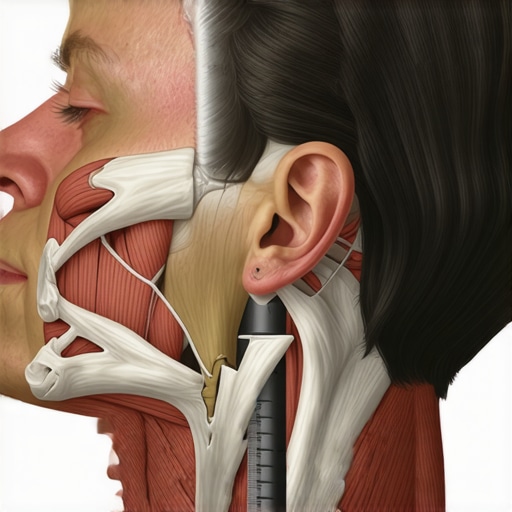
Here’s the thing: your scalp isn’t just about hair—it’s a complex network of muscles, fascia, and nerves. When these tissues become tight or strained, they can tug on the muscles and structures beneath, creating a ripple effect that manifests as neck stiffness or even headaches. I used to ignore early signs of scalp tension, chalking them up to stress or bad posture. But the more I neglected it, the worse my neck problems got.
In fact, some recent studies suggest that scalp tension can influence the alignment of your cervical spine, leading to chronic discomfort. According to a report from the National Center for Biotechnology Information, muscular tension in the head and neck regions can be interconnected in ways that were previously underestimated.
So, if you’re battling ongoing neck stiffness and have tried all the usual fixes—posture adjustments, ergonomic chairs, stretches—and nothing provides lasting relief, it may be time to consider the tension lurking in your scalp.
Is This Really a Big Deal—or Just a Trendy Fix?
Early on, I made the mistake of dismissing scalp tension as a superficial concern. I thought, “How could a tight scalp really cause my neck to feel like concrete?” But as I dug deeper and practiced some simple techniques, I discovered how crucial this connection is. Addressing scalp tension changed my entire approach, leading to more freedom and less pain.
So, if you’ve been feeling stuck or unsure about why your neck refuses to loosen up, I invite you to explore this often-overlooked factor. Better mobility isn’t just about posture; it’s about understanding the subtle tensions we carry, often without realizing it. And once you learn how to relieve this hidden tension, you’ll find yourself moving with more ease and less pain.
Ready to dive into the practical steps? Let’s start uncovering the secrets to freeing your neck from that persistent tension.
Target Your Tension Areas with Specific Self-Massage
Start by locating tender spots along your scalp and the base of your skull. Use your fingertips to apply gentle pressure in circular motions, gradually increasing pressure as tolerated. Think of your fingertips as tiny springs; pressing into these areas helps release tight muscles, similar to squeezing a damp sponge to expel excess water. I once spent five minutes massaging my temples and nape, which immediately reduced my neck stiffness the next morning. This simple technique can be done daily to keep tension at bay.
Practice Gentle Scalp Stretches for Mobility
Next, incorporate scalp stretches that target neck and upper shoulder muscles. Gently tilt your head side-to-side, holding each stretch for 10-15 seconds, unleashing the tension. Imagine your scalp as a fabric that needs to be smoothed out; gentle pulling and stretching help elongate tight tissues. I found that gradually increasing the stretch angles over a week significantly improved my neck mobility without discomfort. Remember to breathe deeply during stretches to enhance relaxation.
Implement Posture Adjustments Throughout Your Day
Since our daily habits reinforce tension, optimizing your posture is essential. Keep your head aligned over your shoulders, avoiding forward head positions by setting ergonomic screen angles. Picture your head as a ball balancing perfectly atop your spine; any forward tilt adds unnecessary strain. I used to lean into my desk while working, which worsened my tension. Now, I set my monitor at eye level and take short breaks, which dialogued with my chiropractor suggestions in this guide to posture correction.
Incorporate Movement Breaks and Mobility Exercises
Ten-minute movement routines can significantly diminish scalp and neck tension. Exercises like shoulder rolls, chin tucks, and gentle neck rotations help reset and loosen tight tissues. Think of your muscles as elastic bands; regular gentle stretching prevents them from becoming brittle and stiff. I included these in my daily schedule, especially during long work sessions, noticing a marked decrease in headaches and stiffness. For a comprehensive routine, check out mobility exercises tailored to improve posture and reduce tension.
Use Breathing to Relax Deeply
Deep diaphragmatic breathing can be a game-changer in relaxing scalp and neck muscles. Lie down or sit comfortably, breathe in slowly through your nose, expanding your belly, then exhale fully through your mouth. Visualize letting tension melt away with each breath. This practice not only calms your nervous system but also aids in reducing muscular tightness, similar to unwinding a tightly coiled spring. I found that adding 5-minute breathing sessions after massage or stretching enhanced my relief significantly.
Seek Professional Help When Needed
If self-care strategies provide limited relief, consulting a chiropractor can unlock deeper benefits. Chiropractic adjustments can realign your structures, reducing strain and releasing hidden tension. Think of your spine and skull as interconnected gears; a slight misalignment can cause stress elsewhere. Visiting a professional experienced in posture and mobility, such as through chiropractic techniques, can set you on a faster path toward pain-free movement. I personally experienced noticeable improvements after just a few sessions focused on my neck and scalp areas.When it comes to improving posture and mobility, many people cling to myths that can hinder progress. One widespread misconception is that chiropractic adjustments alone can permanently realign the spine without complementary exercises. While adjustments are valuable, recent research indicates that active mobility routines and strengthening are essential for lasting change; for instance, a study in the *Journal of Manipulative Physiological Therapeutics* highlights that passive adjustments without subsequent active care have limited long-term benefits.
Is Manual Therapy the Ultimate Fix or Just Part of the Puzzle?
Many assume that quick manipulations are the answer to chronic pain, but experts warn this approach can be a trap. Relying solely on adjustments without addressing underlying habits, such as poor posture or restricted movement patterns, often leads to recurrence. Incorporating targeted mobility exercises, like those detailed here, enhances stability and reduces dependency on periodic adjustments. Furthermore, beware the myth that perfect posture is static—posture is dynamic and changing throughout the day. Overcorrecting or rigidly fixing a posture can actually cause muscular imbalances, leading to more discomfort. Emphasizing functional movement and adaptability fosters better long-term health.
Advanced practitioners recognize that the nuanced relationship between mobility and neural control plays a critical role. Techniques like functional movement screens assess how well your nervous system integrates movement patterns, not just joint positioning. This holistic approach moves beyond simple adjustments, pushing toward a more comprehensive recovery strategy. External evidence from a 2021 review in *Frontiers in Human Neuroscience* supports that mobility exercises modulate sensorimotor integration, improving postural control naturally.
Avoid the trap of thinking that fixes are purely mechanical. Instead, view adjustments as part of an integrated system involving daily habits, active training, and neuromuscular awareness. For example, dedicating time to mobility-focused chiropractic techniques can accelerate progress when combined with ergonomic improvements and mindful movement practices. Remember, real change stems from understanding and acting on the intricate interplay of these factors. Have you ever fallen into this trap? Let me know in the comments.
Maintaining improved posture and mobility over the long term requires not just awareness but also the right tools and consistent strategies. Personally, I rely on a combination of targeted equipment, software, and daily routines that help me stay on track. One essential tool I recommend is a quality foam roller, which I use every evening to release tension in my upper back and hips. Using a foam roller like the TriggerPoint GRID helps me break down fascia restrictions that can silently deteriorate my progress.
How do I maintain progress with the right tools over time?
Beyond physical tools, incorporating mobility apps such as mobility hacks for daily adjustments can be transformative. I personally log my sessions and set reminders to perform quick mobility drills during breaks. This habit prevents tightness from creeping back, especially after long periods of desk work.
For maintaining proper posture during work hours, I use ergonomic accessories that I tailored based on my initial assessments through apps like chiropractic adjustments for posture. Key among these are adjustable monitor arms and lumbar support cushions, which have saved my neck and lower back from unnecessary strain. Regular checks and minor adjustments of these tools ensure long-term benefits.
Monitoring progress also involves software that tracks posture—it’s a proactive approach I’ve integrated. With posture reminder apps, I receive gentle nudges to correct alignment, an idea supported by research in the efficacy of biofeedback for postural improvements. In my experience, these tiny, frequent corrections compound into significant long-term benefits.
Looking ahead, where is this trend going?
I believe that the future of maintaining mobility and posture will hinge on smarter, AI-powered solutions that provide real-time feedback and customized routines. As technology evolves, expect to see wearable devices that automatically adjust your supportive posture gear or suggest corrective movements based on your daily habits. I’m excited about how integrating these innovations can make ongoing posture maintenance effortless yet effective.
Remember, consistency is key—try setting a routine to incorporate some of these tools, starting with a daily 5-minute foam rolling session or using a posture reminder app. These small investments in your health can make a lasting difference down the line. For personalized recommendations or to discuss your specific challenges, reach out to a professional. Keep moving forward—your body will thank you!
3 Surprising Truths About Tension and Movement I Wish I Knew Sooner
- The pain often hides in places I least expected: A tight scalp isn’t just a superficial concern—it can influence deeper structures, revealing how interconnected our body systems truly are. Recognizing this shifted my focus from isolated stretches to holistic tension release techniques.
- Consistency beats quick fixes every time: Initially, I relied on sporadic treatments, but persistent improvement came only when I integrated daily self-massage, posture checks, and mobility routines into my lifestyle. This taught me patience and the power of small, regular habits.
- Understanding the body’s language accelerates healing: Listening to subtle cues—like tightness or discomfort—in my scalp and neck guided me to targeted actions, making my approach more effective and empowering my recovery journey.
The Resources That Became My Game-Changers
- Mobility hacks for daily adjustments: This resource provides simple yet effective routines that keep tension at bay. I’ve found that daily mobility drills prevent stiffness and enhance posture effortlessly.
- Chiropractic insights for posture: Understanding how professional adjustments complement self-care has been instrumental in my progress, especially when combined with active routines.
- Targeted mobility exercises: Incorporating these specific movements helped me unlock tighter areas and restore natural movement patterns faster than generic stretches.
Take the Next Step Toward Freedom of Movement
Embarking on a journey of improved posture and neck mobility isn’t just about quick results—it’s about embracing a mindful, proactive approach that honors your body’s interconnectedness. By understanding the deeper lessons learned and leveraging trusted resources, you equip yourself with the tools for lasting change. Remember, your body’s story is unique, and with patience and consistency, you can write a new chapter of pain-free movement. What small adjustment will you try today to release that hidden tension? Share your plan below and inspire others to move better tomorrow!
,