
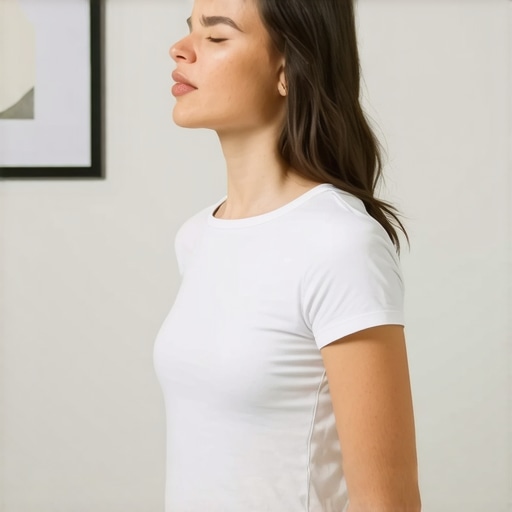
I remember a morning when I felt completely trapped in my body. My pelvic area clenched like a stubborn knot, and no matter how much I stretched or adjusted my posture, the tension lingered. It was frustrating—like trying to loosen a tight lid that just wouldn’t budge. That moment was my lightbulb: I realized that I was overlooking the most basic tool at my disposal—my breath. Using my breath to relax my pelvic floor wasn’t just intuitive, it became a game-changer for my comfort and mobility. And honestly, it’s a simple technique I wish I had known earlier.
Why Breath Work Can Be Your Secret Weapon in Pelvic Floor Relaxation
Many people suffer silently from pelvic tension, often without realizing how much their breathing habits influence this area. Our breath is more than just a vital sign; it’s a gateway to releasing deep-seated tension, especially in our pelvic muscles. When I first started paying attention to my breathing, I noticed how shallow or tense breathing made my pelvic muscles tighten even more. Conversely, intentional, deep breaths could instantly reduce that feeling of constriction.
Research supports this connection. A study published in the *Journal of Bodywork and Movement Therapies* highlighted how diaphragmatic breathing could significantly decrease pelvic floor muscle tension, leading to better overall relaxation and functional mobility. It’s like giving your pelvic muscles a much-needed sigh of relief—a reset button you carry with you.
The problem is, in our busy lives, we often forget how to breathe properly or tend to breathe shallowly—especially when stressed or anxious. This habit perpetuates tension and can even exacerbate discomfort or dysfunction. The good news? With just a few mindful breaths, you can take back control. I started integrating breathing exercises into my daily routine and noticed immediate relief. More importantly, it empowered me to manage discomfort without immediately rushing to medication or interventions.
If you’ve ever felt a persistent pelvic tightness or just want a healthier, more relaxed connection to your body, understanding how to use your breath is a vital step. It’s a simple practice, but one that holds profound potential for transforming your comfort and mobility.
Now, let’s explore how you can effectively harness your breath to relax those muscles and bring relief. But first, tell me—have you ever caught yourself holding your breath during stressful moments or physical tension? If so, you’re not alone, and this guide is exactly what you need to start changing that habit.
Practice Deep Diaphragmatic Breathing
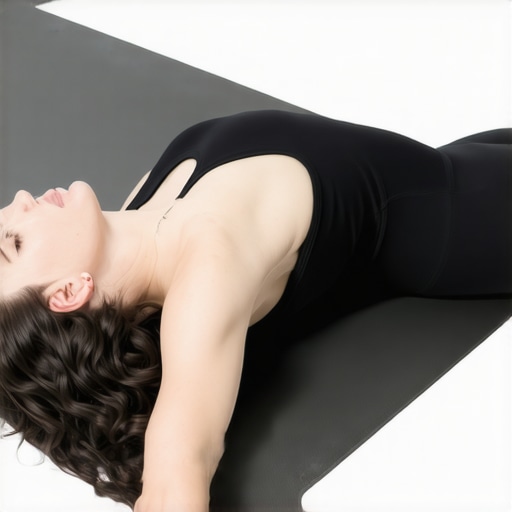
Lie flat on your back with knees bent and feet flat on the floor. Place one hand on your chest and the other on your abdomen. Inhale slowly through your nose, focusing on expanding your belly rather than your chest. Visualize your breath filling your pelvis and lower back with relaxation. Exhale gently through pursed lips, releasing tension. During my initial attempt, I felt awkward, fluttering my belly instead of my chest, but gentle perseverance reduced my pelvic tightness noticeably within minutes.
Engage in Mindful Breathing During Daily Activities
Set reminders to pause and take three conscious breaths before getting out of your car or standing up from a chair. Focus on slow, full inhales and complete exhales, intentionally softening your pelvic muscles with each breath. I started doing this during work breaks, noticing a decrease in persistent pelvic tightness. Over time, these moments became subconscious, helping manage tension effortlessly. Keep a mental checklist: breathe, relax, move.
Incorporate Breath-Triggered Relaxation Cues
Create associations between specific actions and breath patterns. For example, before lifting objects, take a deep, diaphragmatic breath and consciously relax your pelvis. When I helped my friend move furniture, I inhaled deeply, visualized my pelvic muscles softening, and exhaled slowly during the lift. The result was smoother, less strained movements and less post-activity soreness. Practice these cues daily to build muscle memory for relaxation during real-life tasks.
Use a Gentle Pelvic Floor Reset with Breath
Sit comfortably, place your hands over your pelvis, and breathe deeply. As you inhale, imagine your pelvic floor rising gently—similar to inhaling air into a balloon. During exhalation, visualize it softening and releasing. Repeat slowly for several minutes, feeling how each exhale promotes relaxation. I found that integrating this breathing exercise before bedtime helped alleviate lingering pelvic tension, leading to better sleep and mobility.
Combine Breathwork with Gentle Mobility Movements
Pair your breathing with mild pelvic tilts or hip circles. Inhale as you tilt your pelvis forward or tilt your hips side to side, using the breath to enhance the movement’s effectiveness. During a session, I combined deep breaths with pelvic tilts and noticed increased ease in movement and reduced discomfort. This synergy amplifies the calming effect of breathwork on pelvic muscles and prepares the body for more activity.
Leverage Professional Guidance for Lasting Results
If persistent tension remains, consult a professional who can tailor breath and mobility techniques to your needs. Consider visiting a chiropractor experienced in mobility issues (your secret weapon) to get personalized adjustments that, combined with breathwork, accelerate relaxation. When I first combined self-guided breath practices with professional therapy, I experienced a profound reduction in pelvic tightness and newfound ease in daily movements.
 Many believe that stretching and cracking can independently fix mobility issues or improve posture, but this is a misconception that can lead to ineffective or even harmful practices. In reality, true mobility enhancement requires a nuanced approach, combining targeted adjustments with lifestyle changes. For example, many assume that cracking joints or stretching in isolation will resolve underlying dysfunctions, but this often masks deeper issues that need professional attention, such as misalignments or muscular imbalances. Relying solely on self-manipulation can cause more harm than good, leading to joint instability or inflammation. According to a study by the *Journal of Manual & Physiological Therapeutics*, improperly performed adjustments can exacerbate existing problems and delay recovery, emphasizing the importance of expert guidance. A common trap many fall into is believing that all pain or stiffness can be fixed with quick fixes like foam rolling or over-the-counter remedies. While these may provide temporary relief, they do not address the root causes, which often involve complex biomechanics and nervous system factors. Consulting a knowledgeable chiropractor, who understands the body’s integrated systems, can be far more effective. For instance, professional adjustments can unlock compensatory patterns that develop over years, helping realign the spine and pelvis for lasting improvement, as discussed in our guide to [boosting mobility through expert techniques](https://quackersneck.com/enhance-your-posture-with-expert-chiropractic-techniques-in-2025). Remember, good posture isn’t just about standing tall; it’s about understanding the subtle interplay of muscles, joints, and neural pathways—an advanced concept many overlook. By recognizing these nuances, you avoid falling into the trap of superficial fixes and move toward genuine, sustainable progress. Are you guilty of assuming quick fixes are enough? Let me know in the comments!
How do subtle biomechanical misalignments impact long-term mobility?
Even minor misalignments in the vertebrae or pelvis can create compensatory patterns that ripple through the body, causing pain and limiting movement over time. These misalignments often go unnoticed because they don’t cause immediate, obvious symptoms. However, they can lead to chronic issues if left unaddressed, as highlighted by chiropractors specializing in functional correction. The key is to identify and correct these subtle shifts early, rather than relying solely on symptomatic relief. Professional assessments and precise adjustments can restore proper alignment, preventing compensations from becoming ingrained. For more insight into managing these nuances, visit our resource on how chiropractic adjustments enhance posture and mobility. Remember, addressing these details requires a trained eye—so don’t wait until discomfort becomes debilitating. Connect with experts to ensure your alignment supports lifelong mobility and health.Maintaining mobility, proper posture, and effective adjustments over the long term requires more than just occasional effort; it involves integrating reliable tools and consistent routines into your daily life. Personally, I rely on a combination of specialized equipment and proven methods to sustain progress and prevent regress. One of my go-to tools is the *Fascial Stretch Therapy (FST) ball*, which helps release deep tissue restrictions that often go unnoticed. I use it daily to target fascia and muscles around my hips and pelvis, ensuring that flexibility gains are not lost back to habitual tension. This tool is small, portable, and effective at breaking up adhesions that can otherwise hinder mobility if neglected.Through my journey, I’ve learned that achieving true mobility goes far beyond quick fixes—it’s about understanding the nuanced interplay between your body’s subtle shifts and conscious habits. The hardest lesson I discovered was how often I overlooked my own body’s signals, especially the importance of mindful breathing and precise alignment. I used to believe that stretching alone could free me from chronic tension, but I later realized that addressing deep-seated misalignments and integrating breathwork creates sustainable change. Additionally, professional guidance isn’t a sign of defeat but a critical step toward true progress—skipping it can leave persistent issues unresolved. My biggest insight? Genuine mobility requires patience, consistent self-awareness, and the humility to seek expert help when needed. This combination transformed not only my body but my relationship with movement, inspiring me to share these truths with others seeking freedom from discomfort.