
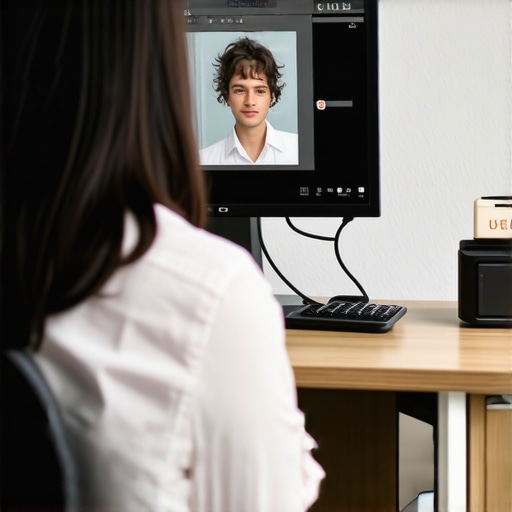
You sit up tall, adjust your monitor, and roll your shoulders back. You feel like a textbook example of perfect alignment. Then, the Zoom chime rings. Within thirty seconds of seeing your own face on screen, you notice it: your chin has drifted forward, your chest has collapsed, and your shoulders feel like they are touching your ears. It is an incredibly frustrating, almost subconscious reflex. I spent years trying to brute-force my way into better posture during meetings, only to find myself slumped over like a wet noodle the moment I actually had to speak.
The Virtual Camera Pulls Your Entire Spine Forward
It took me a long time to realize that video call posture failure is not just a personal lack of willpower. It is a physiological reaction to how we interact with screens. When we look at a tiny grid of faces, our eyes naturally lock onto small details. To compensate, our heads drift forward to get closer to the visual target. My biggest mistake early on was trying to fix this by simply pulling my shoulders back with sheer muscle force. It was exhausting, completely unsustainable, and ignored the real culprit: my neck and eye alignment. When you constantly reach with your skull, you put incredible stress on your upper cervical spine, which eventually forces your lower back to collapse just to keep you balanced. For a long time, I did not realize that how your eye prescription might be changing your posture plays a massive role in this daily struggle. If your eyes are straining, your neck is going to bend to help them out, dragging your entire spine out of alignment. Research published by the international ergonomics community suggests that computer users who do not align their screens with their natural resting eye line experience up to a 50% increase in neck muscle fatigue within just one hour of continuous work.
Are posture correctors and braces actually worth the hype?
Many people jump straight to buying elastic braces or vibrating reminders to force themselves upright during calls. Let me save you some money: they do not work for long-term health. When you rely on an external strap to hold you up, your stabilizing muscles essentially go on vacation. The moment you take the brace off, you slump even worse because those deep postural muscles have become weaker, not stronger. The real path to staying upright lies in functional mobility and posture training. By using targeted, gentle physical adjustments and mobility drills, you can teach your nervous system to keep your body aligned naturally, without you having to constantly think about it. Have you ever caught yourself slumping mid-meeting and felt that sudden flash of frustration? Let me know in the comments below. We are going to look at how a few simple, active changes can completely rewire how your body behaves when the camera turns on.
Reset Your Setup Before the Camera Turns On
I used to sit down for back-to-back meetings and hope my body would just magically remember to stay upright. Spoiler alert: it never did. Within ten minutes, I was always slumping forward like a melting candle. One Monday morning, after a particularly grueling three-hour marathon of calls, my upper back was screaming. I decided to stop relying on willpower and physically change how my body interacted with my workspace. I spent five minutes adjusting my equipment, and the difference was night and day. The secret is that you cannot maintain good form if your workstation is constantly baiting you into bad habits. To fix this, you must learn how to adjust your monitor to stop reaching with your chin. When your screen sits too low or too far away, your brain subconsciously coaxes your head forward to read the text. This tiny, repetitive micro-movement acts like a slow-motion whiplash over a eight-hour workday. Position the top third of your screen directly at eye level. If you are using a laptop, prop it up on a stack of heavy books or a dedicated stand, and use an external keyboard and mouse. By raising the screen, you immediately take the mechanical pressure off your cervical spine. 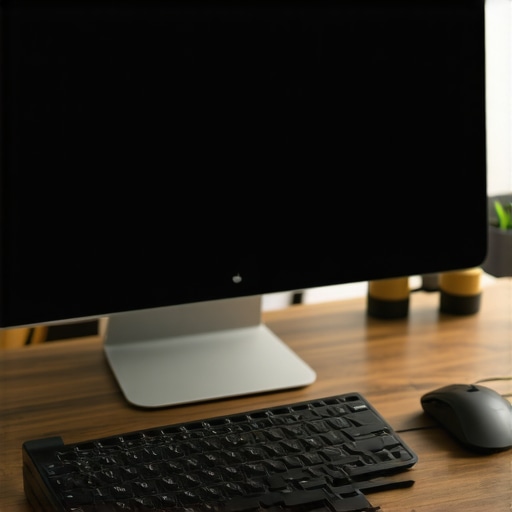
The Three-Point Anchor Technique
Once your screen is in place, you need to anchor your lower body. Think of your pelvis as the foundation of a house. If the foundation is tilted, the roof—your head—cannot sit straight. Sit all the way back in your chair so your sacrum is supported by the backrest. Keep both feet flat on the floor, about hip-width apart. This simple, balanced base prevents you from crossing your legs, which is a major culprit behind uneven hip tension. If your chair does not offer proper lower back support, you must learn how to use a lumbar roll correctly in an office chair to maintain your spine’s natural curve.
Perform a Ten-Second Micro-Break Every Thirty Minutes
Even the most perfect ergonomic setup will cause stiffness if you stay frozen in it for hours. Your joints thrive on movement. During a long call where you are mostly listening, perform a subtle, active reset. Gently pull your head straight back—as if you are making a very slight double chin—while keeping your gaze forward. Hold this for two seconds, release, and roll your shoulders down and away from your ears. This simple motion reactivates the deep neck stabilizers that go dormant when we stare at screens. If you struggle with constant upper body tightness from sitting, utilizing revolutionize your posture with targeted mobility exercises during these small breaks will help reprogram your nervous system to hold your shoulders in a relaxed, natural position without you having to constantly fight your own anatomy.
We have all been told that maintaining perfect posture is simply a matter of sitting up straight and pulling our shoulders back. But let’s dig deeper into the actual physiology. In my years of analyzing movement patterns, I have found that this traditional advice is not only outdated—it is actively harming your spine. When you force your shoulders backward, you are merely masking a deeper mechanical issue by creating hyper-tension in your rhomboids and trapezius muscles. This muscular overcompensation eventually leads to fatigue, causing you to collapse into an even deeper slump than before. True spinal alignment is not a static pose you hold with brute force; it is a dynamic state of ease managed by your nervous system.
Why is stretching your tight upper back actually making your posture worse?
It sounds completely counterintuitive, but stretching the areas that feel tight—like your upper shoulders and neck—often perpetuates the pain cycle. When you suffer from a forward head posture, those muscles are already stretched to their absolute limit, acting like taut rubber bands trying to keep your head from falling forward. Stretching them further weakens their structural integrity. Instead of stretching, you need to focus on stability and joint positioning. This is where professional care comes into play. If you look at how chiropractic adjustments enhance posture and mobility, the focus is on correcting joint restrictions rather than just pulling on tight muscles. A study published in the Journal of Physical Therapy Science demonstrated that thoracic spine manipulation instantly improves cervical range of motion and reduces muscle activity in overloaded neck extensors. By restoring joint mechanics first, your muscles can finally relax without you having to stretch them raw.

The biggest trap people fall into is treating posture as a muscular strength problem rather than a neurological habit. They spend hours at the gym doing rows and rear-delt flies, yet they still slump the minute they sit at their computers. This happens because the brain has established a faulty baseline for what feels ‘neutral.’ To break this cycle, you must integrate targeted movement strategies. Utilizing improving posture through mobility practical chiropractor strategies allows you to reset your joint receptors, teaching your brain where true center actually is. This shift from conscious effort to automatic, healthy alignment is the only way to achieve lasting comfort. Have you ever fallen into this trap of trying to force your posture, only to end up stiffer than before? Let me know in the comments below.
We must transition our focus from quick fixes to sustainable, long-term spinal physical maintenance. Over the years, I have trialed dozens of ergonomic tools, and most of them ended up in the trash. The few that survived my rigorous testing did so because they do not try to force the body into submission; instead, they facilitate natural movement. My absolute favorite tool is a simple, high-density foam half-dome roller. Unlike round rollers that constantly slip away, a flat-backed half-dome allows you to work on ankle flexibility and calf release safely while standing at your desk, directly countering the issues discussed in why your sit to stand desk transition is causing foot pain.
How do I maintain my posture and mobility over time?
Consistency beats intensity every single time. You do not need to spend an hour a day on mobility drills to see lasting benefits. Instead, weave them into your existing routine. I personally use a simple visual trigger: every time I hang up a video call, I stand up and perform two quick doorway stretches to open my chest and reset my shoulder blades. If you are looking for a complete routine to implement today, I highly recommend adopting the ultimate guide to improving mobility and posture in 2025 as your daily structural baseline. Additionally, the future of posture maintenance is rapidly shifting toward smart sensory feedback. In the next few years, we will likely see wearable, low-profile haptic sensors integrated directly into our clothing, which will gently remind our nervous system to realign without restrictive physical straps. For now, pairing targeted manual therapy with intelligent daily habits remains the gold standard. Utilizing mobility boosts for posture expert tips for daily adjustments ensures that your joints remain fluid and your nervous system stays highly responsive to daily physical stressors.
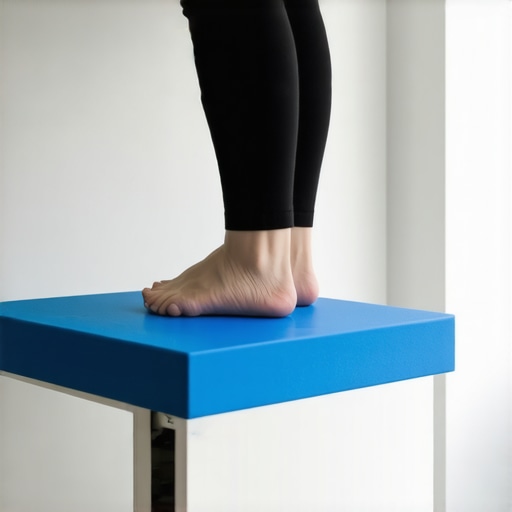
If you want to take your physical mechanics to the next level, I highly recommend implementing the ‘Short Foot’ active engagement exercise, a concept popularized by podiatric expert Dr. Emily Splichal. By pulling the ball of your foot toward your heel without curling your toes, you engage your deep core and immediately stabilize your pelvis from the ground up. Try doing this subtle foot engagement during your very next phone call and notice how your lower back instantly feels more supported. To ensure your body is fully primed for these active changes, consider checking out why chiropractic care is your secret weapon for better posture to address any underlying joint limitations first.
What Experts Won’t Tell You About Spinal Health and Screen Time
Through years of analyzing movement patterns, I have noticed that the standard medical and fitness advice misses the mark on how our nervous system actually functions. Here are three critical, counterintuitive truths that completely changed how I approach my daily alignment:
- Your body seeks the path of least resistance: If you try to force yourself to sit up straight without addressing structural blockages, your body will fight you. True spinal health requires first addressing structural alignment so that staying upright feels natural, not forced.
- Stiffness is often a protective response: When your muscles feel tight, it is usually because they are overcompensating for unstable joints. Stretching them out without rebuilding stability is like cutting a warning wire in your car dashboard.
- The eyes direct the entire musculoskeletal chain: You cannot fix a slumping torso if your gaze is fixed on a screen that is improperly positioned. To permanently change your posture, you must train your eyes to work in harmony with your cervical spine.
My Essential Desk Warrior Toolkit
I do not believe in spending thousands of dollars on complex ergonomic gadgets. Instead, I rely on a highly curated selection of simple, effective tools that support the natural physiology of the human body:
- A High-Density Foam Half-Dome Roller: This is my absolute favorite tool for dynamic standing. It is incredible for releasing calf tension and improving ankle flexibility, which prevents the structural chain reactions that lead to lower back pain.
- A Firm Lumbar Support Roll: Placed correctly at the lower curve of your spine, a simple, firm roll prevents pelvic collapse and takes the immediate load off your lower back discs during long virtual calls. Learn how to use a lumbar roll correctly in an office chair to get the maximum benefit.
- An External Keyboard and Separate Mouse: By separating your input devices from your screen, you can raise your laptop to eye level without forcing your arms into an awkward, shoulder-straining reach.
Your Next Step Toward Pain-Free Movement
Improving your body mechanics is not about attaining static perfection or punishing yourself for slumping. It is about developing a warm, responsive relationship with your physical frame. By integrating smart, simple daily habits, you can teach your nervous system to support you with effortless ease. If you want to jumpstart this journey, implementing a comprehensive routine like the ultimate guide to improving mobility and posture in 2025 will give you the daily structural baseline you need to thrive. Do not let another exhausting video call drain your physical energy. Take control of your workspace ergonomics and unlock the fluid, relaxed movement your body was designed for.
Have you ever tried using a lumbar roll or a half-dome roller at your desk, only to find yourself slipping back into old slouching habits after a few days? Let me know in the comments below!