

Yesterday morning, my 15-pound tabby, Barnaby, did what he always does when I walk into the kitchen: he let out a tiny, demanding squeak and stared up at me with those giant, manipulative green eyes. Of course, I bent down, scooped him up, and—ouch. A familiar, hot pinch shot right through my left shoulder blade. It felt like my upper back had instantly turned into cement. Why does a routine, loving gesture with a relatively light animal leave so many of us feeling like we just tried to deadlift a grand piano?
The Real Reason Your Cat Lift Hurts So Much
For the longest time, I blamed Barnaby. I figured he was just getting too heavy or that I was getting too old. But the cold, hard truth is that my lifting technique was absolutely atrocious. Most of us pick up our pets by bending forward from the waist, reaching our arms straight out, and using our delicate rotator cuff muscles to hoist them up. This forward reach is exactly why your shoulders feel like they are touching your ears by the end of the day. We are essentially asking our neck and upper back to act as a crane, putting massive, unnecessary leverage on our joints.
When you reach out with straight arms, you disengage your core and place the entire load on your shoulder girdle. According to biomechanics research, extending a weight even a few inches away from your torso multiplies the physical stress on your spine and shoulders by up to ten times. To fix this, we need to focus on targeted mobility exercises and functional strength, rather than just hoping our muscles will magically stop aching. Today, I am going to share the exact posture adjustments that saved my shoulders so you can cuddle your feline friend completely pain-free.
Are You Actually Injuring Yourself Every Time You Scoop Your Cat?
It sounds dramatic, but micro-trauma adds up. When I first started experiencing this daily pinch, I ignored it. I made the classic mistake of thinking a few quick shoulder shrugs would solve the problem. Instead, that minor tightness eventually blossomed into a nagging ache that ruined my sleep and made sitting at my computer unbearable. It turns out that improper lifting mimics the exact strain of poor desk ergonomics, compounding the damage. If you don’t address this now, you might find that why your shoulder pain flares up when you use a computer mouse is directly linked to how you lifted your cat that very morning.
Have you ever felt that sudden, sharp warning tweak in your back or shoulders when picking up your pet? Let me know in the comments below! In the next section, we will dive into the simple, physical adjustments you can make today to protect your joints.
Step-by-Step Mechanics for a Pain-Free Pet Lift
Lifting a squirming, heavy, or even a lightweight pet shouldn’t feel like a high-risk gamble with your spinal discs. To protect your shoulder blades and lower back, you must treat your pet like a heavy gym barbell, not a loose sack of groceries. The golden rule of biomechanics is proximity: the closer the weight is to your center of gravity, the lighter it physically behaves. By changing your approach angle, you can immediately decrease the mechanical leverage on your joints and keep your spine perfectly aligned.
Get Down on Their Level First
Never bend over from the hips with straight legs to grab your pet. Instead, perform a clean squat or drop down onto one knee. This simple level change shifts the workload from your fragile neck and upper back down to your glutes and hamstrings, which are built for heavy lifting. Last Tuesday, instead of rushing, I took an extra two seconds to kneel on the kitchen tile before scooping up Barnaby. It felt slightly awkward at first, and he stared at me like I had lost my mind, but my shoulder blades felt absolutely zero pinch. By aligning my torso vertically, I eliminated the shearing force on my mid-back before the lift even started.

Hug the Weight Close to Your Chest
Once you are down on your pet’s level, pull them flush against your torso before you initiate the upward movement. Think of your arms merely as straps that hold the pet in place, while your legs and hips act as the engine that drives you upward. If you lift with your pet held six inches away from your chest, your upper traps and neck muscles instantly seize up to keep you from falling forward. Holding your pet close allows you to maintain great thoracic extension and prevents that awful feeling why your shoulders feel like they are touching your ears at the end of the day.
Engage Your Shoulder Blades with the Shield Technique
Before you stand up, imagine squeezing a pair of oranges under your armpits. This simple mental cue activates your latissimus dorsi and lower trapezius muscles, creating a muscular shield that stabilizes your entire shoulder girdle. If you struggle with this movement, practicing the simple wall stretch that kills rounded shoulders 2 can help build the necessary mind-muscle connection. When your upper back is actively engaged, it prevents your shoulder blades from winging outward, which is the primary trigger for that sharp, burning sensation between your shoulder blades. When you stand up, drive straight up through your heels, keeping your abdominal muscles braced as if you were preparing to be gently poked in the stomach.
Why Tight Mid-Back Joints Make This Lift So Treacherous
If your thoracic spine is locked up from staring at a monitor all day, your body will automatically steal mobility from your neck or lower back to compensate. This is why daily joint maintenance is so critical. Incorporating quick mobility boosts for posture expert tips for daily adjustments into your morning routine ensures that your joints can handle these sudden, real-world lifting patterns without locking up. If you are already dealing with chronic stiffness, seeking professional care and learning how chiropractic adjustments enhance posture and mobility can help restore those tiny, restricted joint movements that exercise alone cannot always fix.
We have all been told to stand up straight, pull our shoulders back, and puff out our chests. In fact, if you are like most of the patients I see, your immediate reaction to shoulder tension is to force yourself into a rigid military posture. But here is the contrarian truth that most posture gurus won’t tell you: forcing yourself into what you think is ‘perfect posture’ is actually keeping your muscles in a state of perpetual, exhausting spasm.
When you aggressively pull your shoulder blades back and down, you aren’t fixing your alignment; you are simply forcing a static, unnatural position onto a dynamic skeletal system. This over-correction locks your rib cage and forces your mid-back muscles to work overtime. A study published in the Journal of Physical Therapy Science confirmed that prolonged static muscle contraction, even in an supposedly ‘ideal’ posture, significantly reduces local blood circulation and accelerates muscle fatigue. True, healthy alignment is not about holding yourself still like a statue—it is about dynamic flexibility, which is why focusing on the ultimate guide to improving mobility and posture in 2025 is far more effective than just trying to sit up straight.
Why is Your Effort to Stand Straight Actually Backfiring?
The trap lies in confusing rigidity with stability. When you force your shoulders back, you often unintentionally flare your lower ribs and arch your lower back. This compensation is a major reason why your lower back aches after standing in a kitchen for an hour. Your body is trying to find balance, but by forcing one area to remain rigid, you pass the mechanical stress down the chain to your lumbar spine. Instead of forcing your bones into place, you should be training your nervous system to support you naturally using improving posture through mobility practical chiropractor strategies.

Another classic ‘oops’ factor is the temptation to constantly crack your own neck or mid-back for quick relief. It is incredibly tempting to twist your torso until you hear that satisfying pop when your shoulders feel glued together. However, self-manipulation usually only targets the joints that are already hypermobile, leaving the truly stuck, restricted joints completely unaddressed. Over time, this habit destabilizes your ligaments and makes your muscles tighten up even more to protect the area. If you want real, lasting relief, understanding the difference between a sore muscle and a misaligned joint 2 is crucial, and professional hands-on care is often required to target the exact segment that is locked up.
Have you ever fallen into this trap of trying to force ‘perfect’ posture only to find yourself in more pain? Let me know in the comments below! If you want to move past the myths and start restoring actual, fluid movement to your spine, learning how chiropractic adjustments enhance posture and mobility can be the missing piece to finally unlocking a pain-free life.
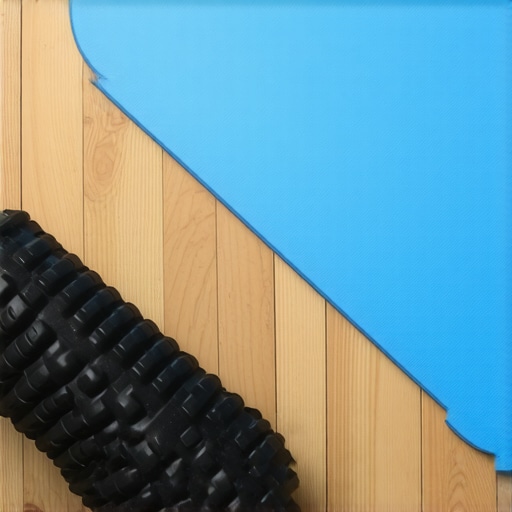
When we treat posture like a static pose, we turn our bodies into fragile statues. To truly maintain a healthy back and shoulder girdle, we must focus on tools and habits that encourage dynamic resilience over time. My absolute favorite tool for this is the foam roller, but not for the reasons you might think. Many people use a foam roller to aggressively mash their sore IT bands, which does very little for spinal alignment. Instead, I use a high-density, 36-inch foam roller exclusively for gentle thoracic spine extension and chest-opening exercises. By lying vertically along the roller, I can slowly open up my chest muscles after a long day of work without forcing my joints into unnatural positions. This simple piece of equipment is essential for anyone trying to master mobility boosts for posture expert tips for daily adjustments.
How Do I Maintain Spinal Alignment Over Time?
Consistency beats intensity every single day of the week. You cannot reverse eight hours of sitting at a desk with a single, aggressive workout on Saturday morning. The key to long-term spinal health is integrating tiny, micro-habits into your existing daily routine. For example, every time I stand up to get a glass of water, I perform a quick pectoral stretch in the doorway or a few gentle shoulder rolls. This frequent movement prevents the joints of your mid-back from cementing into a forward-slouched position. In the future, I predict we will see a major shift away from rigid ergonomic chairs and toward dynamic seating solutions that force our core muscles to make micro-adjustments throughout the workday. The future of spinal health is movement-based, which highlights the link between mobility and posture a chiropractors guide as the ultimate framework for long-term comfort.
If you want to fast-track your progress, stop relying solely on passive stretching. According to Dr. Stuart McGill, a world-renowned expert on spine biomechanics, building true joint stability requires active muscular endurance and precise movement patterns rather than just trying to increase flexibility. This is why incorporating revolutionize your posture with targeted mobility exercises into your weekly schedule is so incredibly powerful. These active exercises teach your nervous system how to safely control your body through its entire range of motion, protecting you when you bend down to scoop up your cat, lift a box, or reach overhead.
My challenge for you today is simple: choose just one active movement—like the shoulder-blade squeeze technique we discussed earlier—and commit to practicing it three times during your workday. Your spine and your shoulders will thank you.
What Experts Won’t Tell You About Your Daily Posture Battles
Over the years, I have realized that keeping your spine happy isn’t about maintaining some robotic, upright stance 24/7. Here are a few counterintuitive truths that changed how I approach my own physical health:
- Muscles crave change, not perfection: Your spine is designed to bend, twist, and load. Locking yourself into a rigid position actually starves your joints of essential synovial fluid.
- Your pet is a dynamic weight: Unlike a stable gym barbell, a living pet shifts their weight constantly. If your shoulder blades feel stuck before you even lift, you are setting yourself up for micro-strain. Knowing why your shoulders feel like they are touching your ears is the first step to breaking the pattern of holding tension.
- The secret is in the prep: The mechanical damage doesn’t happen when you are standing upright; it happens during the first micro-second of the lift when you reach out with straight arms.
My Essential Toolkit for Lasting Spinal Resilience
You do not need a room full of expensive gym equipment to protect your upper back. Over my years of personal trials, these are the only three tools I recommend to keep your joints moving freely:
- A High-Density, 36-Inch Foam Roller: Forget rolling your lower back, which can cause irritation. Lie on it vertically to expand your chest and reverse the desk slouch. This is a foundational step in mastering mobility boosts for posture expert tips for daily adjustments.
- Resistance Loop Bands: Great for activating the lower traps and keeping your shoulder blades moving smoothly before you lift anything heavy.
- A Tennis Ball: Lean against a wall and use the ball to pinpoint that stubborn, hot pinch right between your shoulder blade and your spine to release deep muscle tension.
Your Blueprint for a Pain-Free Home Life
You do not have to accept shoulder pain or back stiffness as an inevitable part of aging or pet ownership. By shifting how you move during the small, repetitive moments of your day, you build a body that is resilient, adaptable, and pain-free. Taking active control of your alignment with the ultimate guide to improving mobility and posture in 2025 will pay dividends for years to come. Start today by taking just two extra seconds to drop to your knee the next time your furry friend asks to be held. Have you ever struggled with that sudden, sharp pinch between your shoulder blades when lifting your pet? Let me know in the comments below!