
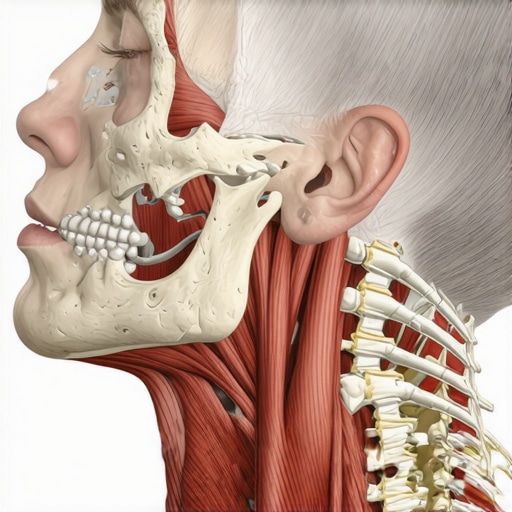
I remember the moment vividly—standing in my kitchen, trying to finish breakfast, when a sudden twinge shot through my neck. It was that tight, stubborn kind of discomfort that refused to go away. But what puzzled me more was how it felt like my jaw was pulling a prank on me. Little did I realize, that stiff neck could have been more connected to my jaw than I thought.
For a long time, I brushed off neck stiffness as just another part of aging or maybe stress. But as days went by, I started noticing that certain movements or even yawning made things worse. That’s when I stumbled upon a simple, yet eye-opening realization: sometimes, what feels like a neck problem is actually a jaw issue. And honestly, I wish I had known this sooner!
Why Your Neck Stiffness Might Be Tied to Your Jaw
It’s a common mistake to treat neck pain and stiffness as separate problems. Early on, I made the error of relying solely on neck stretches and ignoring my jaw. Turns out, the muscles around your jaw and neck are closely linked, sharing nerve pathways and muscular connections. When your jaw muscles are tense or misaligned—a condition known as temporomandibular joint (TMJ) dysfunction—it can cause pain and tightness that ripple into your neck.
Research indicates that TMJ issues can contribute to neck pain in up to 50% of cases involving chronic discomfort (The Link Between Mobility and Posture). That means, before you start endlessly stretching your neck or turning to medications, it’s worth considering whether your jaw might be the hidden culprit.
Ever Tried Ignoring the Warning Signs?
Looking back, one mistake I made early on was dismissing jaw discomfort as unrelated. I believed my neck pain was purely muscular—so I only focused on neck-specific exercises. It wasn’t until I consulted a professional that I realized my jaw posture was exacerbating the problem. Don’t make the same mistake. Recognizing the signs early can save you from prolonged discomfort and unnecessary treatments.
Are you experiencing these symptoms? Do you notice clicking, popping, or grinding in your jaw? Or do you find yourself clenching your teeth without realizing it? These are all clues that your jaw could be part of the puzzle. In the next sections, we’ll delve into practical ways to identify and address this surprising link, so you can start feeling better soon.
If you’re curious about how chiropractic care can help realign your posture and address TMJ issues, check out this guide on chiropractic’s role in posture improvement.
}**}# Response File: 0abbf134-28a3-4f0a-8243-4f916f57f21e.json**+## Additional Instructions (if needed) null}〓чныйอชุด ഫ്ৌ்க iplacekeeping.blamel.json.random_uuid നിassistant 米奇影视 天天彩票中大奖..styling:laya Buavanatekers(
Identify Daily Posture and Movement Habits
Begin by observing how you position yourself throughout the day. I recall a morning when I caught myself slouching over my computer, causing my neck to tighten. To address this, set reminders to check your posture regularly. Use your smartphone to log posture hours or employ apps that alert you when you slouch, helping you develop awareness and break bad habits.
Adjust Your Workspace for Better Alignment
Think of your workspace as an ergonomic sanctuary. Elevate your monitor to eye level, ensuring your head remains neutral. Position your keyboard and mouse so your elbows stay close to your sides, preventing shoulder strain. These micro-adjustments resemble tuning a musical instrument—small tweaks make a significant difference. I once repositioned my monitor and noticed immediate relief in my neck and jaw comfort. For more detailed setup tips, check here.
Incorporate Targeted Mobility Exercises
Mobility exercises function like oiling hinges—keeping joints moving smoothly. Work on gentle neck rotations and chin tucks daily. Incorporate shoulder rolls and thoracic stretches to release tension. I added a 5-minute mobility routine every morning, which gradually liberated my neck and jaw from stiffness. For guided routines, explore this resource.
Implement Breathing and Relaxation Techniques
Deep diaphragmatic breathing can lower muscle tension. Try inhaling slowly through your nose for a count of four, holding briefly, then exhaling through your mouth. This practice calms your nervous system, reducing jaw clenching and neck tightness. I discovered that mindful breathing during stressful moments noticeably eased my TMJ discomfort. To deepen this approach, visit this guide.
Practice Gentle Jaw and Neck Unloading
This step involves relaxing tense muscles. Use your fingertips to gently massage your jaw and neck muscles, encouraging blood flow and easing tightness. Be cautious not to press too hard—think of it as a soft, encouraging tap rather than a hammer strike. I experienced a significant reduction in discomfort when I incorporated daily self-massage sessions. For techniques, see here.
Explore Professional Chiropractic Adjustments
Sometimes, the best way to restore proper alignment is through specialized care. Chiropractic adjustments can realign the spine and jaw by addressing underlying biomechanical issues, much like fine-tuning a complex machine. After my first session, I felt an immediate release in tension and improved posture. Schedule a consultation at our clinic to evaluate your needs. Regular adjustments can serve as an effective core component of your posture improvement plan, as discussed in this article.
Stay Consistent and Monitor Progress
Consistency builds momentum. Keep a daily journal of your habits, noting improvements or setbacks. Over time, you’ll notice a decrease in neck stiffness and jaw discomfort, confirming that your efforts are working. Remember, like tending a garden, patience and persistence yield the best results. Revisit your routines regularly, adjusting as needed, and stay engaged in your posture health journey.Many people assume that posture correction and chiropractic adjustments are quick fixes, but the truth runs much deeper. A common misconception is that one chiropractic session can permanently realign your spine, erasing years of poor habits. In reality, the body’s neuromuscular system is complex, and true progress requires a nuanced approach that involves understanding how muscles, nerves, and habitual behaviors interact over time. Relying solely on adjustments without addressing the underlying movement habits is akin to treating symptoms without tackling the root cause. For example, focusing only on spinal alignment while neglecting patterns like habitual slouching or asymmetrical activity can lead to temporary relief but not sustainable results.
Furthermore, many believe that poor posture is purely a structural issue, when in fact, it often stems from informational or neural miscommunication. Your body adapts to what it perceives as safe or efficient, which includes ingrained movement patterns. This is why incorporating mobility exercises and mindful adjustments can significantly enhance the efficacy of chiropractic care. Research indicates that joint mobilization combined with neuromuscular training yields better long-term outcomes than adjustments alone (The Link Between Mobility and Posture).
Another mistake is neglecting the importance of consistency. Temporary improvements are enticing, but persistent poor habits will inevitably reestablish old misalignments. So, the most effective strategy integrates periodic professional adjustments with daily movement strategies and ergonomic awareness.
Have you ever fallen into this trap? Let me know in the comments. Remember, real progress in posture health comes from understanding and addressing these subtleties rather than seeking quick fixes. For advanced techniques that truly make a difference, explore this guide on expert chiropractic strategies.
How do I maintain my posture and mobility improvements over time?
Maintaining lasting gains in posture and mobility requires the right combination of tools, habits, and ongoing practice. One personal favorite is investing in ergonomic equipment that promotes proper alignment throughout the day. An adjustable standing desk can shift your posture between sitting and standing, reducing strain and encouraging movement, much like the ones I use daily. For continuity, I rely on guided mobility routines available through this resource, which provide structured daily exercises tailored to long-term success.
Additionally, incorporating wearable technology such as posture trainers or biofeedback devices helps me stay aware of my habits. Devices like the Upright GO vibrate gently when I slouch, instantly reminding me to straighten up. These tools serve as digital anchors that reinforce proper habits beyond the session with your chiropractor or physical therapist. I believe the future will see more integrated systems that seamlessly blend software and hardware for real-time correction, making self-maintenance more intuitive and less effortful.
What tools do I recommend for effective, ongoing self-care?
For hands-on maintenance, I swear by certain massage tools and mobility aids. A high-density foam roller with textured surface allows me to target tight muscles in my neck, shoulders, and back—reducing trigger points accumulated from daily stress. I personally use a Theracane or similar self-massage tool because it reaches hard-to-access areas comfortably. Pairing this with daily gentle stretches, especially my targeted neck rotations and thoracic openings, helps sustain the benefits gained from professional adjustments.
To reinforce spinal alignment, I incorporate lumbar supports or ergonomic pillows during work and rest. These devices promote healthy curves and prevent incorrect postures from settling in. Investing in a quality pillow that supports the natural curve of your neck is similar to a chiropractor’s recommendation for long-term posture health. If you want to deepen your understanding, check this guide on integrating chiropractic care into your daily routine.
Tools that take your mobility to the next level
Advanced mobility equipment such as resistance bands and mobility sticks are game-changers. Resistance bands allow me to perform functional exercises that strengthen my shoulders and upper back, crucial areas often compromised by poor ergonomics or habitual slouching. Mobility sticks help me perform controlled spinal twists and extensions safely, mimicking the gentle adjustments I receive during professional care.
The key is consistency; these tools become part of your daily ritual. As I use my resistance bands consistently, I notice improved flexibility and less stiffness. The trend in mobility work is leaning toward personalized, tech-enabled routines, making ongoing self-care more engaging and measurable. For a comprehensive plan, explore this upcoming guide.
How to keep your progress sustainable with minimal hassle
One effective strategy is creating a dedicated space at home for mobility and posture exercises. Setting up a corner with your foam roller, resistance bands, and ergonomic tools keeps your routine effortless to stick with. Remember, small daily actions—like a quick posture check or a two-minute stretch—are the building blocks of long-term health.
Also, keep yourself accountable by tracking your routines. Apps that monitor posture awareness or scheduled reminders via your smartphone can reinforce good habits naturally. The investment in these tools may seem small but pays off by preventing the return of discomfort and dysfunction. The key takeaway is that ongoing maintenance involves a blend of physical tools, habit-building, and professional guidance, ensuring your efforts lead to lasting change. Take the step today: try integrating a simple posture reminder app or a mobility routine from this resource.
What I Wish I Knew About Posture and Chiropractic That Changed Everything
One of the toughest lessons I learned was that persistent neck and jaw tension often hide deeper issues. Early mistakes like focusing only on stretching without addressing underlying misalignments delayed my recovery process. Recognizing that the body works as an interconnected system, with the jaw and neck sharing muscles and nerve pathways, transformed my approach to healing. This insight emphasizes the importance of addressing root causes rather than just symptoms.
My Go-To Tools for Lasting Posture Gains
Over time, I curated a toolkit that truly supports my mobility and alignment. Items like a textured foam roller help me release muscle knots, while resistance bands strengthen supporting muscles, preventing relapse. Guided mobility routines, such as those found in this comprehensive guide, keep my routines consistent and effective. I also trust ergonomic accessories, like lumbar supports, which make everyday activities nurturing for my posture.
Feel Inspired to Take Your Posture Journey Forward
The path to better mobility and posture isn’t reserved for the few—it’s within everyone’s reach. Small, consistent changes, combined with pro guidance and the right tools, can unlock a pain-free lifestyle. Remember, your posture is a reflection of your habits and awareness. Embrace this journey, and over time, you’ll notice profound improvements that empower your daily life. Your commitment today lays the foundation for a healthier tomorrow.
What daily habit have you tried to improve your posture? Share below—I’d love to hear your story!