

I remember the exact moment I realized I was doing it all wrong during my workout. I was straining, holding my breath, and yet, somehow, my core still felt unstable, my posture worse than ever. That lightbulb moment hit me hard—there’s a better way to brace your core, one that doesn’t leave you gasping for air or risking chest tightness. If you’ve ever found yourself puffing up like a pufferfish just to stabilize, you’re not alone. Today, I’m going to share my personal journey and the simple, effective technique I discovered to brace your core without the need to hold your breath.
Why Bracing Matters More Than You Think
Proper core engagement is the foundation of good posture, safe lifting, and overall spinal health. But here’s the kicker—many of us approach bracing the wrong way, thinking it’s about holding your breath or tightening every muscle in sight. That misconception can lead to increased tension, dizziness, and even dizziness. Early in my journey, I made the mistake of trying to ‘squeeze’ my abs as hard as I could while lifting, which only left me exhausted and apprehensive about lifting weights altogether. Once I learned that effective bracing is about creating intra-abdominal pressure without strangling yourself, everything changed. This approach aligns with chiropractic principles by supporting spinal stability naturally and safely.
Want to learn how I transitioned from breath-holding to smart bracing? Keep reading, because this simple shift might just revolutionize the way you move and lift.
Is Bracing Without Holding Your Breath Really Possible?
Like many newcomers to proper core engagement, I was skeptical. I wondered if I could truly stabilize my spine without the dramatic breath-hold or the exaggerated tensing. But the fact is, many of us are simply doing it wrong—wasting effort and risking injury. If you’re tired of feeling like you’re fighting your own body during workouts or daily activities, you’re going to want to explore technique. A good starting point is to understand how to activate your core muscles efficiently, without the counterproductive practice of holding your breath. For authoritative insights, check out this expert guide on mobility and posture, which emphasizes the importance of natural core engagement over forced breathing techniques.
The good news is, switching your method is easier than you might think. It requires awareness, practice, and a few key adjustments. Before diving into the practical steps, let me share a mistake I made early on—trying to brute-force my core activation rather than understanding the proper activation process. This misstep delayed my progress and caused unnecessary discomfort, but it also taught me that effective core bracing is about finesse, not force.
Now, let’s move into how you can start bracing your core properly—comfortably, confidently, and without holding your breath. It’s time to take control of your posture and strengthen your body with smarter approaches.
Engage Your Core with Precision
Start by standing or lying down in a comfortable position. Imagine your abdomen as a balloon that you want to gently inflate without forcing it. Place your hands on your sides just below your ribcage to feel your oblique muscles. Take a normal, relaxed breath in, then as you exhale, gently tighten your abdominal muscles—like pulling your belly button slightly toward your spine—without sucking in or holding your breath. This creates a natural intra-abdominal pressure that stabilizes your spine.
**Micro-Story:** I once tried to brace during a squat by holding my breath and tensing everything. It left me dizzy and fatigued. Then I realized, by just gently engaging my core as described, I could stabilize more effectively and without discomfort, leading to better lifts and less strain.
Connect Breath with Movement
Sync Your Exhale with Effort
Instead of breath-holding, coordinate your breathing with your movement. Exhale slowly during the exertion phase of lifting or bending—think of it as gently deflating a balloon without forcing the air out. This natural exhalation maintains intra-abdominal pressure without obstructing your breathing. When you lower a weight or bend forward, exhale, then breathe normally as you reset. This rhythmic pattern keeps your muscles engaged and oxygenated, preventing dizziness and fatigue.
Nail Down Posture Habits
Maintain a neutral spine during all activities. Visualize your spine as a stack of coins—each aligned and balanced. Regularly check in with your shoulders over hips, chest lifted slightly, and neck aligned. Small adjustments like rolling your shoulders back or slightly tucking your chin can prevent slouching. Over time, these habits reinforce the proper movement patterns, reducing the need for excessive bracing.
**Micro-Story:** During a busy workday, I caught myself slouching at my desk. I paused, aligned my spine, and consciously engaged my core following these steps. Not only did my posture improve, but I also felt more energized and less neck strain.
Utilize Mobility for Better Stability
Mobility exercises may seem disconnected from core bracing, but they lay the foundation for it. Tight hips or limited thoracic rotation can undermine your ability to maintain proper posture and engage your core effectively. Incorporate simple mobility drills like hip openers or thoracic twists into your routine. For quick relief and improved posture during the day, try the targeted mobility strategies outlined in mobility hacks that can be performed at your desk or gym.
Combine Chiropractic Insights for Lasting Benefits
Getting regular chiropractic adjustments can reinforce these habits by aligning your spine and improving mobility. Consider professional evaluations at chiropractic techniques to identify and address structural issues that hinder core stability. When your body is properly aligned, muscle activation patterns become more natural, reducing strain and increasing efficiency.
” alt=”A person practicing core engagement exercises with proper posture” title=”Effective core bracing technique”/>
Applying these techniques consistently will transform your ability to brace your core naturally, supporting safe movements, improving posture, and enhancing overall mobility—without the discomfort of breath-holding or excessive tension.
Many people assume that good posture and mobility are simply about straightforward exercises or quick fixes. However, the real nuances often go unnoticed, leading to ineffective approaches and even setbacks. One widespread misconception is that posture correction is primarily about muscle strength, when in reality, neural and structural factors play equally vital roles. For instance, a common myth suggests that cracking joints or frequent adjustments lead to lasting improvement. In truth, intermittent relief without addressing underlying misalignments can cause long-term issues, as highlighted by recent chiropractic research emphasizing the importance of holistic realignment. The trap here is thinking consistency alone guarantees progress—it often neglects the quality and specificity of the movement or adjustment involved. If you’re relying solely on self-administered stretches or popping your back without professional guidance, you might inadvertently reinforce poor patterns or exacerbate existing misalignments. An advanced hurdle many overlook is the intricate connection between mobility and the nervous system’s adaptability. The brain’s neuroplasticity means that inefficient movement patterns can become ingrained, making simple stretches ineffective over time. Expert insight shows that combining targeted chiropractic adjustments with mobility drills yields better, sustained outcomes. For example, a comprehensive approach considers not just the symptomatic areas but also the nerve pathways and structural blocks that influence posture. Before jumping into corrective routines, ask yourself: Are you addressing the root cause or just masking symptoms? Proper assessments by health professionals can differentiate between muscular tightness and structural deviations like scoliosis or pelvic tilt, which require specialized interventions. Avoid falling into the trap of overgeneralization. The key is to integrate nuanced, personalized strategies—like those detailed in our comprehensive guides—rather than relying on one-size-fits-all solutions. Remember, subtle misalignments or neural inefficiencies can cause significant impacts over time, so patience and expert input are essential. If you want to delve deeper into how mobility and posture intertwine—backed by science—check out our detailed overview on the *link between mobility and posture* from a chiropractic perspective, which clarifies these complexities.”}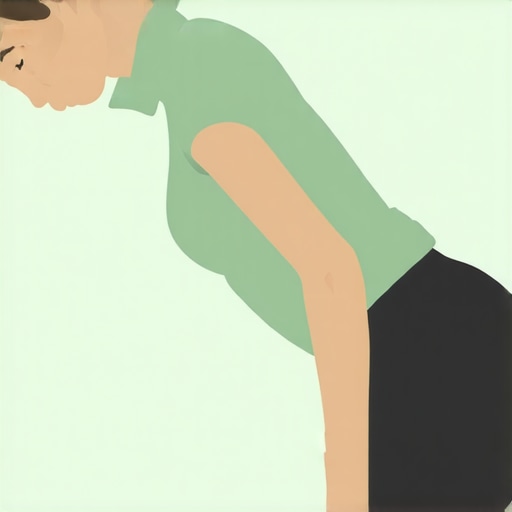 }Maintaining optimal posture and mobility over time requires more than just sporadic exercises; it demands reliable tools and consistent routines. Personally, I rely on specific equipment and techniques that have proven effective in my journey to better spinal health. One essential tool is a foam roller with a textured surface, which I use daily to release tension in my thoracic spine. Unlike smooth rollers, textured ones help target trigger points more effectively, as highlighted in recent studies on myofascial release techniques. I dedicate five minutes each morning to rolling, which primes my muscles and improves flexibility for the day ahead.
For monitoring progress and ensuring proper form, I incorporate apps like Pilates Anytime and mobility-focused software such as Movement Mastery. These platforms provide guided routines tailored to individual needs, making it easier to stay consistent, understand movement quality, and track improvements over months. They also integrate video feedback, which I find invaluable for correcting subtle misalignments before they become ingrained habits.
When it comes to adjustments, I prefer using my personal chiropractic pillow, designed to support cervical alignment during rest and passive stretching. Proper support during sleep is crucial—poor pillow choice can negate the gains of mobility work and negatively impact spinal curves. Investing in a quality pillow is a small but impactful step, and many clients see long-term benefits from ergonomic supports tailored to their unique anatomy.
Looking ahead, I predict that technology like AI-driven posture analyzers will become standard in home assessments, providing real-time feedback on alignment and suggesting personalized correction routines. Companies are developing smart wearables equipped with sensors that detect subtle shifts in posture and alert users instantly, making maintenance more proactive.
**How do I maintain posture and mobility improvements over time?** The key lies in integrating routine use of targeted tools combined with periodic professional assessments. For instance, scheduling regular chiropractic visits—like those explained in our detailed guide on chiropractic techniques for 2025—ensures that structural issues are addressed before they hinder progress.
One technique I highly recommend trying immediately is incorporating a daily mobility drill with your foam roller, focusing on your thoracic spine. This not only enhances flexibility but also reinforces proper movement patterns, making your postural habits more resilient. Making such targeted practices a part of your routine can dramatically improve long-term results and help you avoid setbacks caused by structural misalignments or muscular imbalances.
As I reflect on my journey towards optimal posture and mobility, one lesson stands out: effective core bracing isn’t about force or breath-holding but about precision and awareness. The micro-stories of my setbacks—like feeling dizzy after over-tensing—served as powerful reminders that smarter techniques outperform brute effort every time. I’ve come to realize that embracing gentle engagement, consistent mobility work, and professional guidance forms a trifecta for lasting change. This insight transforms not only how I move but how I encourage others to take control of their spinal health.
Unspoken Lessons That Changed Everything
- Sometimes, the biggest breakthroughs come from recognizing what not to do—like avoiding the trap of excessive tension or breath-holding during core activation. Learning to relax while engaging is a subtle art that yields stronger, more stable results.
- The real secret to lasting posture improvements is integrating mobility drills that align with your nervous system’s adaptability. Personalized adjustments based on professional assessments can uncover hidden misalignments that impede progress.
- Consistency outperforms intensity. Incorporating gentle daily routines—such as thoracic rolling with textured foam rollers or targeted stretches—sustains mobility gains and prevents regressions.
- Technology and professional support aren’t shortcuts but essential allies—tools like AI posture analyzers or regular chiropractic care help keep the small misalignments from turning into chronic issues.
- Patience is key. Deep, meaningful change in posture and mobility is a gradual process, requiring respect for your body’s signals and a commitment to lifelong habits.
Tools That Truly Made a Difference in My Practice
- The textured foam roller became my go-to for releasing thoracic tension—its design allows me to target trigger points more effectively. I trust this simple tool because it complements my mobility routine and accelerates muscle recovery.
- Apps like Movement Mastery and Pilates Anytime provide guided routines tailored to individual needs, enhancing my understanding of movement quality and enabling me to monitor progress over time. Their structured approach keeps me motivated and informed.
- Ergonomic supports, especially a cervical pillow designed for spinal alignment, have transformed my sleep quality and passive recovery. They serve as a continuous reminder that posture begins and ends during rest.
- Upcoming innovations like AI-powered posture sensors excite me, promising real-time feedback and corrections that will make home practice even more effective.
Take Action and Feel the Difference
Understanding and mastering core bracing—without breath-holding or excessive tension—opens up a new world of movement, comfort, and confidence. Remember, your body is resilient and adaptable, and with consistent, mindful efforts, you can rewire poor habits into lifelong healthy postural patterns. Embrace the process, leverage reliable tools, and seek professional guidance when needed. Your journey to better posture and mobility isn’t just about physical change; it’s about reclaiming control over how you move through life.
What’s one small adjustment you’re ready to incorporate today to support your core and posture? Share your thoughts below—I’d love to hear your story!