

Picture this. You wake up, the morning light is just starting to peak through the blinds, and you stumble into the kitchen to brew that first, beautiful cup of coffee. You take that warm, rich sip. It is pure bliss. But then, about twenty minutes later, you notice it: a dull, nagging tension creeping up the side of your face. Your jaw feels clenched, almost locked in place, and you find yourself rubbing your temples trying to figure out why a simple morning ritual feels like a workout for your skull. It is a frustrating, confusing feeling that can easily ruin the start of an otherwise perfect day.
The Unseen Link Between Caffeine and Jaw Tension
I lived this exact scenario for nearly two years. For the longest time, I blamed my pillow, my stress levels, and even my workspace setup. I made the classic mistake of ignoring the subtle signals my body was sending me, assuming it was just a random quirk of getting older. But the connection is actually deeply physiological. Caffeine is a powerful central nervous system stimulant. While it wakes up your brain, it also triggers a micro-fight-or-flight response in your body, which naturally increases muscle tone. If you are already prone to stress, that extra boost of adrenaline sends your masseter muscles—the powerful muscles that control your chew—into overdrive.
Today, we are going to unravel why this happens and look at how small, daily adjustments can help you enjoy your morning brew without the painful physical backlash. We will explore how your overall physical alignment plays a massive role in this daily struggle, and how you can start breaking the cycle of tension starting tomorrow morning.
Is my favorite morning habit actually ruining my posture?
It sounds dramatic, but your jaw and your neck are best friends that share everything, including stress. When your nervous system is overstimulated by caffeine, you do not just clench your teeth; you also tend to pull your shoulders up toward your ears and jut your chin forward. If you already spend your workday struggling with forward head posture, adding caffeine to the mix is like throwing gasoline on a fire. This structural misalignment is often linked to the connection between jaw clenching and upper back knots, creating a continuous loop of discomfort from your skull down to your shoulder blades. According to the American Association for Dental Research, jaw disorders affect millions of adults, and everyday stimulants like caffeine are frequently overlooked triggers that exacerbate these muscular imbalances.
When I first started searching for answers, I tried stretching my neck endlessly, but nothing clicked until I realized I needed to address the relationship between my skull, my jaw, and my spine. If your foundation is off, your jaw will constantly overcompensate. Improving your daily physical alignment through target movements, like learning improving posture through mobility, helps take the mechanical pressure off these tiny, overworked facial joints. Have you ever noticed your face tightening up right after finishing your morning mug? Let me know in the comments below, because you are definitely not the only one fighting this quiet morning battle.
The Three-Step Ritual to Stop the Clench Before It Starts
When I first realized my beloved morning espresso was the culprit behind my throbbing temples, I didn’t want to admit it. I tried to just ignore the tension, but that stubbornness resulted in weeks of severe headaches. It was a messy, painful lesson. I eventually learned that you do not have to give up caffeine entirely; instead, you must change how your body prepares for and processes it. Think of your nervous system like a high-performance sports car. If you redline the engine with caffeine without checking the tire pressure and alignment, something is going to snap. In this case, your masseter muscles are the parts taking the brunt of that force.
Reset your physical alignment before your first sip
Before you even touch your mug, you need to neutralize your spinal alignment. When you sit sleepily at the kitchen counter, you likely default to a slouched posture. Drinking a stimulant in this position locks your neck joints into a forward-jutting angle. To counteract this, perform a simple ten-second postural alignment check. Sit tall, imagine a thread pulling the crown of your head toward the ceiling, and gently tuck your chin straight back as if making a slight double chin. This opens up the suboccipital space at the base of your skull, relieving pressure on the nerves that travel directly to your jaw. Adjusting your physical baseline first ensures that the caffeine-induced muscle tightness has less leverage to pull your skeleton out of whack.

Incorporate active mobility drills to release the upper back
Your jaw cannot relax if your upper back is as stiff as a piece of plywood. Because the body operates in connected kinetic chains, tightness in your thoracic spine forces your neck and jaw to overcompensate. I discovered this firsthand during a particularly stressful work week when my jaw felt entirely locked. I started doing targeted doorway stretches and chest openers right after my morning coffee. Gently opening up the chest and mobilizing the mid-back creates a physical buffer. If you want to dive deeper into these movement patterns, learning how to revolutionize your posture with targeted mobility exercises can completely change how your body handles daily physical stressors.
Hydrate strategically to dilute the neurological trigger
Caffeine is a mild diuretic, and dehydration makes muscles significantly more prone to cramping and hyper-tonicity. For every cup of coffee you drink, your nervous system requires a counter-balance. Make it an absolute rule to drink twelve ounces of pure water before your coffee, and another twelve ounces immediately after. This simple hydration buffer dilutes the rapid absorption of caffeine, smoothing out the sharp adrenaline spike that sends your jaw into a clenching frenzy. If you still find yourself waking up with stiffness before you even reach for your coffee, you might want to look into the side sleeper’s guide to waking up without neck pain to ensure your sleeping posture isn’t priming your joints for morning tension.
Seek professional spinal adjustments to break the chronic loop
Sometimes, self-stretching and hydration are not enough because the underlying joint mechanics are physically stuck. When spinal joints in the neck are misaligned, they keep the surrounding muscles in a constant state of high alert. This is where professional intervention makes a profound difference. Utilizing targeted clinical care, such as realizing why chiropractic care is your secret weapon for better posture, helps to physically release those locked spinal segments. A precise chiropractic adjustment gently coaxes the vertebrae back into place, immediately reducing the background neurological noise that tells your jaw muscles to clench. When your spine is properly aligned, your nervous system can finally process your morning cup of coffee without triggering a painful physical emergency.
When we look closer at this relationship, we run into a major misunderstanding about how our bodies process tension. Most people think that when a muscle feels tight, the obvious solution is to stretch it. If your jaw is tight, you massage it. If your neck is stiff, you pull your head to the side. But this is where most of us fall into a frustrating trap.
Why are my daily stretches failing to relieve my stiff neck and jaw?
Here is the hard truth: stretching a muscle that is guarding a misaligned joint is not only useless, it can actually make your pain worse. When a spinal segment in your cervical spine is physically out of alignment, your brain sends a protective, involuntary signal to the surrounding muscles to tighten up. This tension acts like a natural splint to protect your spinal cord. If you force that muscle to stretch without addressing the joint itself, your nervous system simply panics and clamps down even harder. A study published in the Journal of Manual & Manipulative Therapy confirms that targeted spinal adjustments yield immediate changes in muscle activity, whereas passive stretching often fails to alter the underlying neural drive.
You must learn the difference between a sore muscle and a misaligned joint if you want to stop spinning your wheels. If you are dealing with a structural joint issue, stretching is just a temporary band-aid on a deeper mechanical problem.
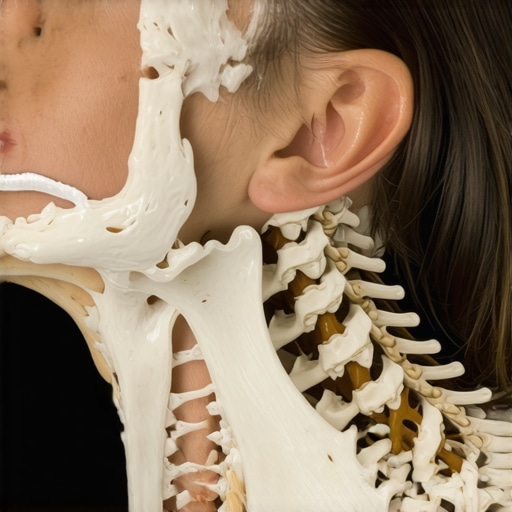
Another common mistake is trying to “self-crack” your neck or back to find relief. I used to do this constantly, thinking I was saving a trip to the chiropractor. In reality, when you twist your own head to get a loud pop, you are almost always moving the hypermobile joints directly above or below the restricted segment. This leaves the actual stuck joint completely frozen while destabilizing the healthy ones around it. This dangerous habit is why you should look closely into why you should stop cracking your own neck for relief, as it only perpetuates the cycle of chronic instability and muscle guarding.
Instead of relying on self-manipulation, a safer approach is incorporating focused, gentle mobility drills that respect your body’s natural limits. If you want to build lasting resilience, learning the ultimate guide to improving mobility and posture in 2025 will give you the precise, controlled movements your nervous system actually craves. Have you ever fallen into this trap of constant self-cracking and stretching without getting any real relief? Let me know in the comments below, and let’s talk about how to break the cycle.
When you finally understand that a misaligned spinal joint cannot simply be stretched away, your entire approach to physical wellness shifts. You stop chasing temporary fixes and start thinking about long-term maintenance. In my personal journey, moving past the acute stage of pain meant finding a system that kept my spine and jaw in perfect harmony without requiring hours of daily effort. Keeping your physical structure working smoothly is all about implementing reliable, low-friction habits and utilizing the correct clinical support before problems spiral out of control.
How do I maintain posture and mobility over time?
Consistent, daily maintenance is the secret to avoiding painful relapses, but it must be realistic. Personally, I rely on a combination of specific passive supportive tools and targeted, active movement. I use a high-quality therapeutic cervical roll inside my pillowcase to preserve my neck’s natural curve, and I have strictly configured my home office workspace using precise ergonomic guidelines. However, external tools can only support you so far; you must also maintain your internal joint mechanics. I schedule regular check-ins with an Omaha chiropractor to ensure that my joints remain properly aligned, preventing micro-stress from building up. Integrating this clinical care with daily self-care, like performing the daily habit that prevents recurring lower back stiffness, keeps my nervous system calm and my body moving freely.

Looking ahead, I predict we will see a major shift toward personalized, biometric-driven posture tracking. The future of mobility isn’t just about general advice; it is about wearable sensors that actively analyze your spinal angles and muscle tension in real-time. These advanced devices will notify you the exact moment your shoulders start to creep up or your chin juts forward, allowing you to make instant adjustments before your nervous system locks down. Until those tech tools become mainstream, our best defense remains high-quality physical habits and professional adjustments. If you want to make a lasting change starting today, I highly recommend learning how chiropractic adjustments enhance posture and mobility to build a solid structural foundation.
In addition to professional adjustments, there are small, immediate modifications you can make to your daily environment to protect your neck and jaw. For example, learning how to use your phone at eye level to save your spine dramatically reduces the constant mechanical pull on your upper back muscles. According to physical ergonomics expert Dr. Stuart McGill, even minor modifications to your daily seating and screen heights can reduce compressive spinal loads by up to forty percent. For those who travel frequently, knowing the best way to sit on a plane to avoid a stiff neck can prevent a long flight from completely undoing weeks of positive clinical progress.
My challenge for you today is simple but incredibly effective. Try the ten-second postural alignment check before your next cup of coffee, and commit to drinking a full glass of water both before and after your brew. It is a tiny, highly specific tweak that can completely change how your jaw and neck feel by lunchtime. If you are struggling with persistent stiffness that just won’t budge despite your best efforts, consider looking into how to choose an Omaha chiropractor that actually listens to your wellness goals so you can get a professional assessment and break the cycle of chronic tension for good.
Picture this. You wake up, the morning light is just starting to peak through the blinds, and you stumble into the kitchen to brew that first, beautiful cup of coffee. You take that warm, rich sip. It is pure bliss. But then, about twenty minutes later, you notice it: a dull, nagging tension creeping up the side of your face. Your jaw feels clenched, almost locked in place, and you find yourself rubbing your temples trying to figure out why a simple morning ritual feels like a workout for your skull. It is a frustrating, confusing feeling that can easily ruin the start of an otherwise perfect day.
The Unseen Link Between Caffeine and Jaw Tension
I lived this exact scenario for nearly two years. For the longest time, I blamed my pillow, my stress levels, and even my workspace setup. I made the classic mistake of ignoring the subtle signals my body was sending me, assuming it was just a random quirk of getting older. But the connection is actually deeply physiological. Caffeine is a powerful central nervous system stimulant. While it wakes up your brain, it also triggers a micro-fight-or-flight response in your body, which naturally increases muscle tone. If you are already prone to stress, that extra boost of adrenaline sends your masseter muscles—the powerful muscles that control your chew—into overdrive.
Today, we are going to unravel why this happens and look at how small, daily adjustments can help you enjoy your morning brew without the painful physical backlash. We will explore how your overall physical alignment plays a massive role in this daily struggle, and how you can start breaking the cycle of tension starting tomorrow morning.
Is my favorite morning habit actually ruining my posture?
It sounds dramatic, but your jaw and your neck are best friends that share everything, including stress. When your nervous system is overstimulated by caffeine, you do not just clench your teeth; you also tend to pull your shoulders up toward your ears and jut your chin forward. If you already spend your workday struggling with forward head posture, adding caffeine to the mix is like throwing gasoline on a fire. This structural misalignment is often linked to the connection between jaw clenching and upper back knots, creating a continuous loop of discomfort from your skull down to your shoulder blades. According to the American Association for Dental Research, jaw disorders affect millions of adults, and everyday stimulants like caffeine are frequently overlooked triggers that exacerbate these muscular imbalances.
When I first started searching for answers, I tried stretching my neck endlessly, but nothing clicked until I realized I needed to address the relationship between my skull, my jaw, and my spine. If your foundation is off, your jaw will constantly overcompensate. Improving your daily physical alignment through target movements, like learning improving posture through mobility, helps take the mechanical pressure off these tiny, overworked facial joints. Have you ever noticed your face tightening up right after finishing your morning mug? Let me know in the comments below, because you are definitely not the only one fighting this quiet morning battle.
The Three-Step Ritual to Stop the Clench Before It Starts
When I first realized my beloved morning espresso was the culprit behind my throbbing temples, I didn’t want to admit it. I tried to just ignore the tension, but that stubbornness resulted in weeks of severe headaches. It was a messy, painful lesson. I eventually learned that you do not have to give up caffeine entirely; instead, you must change how your body prepares for and processes it. Think of your nervous system like a high-performance sports car. If you redline the engine with caffeine without checking the tire pressure and alignment, something is going to snap. In this case, your masseter muscles are the parts taking the brunt of that force.
Reset your physical alignment before your first sip
Before you even touch your mug, you need to neutralize your spinal alignment. When you sit sleepily at the kitchen counter, you likely default to a slouched posture. Drinking a stimulant in this position locks your neck joints into a forward-jutting angle. To counteract this, perform a simple ten-second postural alignment check. Sit tall, imagine a thread pulling the crown of your head toward the ceiling, and gently tuck your chin straight back as if making a slight double chin. This opens up the suboccipital space at the base of your skull, relieving pressure on the nerves that travel directly to your jaw. Adjusting your physical baseline first ensures that the caffeine-induced muscle tightness has less leverage to pull your skeleton out of whack.
Incorporate active mobility drills to release the upper back
Your jaw cannot relax if your upper back is as stiff as a piece of plywood. Because the body operates in connected kinetic chains, tightness in your thoracic spine forces your neck and jaw to overcompensate. I discovered this firsthand during a particularly stressful work week when my jaw felt entirely locked. I started doing targeted doorway stretches and chest openers right after my morning coffee. Gently opening up the chest and mobilizing the mid-back creates a physical buffer. If you want to dive deeper into these movement patterns, learning how to revolutionize your posture with targeted mobility exercises can completely change how your body handles daily physical stressors.
Hydrate strategically to dilute the neurological trigger
Caffeine is a mild diuretic, and dehydration makes muscles significantly more prone to cramping and hyper-tonicity. For every cup of coffee you drink, your nervous system requires a counter-balance. Make it an absolute rule to drink twelve ounces of pure water before your coffee, and another twelve ounces immediately after. This simple hydration buffer dilutes the rapid absorption of caffeine, smoothing out the sharp adrenaline spike that sends your jaw into a clenching frenzy. If you still find yourself waking up with stiffness before you even reach for your coffee, you might want to look into the side sleeper’s guide to waking up without neck pain to ensure your sleeping posture isn’t priming your joints for morning tension.
Seek professional spinal adjustments to break the chronic loop
Sometimes, self-stretching and hydration are not enough because the underlying joint mechanics are physically stuck. When spinal joints in the neck are misaligned, they keep the surrounding muscles in a constant state of high alert. This is where professional intervention makes a profound difference. Utilizing targeted clinical care, such as realizing why chiropractic care is your secret weapon for better posture, helps to physically release those locked spinal segments. A precise chiropractic adjustment gently coaxes the vertebrae back into place, immediately reducing the background neurological noise that tells your jaw muscles to clench. When your spine is properly aligned, your nervous system can finally process your morning cup of coffee without triggering a painful physical emergency.
When we look closer at this relationship, we run into a major misunderstanding about how our bodies process tension. Most people think that when a muscle feels tight, the obvious solution is to stretch it. If your jaw is tight, you massage it. If your neck is stiff, you pull your head to the side. But this is where most of us fall into a frustrating trap.
Why are my daily stretches failing to relieve my stiff neck and jaw?
Here is the hard truth: stretching a muscle that is guarding a misaligned joint is not only useless, it can actually make your pain worse. When a spinal segment in your cervical spine is physically out of alignment, your brain sends a protective, involuntary signal to the surrounding muscles to tighten up. This tension acts like a natural splint to protect your spinal cord. If you force that muscle to stretch without addressing the joint itself, your nervous system simply panics and clamps down even harder. A study published in the Journal of Manual & Manipulative Therapy confirms that targeted spinal adjustments yield immediate changes in muscle activity, whereas passive stretching often fails to alter the underlying neural drive.
You must learn the difference between a sore muscle and a misaligned joint if you want to stop spinning your wheels. If you are dealing with a structural joint issue, stretching is just a temporary band-aid on a deeper mechanical problem.
Another common mistake is trying to “self-crack” your neck or back to find relief. I used to do this constantly, thinking I was saving a trip to the chiropractor. In reality, when you twist your own head to get a loud pop, you are almost always moving the hypermobile joints directly above or below the restricted segment. This leaves the actual stuck joint completely frozen while destabilizing the healthy ones around it. This dangerous habit is why you should look closely into why you should stop cracking your own neck for relief, as it only perpetuates the cycle of chronic instability and muscle guarding.
Instead of relying on self-manipulation, a safer approach is incorporating focused, gentle mobility drills that respect your body’s natural limits. If you want to build lasting resilience, learning the ultimate guide to improving mobility and posture in 2025 will give you the precise, controlled movements your nervous system actually craves. Have you ever fallen into this trap of constant self-cracking and stretching without getting any real relief? Let me know in the comments below, and let’s talk about how to break the cycle.
When you finally understand that a misaligned spinal joint cannot simply be stretched away, your entire approach to physical wellness shifts. You stop chasing temporary fixes and start thinking about long-term maintenance. In my personal journey, moving past the acute stage of pain meant finding a system that kept my spine and jaw in perfect harmony without requiring hours of daily effort. Keeping your physical structure working smoothly is all about implementing reliable, low-friction habits and utilizing the correct clinical support before problems spiral out of control.
How do I maintain posture and mobility over time?
Consistent, daily maintenance is the secret to avoiding painful relapses, but it must be realistic. Personally, I rely on a combination of specific passive supportive tools and targeted, active movement. I use a high-quality therapeutic cervical roll inside my pillowcase to preserve my neck’s natural curve, and I have strictly configured my home office workspace using precise ergonomic guidelines. However, external tools can only support you so far; you must also maintain your internal joint mechanics. I schedule regular check-ins with an Omaha chiropractor to ensure that my joints remain properly aligned, preventing micro-stress from building up. Integrating this clinical care with daily self-care, like performing the daily habit that prevents recurring lower back stiffness, keeps my nervous system calm and my body moving freely.
Looking ahead, I predict we will see a major shift toward personalized, biometric-driven posture tracking. The future of mobility isn’t just about general advice; it is about wearable sensors that actively analyze your spinal angles and muscle tension in real-time. These advanced devices will notify you the exact moment your shoulders start to creep up or your chin juts forward, allowing you to make instant adjustments before your nervous system locks down. Until those tech tools become mainstream, our best defense remains high-quality physical habits and professional adjustments. If you want to make a lasting change starting today, I highly recommend learning how chiropractic adjustments enhance posture and mobility to build a solid structural foundation.
In addition to professional adjustments, there are small, immediate modifications you can make to your daily environment to protect your neck and jaw. For example, learning how to use your phone at eye level to save your spine dramatically reduces the constant mechanical pull on your upper back muscles. According to physical ergonomics expert Dr. Stuart McGill, even minor modifications to your daily seating and screen heights can reduce compressive spinal loads by up to forty percent. For those who travel frequently, knowing the best way to sit on a plane to avoid a stiff neck can prevent a long flight from completely undoing weeks of positive clinical progress.
My challenge for you today is simple but incredibly effective. Try the ten-second postural alignment check before your next cup of coffee, and commit to drinking a full glass of water both before and after your brew. It is a tiny, highly specific tweak that can completely change how your jaw and neck feel by lunchtime. If you are struggling with persistent stiffness that just won’t budge despite your best efforts, consider looking into how to choose an Omaha chiropractor that actually listens to your wellness goals so you can get a professional assessment and break the cycle of chronic tension for good.
The Realizations That Stopped My Morning Clenching for Good
Getting past the daily morning face ache required shifting my entire perspective on how the jaw, neck, and nervous system communicate. Here are the three most surprising lessons I discovered after analyzing my coffee habits and physical alignment:
- Massaging the jaw is usually just treating a symptom. If your cervical vertebrae are slightly rotated out of position, your masseter muscles will never stay relaxed, no matter how much you rub them.
- Caffeine amplification is real. A cup of coffee doesn’t create jaw tension from scratch, but it instantly acts as a natural amplifier for any existing joint misalignments in your spine.
- The throat and tongue posture matters. When you slouch, your tongue drops to the floor of your mouth, which pulls your jaw backward and tightens your airway. Keeping your tongue gently resting on the roof of your mouth acts as a natural stabilizer.
The Daily Movement Tools I Keep Close by My Mug
When it comes to building physical resilience against daily stressors, having the right physical habits is crucial. These are the specific, low-friction tools and resources that keep my structure stable:
- A Dedicated Cervical Orthotic Roll: Placing this under my neck for just seven minutes before bed relieves the daytime tension caused by forward screen habits and desk work.
- Targeted Spinal Adjustments: Consistently utilizing clinical care helps keep my nervous system balanced so that morning stimulants don’t trigger a muscular emergency. Experiencing chiropractic adjustments unlock a pain free lifestyle today by directly restoring joint movement.
- Focused Spinal Mobilization: Instead of generic static stretching, practicing simple chest-opening doorway angles keeps my rib cage supple. This matches the exact ideas found in the link between mobility and posture a chiropractors guide to long-term alignment.
Your Blueprint to a Pain-Free Morning Brew
You do not have to live in a constant state of structural survival where your favorite morning stimulant leaves you with a painful, tight face. By actively managing your hydration, fixing your posture before you sip, and relying on precise clinical adjustments, you can completely change how your body processes your morning ritual. Take control of your daily physical alignment and protect your nervous system. Your morning coffee should be a moment of pure focus and joy, not a mechanical catalyst for chronic face and neck pain.
Have you ever noticed your face and temples tightening up right after finishing your morning cup of coffee? Let me know in the comments below, and let’s discuss how you can break this stubborn cycle!