
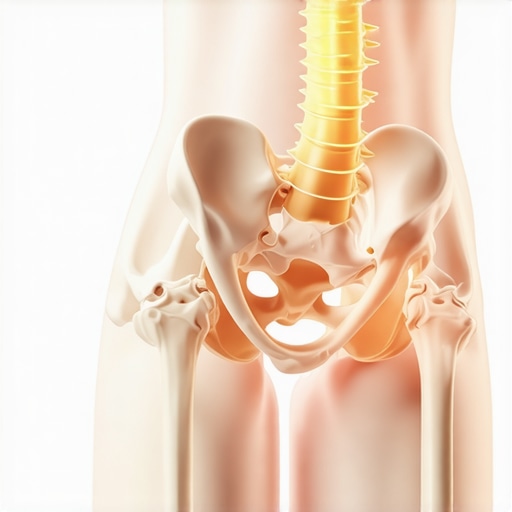
I was three minutes into a basic mobility flow when it happened—or rather, when it didn’t happen. I reached back for a simple lunge, and while my right hip glided smoothly, my left felt like a rusted gate caught on a pile of gravel. It wasn’t just “tight”; it was physically stuck. I felt a surge of frustration. Why was one half of my body behaving like a professional athlete while the other felt like it belonged to a 90-year-old? This wasn’t just a gym fail; it was a wake-up call. For years, I assumed I was just “built crooked,” but the reality is much more interesting—and completely fixable. Today, I’m going to show you why that asymmetry exists and how to stop fighting your own anatomy.
Stop Stretching the Wrong Way and Start Noticing Your Patterns
For a long time, I made the classic mistake of aggressively attacking my left hip with every stretch in the book. I thought more force equaled more freedom. I’d spend twenty minutes in a pigeon pose, gritting my teeth through the pain, only to find the stiffness returned the moment I stood up. Spoiler alert: force isn’t the answer. In fact, why your hamstring stretches aren’t fixing your tightness is often because the problem isn’t muscle length, but how your pelvis is positioned. We are often pulling on a muscle that is already over-lengthened by a tilted pelvis, making the “tightness” a protective response rather than a lack of flexibility. We need to look at the mechanical “why” behind that nagging left-side tension before we can find true balance.
Is this lopsided feeling actually a permanent structural issue?
Many people fear they have a leg length discrepancy or a “bad hip” for life. While true bone-on-bone issues exist, most of us are just victims of our own habits. Think about how you drive. Your right foot is active on the pedals while your left is often tucked back or braced against the floor. Over thousands of hours, your brain rewires your resting tension. According to the Postural Restoration Institute, the human body is naturally asymmetrical due to internal organ placement—like the heavy liver on the right and the heart on the left—which influences how we naturally shift our weight onto our right leg. This internal bias means your left hip is almost always positioned differently than your right.
The Hidden Culprits Behind Your One-Sided Stiffness
It’s usually not about the hip joint itself. Often, the hidden reason you get a headache after a gym session or that specific hip pinch comes down to your “dominant” side taking over. I used to spend all day sitting cross-legged with the same leg on top, never realizing I was literally molding my pelvis into a permanent twist. Have you ever noticed yourself standing in line at the grocery store and realized all your weight is dumped onto one leg? If so, tell me—does your left side always feel like the “short” side? We need to address these mobility hacks and simple adjustments before we can expect any stretch to actually stick. By understanding that your brain is just trying to find stability in an asymmetrical world, we can start using specific drills to reset the “neutral” position of your pelvis.
Master the Three-Step Reset for Your Asymmetrical Pelvis
To fix that ‘one-sided’ feeling, you have to treat your body like a car that has spent years pulling to the right. You can’t just grease the tires (stretching); you have to realign the frame. This starts with teaching your brain that it is safe to shift your weight away from your dominant side. Most of us are perpetually ‘parked’ on our right leg, which leaves the left hip in a state of constant, protective tension. By following these specific adjustments, you can begin <
Most people think mobility is simply about getting ‘looser,’ but if you’re already flexible or have unstable joints, more stretching is the last thing you need. I see people aggressively attacking their lumbar spine with rollers every single day, thinking they are fixing a knot, when in reality, the truth about foam rolling your lower back is that they might be irritating the very nerves they are trying to soothe. For years, I fell into the ‘military posture’ trap, forcing my shoulders back and down as if I were standing at attention. But if you hold that for eight hours, why your perfect posture is actually causing muscle fatigue becomes painfully obvious. Your muscles aren’t designed to be isometric statues; they are designed to move.
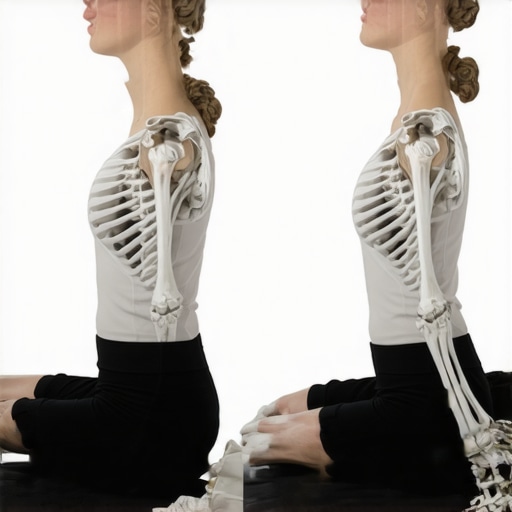
Why does your ‘perfect’ seated posture still leave you in agony?
It’s because ‘neutral’ is a range, not a single point on a map. Biomechanics expert Dr. Stuart McGill often emphasizes that ‘the best posture is your next posture.’ When you try to force a rigid alignment, you often end up with ‘rib flare,’ where your lower ribs protrude and your mid-back locks up. Learning how to stop your ribs from flaring when you lift your arms is a total game changer because it reconnects your diaphragm to your pelvic floor. Without that internal canister of pressure, your lower back is forced to take the hit for every movement you make. This is a nuance most beginners miss: stability and mobility are two sides of the same coin.
The Over-Bracing Trap That Ruins Your Progress
The biggest ‘oops’ factor I see in seasoned gym-goers is over-bracing. I used to suck my stomach in to ‘activate my core’ while walking down the street. It sounded logical, but it was a massive mistake. This constant tension creates a pressure cooker in your abdomen and actually restricts your hip socket’s ability to rotate. It’s a primary reason the real reason your hamstrings stay tight despite stretching is often a stabilization issue rather than a muscle length issue. Your brain keeps the hamstrings ‘on’ because it doesn’t trust your core to hold you up.
If you’ve tried every YouTube stretch and still feel like a crooked Jenga tower, it’s time to look at the joints themselves. Sometimes the ‘stuck’ feeling isn’t a muscle—it’s a joint that has lost its ‘play’ or independent movement. This is why chiropractic care is your secret weapon for better posture; it addresses the mechanical blockages that no amount of stretching can reach. By restoring that joint glide, your brain finally gets the signal that it’s safe to let those ‘tight’ muscles relax. Have you ever fallen into this trap of trying to ‘force’ your body into a position it wasn’t ready for? Let me know in the comments.
Keeping the progress you’ve made isn’t about doing a two-hour yoga session every Sunday; it’s about the micro-adjustments you make while the coffee is brewing. If you don’t build a consistent system, your body will naturally default to the path of least resistance—which usually means slumping back into old patterns. I’ve found that mobility boosts for posture work best when they are tied to existing habits. For me, that means doing a quick hip hinge every time I stand up from my chair. It sounds small, but over a year, that’s thousands of repetitions of ‘correct’ movement that tell your brain this new alignment is the new normal.
How do I keep my spine happy for the long haul?
Maintenance is less about ‘fixing’ and more about ‘checking in.’ Think of it like tuning a guitar. You wouldn’t play for six months without checking the tension of the strings, so why treat your back any differently? I personally use a simple lacrosse ball to work through tight spots in my glutes and upper back before they become full-blown issues. However, you have to be careful with the ‘DIY’ approach—why you should stop cracking your own back every hour is a lesson I learned the hard way. Self-manipulation often just moves the joints that are already hyper-mobile, leaving the truly ‘stuck’ segments exactly where they were. Instead, I rely on regular professional visits where how chiropractic adjustments enhance posture and mobility becomes a targeted tool rather than a random guess.
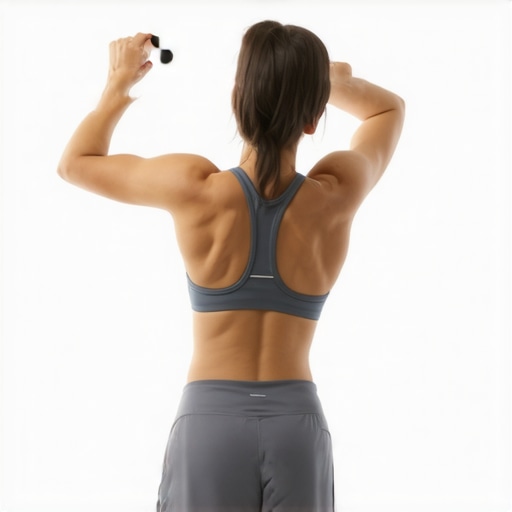
I’m a huge advocate for using technology to bridge the gap between ‘knowing’ and ‘doing.’ Tools like the Upright Go wearable or even simple interval timers are essential for long-term results. If you’re a desk worker, finding the best standing desk interval for maximum back health is a absolute game-changer. I personally follow a 20-8-2 rule: 20 minutes sitting, 8 minutes standing, and 2 minutes of movement. This keeps the blood flowing and prevents that ‘cemented’ feeling in the hips. As mobility expert Dr. Kelly Starrett notes in his work regarding ‘Movement Minimums,’ our daily activity should meet a baseline level of maintenance to prevent the structural decay common in modern sedentary life.
The Future of Posture is Smarter than You Think
In the next few years, I predict we’re going to see a massive shift toward AI-driven posture coaching built directly into our webcams and smartphone sensors. We won’t need to guess if our ribs are flaring or if our neck is protruding because our monitors will gently dim or notify us the moment our alignment shifts. Until that tech becomes mainstream, we have to be our own advocates. Utilizing expert chiropractic techniques in 2025 will involve a mix of these high-tech wearables and hands-on structural work. My best advice for staying ahead of the curve? Start today by setting a ‘posture alarm’ on your phone for three random times a day. When it goes off, don’t just sit up straight—take a deep breath into your back and feel where the tension is hiding. Give it a try right now and notice how your body responds to that small moment of awareness.
What I Learned from Fighting My Own Anatomy for a Decade
The biggest revelation in my journey wasn’t a new stretch; it was realizing that my brain was using ‘tightness’ as a safety brake. I used to think I was just broken, but the truth is that why your dominant side is always tighter than the other usually boils down to neurological habits rather than structural doom. Another hard lesson? You can’t force your way into flexibility. If you’re stressed or holding your breath, your nervous system will clamp down on your joints like a vice, regardless of how many hours you spend on a yoga mat. Finally, I realized that true balance comes from addressing the spine first, as the link between mobility and posture is a two-way street that starts at the cord.
The Gear and Guides That Actually Make a Difference
I’ve tested hundreds of gadgets, but I always come back to the basics. I highly recommend picking up a high-density lacrosse ball; it’s the most cost-effective way to find instant tension headache relief by working into the suboccipital muscles. For a deeper dive into the ‘why’ behind movement, I often suggest checking out the ultimate guide to improving mobility and posture in 2025 for a full-spectrum approach. To keep yourself honest during the workday, using simple haptic feedback tools pairs perfectly with practical chiropractor strategies for improving posture. These tools aren’t magic, but they provide the external cues your brain needs while you’re focused on your work.
#IMAGE_PLACEHOLDER_E#
Your Body is a Project, Not a Problem
If there’s one thing I want you to take away, it’s that you aren’t ‘stuck’ in your current alignment. Your nervous system is incredibly plastic, and even the smallest daily commitment can lead to massive shifts over time. Whether you choose to start with a morning flow or seek out chiropractic adjustments to unlock a pain-free lifestyle, the most important step is simply noticing. Awareness is 90% of the battle. By prioritizing your posture and mobility today, you’re investing in a version of yourself that moves with ease ten years from now. You have the tools, the knowledge, and the agency to change how you feel. Which side of your body feels like that ‘rusted gate’ right now, and what’s one small move you’re going to try today to loosen it up? Let me know in the comments below!