
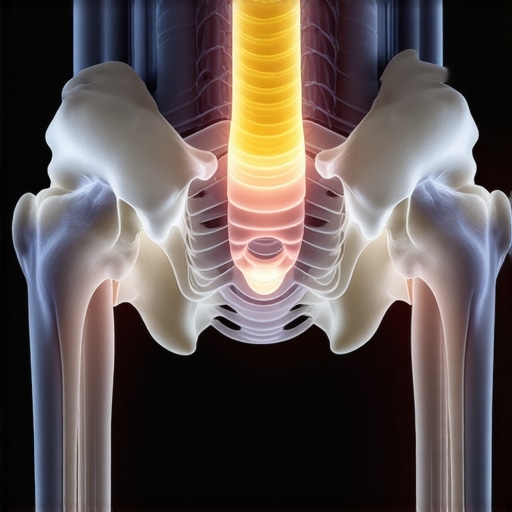
I was thirty seconds into a deep forward fold, face turning a worrying shade of purple, when I heard my yoga instructor whisper, “Just breathe into the tightness.” I wanted to scream. I’d been “breathing into the tightness” for three years, and my hamstrings still felt like over-cured beef jerky. Every morning was the same ritual: reach for my toes, groan like an old floorboard, and feel that familiar, sharp pull behind my knees. It felt productive, but it wasn’t working. I was stuck in a loop of stretching, feeling temporary relief, and waking up stiffer than the day before. The frustration was visceral, and I realized that I was treating my body like a piece of dead rope rather than a living, breathing system.
Why Your Toes Still Feel Miles Away
The truth is, most of us have been lied to about flexibility. We treat our muscles like rubber bands that just need a good tug, but your body is much smarter than that. If your hamstrings feel tight, it’s usually not because the muscle itself is physically short; it’s because your nervous system is pulling the emergency brake. I spent way too long ignoring this, thinking I just needed to “try harder” or push further into the pain. But why your hamstring stretches are not fixing your tight legs often comes down to what’s happening in your pelvis and spine, not the legs themselves. When your brain senses instability nearby, it locks down the hamstrings to act as a secondary stabilizer. Today, I’m going to show you how to stop fighting your own body and finally get that mobility you’ve been chasing by addressing the root cause rather than the symptom.
Is it actually possible to over-stretch your legs?
You might be worried that if you stop your daily stretching routine, you’ll turn into a human statue. I get it. The fear of losing what little range of motion you have is real and can keep you stuck in bad habits. However, aggressively pulling on a muscle that is already under “protective tension” is a recipe for disaster. According to research published in the Journal of Bodywork and Movement Therapies, the sensation of muscle tightness is frequently a sensory experience generated by the brain to protect a joint, rather than a physical lack of length. If you keep pulling, your brain just clamps down harder to prevent what it perceives as an impending injury. This constant tug-of-war is likely why the single most effective stretch for people who sit all day often looks nothing like a traditional hamstring reach.
The Day I Realized Stretching Was Making My Back Hurt
I made a massive mistake early in my journey: I assumed more was always better. I would spend twenty minutes a night cranking on my legs, completely unaware that I was actually destabilizing my lower back in the process. I didn’t realize that why stretching your hamstrings might actually make your back pain worse was due to my pelvis tilting out of alignment to compensate for the aggressive pull. It was a classic case of chasing the symptom while ignoring the structural cause. When I finally looked at the link between mobility and posture, everything finally clicked. My “tight” hamstrings were actually just overworked anchors trying to keep my pelvis from tipping over because my core and glutes were essentially on vacation. Have you ever felt like you’re stretching the same spot for months with zero progress? I’d love to hear about your experience—drop a comment or reach out if you’ve been stuck in this same frustrating cycle.
Stop Pulling and Start Stabilizing Your Core
To get out of the ‘tightness trap,’ you have to stop thinking of your muscles as bungee cords and start thinking of them as cables attached to a winch. If the winch—your pelvis—is tilted the wrong way, the cable is always going to be under tension, no matter how much you pull on it. I spent years ignoring this until one Tuesday afternoon when I spent forty minutes on a foam roller, felt great for exactly ten minutes, and then had my back seize up while simply loading the dishwasher. It was a wake-up call that my hamstrings weren’t short; they were just exhausted from trying to hold my entire skeleton together.
Check the Tilt of Your Pelvic Bucket
Imagine your pelvis is a bucket filled with water. If you are like most people who sit all day, that bucket is tilting forward, spilling water out the front. This position, known as anterior pelvic tilt, physically pulls your hamstrings into a stretched position before you even move. When you then try to do a toe-touch, you are stretching a muscle that is already at its limit. This is exactly why your hamstring stretches aren’t fixing your tightness. Instead of reaching for your toes, you need to learn to ‘level the bucket’ by engaging your lower abs and glutes. 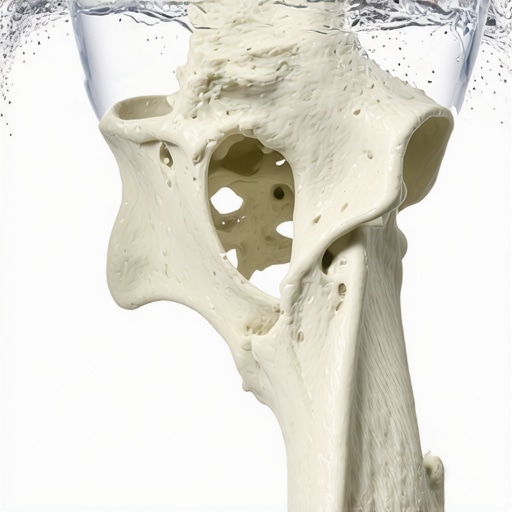
Reset Your Foundation with Better Breathing
You cannot stabilize your pelvis if your diaphragm is locked. I noticed that whenever my legs felt the tightest, I was also breathing high in my chest, which kept my nervous system in a state of ‘high alert.’ By shifting to a deeper, more controlled rhythm, you can signal to your brain that it’s safe to let go of that protective tension. Exploring the hidden link between your breathing pattern and lower back stability is often the missing piece of the puzzle. When you breathe into your belly, you create internal pressure that supports the spine from the inside out, allowing the hamstrings to finally relax.
Perform the 90-90 Hip Reset
This is the exact method I used to stop my back from clicking every time I stood up. Lie on your back with your feet flat against a wall, knees and hips at 90-degree angles. Instead of pushing into the wall, think about dragging your heels down the wall to engage your hamstrings without stretching them. This ‘shortening’ contraction actually inhibits the overactive hip flexors that are pulling your pelvis out of alignment. Integrating the simple hip reset for people who sit for 8 hours into your daily routine can do more for your flexibility in two minutes than an hour of yoga ever could.
Focus on Quality Over Range of Motion
In my early days of trying to fix my posture, I would force myself into positions that looked ‘right’ but felt ‘wrong.’ I was chasing a visual rather than a feeling of stability. This is a common mistake when improving posture through mobility. If you feel a sharp pinch or a burning sensation, your nervous system is going to fight back. Move only as far as you can while maintaining a level pelvis and a neutral spine. The goal is to show your brain that it can move through these ranges without the ’emergency brake’ being applied. Small, controlled adjustments are what eventually lead to lasting changes in how your body carries itself through the day.One of the biggest mistakes I see people make—and I’ve been guilty of this too—is the belief that ‘perfect’ posture is a destination where you sit as still as a statue. In reality, the best posture is your next posture. Your body was designed to move, not to be a rigid pillar of meat and bone. When you force yourself into that military-style ‘chest out, shoulders back’ position, you often create a whole new set of problems. This is exactly why your perfect posture is actually causing muscle fatigue. You’re essentially asking small, stabilizing muscles to do the heavy lifting of your global movers. Research suggests that postural variability—the ability of the body to subtly shift and re-distribute weight—is a hallmark of a healthy musculoskeletal system, rather than rigid adherence to a single alignment. Have you ever tried to ‘fix’ your posture only to end up with a pounding headache? I’d love to know if you’ve fallen into this ‘perfection’ trap—leave a comment below.
Is your self-cracking habit actually making you more unstable?
There is a huge difference between a targeted adjustment and the ‘pop’ you get when you twist your own neck at your desk. When you crack your own back, you are almost always hitting the segments that are already too loose (hypermobile) because they are the easiest to move. You feel a temporary rush of endorphins, but the segment that is actually ‘stuck’ remains stuck. This is the truth about cracking your own knuckles and neck at home: you might be creating long-term instability in exchange for five minutes of relief. Real how chiropractic adjustments enhance posture and mobility involves identifying the specific, restricted joint and applying a precise force to restore motion there, not just making noise. 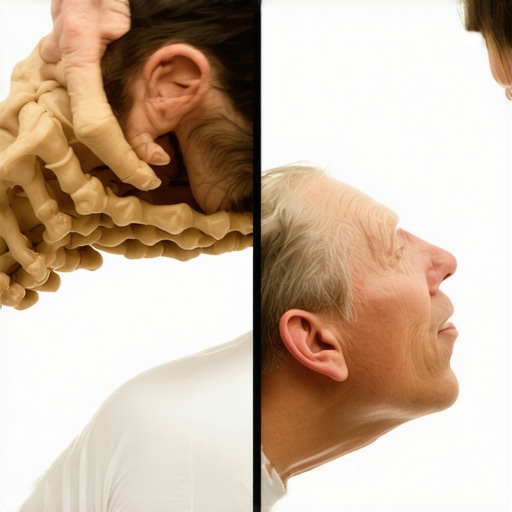 A study published in the Journal of Manipulative and Physiological Therapeutics highlights that the physiological benefit of a professional adjustment comes from the specific neuro-reflexive response, something you simply cannot replicate by blindly twisting your spine. Understanding what a chiropractor actually looks for during your first exam helps bridge the gap between ‘moving more’ and ‘moving right.’ It’s about clearing the interference so your brain stops sending those ‘tightness’ signals in the first place. When you combine professional care with the ultimate guide to improving mobility and posture in 2025, you stop fighting against your own anatomy and start working with it. Instead of chasing the loudest pop or the deepest stretch, focus on finding the ‘quiet’ stability in your core and pelvis. That’s where the real transformation happens.Once you stop the endless tug-of-war with your hamstrings, you need a way to keep the peace. I wasted hundreds of dollars on vibrating massage guns and oversized foam rollers that just took up space in my closet. Now, I keep it incredibly simple. I use a firm lacrosse ball for my glutes and a Pso-Rite for my deep hip flexors. I chose these specifically because they allow for ‘active release’—you pin the tissue and then move the joint through its range. This isn’t just about ‘smashing’ the muscle; it’s about re-educating the nervous system’s map of that area. This targeted approach is a core part of mobility boosts for posture that actually stick long-term.
How can I maintain these mobility gains without a daily hour of work?
Consistency beats intensity every single time. You don’t need a grueling 60-minute ‘mobility flow’ if you are doing the right things throughout the day. I’ve found that the ultimate guide to improving mobility and posture in 2025 really boils down to micro-breaks. For example, every time I stand up from my desk, I perform one quick ‘Bracing’ check. Dr. Stuart McGill, a leading expert in spine biomechanics and author of Back Mechanic, emphasizes that creating ‘abdominal stiffness’—which is different from just sucking in your gut—is vital for protecting your spinal discs. Learning the bracing technique that protects your spine during heavy yard work or even just daily lifting is what keeps you out of the ’emergency’ phase of back pain. I truly believe we are moving toward a future where we won’t have to guess if our posture is failing. We’re already seeing the rise of smart-fabrics and haptic feedback sensors that vibrate when your shoulders begin to round. This real-time biofeedback is going to revolutionize why chiropractic care is your secret weapon for better posture, as it allows your practitioner to see exactly how you move when you aren’t in the clinic. 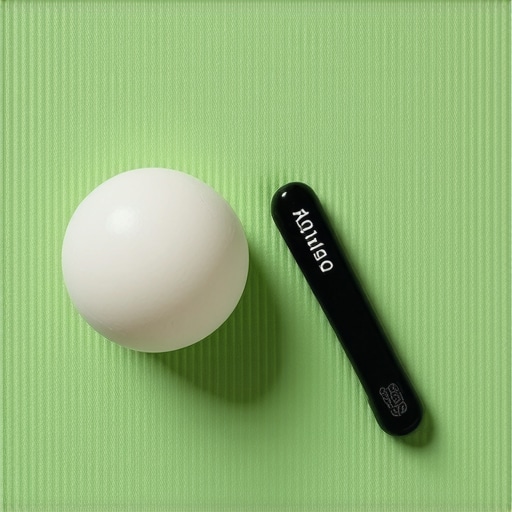 If you want to start scaling these results today, I challenge you to try the ’10-minute rule.’ Don’t commit to a massive lifestyle overhaul. Just commit to ten minutes of targeted movement—focusing on your breathing and that 90-90 reset—every single morning for one week. You’ll be surprised how quickly your brain stops pulling that emergency brake on your hamstrings when it finally feels structurally supported.
Three Vital Lessons from My Flexibility Failures
Reflecting on my years of frustration, there are three things I wish I had understood much sooner. First, your brain controls your range of motion far more than your muscle fibers do; if your nervous system feels unsafe, it will never let you go deeper into a stretch. Second, how chiropractic adjustments enhance posture and mobility isn’t just about ‘fixing a bone,’ but about resetting those neurological signals so your muscles can finally relax. Finally, I learned that more intensity rarely leads to more progress; true change happens in the quiet moments of stability, not during aggressive pulling.
My Daily Gear for Better Movement
I don’t believe in buying every gadget on the market, but a few specific tools have completely changed how I manage my body. I swear by a simple lacrosse ball for deep glute work and the Back Mechanic by Dr. Stuart McGill, which is essentially the bible for anyone trying to understand spinal hygiene. For a structured approach, I often refer back to the ultimate guide to improving mobility and posture in 2025 to ensure my routine is staying current with the best science available. Additionally, mastering the simple hip reset for people who sit for 8 hours has been the single most effective ‘free’ tool in my arsenal for keeping my pelvis level and my hamstrings happy. #IMAGE_PLACEHOLDER_E#
Step Into a More Flexible Future
You don’t have to be a yoga master to have a body that moves without pain. By focusing on stability first and mobility second, you are working with your biology instead of fighting against it. Remember that why chiropractic care is your secret weapon for better posture often comes down to the consistency of small, smart adjustments over time. Start with those ten minutes a day, listen to your body’s signals, and be patient with the process. Your hamstrings will thank you for finally letting go of the tension. Have you noticed your hamstrings getting tighter the more you stretch them? Let me know your experience in the comments below!