

I used to think the ‘couch office’ was the ultimate career perk until my spine decided to file a formal complaint. One rainy Tuesday, I spent six hours huddled over a spreadsheet, feeling like a productivity genius in my sweatpants. When I finally tried to stand up to grab a coffee, my body simply said ‘no.’ I was physically locked in a C-shape, shuffling toward the kitchen like a 90-year-old man who’d just finished a marathon in a storm. It was a wake-up call that hit me right in the lumbar. [IMAGE_PLACEHOLDER]
How I Stopped the Couch from Crushing My Spine
Most of us treat the sofa like a cloud, but for your vertebrae, it is often a trap. When you sink into those soft cushions, your pelvis tilts backward, and your lower back loses its natural curve. I made the classic mistake of thinking more pillows would solve the problem. I’d stack them up behind my head, which only pushed my chin toward my chest and created that dreaded laptop hump. Today, I’m going to show you that you don’t have to abandon your favorite lounge spot to stay healthy. We’ll cover the exact prop setup that keeps your vertebrae stacked and why your current ‘comfy’ position is actually a recipe for chronic inflammation. You’ll learn how to avoid that terrifying moment where your lower back hurts when you try to stand up straight.
Can a soft sofa ever really be a healthy workspace?
It’s a fair question to be skeptical about. You might think that without a $1,000 ergonomic chair, you’re doomed to have a stiff neck forever. I certainly did. But the truth is, your body doesn’t care about the price of the furniture; it cares about the mechanics of the joints. Research published in the Journal of Physical Therapy Science indicates that even small mobility adjustments and changes in seated posture can significantly reduce the pressure on spinal discs, which can increase by nearly 40% when we slouch compared to when we stand. I’ve lived the ‘locked-back’ nightmare, and I’ve found the way out. Have you ever felt that sharp, ‘stuck’ sensation in your hips after a long Netflix session or a work-from-home stint? I want to hear about it, because you aren’t alone. Let’s dive into the structural changes that actually work.
Turn Your Sofa Into a Spine-Friendly Command Center
Think of your pelvis as a bowl filled with water. When you sink into a soft couch, that bowl tips backward, spilling the ‘water’ all over your lumbar spine and forcing your lower back to flatten out. This mechanical collapse is exactly why you feel like you’ve aged fifty years after a long session. I remember last Tuesday when I tried to finish a report while leaning against the armrest of my sectional. Within twenty minutes, my right hip felt like it was fused to the cushion. I realized my ‘bowl’ was tipped so far to the side that my nerves were screaming. I grabbed a firm yoga block—though a thick book works too—and sat on it to level my hips. It wasn’t ‘comfy’ in the traditional sense, but the nagging ache vanished instantly. This is one of the most effective improving posture through mobility practical chiropractor strategies you can use without leaving your living room.
Stop Your Pelvis From Tipping Like a Leaky Bucket
To keep that pelvic bowl level, you need a firm foundation. If your couch is too soft, your sit-bones will dive into the foam, causing your hamstrings to pull on your tailbone. You can counteract this by placing a firm, flat cushion or even a folded wooden board under your glutes. By elevating your hips slightly above your knees, you naturally encourage the lower back to maintain its inward curve. This simple height adjustment is a major component of mobility hacks simple adjustments for a more active life. When your hips are at the right angle, your spine doesn’t have to work nearly as hard to stay upright.
Stack Your Vertebrae With a Targeted Lumbar Wedge
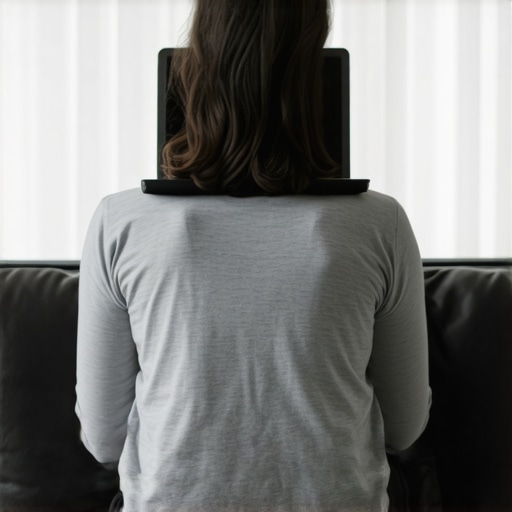
Don’t just throw pillows behind you randomly; that usually just pushes you further away from your support. You need to create a specific ‘wedge’ in the small of your back. I’ve found that a rolled-up bath towel works better than most decorative pillows because it doesn’t compress as easily. Place it exactly at the level of your navel. This support prevents the C-shape slouch that leads to the truth about why your lower back spasms suddenly. If you can feel the towel supporting your spine, you’re preventing the discs from being squashed like a jelly donut between two bricks.
Bring the Screen to Your Eyes Instead of Your Lap
If your laptop is resting on your actual lap, you are destined for a neck disaster. Your head weighs about 10 to 12 pounds, but for every inch you lean forward to look at a screen, that weight increases. This is how your vision is forcing your neck into a forward lean, straining the delicate muscles at the base of your skull. Use a stable tray, a laptop stand, or even a sturdy laundry basket to bring the top of your screen to eye level. This allows your shoulders to drop away from your ears and keeps your ribcage open. If you’re struggling with chronic tightness, understanding why chiropractic care is your secret-weapon for better posture can help reset the damage done by months of the ‘laptop lean.’
Perform a Quick Reset Before the Stiffness Sets In
The body is designed for motion, not for marinating in a static position. Every twenty minutes, you need to break the spell of the couch. Stand up and perform a simple hip reset for people who sit for 8 hours. Squeeze your glutes hard, reach your arms toward the ceiling, and take three deep belly breaths. This movement flushes the joints with fresh synovial fluid and reminds your brain where ‘neutral’ actually is. I’ve made this a non-negotiable rule in my house, and it’s the only reason I can still walk upright after a busy work week on the sofa.
The Mobility Myth That Keeps You Stiff
Most people think that if a muscle feels tight, the solution is to pull on it until it gives up. In my years of obsessing over spinal health, I’ve found that stretching is often the exact opposite of what you need. In fact, why stretching your hamstrings might actually make your back pain worse is one of the most common realizations my readers have. When a muscle feels ‘locked,’ it’s frequently your brain’s way of creating a biological splint to protect a joint that lacks stability. If you force that muscle to relax through aggressive stretching, you’re essentially ripping the Band-Aid off an open wound.
Why does your ‘tight’ muscle refuse to relax no matter how much you stretch it?
This is where the nuance of the link between mobility and posture a chiropractors guide comes into play. According to research in the Journal of Bodywork and Movement Therapies, ‘tightness’ is often a neurological output rather than a structural shortening of the tissue. If your pelvis is out of alignment, your hamstrings will stay taut to keep you from falling over. You aren’t ‘tight’; you’re actually ‘unstable.’ This is why mobility boosts for posture expert tips for daily adjustments focus on resetting the joint position first, so the nervous system feels safe enough to let the muscles let go.
Don’t Fall for the ‘Self-Cracking’ Trap
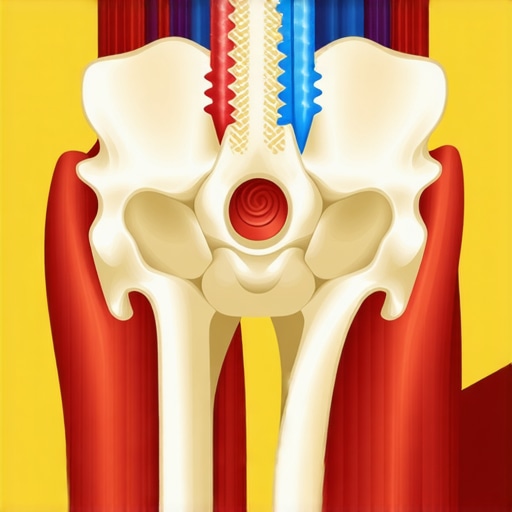
We’ve all done it—that quick twist of the torso to hear a ‘pop’ for instant relief. But here is the ‘oops’ factor: you are likely moving the joints that are already moving too much (hypermobile) while the truly ‘stuck’ segments remain frozen. This creates a cycle of temporary relief followed by even more instability. Instead of self-adjusting, you should understand what a chiropractor actually looks for during your first exam. They target the specific, non-moving segments to restore true function. If you keep hitting the same ‘easy’ cracks, you’re just wearing down your ligaments. Stop and learn why you should stop rolling your neck to get rid of cracks before you create permanent laxity in your cervical spine.
The Hidden Nuance of Muscle Soreness vs. Inflammation
Another common mistake is misidentifying the source of your discomfort. Many people treat joint inflammation with more movement, thinking they just need to ‘work it out.’ However, distinguishing the difference between muscle soreness and joint inflammation is vital. If your spine is inflamed due to poor sofa ergonomics, a ‘hard’ workout might actually trigger a protective spasm. Have you ever fallen into this trap of trying to exercise your way out of a sharp, localized pain? Let me know in the comments. Real progress happens when you pair revolutionize your posture with targeted mobility exercises with an understanding of when to rest and when to reset.
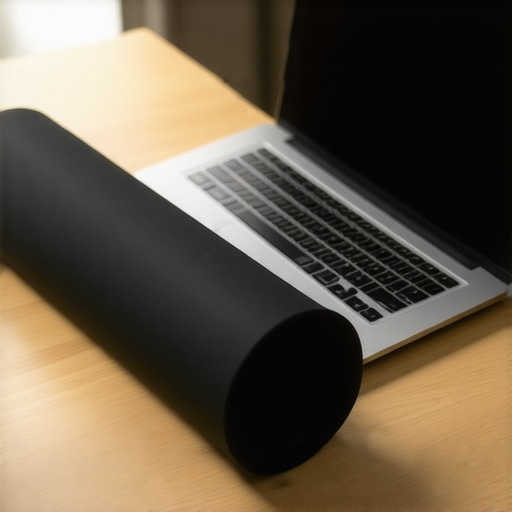
Once you’ve moved past the initial crisis of a locked back, the real work begins in the maintenance phase. I’ve found that the biggest hurdle isn’t the physical pain itself, but the ‘postural amnesia’ that sets in once you start feeling better. To combat this, I’ve curated a very specific toolkit that goes beyond a basic ergonomic chair. My absolute non-negotiable is a high-density McKenzie lumbar roll. Unlike those decorative sofa cushions that flatten the moment you lean back, a dense foam roll provides the constant tactile feedback your brain needs to keep your spine in a neutral position. It’s a core part of the ultimate guide to improving mobility and posture in 2025 because it forces your vertebrae to stay stacked without you having to think about it every second.
How can I keep my spine healthy without overthinking it?
Consistency beats intensity every single time. I used to think I needed an hour-long mobility routine every morning, but that lasted exactly four days. Now, I focus on ‘micro-dosing’ movement. I use a simple interval timer on my desktop that pings every 50 minutes. This is when I perform a quick postural check-in. If I feel that familiar tightness in my chest, I know it’s time to loosen your chest muscles after a day of hunching. This proactive approach prevents the cumulative stress that eventually leads to a flare-up. Research from the University of Waterloo, led by spine biomechanics expert Dr. Stuart McGill, suggests that building ‘core stiffness’—rather than just flexibility—is the secret to protecting the discs during daily tasks. This is why I prioritize stability drills over passive stretching to ensure my chiropractic adjustments unlock a pain-free lifestyle today and stay effective for weeks rather than hours.
Looking ahead, I predict we are going to see a massive shift toward wearable biofeedback. We are already seeing smart shirts with haptic sensors that vibrate when your shoulders roll forward. While the tech is exciting, it can’t replace the fundamental structural integrity provided by professional care. Understanding how chiropractic adjustments enhance posture and mobility remains the foundation. These professional ‘resets’ allow your nervous system to accept the new, better positions you’re trying to build with your tools and desk setups. If you’re ready to scale your results, I challenge you to try the ‘Wall Squeeze’ tonight: stand against a flat wall and try to get your calves, glutes, shoulders, and the back of your head to touch simultaneously for 60 seconds. It’s harder than it sounds, but it’s the ultimate diagnostic tool for your current alignment.
The Brutal Truth About Your Loose Muscles
For years, I believed that if a muscle felt tight, I simply needed to stretch it more. I was wrong. One of the most profound lessons I learned is that tension is often a protective mechanism, not a lack of flexibility. My hamstrings weren’t tight because I was lazy; they were tight because my pelvis was unstable on the soft cushions. When I understood why your neck muscles are hard like a rock, I finally stopped over-stretching and started focusing on stability. I realized that my brain was literally locking my body down to prevent an injury. Another lightbulb moment was discovering that ‘comfort’ is often the enemy of alignment. That sinking feeling we love on a sofa is actually the feeling of our ligaments being overstretched. True comfort comes from structural support, not just soft foam. Finally, I learned that you cannot out-exercise a bad environment. No matter how many squats I did, six hours of slouching would always win unless I changed the setup.
Items That Actually Saved My Back From the Sofa Sinkhole
I don’t believe in buying every gadget on the market, but there are a few tools that changed everything for my home office. First, a high-density McKenzie lumbar roll is a non-negotiable for me. Unlike a standard pillow, it doesn’t lose its shape, ensuring my lower back stays supported all day. Second, I highly recommend a height-adjustable laptop desk that can slide under the sofa. This single change stopped my ‘laptop lean’ and saved my neck. For those looking to go deeper, I suggest reading the ultimate guide to improving mobility and posture in 2025 to understand the long-term mechanics of your spine. Lastly, never underestimate the power of professional help. Learning enhance your posture with expert chiropractic techniques in 2025 helped me fix the imbalances that my DIY setup couldn’t reach. I trust these resources because they focus on the ‘why’ behind the pain, not just the symptoms.
Start Rebuilding Your Foundation Today
You don’t need a fancy executive suite to work effectively and stay healthy. By applying these small, strategic shifts in how you sit and move, you are reclaiming your physical longevity. It’s about being the architect of your own environment rather than a victim of your furniture. Every time you choose to stack your vertebrae or take a movement break, you are investing in a future where you can move freely and without restriction. Embrace the power of mobility, adjustments, and posture as your daily toolkit. Have you ever tried the ‘Wall Squeeze’ and realized how far your shoulders have drifted from neutral? Let me know your results in the comments below!