

You have been waiting for months to see your favorite band. You finally get to the venue, navigate the crowded floor, and secure a great spot. The music is incredible, the energy is electric, but about forty minutes into the set, a familiar, nagging irritation begins. It starts as a dull, heavy pressure right across your beltline. By the encore, you are shifting from foot to foot, desperately wishing for a plastic chair, and wondering how a fun night out turned into a painful physical endurance test. I used to suffer from this exact same issue at every gig I attended, assuming my body was simply giving up on me as I got older.
The Real Reason You Are Hurting Before the Headliner Even Takes the Stage
For years, I made the classic mistake of blaming my shoes. I spent hundreds of dollars on cushioned sneakers, thinking that extra padding would solve everything. But the truth is, the ache in your lower spine has very little to do with the concrete floor and almost everything to do with how standing still locks up your joints. When we stand in one place for hours, we unconsciously slide into a passive posture. Our hips tilt forward, our lower back arches excessively, and our deep stabilizing muscles completely turn off. This structural collapse transfers all your body weight directly onto your lumbar facet joints and spinal ligaments instead of using your muscles to support you.
If you want to understand how this passive collapse affects other daily tasks, you might also find yourself wondering why your lower back aches after standing in a kitchen for an hour. The mechanical breakdown is virtually identical. This static posture creates massive spinal compression. In fact, a study published in the Journal of Electromyography and Kinesiology highlights that prolonged standing causes significant muscle fatigue in the hip abductors, which directly triggers compensatory stiffness and pain in the lower back. Without active movement to pump fluid through your spinal discs, those tissues become temporarily starved of oxygen and nutrients, leading to that deep, burning ache.
Are some people just not built for standing?
It is easy to fall into the trap of thinking your spine is permanently damaged or that you are simply “not built” for standing room only sections. But the reality is that our bodies are designed to move, not to act as concrete pillars. When we stop moving, our joints stiffen. To combat this at your next show, you can learn the simple trick to standing for hours without back fatigue. Incorporating small, active pelvic tilts and shifting your weight with intention can keep your core engaged and protect your lumbar joints from bearing the brunt of the load. Have you ever had to leave a great concert early, or spent the entire drive home in absolute agony because your back locked up? Let me know in the comments below, because you do not have to just accept this as your default concert experience.
How to Turn Active Standing into a Reflex Action
To survive a three-hour show without your lower spine feeling like it is being crushed in a hydraulic press, you have to change how you interact with gravity. Think of your skeleton as a high-performance suspension system. When a car sits parked for months, the shocks rust and freeze up. That is exactly what you do to your lumbar spine when you lock your knees and stand perfectly still. By introducing subtle, active movement patterns, you can keep the joint fluid circulating and prevent your pelvis from slipping into a painful forward tilt.
First, unlock your knees. When your knees snap back into a fully locked position, you instantly turn off your glutes and hamstrings. This transfers the burden of standing straight to your lower back. Keep a soft bend in your knees, just a micro-adjustment of a millimeter, so your leg muscles have to stay dynamic. Next, perform a subtle posterior pelvic tilt. Imagine your pelvis is a bucket filled to the brim with water. When you stand passively, your lower back arches, tilting the bucket forward and spilling water out of the front. Pull your belly button gently toward your spine to level the bucket out. This simple adjustment instantly decompresses the joint space in your lower back.

My turning point with this technique came during a crowded indoor rock show last fall. By the middle of the opening act, that familiar, burning pressure began building in my lumbar region. Instead of panicking or trying to stretch by bending forward, which only irritates sensitized spinal ligaments, I put these adjustments into practice. I slightly bent my knees, leveled my pelvis, and began slowly shifting my weight from my left heel to my right toe. It felt slightly awkward for the first five minutes, but the relief was almost immediate. By the time the headliner finished their encore, I realized I had stood for over three hours completely pain-free.
Take Active Ownership of Your Joint Health and Mobility
To make these postural adjustments effortless during a long night on your feet, you need to lay the groundwork beforehand. Learning how to revolutionize your posture with targeted mobility exercises will train your nervous system to keep these stabilizing muscles active without you constantly thinking about them. When your hip flexors are chronically tight from sitting all day at work, they act like tight rubber bands, constantly pulling your pelvis forward the moment you stand up. Regular mobility work helps release that tension, giving you the physical freedom to stand upright naturally.
If you find that your back still locks up despite these postural shifts, it might be a sign that some of your spinal joints are physically restricted. Utilizing chiropractic adjustments to unlock a pain-free lifestyle today can address those underlying structural blockages. When joints are restricted, even the best posture won’t fully alleviate the strain, because the surrounding muscles have to work twice as hard to compensate. Combining expert care with simple habits like shifting your weight and keeping your core gently engaged is the ultimate recipe for standing comfortably through any encore.
When we talk about standing comfortably for long periods, the typical advice is to stand up perfectly straight. We are told to pull our shoulders back, tuck our chin, and squeeze our shoulder blades together like we are trying to hold a coin between them. But this rigid approach to posture is a massive mistake. In my experience, trying to force yourself into a static, idealized pose actually does more harm than good. When you tense up your body to achieve perfect alignment, you create a state of constant, low-grade muscle contraction. Your muscles never get a break, which leads to early fatigue and eventually a deep, structural ache.
The Core-Tightening Trap and Other Mistakes
One of the biggest mistakes I see people make is trying to brace their core constantly while standing. You might have read that a strong core protects your spine, which leads you to hold your stomach in tight for hours. But keeping your abdominal wall rigidly contracted actually restricts your breathing and increases intra-abdominal pressure, which puts even more stress on your lumbar discs. Instead of bracing, your body needs dynamic stability. You need to learn mobility boosts for posture: expert tips for daily adjustments that emphasize gentle, unconscious movements rather than rigid, forced alignment.
Another common trap is stretching the wrong muscles when you feel stiff. When your lower back begins to ache after standing, your immediate instinct might be to bend forward and touch your toes to stretch your hamstrings. However, why stretching your hamstrings won’t fix your tight back comes down to neurology. Your hamstrings are often feeling tight because they are actively working to keep your pelvis from tilting too far forward. Stretching them out simply removes that protective tension, leaving your lower back completely vulnerable to joint compression.
Why does my back feel worse when I try to stand with perfect posture?
When you force yourself into what you think is good posture, you are likely overcompensating by hyperextending your thoracic spine and locking your joints. A study published in the Archives of Physical Medicine and Rehabilitation notes that rigid postural correction often increases muscle tension in the superficial spinal extensors while failing to activate the deep stabilizing muscles. This means your back muscles are working overtime to hold a fake pose, which cuts off blood flow and creates painful lactic acid buildup. Have you ever fallen into this trap of trying to stand too straight only to end up in more pain? Let me know in the comments.
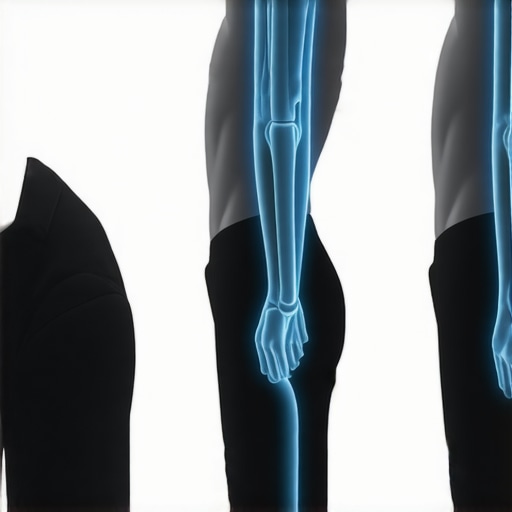
Real relief does not come from holding a stiff pose; it comes from dynamic movement and addressing structural blockages. If your joints are restricted, no amount of forced posture will make standing comfortable. Incorporating improving posture through mobility: practical chiropractor strategies into your routine helps restore natural, effortless joint play. When your joints can glide freely, your nervous system automatically finds its natural balance point without you having to constantly think about it. By focusing on joint mobility rather than rigid posture, you can finally enjoy long concert sets, busy museum trips, or standing desks without constantly fighting your own body.
If you have spent any time trying to fix your alignment, you know that temporary relief is easy to find, but long-term maintenance is where most people fail. I used to think that a single spinal adjustment or one good stretching session would keep me pain-free forever. It did not take long to realize that joint health is an ongoing project. To truly lock in your progress, you have to transition from reactive treatment to proactive maintenance, using specific tools and daily habits that build a resilient structural system.
The Tools I Actually Use and Why They Work
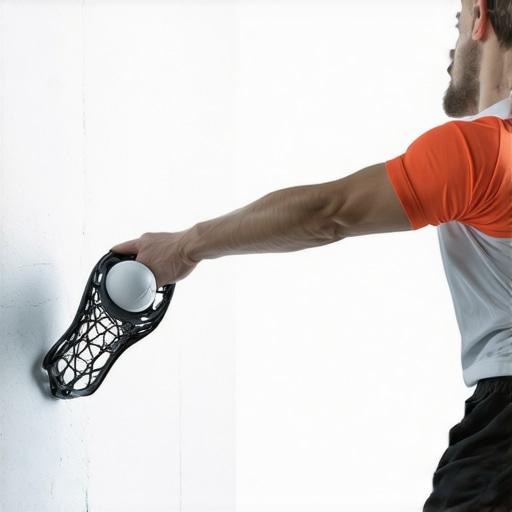
The market is flooded with posture correctors, vibrating foam rollers, and ridiculous back braces that promise instant miracles. Most of these gimmicks are completely useless because they do the work for your muscles, causing them to weaken further over time. My absolute favorite tool, and one I recommend to almost everyone, is a simple, firm lacrosse ball. Unlike soft tennis balls or bulky foam rollers, a lacrosse ball is small enough to target specific muscle-tendon junctions, like the gluteus medius and the tensor fasciae latae, which are notorious for pulling the pelvis out of alignment. If you want to know how these tight hip structures affect your comfort during simple tasks, checking out the connection between hip tightness and lower back spasms can shed some light on the subject.
For my spine, I rely on a daily three-minute mobilization routine. It is a non-negotiable part of my morning, much like brushing my teeth. Incorporating mobility hacks: simple adjustments for a more active life helps to gently lubricate the spinal facets before I sit down at my desk. To make this routine even more effective, I track my joint progress using a simple goniometer app on my phone to measure my hip and shoulder flexion angles. This objective feedback prevents me from guessing whether my mobility is actually improving or if I am just getting used to the stiffness.
How do I maintain my mobility gains over time?
Consistency trumps intensity every single time. It is far better to spend three minutes daily on mobility than to do a grueling one-hour session once a week. The goal is to consistently signal to your nervous system that these newly unlocked ranges of motion are safe to use. According to Dr. Kelly Starrett, a physical therapist and pioneer of modern movement coaching, restoring sliding surfaces between your fascia and muscle tissue is the key to preventing joint binding. If you consistently experience structural blockages that restrict this sliding motion, seeking out why chiropractic care is your secret weapon for better posture can be the missing piece to restore that natural joint glide. Over time, these small adjustments prevent the subtle, daily micro-wear that leads to chronic degenerative changes.
Where the Future of Spinal Maintenance is Heading
We are rapidly moving away from passive treatments and toward personalized, biometrics-driven movement plans. In the near future, wearable sensors integrated into our clothing will likely track spinal shear stress in real-time, gently alerting us to shift our weight before our lower back ever starts to ache. Until those smart-fabrics are commonplace, you must take active ownership of your alignment. If you want to build a truly resilient body, I highly encourage you to start with the ultimate guide to improving mobility and posture in 2025 to learn the exact physical baselines you should be targeting today. Try just one specific pelvic reset or hip mobilization tip from this guide tonight before you go to bed, and notice how much lighter your spine feels when your feet hit the floor tomorrow morning.
You have been waiting for months to see your favorite band. You finally get to the venue, navigate the crowded floor, and secure a great spot. The music is incredible, the energy is electric, but about forty minutes into the set, a familiar, nagging irritation begins. It starts as a dull, heavy pressure right across your beltline. By the encore, you are shifting from foot to foot, desperately wishing for a plastic chair, and wondering how a fun night out turned into a painful physical endurance test. I used to suffer from this exact same issue at every gig I attended, assuming my body was simply giving up on me as I got older.
The Real Reason You Are Hurting Before the Headliner Even Takes the Stage
For years, I made the classic mistake of blaming my shoes. I spent hundreds of dollars on cushioned sneakers, thinking that extra padding would solve everything. But the truth is, the ache in your lower spine has very little to do with the concrete floor and almost everything to do with how standing still locks up your joints. When we stand in one place for hours, we unconsciously slide into a passive posture. Our hips tilt forward, our lower back arches excessively, and our deep stabilizing muscles completely turn off. This structural collapse transfers all your body weight directly onto your lumbar facet joints and spinal ligaments instead of using your muscles to support you.
If you want to understand how this passive collapse affects other daily tasks, you might also find yourself wondering why your lower back aches after standing in a kitchen for an hour. The mechanical breakdown is virtually identical. This static posture creates massive spinal compression. In fact, a study published in the Journal of Electromyography and Kinesiology highlights that prolonged standing causes significant muscle fatigue in the hip abductors, which directly triggers compensatory stiffness and pain in the lower back. Without active movement to pump fluid through your spinal discs, those tissues become temporarily starved of oxygen and nutrients, leading to that deep, burning ache.
Are some people just not built for standing?
It is easy to fall into the trap of thinking your spine is permanently damaged or that you are simply “not built” for standing room only sections. But the reality is that our bodies are designed to move, not to act as concrete pillars. When we stop moving, our joints stiffen. To combat this at your next show, you can learn the simple trick to standing for hours without back fatigue. Incorporating small, active pelvic tilts and shifting your weight with intention can keep your core engaged and protect your lumbar joints from bearing the brunt of the load. Have you ever had to leave a great concert early, or spent the entire drive home in absolute agony because your back locked up? Let me know in the comments below, because you do not have to just accept this as your default concert experience.
How to Turn Active Standing into a Reflex Action
To survive a three-hour show without your lower spine feeling like it is being crushed in a hydraulic press, you have to change how you interact with gravity. Think of your skeleton as a high-performance suspension system. When a car sits parked for months, the shocks rust and freeze up. That is exactly what you do to your lumbar spine when you lock your knees and stand perfectly still. By introducing subtle, active movement patterns, you can keep the joint fluid circulating and prevent your pelvis from slipping into a painful forward tilt.
First, unlock your knees. When your knees snap back into a fully locked position, you instantly turn off your glutes and hamstrings. This transfers the burden of standing straight to your lower back. Keep a soft bend in your knees, just a micro-adjustment of a millimeter, so your leg muscles have to stay dynamic. Next, perform a subtle posterior pelvic tilt. Imagine your pelvis is a bucket filled to the brim with water. When you stand passively, your lower back arches, tilting the bucket forward and spilling water out of the front. Pull your belly button gently toward your spine to level the bucket out. This simple adjustment instantly decompresses the joint space in your lower back.
My turning point with this technique came during a crowded indoor rock show last fall. By the middle of the opening act, that familiar, burning pressure began building in my lumbar region. Instead of panicking or trying to stretch by bending forward, which only irritates sensitized spinal ligaments, I put these adjustments into practice. I slightly bent my knees, leveled my pelvis, and began slowly shifting my weight from my left heel to my right toe. It felt slightly awkward for the first five minutes, but the relief was almost immediate. By the time the headliner finished their encore, I realized I had stood for over three hours completely pain-free.
Take Active Ownership of Your Joint Health and Mobility
To make these postural adjustments effortless during a long night on your feet, you need to lay the groundwork beforehand. Learning how to revolutionize your posture with targeted mobility exercises will train your nervous system to keep these stabilizing muscles active without you constantly thinking about them. When your hip flexors are chronically tight from sitting all day at work, they act like tight rubber bands, constantly pulling your pelvis forward the moment you stand up. Regular mobility work helps release that tension, giving you the physical freedom to stand upright naturally.
If you find that your back still locks up despite these postural shifts, it might be a sign that some of your spinal joints are physically restricted. Utilizing chiropractic adjustments to unlock a pain-free lifestyle today can address those underlying structural blockages. When joints are restricted, even the best posture won’t fully alleviate the strain, because the surrounding muscles have to work twice as hard to compensate. Combining expert care with simple habits like shifting your weight and keeping your core gently engaged is the ultimate recipe for standing comfortably through any encore.
When we talk about standing comfortably for long periods, the typical advice is to stand up perfectly straight. We are told to pull our shoulders back, tuck our chin, and squeeze our shoulder blades together like we are trying to hold a coin between them. But this rigid approach to posture is a massive mistake. In my experience, trying to force yourself into a static, idealized pose actually does more harm than good. When you tense up your body to achieve perfect alignment, you create a state of constant, low-grade muscle contraction. Your muscles never get a break, which leads to early fatigue and eventually a deep, structural ache.
The Core-Tightening Trap and Other Mistakes
One of the biggest mistakes I see people make is trying to brace their core constantly while standing. You might have read that a strong core protects your spine, which leads you to hold your stomach in tight for hours. But keeping your abdominal wall rigidly contracted actually restricts your breathing and increases intra-abdominal pressure, which puts even more stress on your lumbar discs. Instead of bracing, your body needs dynamic stability. You need to learn mobility boosts for posture: expert tips for daily adjustments that emphasize gentle, unconscious movements rather than rigid, forced alignment.
Another common trap is stretching the wrong muscles when you feel stiff. When your lower back begins to ache after standing, your immediate instinct might be to bend forward and touch your toes to stretch your hamstrings. However, why stretching your hamstrings won’t fix your tight back comes down to neurology. Your hamstrings are often feeling tight because they are actively working to keep your pelvis from tilting too far forward. Stretching them out simply removes that protective tension, leaving your lower back completely vulnerable to joint compression.
Why does my back feel worse when I try to stand with perfect posture?
When you force yourself into what you think is good posture, you are likely overcompensating by hyperextending your thoracic spine and locking your joints. A study published in the Archives of Physical Medicine and Rehabilitation notes that rigid postural correction often increases muscle tension in the superficial spinal extensors while failing to activate the deep stabilizing muscles. This means your back muscles are working overtime to hold a fake pose, which cuts off blood flow and creates painful lactic acid buildup. Have you ever fallen into this trap of trying to stand too straight only to end up in more pain? Let me know in the comments.
Real relief does not come from holding a stiff pose; it comes from dynamic movement and addressing structural blockages. If your joints are restricted, no amount of forced posture will make standing comfortable. Incorporating improving posture through mobility: practical chiropractor strategies into your routine helps restore natural, effortless joint play. When your joints can glide freely, your nervous system automatically finds its natural balance point without you having to constantly think about it. By focusing on joint mobility rather than rigid posture, you can finally enjoy long concert sets, busy museum trips, or standing desks without constantly fighting your own body.
If you have spent any time trying to fix your alignment, you know that temporary relief is easy to find, but long-term maintenance is where most people fail. I used to think that a single spinal adjustment or one good stretching session would keep me pain-free forever. It did not take long to realize that joint health is an ongoing project. To truly lock in your progress, you have to transition from reactive treatment to proactive maintenance, using specific tools and daily habits that build a resilient structural system.
The Tools I Actually Use and Why They Work
The market is flooded with posture correctors, vibrating foam rollers, and ridiculous back braces that promise instant miracles. Most of these gimmicks are completely useless because they do the work for your muscles, causing them to weaken further over time. My absolute favorite tool, and one I recommend to almost everyone, is a simple, firm lacrosse ball. Unlike soft tennis balls or bulky foam rollers, a lacrosse ball is small enough to target specific muscle-tendon junctions, like the gluteus medius and the tensor fasciae latae, which are notorious for pulling the pelvis out of alignment. If you want to know how these tight hip structures affect your comfort during simple tasks, checking out the connection between hip tightness and lower back spasms can shed some light on the subject.
For my spine, I rely on a daily three-minute mobilization routine. It is a non-negotiable part of my morning, much like brushing my teeth. Incorporating mobility hacks: simple adjustments for a more active life helps to gently lubricate the spinal facets before I sit down at my desk. To make this routine even more effective, I track my joint progress using a simple goniometer app on my phone to measure my hip and shoulder flexion angles. This objective feedback prevents me from guessing whether my mobility is actually improving or if I am just getting used to the stiffness.
How do I maintain my mobility gains over time?
Consistency trumps intensity every single time. It is far better to spend three minutes daily on mobility than to do a grueling one-hour session once a week. The goal is to consistently signal to your nervous system that these newly unlocked ranges of motion are safe to use. According to Dr. Kelly Starrett, a physical therapist and pioneer of modern movement coaching, restoring sliding surfaces between your fascia and muscle tissue is the key to preventing joint binding. If you consistently experience structural blockages that restrict this sliding motion, seeking out why chiropractic care is your secret weapon for better posture can be the missing piece to restore that natural joint glide. Over time, these small adjustments prevent the subtle, daily micro-wear that leads to chronic degenerative changes.
Where the Future of Spinal Maintenance is Heading
We are rapidly moving away from passive treatments and toward personalized, biometrics-driven movement plans. In the near future, wearable sensors integrated into our clothing will likely track spinal shear stress in real-time, gently alerting us to shift our weight before our lower back ever starts to ache. Until those smart-fabrics are commonplace, you must take active ownership of your alignment. If you want to build a truly resilient body, I highly encourage you to start with the ultimate guide to improving mobility and posture in 2025 to learn the exact physical baselines you should be targeting today. Try just one specific pelvic reset or hip mobilization tip from this guide tonight before you go to bed, and notice how much lighter your spine feels when your feet hit the floor tomorrow morning.
The Realizations That Completely Reshaped My Alignment Strategy
When I look back at my years of struggling with standing-room events, I realize how much bad advice I had to unlearn to finally find relief. First, I had to stop viewing stiffness as a muscle strength issue. I used to think I needed to do countless planks to hold myself up, when in reality, my body was crying out for fluid movement, not rigid bracing. Second, I realized that my feet and my neck are intimately connected; locking my lower body instantly traveled up the chain to strain my head. Finally, I discovered that micro-shifts are far more powerful than massive, dramatic posture corrections. Embracing continuous, tiny weight adjustments turned standing from a physical chore into a dynamic, natural state of being.
The Simple Gear I Carry to Every Show
You do not need a gym full of equipment to keep your spine safe on the go. When I am heading out to a long concert or a conference, I have a few simple, non-negotiable items in my pack. I always wear zero-drop, flexible-soled shoes to allow my feet to move naturally rather than locking my heels in an elevated position. I also carry a small trigger point ball in my car for a quick glute massage immediately after sitting for the drive home. Lastly, I rely heavily on the visual and movement checklists provided in the link between mobility and posture: a chiropractor’s guide, which keeps my alignment goals grounded in clinical logic rather than internet guesswork.
Take the First Step Toward Your Pain-Free Concert Season
You do not have to watch your favorite bands from the back of the venue or decline standing-room tickets out of fear. By treating standing as a dynamic, active skill rather than a static state, you can completely reclaim your physical freedom. When you combine simple, conscious pelvic resets with a structured approach to joint mobility, your lower back will finally get the relief it deserves. Make the shift to active standing at your very next outing, and watch how quickly your body adapts to a pain-free, fully mobile lifestyle. Have you ever had to leave an event early because of a nagging back ache? Let me know in the comments below!