

I remember sitting at my kitchen island, typing away, when a sharp, familiar spasm gripped my lower spine. I did what most of us do: I stood up, twisted side to side, and tried to stretch my hamstrings. Nothing worked. In fact, it got worse. It took me years of dealing with chronic back tightness to realize that my daily habits were completely fighting against my body. I was making a massive, classic mistake: I was breathing almost entirely into my chest, keeping my accessory neck muscles locked in a constant state of panic. It turns out that why your desk posture is ruining your breathing capacity is directly tied to that nagging ache in your lumbar spine. Today, we are going to unpack exactly how to rewire your nervous system, tap into your diaphragm, and use your lungs to actually decompress your lower back from the inside out.
The Day I Realized My Lungs Were Trapping My Spine
I used to think that breathing was automatic, so how could I possibly be doing it wrong? But after hours of sitting, my posture would collapse, my ribs would lock up, and my breath would become shallow and rapid. This chest-breathing habit forces the lower back muscles to stabilize the spine entirely on their own, without any internal support from your abdominal cavity. When you do not expand your lungs downward, you lose the natural, pressurizing support that keeps your spine happy. It is a vicious cycle where poor movement patterns lead to chronic tension. This is why so many people find that the link between mobility and posture is the missing piece of the puzzle. Once I finally learned to direct my breath into my lower abdomen and sides, the stubborn tightness in my back began to melt away. According to a clinical trial published in the Journal of Physical Therapy Science, deep diaphragmatic breathing significantly reduces chronic low back pain by improving core stability and altering how our brains process pain signals. If you have been stretching your back for months with zero relief, your breathing mechanics are likely the hidden culprit.
Is Breathing Differently Really Going to Fix a Structural Back Issue?
It sounds almost too simple to be true, doesn’t it? We are conditioned to believe that deep structural back pain requires aggressive adjustments, heavy lifting, or intense lifestyle overhauls. While professional chiropractic care is incredibly valuable for structural alignment, your daily breathing pattern happens over 20,000 times a day. If every single one of those breaths is pulling your ribs upward and tightening your lower back, no amount of passive stretching will keep the pain away. Have you ever noticed that your lower back feels incredibly stiff after a high-stress day at work, even if you did not do any heavy lifting? Let me know in the comments if stress-induced shallow breathing triggers your back flare-ups too.
How to Reprogram Your Breathing to Instantly Relieve Spine Pressure
To fix a locked-up lower back, you must treat your abdominal cavity like an inflating beach ball. When you breathe in, that ball should expand in all directions—front, sides, and back. Most desk workers only expand the very top of their chest, which leaves the lower spine completely unsupported. By actively directing your breath downward, you create internal pressure that pushes outward against your lumbar spine, acting like a natural traction machine from the inside out.
I remember trying this for the first time on my living room floor after a grueling nine-hour desk session. I laid down on my back, bent my knees, and placed my hands on the sides of my lower rib cage. For the first five minutes, nothing moved under my hands. My ribs were so locked up from hours of slouching that they felt like solid stone. I had to consciously force myself to stop sucking my stomach in and instead let my belly expand completely. When my ribs finally budged and expanded outward, I felt a distinct, deep pop in my lower back, and the persistent ache immediately quieted down. This simple shift is the foundation of revolutionize your posture with targeted mobility exercises because it physically forces your joints to move with every single breath.

The Three-Step Expansion Method for Instant Lumbar Relief
To get your diaphragm functioning as a built-in spine decompressor, you need to practice three specific steps daily. First, lie flat on your back with your knees bent at a ninety-degree angle and your feet flat on the floor. Place one hand on your chest and one hand on your belly. As you inhale slowly through your nose, your bottom hand must rise while your top hand remains perfectly still. If you feel your collarbones lifting, you are still relying on your neck muscles to breathe.
Second, move your hands to the very bottom of your rib cage, gripping your sides just above your hips. As you breathe in, try to push your hands outward to the left and right. This lateral expansion is crucial. If you struggle to feel this movement, check out our guide on how to stop your rib cage from feeling stuck when you breathe to help release those stubborn intercostal muscles. Finally, focus on the exhale. Let the air escape slowly and completely through pursed lips, allowing your ribs to knit back down toward your pelvis. This complete exhalation fires up your deep core stabilizers, which takes the physical workload off your exhausted lower back muscles.
Integrate Your Breath with Daily Movements to Avoid Spasms
Once you master this breathing style while lying down, you have to take it into your daily upright life. When you are sitting at your computer, make it a habit to perform three 360-degree expansion breaths every time you send an email or take a phone call. This keeps your spinal muscles from clamping down into a defensive spasm. If your spine still feels rigid and unresponsive to these breathing adjustments, it often means your structural alignment needs professional attention. Utilizing targeted improving posture through mobility practical chiropractor strategies can help restore the joint play your ribs and vertebrae need to move freely again.
The Mobility Myth That Keeps Your Lumbar Locked
Many wellness advocates suggest that if your lower back is tight, you must stretch it, roll it out, or force yourself to sit perfectly upright all day. In my experience, this common advice is not only ineffective but can actively prolong your pain. When you aggressively stretch an already irritated lower back, your nervous system responds by clamping down even harder to protect the spine. Everyone says to stretch your hamstrings and flex your spine, but why your gentle stretching is actually causing more inflammation lies in this exact protective muscle guarding. Real, lasting relief does not come from forcing your joints into passive stretches. It comes from establishing functional, active control. If you have been pulling your knees to your chest every morning with zero long-term progress, you are falling into this exact trap. Have you ever fallen into this trap? Let me know in the comments.
The Structural Trap of the Self-Cracking Habit
Another dangerous pitfall is the urge to self-manipulate. We have all done it: twisting our torso rapidly until we hear that loud, satisfying pop in our lower spine. While it offers a fleeting sense of relief due to a temporary release of endorphins, you are likely worsening your spinal instability. When you crack your own back, you are not targeting the stiff, restricted joints. Instead, you are forcing the hypermobile joints above and below the restriction to move even more. To understand why this habit keeps you locked in a cycle of tension, look into the truth about cracking your own back for relief. Over time, this micro-trauma stretches the supporting ligaments, leaving your deep core stabilizers unable to protect your lumbar spine during basic daily tasks.
Why Does Your Back Still Tighten Up Even When Your Posture Looks Perfect?
Many of my clients boast about their pristine, military-straight sitting posture, yet they still suffer from debilitating spasms. This is because static “perfect” posture is an illusion. Your spine is designed for dynamic variability, not rigid containment. When you force yourself into an unnaturally straight position, you create immense muscular fatigue in your erector spinae. A study published in the European Spine Journal highlights that rigid, static posture increases spinal load and muscle fatigue compared to relaxed, dynamic sitting patterns. If your joints cannot glide through their natural ranges, you are essentially wearing a tight muscular straightjacket. To truly break this cycle, you must focus on mobility rather than static positioning. By introducing fluid, micro-movements into your workday, you teach your nervous system that it is safe to let go of defensive tension. If you want to address the deeper structural restrictions that prevent this natural movement, understanding how chiropractic adjustments enhance posture and mobility is the logical next step to restoring your body’s innate resilience. 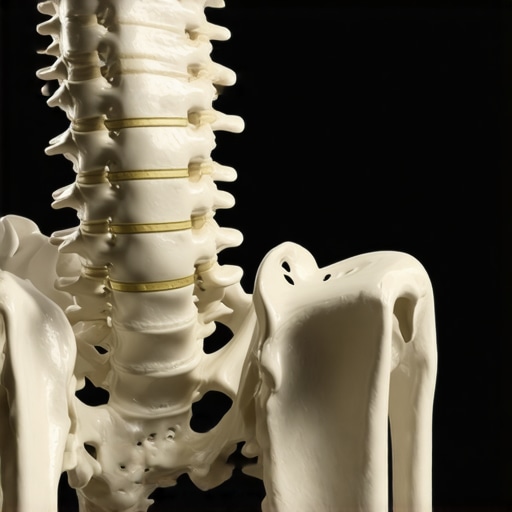 To move past the cycle of constant back spasms, you must transition from reactive crisis management to a proactive maintenance routine. I used to spend hundreds of dollars on generic massage gadgets that only numbed my skin without actually changing my joint mechanics. Real progress happened when I narrowed my toolkit down to specific, targeted equipment and structured daily habits. Today, my non-negotiable tool is a dense, dual-lacrosse mobility ball—often called a ‘peanut’—which I use to release the thoracic spine segments right between my shoulder blades. By pinning the peanut against a wall and leaning my weight into it, I can target the exact ribs that restrict my breathing. This simple release allows my diaphragm to drop fully, preventing that agonizing lower back pressure from building up during long writing sessions. For anyone struggling with persistent stiffness, utilizing these physical tools alongside mobility boosts for posture expert tips for daily adjustments can finally break the cycle of chronic daily tension.
How do I maintain my spinal mobility and posture over time?
Consistency beats intensity every single time when it comes to neurological retraining. You cannot undo eight hours of slouching with a single weekly stretching session. Instead, I schedule what I call ‘mobility snacks’ throughout my day. I set a silent timer on my computer for every fifty minutes. When it goes off, I perform three deep diaphragmatic breaths, followed by a quick standing hip hinge to reset my pelvis. Over months of practice, these micro-habits rewrite your brain’s default posture map. Additionally, I highly recommend tracking your active range of motion rather than just how much pain you feel. If you notice that you cannot turn your head fully to the left or that your chest feels tight when you reach overhead, your body is giving you an early warning sign that a flare-up is brewing. Catching these subtle movement limitations early and addressing them with mobility hacks simple adjustments for a more active life will save you from painful spasms down the road.
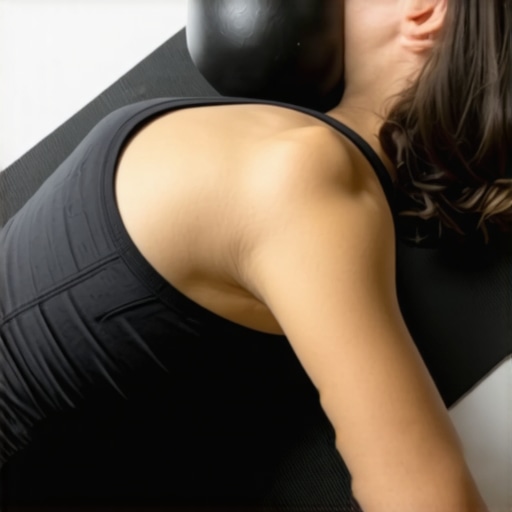
Where is the future of posture and spinal care going? I predict we will see a massive shift away from passive bracing and toward active sensory feedback. Niche movement experts, such as those at the Postural Restoration Institute (PRI), are already demonstrating that correcting structural imbalances requires retraining our brains to recognize where our body is in space. We will see smart wearables that do not just buzz when you slouch, but actually monitor your breathing depth and rib cage expansion in real time. Until then, we must take ownership of our movement patterns. If you want to accelerate your results, I challenge you to try my favorite advanced tip tonight: perform five minutes of 360-degree diaphragmatic breathing while resting your calves on a chair at a ninety-degree angle. This simple position completely unloads the psoas muscle and coaxes your nervous system out of fight-or-flight mode. If your structural restrictions still make it painful to breathe deeply, seeking professional help to align your joints through chiropractic adjustments unlock a pain free lifestyle today is the ultimate way to clear the path for your daily mobility work.
The Hardest Lessons I Learned About My Own Spine Alignment
For years, I believed that if I just stretched enough or bought the most expensive ergonomic chair, my chronic back spasms would magically vanish. The hardest lesson I had to learn was that my daily, unconscious patterns—especially how I braced my rib cage and held my breath—were completely sabotaging my recovery. I was trapped in a cycle of temporary relief followed by sudden, painful relapses. It wasn’t until I stopped focusing solely on the site of pain and began addressing my breathing mechanics and thoracic mobility that my body truly started to heal. I realized that my diaphragm was meant to act as an internal stabilizer, and by neglecting it, I was forcing my lower back to do double the work. If you are constantly stretching your hamstrings because they feel tight, you might actually be making things worse; understanding why your hamstrings feel tight even though you stretch them daily can help you break free from this frustrating loop of ineffective habits.
My Essential Daily Toolkit for Spine Health
To transition out of survival mode and into active maintenance, I rely on a few specific tools that help me preserve my mobility even during long desk sessions. First, I highly recommend a dense dual-lacrosse ‘peanut’ ball to release the tight muscles surrounding your thoracic spine; this frees up your rib cage so you can take deep, 360-degree breaths. Second, I keep a simple foam lumbar roll on my chair, but I make sure to use it correctly so I don’t force my spine into an unnatural arch. If you are unsure of how to position it, learning how to use a lumbar roll correctly in an office chair will save you from unnecessary muscular fatigue. Finally, I use a silent interval timer on my phone to remind me to stand up and move every fifty minutes, ensuring that my nervous system never has the chance to lock my joints into a defensive, rigid state.
Your Turn to Move Toward Real Lasting Relief
You do not have to live in constant fear of the next sudden back spasm. Your body is incredibly resilient, and by shifting your focus from aggressive stretching to mindful, daily mobility adjustments, you can rebuild a spine that moves without pain. Start small tonight by practicing five minutes of deep, diaphragmatic breathing before bed to calm your nervous system. By taking control of your daily movement patterns and utilizing targeted mobility boosts for posture expert tips for daily adjustments, you are giving your body the consistent, positive input it needs to heal from the inside out. Have you ever noticed your lower back tightening up during periods of high stress when your breathing becomes shallow? Let me know in the comments below!