

I remember it clearly. The smell of roasted beans, the soft hum of indie folk music, and a searing pain right between my shoulder blades that felt like someone was poking me with a hot needle. I’d been at it for maybe forty-five minutes. My fancy oat milk latte was half-finished, but my neck was done. I looked around and saw a dozen other remote workers hunched over like gargoyles, their spines shaped like the letter C. We were all trading our long-term health for a bit of atmosphere. It was a wake-up call. I realized then that my grab-and-go approach to work was fundamentally broken. Every time I opened my MacBook, I was basically inviting a sudden back spasm to join me for lunch.
Stop treating the local cafe like a medieval torture rack
Most of us pick a coffee shop based on the Wi-Fi speed and the quality of the roast. We rarely look at the chairs. I used to be the person who would grab the first available stool, ignoring the fact that it had no back support and was at a height that forced me to crane my neck downward. It’s a recipe for disaster. If you are struggling with a wrist that hurts or a dull ache in your lower back after a work session, you aren’t alone. Have you ever felt that specific, sharp pinch after just an hour of typing? It’s your body screaming for a change. We need to stop pretending that aesthetic workspaces are functional by default. My biggest early mistake was thinking I could just power through the discomfort. I even tried propping my laptop on a precarious stack of napkins once to save my neck. Spoiler: it didn’t work, and I just looked ridiculous.
Is working from a cafe actually worth the hype?
You might wonder if it’s even possible to be productive and healthy in a public space. The answer is yes, but it requires being that person who brings a few extra tools. According to a study published in Surgical Technology International, a human head weighs about 10-12 pounds, but as the neck bends forward and down at a 60-degree angle—the typical posture of someone staring at a laptop on a low table—the weight on the cervical spine can surge to 60 pounds. That is like carrying an eight-year-old child on your neck all afternoon. To combat this, you have to prioritize improving mobility and posture through deliberate setup choices.
The napkin stack mistake that nearly finished my neck
We often think ergonomic equipment is only for the home office. But if you are spending twenty hours a week in a coffee shop, that is your office. I learned the hard way that ignoring simple mobility adjustments leads to a cycle of pain and chiropractic visits. I used to think I was being low-maintenance by just throwing my laptop in a bag and heading out. In reality, I was being reckless with my spine. You don’t need a standing desk, but you do need to understand why most desk heights are wrong for your specific frame. Today, I’m going to show you the exact kit I use to keep my spine neutral while I enjoy my caffeine fix, so you can stop slouching and start working pain-free.Stop looking down at your digital life. The biggest lie we tell ourselves is that we can ‘hold’ a good posture while looking down at a screen. You can’t. It’s like trying to keep a leaning tower from falling using only a single piece of Scotch tape. Eventually, gravity wins. To fix this, you must bring the screen to your eyes, not your eyes to the screen.
The tiny kit that replaces a whole office
I carry a foldable laptop stand that weighs less than my iPad. It’s the single most important piece of gear I own. When I first started using it, I felt incredibly self-conscious. I remember setting it up in a busy Seattle cafe, and a guy at the next table actually chuckled. Ten minutes later, he was rubbing his neck and staring at my eye-level screen with pure envy. Because I raised my screen, I had to use an external keyboard and mouse. This setup prevents your shoulders from rolling forward and keeps your chest open. This is crucial because looking down doesn’t just hurt your muscles; it strains your nervous system. If you’ve spent months hunched over, you might find that chiropractic adjustments unlock a pain-free lifestyle today by resetting the joints that have been under constant tension for far too long. 
Sit like you actually care about your discs
Not all chairs are created equal. I’ve learned to hunt for the wooden chairs with straight backs rather than the plush, sinking armchairs. Those cozy sofas are a total trap. Much like learning how to fix your posture while using your laptop on the couch, working from a soft chair in a public space is an uphill battle for your lumbar spine. If the cafe only has high stools, I use the ‘perch’ method where I keep my feet flat on the floor or the footrest and my hips higher than my knees. This tilts the pelvis forward and forces a natural curve in the lower back. If you are already feeling a dull throb, mobility hacks and simple adjustments like a rolled-up scarf or sweater behind your lower back can act as a DIY lumbar support. Also, pay attention to how you arrived at your destination; knowing how to properly carry a heavy tote bag without hurting your spine ensures you aren’t already misaligned before you even take your first sip of espresso.
Movement is the only real cure for a long shift
Even the most perfect ergonomic setup will eventually fail if you stay static for three hours. Think of your joints like a bicycle chain; if it sits in the rain without moving, it rusts and seizes up. Your ‘rain’ is lack of movement. Every time I get up to clear my cup, get a refill, or use the restroom, I perform the 10-second move to reset your shoulders at work. It’s a simple shoulder blade squeeze and downward reach that wakes up the muscles between your scapulae and pulls you out of that ‘fetal position’ typing posture. For those who feel truly stuck and rigid, you may need to revolutionize your posture with targeted mobility exercises that focus specifically on the thoracic spine. I once tried to ‘power through’ a massive four-hour writing project without moving, and by the end, I was so stiff I couldn’t turn my head to check for traffic while biking home. That was the last time I ignored the clock. This is exactly why chiropractic care is your secret weapon for better posture; it addresses the deep physical restrictions that simple stretching alone often cannot reach.Let’s dig deeper into why your attempts at ‘sitting up straight’ might be the very thing keeping you in a cycle of stiffness. We’ve been told since kindergarten to pull our shoulders back and sit tall, but here is the contrarian truth: trying to maintain a static, ‘perfect’ position is a fast track to muscular fatigue and chronic tension. The reality is that the truth about perfect posture and why it doesn’t exist lies in movement variability. Your body wasn’t designed to be a statue. When you force yourself into a rigid upright position, you are essentially asking your postural muscles to perform a marathon every single day without a break. Eventually, they give out, leading to those familiar mid-back burns.
Why is stretching my neck making my headaches actually feel worse?
I see this advanced trap all the time with people who work from cafes or home offices. You feel a pull in your upper traps, so you spend ten minutes doing deep neck stretches. But instead of relief, you get a throbbing sensation at the base of your skull. This happens because stretching your neck might be making your headaches worse if the underlying issue is a joint restriction rather than a muscle length problem. If a vertebrae in your cervical spine is ‘stuck’ or misaligned, stretching the attached muscle just creates more inflammation and nerve irritation. A study published in the Journal of Manipulative and Physiological Therapeutics suggests that spinal manipulation often provides significantly more long-term relief for tension-type headaches than stretching alone, because it addresses the mechanical source rather than just the symptomatic muscle tension. This is precisely why how chiropractic adjustments enhance posture and mobility is such a game changer; it clears the path so your stretches actually work.
The dangerous ‘Oops’ factor of aggressive foam rolling
Another sophisticated mistake is the ‘more is better’ approach to self-maintenance. I used to be the guy who would spend twenty minutes foam rolling my lower back every night. I thought I was being proactive. In reality, I was potentially destabilizing my lumbar spine. Most people don’t realize the truth about foam rolling your lower back: your lumbar spine needs stability, not more mobility. If you are rolling over your lower back to fix an ache, you might be irritating the very discs you’re trying to protect. Instead, you should be focusing on revolutionizing your posture with targeted mobility exercises for the hips and mid-back, which are designed to move. By loosening the joints above and below the lower back, you take the pressure off the spine. Have you ever fallen into this trap of over-stretching or rolling the wrong area? Let me know in the comments. Learning to differentiate between a ‘tight’ muscle that needs a stretch and a ‘weak’ muscle that needs stability is the hallmark of improving posture through mobility and practical chiropractor strategies. Stop guessing and start listening to the mechanical cues your body is giving you.Once you stop over-rolling your lower back and start focusing on stability, you need a system to keep it that way during those long writing sessions. For me, that meant re-evaluating every piece of gear in my bag. I realized that the real reason your wrist hurts often isn’t the typing itself, but the repetitive ‘claw’ motion of using a standard trackpad. I switched to the Logitech MX Ergo trackball, and while it looks like a 90s throwback, it allows my hand to rest at a 20-degree angle. This keeps the carpal tunnel open and prevents that nagging forearm fatigue. I also added a low-profile mechanical keyboard with ‘brown’ switches. Why? Because the tactile feedback means I don’t have to ‘bottom out’ the keys, which saves my finger joints from micro-impacts over thousands of words.
The gear that finally killed my ‘claw’ hand
It’s not just about the mouse, though. If you’re serious about this, you need to think about the ‘braced neutral’ position. Dr. Kelly Starrett, author of Becoming a Supple Leopard and a pioneer in human performance, often talks about the ‘one-joint rule’—ensuring your spine is set before you add the load of sitting. I started applying this by engaging my core at about 20% tension before I even sit down in a cafe chair. This creates a natural corset for the spine. When I combine this with mobility boosts for posture and expert tips, the difference is night and day. I no longer finish my day feeling like a human pretzel. 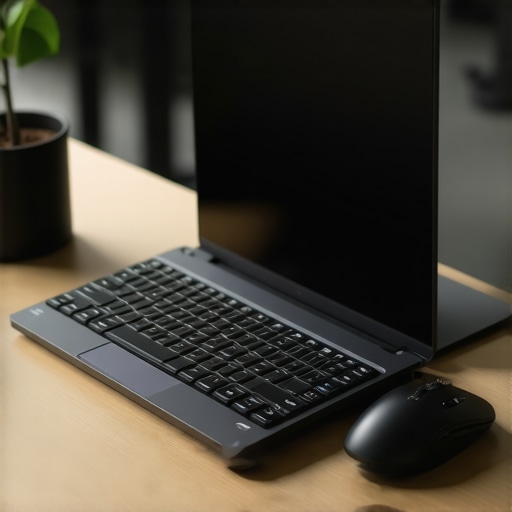
How do I keep my spine healthy over time?
Consistency is where most people fail. They have one good day and then revert to ‘gargoyle mode’ when a deadline hits. My secret is the ’15-minute audit.’ Every quarter-hour, I check three things: Are my ears over my shoulders? Are my feet flat? Is my jaw relaxed? If the answer is no, I perform a quick reset. I’ve found that why chiropractic care is your secret weapon for better posture is that it provides a ‘mechanical reset’ that makes these audits easier to maintain. It’s much harder to sit straight if your vertebrae are physically restricted. By using expert chiropractic techniques in 2025, you can ensure your joints are actually capable of holding the positions your brain is asking for.
What’s coming next for the coffee shop office?
Looking ahead, I predict we are moving away from the ‘portable’ era and into the ‘integrated’ era. Within five years, I expect to see more wearable haptic sensors that vibrate when your thoracic spine rounds too far, or even AR glasses that project your screen at eye level regardless of how low the table is. Until then, we are the architects of our own ergonomics. You have to be willing to look a little ‘extra’ in public if it means your 60-year-old self can still move without pain. I highly recommend you start tonight by trying the dead bug variation that actually protects your spine; it is the single best way to build the ‘anti-slouch’ core strength you need for long-term remote work success.
The Hardest Truth I Had to Swallow About Coffee Shop Work
After years of bouncing between cafes, I realized that the biggest obstacle wasn’t the noise or the spotty Wi-Fi—it was my own ego. I didn’t want to be the person with the gear. But here is the reality: your body doesn’t care about looking cool. I learned that the link between mobility and posture is the difference between a decade-long career and a forced early retirement due to chronic pain. My biggest lightbulb moment was discovering that improving posture through mobility and practical chiropractor strategies isn’t about sitting perfectly still; it’s about giving your joints the freedom to move correctly when you aren’t at your desk. I also stopped ignoring the small stuff—like why your dominant side always feels tighter than the other because of how you subconsciously reach for your coffee or mouse. These micro-patterns stack up into major issues over time.
The Non-Negotiables in My Digital Nomad Bag
If you’re ready to upgrade your mobile office, I recommend focusing on tools that offer the highest biological ROI. First, a collapsible laptop stand is mandatory to keep your gaze level. Second, I never leave home without a small mobility peanut for quick mid-day resets. I trust these tools because they facilitate mobility boosts for posture and expert tips for daily adjustments that keep my fascia hydrated and my nerves happy. For a deeper dive into the mechanics of your spine, I highly suggest checking out the ultimate guide to improving mobility and posture in 2025. It completely changed how I view every chair I sit in, from the cafe to the airport lounge.
#IMAGE_PLACEHOLDER_E#
Reclaiming Your Physical Freedom One Latte at a Time
You don’t have to choose between your love for the local cafe culture and the long-term health of your spine. By being intentional with your setup and incorporating enhance your posture with expert chiropractic techniques in 2025, you can work from anywhere with total confidence. Remember, chiropractic adjustments unlock a pain-free lifestyle today by clearing the structural hurdles that prevent you from sitting comfortably in the first place. Don’t wait for a major injury to take your health seriously. Start with one small change today—whether it’s raising your screen or finally booking that professional assessment. Have you ever felt a specific, sharp pinch in your neck after a long session at your favorite cafe? Let me know in the comments below!