

Last April, I was out in the flower beds, feeling like a weekend warrior. I reached down for a half-empty bag of potting soil—something I’ve done a thousand times—and my back just… quit. It wasn’t a huge tear or a dramatic fall; it was a silent, agonizing lock-up. I spent the rest of the weekend staring at the ceiling, wondering how a bag of dirt defeated me. That was the moment I realized my ‘strong core’ was a lie. I had the muscles, but I didn’t have the technique. I was moving like a folding chair instead of a solid pillar.
Stop Treating Your Spine Like a Hinged Door
Most of us make the mistake of thinking our back should do the heavy lifting. We bend, we twist, and we hope for the best. But your lumbar spine actually hates twisting under load. When you’re out there pulling weeds or moving stones, you need to turn your torso into a solid, unyielding cylinder. This is what we call ‘bracing.’ It’s the difference between pain-free gardening for your lower back and a week of heating pads. I used to think that ‘bracing’ meant just sucking in my gut. Huge mistake. Sucking in actually makes your spine less stable. Real bracing is about creating internal pressure. According to a study published in the Journal of Biomechanics, increasing intra-abdominal pressure can reduce the load on your spinal discs by as much as 40%. That’s a massive margin of safety you’re leaving on the table if you’re just ‘tucking your tummy.’ [image]
Is this actually worth the extra effort?
You might be thinking, ‘Look, I just want to plant some petunias, not win a powerlifting meet.’ I get it. It feels a bit silly to stand there like a statue just to move a watering can. But think about it this way: every time you feel that sharp ache when you try to stand up straight, it’s a sign of micro-trauma. Bracing isn’t a ‘workout move’; it’s a survival skill for your 50s, 60s, and beyond. I learned the hard way that the link between mobility and posture is actually forged in these small, everyday movements. If you can’t protect your spine while picking up a trowel, how are you going to manage a long hike or a round of golf? Have you ever felt that sudden ‘tweak’ while doing something totally mundane in the yard? You’re not alone, and it’s usually because your internal ‘weight belt’ was turned off.
Master the 360-Degree Shield Before You Dig
The first thing I had to unlearn was the ‘hollow’ move. My early mistake was thinking that a flat stomach meant a safe back. It doesn’t. You need to push out, not pull in. Imagine someone is about to poke you in the ribs—that instant tightening you do? That’s the start. You can even practice this before you sneeze to see how it naturally engages.To get that 360-degree shield, you have to find your oblique muscles. Place your thumbs on the soft tissue just above your hip bones and wrap your fingers around your waist. Now, push your fingers out using only your internal pressure. Don’t just puff out your chest; think about expanding your waistband in every direction—front, sides, and back. This is the exact method for mobility boosts for posture that keeps your spine from collapsing under the weight of a heavy mulch bag.
Build Pressure Like a Sealed Soda Can
When you brace properly, you’re creating a pressurized cylinder. Think of an unopened soda can; you can stand on it because the internal pressure supports the aluminum walls. Once you pop the top or let your core go limp, the metal crushes instantly under the slightest weight. I remember trying to move a massive concrete birdbath last July. In the past, I would have just grabbed it and hauled with my arms, feeling my lower vertebrae grind together. This time, I took a small ‘sip’ of air, pushed my belly out against my belt line, and felt my lower back lock into a safe, neutral position. It didn’t feel like a workout; it felt like I’d turned my torso into a solid block of oak. This is why the hidden link between your breathing pattern and lower back stability is the most underrated tool in your gardening kit. 
Let Your Hips Do the Grunt Work
Bracing is only half the battle. If you have the shield but still bend at the waist, you’re just a very stiff person putting massive torque on your lumbar discs. You must master the hip hinge. Imagine there is a string attached to your tailbone pulling you toward the fence behind you. Your knees should bend slightly, but the movement comes from your hips swinging backward, not your shoulders dropping forward. If you feel a sharp pinch in your hip when you squat deep to reach a low weed, it’s usually because your pelvis isn’t rotating correctly. I used to ’round out’ my spine to reach the ground, which is basically begging for a disc issue. Now, I keep my chest up and sit back into the movement. It’s a literal game-changer for improving posture through mobility.
Sync Your Breath to the Heavy Effort
The biggest mistake is holding your breath until your face turns purple. This actually spikes your blood pressure and makes you fatigue faster. You want to ‘exhale on the exertion.’ If you are pulling a stubborn root or lifting a heavy pot, brace first, then exhale sharply as you pull. This keeps the pressure high during the most dangerous part of the movement. Understanding how your breathing habits are creating tightness elsewhere is key; shallow chest breathing makes your neck do work it isn’t designed for. By focusing the pressure in the abdomen, you free up your shoulders to move naturally. I spent years wondering why your upper back burns after a day in the yard, and it turned out I was using my neck muscles to help me lift because my core was ‘quiet.’ When you sync the brace with the hinge, you stop being a weekend warrior and start moving like an athlete.I spent years thinking that if a muscle felt tight, the only solution was to stretch it until it surrendered. I’d spend twenty minutes every morning reaching for my toes, convinced that limber hamstrings were the key to a healthy back. But here is the hard truth that most people miss: tightness is often a protective signal from your nervous system, not a request for a longer muscle. In fact, understanding why stretching your hamstrings might actually make your back pain worse is one of the most common realizations my readers have. If your core is unstable, your brain will ‘lock’ your hamstrings to act as secondary guy-wires for your spine. When you stretch those away, you’re essentially cutting the safety cables on an elevator. This is a classic example of how stretching your hamstrings might actually make your back pain worse if the underlying issue is spinal instability.
Stop Chasing the ‘Pop’ on Your Own
We’ve all done it—that quick twist of the neck or the forceful lean over the back of a chair to get a satisfying ‘crack.’ It feels like instant relief, right? But this is a massive ‘oops’ factor in the world of spinal health. When you self-adjust, you aren’t usually hitting the segment that is actually stuck. Instead, you are forcing movement into the vertebrae that are already moving too much—the hypermobile ones. According to research by Dr. Stuart McGill, a leading expert in spine biomechanics, repetitive end-range loading (like self-cracking) can lead to ligamentous laxity over time. This creates a cycle where you feel the need to crack more often because your joints are becoming less stable. This is why you should stop rolling your neck to get rid of cracks and instead focus on controlled, segmental mobility. Have you ever fallen into this trap of constant self-cracking? Let me know in the comments. 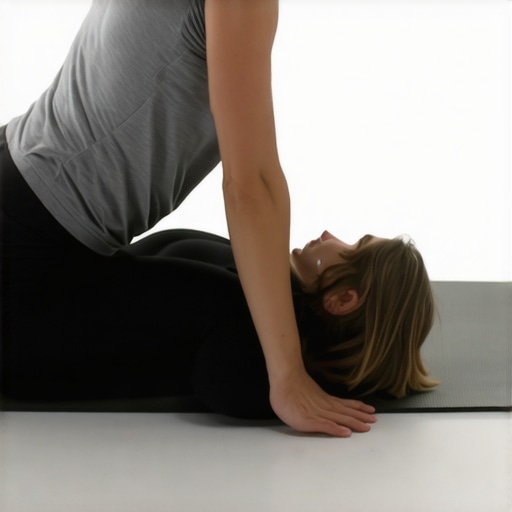
How can you tell if your leg pain is actually a spine problem in disguise?
One of the biggest nuances I see is people treating the symptom rather than the source. You might have a burning sensation in your calf or a tight hip, and you spend weeks foam rolling the area with zero progress. This is often ‘referred pain.’ A slight bulge or inflammation in the lumbar spine can irritate a nerve root, sending signals down the leg that feel exactly like a muscle strain. Learning how to tell if your leg pain is actually coming from your spine is a high-level skill that saves months of wasted rehab. It’s the difference between rubbing a sore foot and fixing the ‘electrical short’ in your lower back.
The Difference Between Feeling Loose and Being Mobile
True mobility isn’t just about how far you can reach; it’s about how much control you have throughout that entire range. What a chiropractor actually looks for during your first exam isn’t just ‘out of place’ bones, but functional gaps where your brain has lost communication with your joints. This is why mobility hacks for a more active life usually involve small, boring movements rather than dramatic stretches. If you want to revolutionize your posture with targeted mobility exercises, you have to stop thinking like a gymnast and start thinking like an engineer. You are building a system that can handle load, not just a body that can fold in half.Equipping your body for the long haul requires more than just good intentions; it requires a toolkit that addresses the daily wear and tear of physical activity. I have found that a standard ‘soft’ foam roller is often insufficient for deep tissue work. Instead, I rely on a high-density foam roller or even a specialized ‘peanut’ massage ball for my thoracic spine. Why? Because the thoracic spine is the mobile anchor of your upper body. If it locks up, your neck and lower back are forced to overcompensate, leading to that localized burning sensation I mentioned earlier. I also swear by using a firm ball for pinpointing the glutes and hips. By learning the proper way to use a tennis ball for glute pain, you can release the tension that pulls your pelvis out of alignment and causes chronic discomfort.
How can I maintain these mobility gains throughout the entire season?
Consistency beats intensity every single time. You do not need a two-hour gym session; you need five minutes of ‘maintenance’ before you pick up the shovel or head to the office. I recommend the ‘body scan’ method: before starting any task, do a quick check to see if your dominant side is always tighter than the other. If it is, spend an extra minute on the ‘quiet’ side to restore balance. This proactive approach is exactly why chiropractic care is your secret weapon for better posture; it catches these subtle imbalances before they manifest as acute injuries. 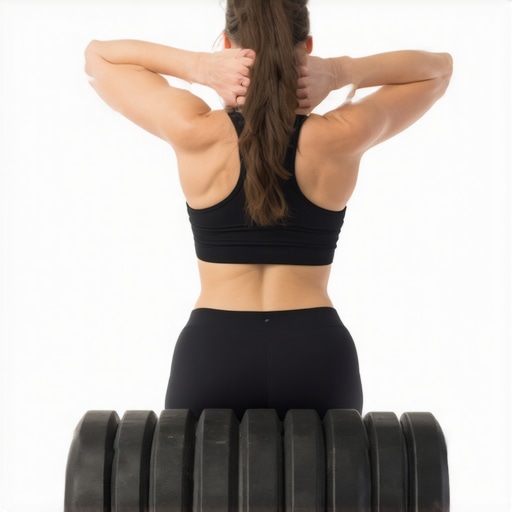
Prepare for the Era of Wearable Biofeedback
Looking ahead, the way we manage our spinal health is shifting toward real-time data and haptic feedback. We are already seeing a surge in wearable sensors that alert the user when they begin to ‘slouch’ or lose the intra-abdominal pressure necessary for bracing. Within the next few years, AI-integrated clothing will likely provide subtle cues to ensure you are maintaining a pain-free lifestyle while you work. Until that technology becomes standard, you must be your own sensor. Dr. Kelly Starrett, author of Becoming a Supple Leopard and a leader in human performance, notes that every individual should be capable of performing basic maintenance on their own body. This means learning how to keep your spine healthy through active recovery. If you want to unlock a pain-free lifestyle today, you need to treat your musculoskeletal system like the high-performance machine it is.
Try the Wall Squeeze for an Instant Reset
I want you to try one specific move before you go back to your yard or your desk. Stand against a flat wall and perform the 30-second wall squeeze to fix forward shoulder roll. It recalibrates your nervous system and reminds your brain where ‘neutral’ actually is. Once you feel that reset, you will realize that chiropractic adjustments enhance posture and mobility by clearing the neural pathways for these movements to stick. Don’t wait for your back to lock up again—start bracing, hinging, and mashing today.
What Decades of Yardwork Taught Me About My Own Spine
Looking back at my journey from that painful ‘folding chair’ collapse to finally moving like a solid pillar, I’ve realized that strength without stability is just a recipe for injury. Here are the three most important insights I wish I had known years ago:
- The ‘Abs’ Myth: Having a six-pack doesn’t protect your back if you don’t know how to create 360-degree pressure. I spent years doing crunches when I should have been practicing mobility hacks for a more active life.
- Stability Precedes Mobility: You cannot build lasting movement on top of an unstable spine. If your core isn’t braced, your brain will naturally ‘lock’ your joints to prevent you from hurting yourself, leading to that chronic feeling of stiffness.
- Listen to the Whisper: That small ‘twinge’ while reaching for a tool isn’t something to ignore; it’s your body asking for a reset before it starts to scream.
The Exact Tools I Use to Stay Pain-Free
I don’t leave my recovery to chance anymore. I’ve curated a small kit that I use every morning to ensure I’m following the ultimate guide to improving mobility and posture in 2025. First, I highly recommend the book Becoming a Supple Leopard by Dr. Kelly Starrett; it is an essential manual for understanding how your body should move. For physical tools, a high-density foam roller is my go-to for opening up my upper back after a long day. I also use a specialized ‘peanut’ massage ball to target the muscles right around the spine that get tight during long drives. Finally, I trust regular professional check-ins because why chiropractic care is your secret weapon for better posture becomes obvious the moment your nervous system feels ‘rebooted’ after an adjustment.
Why Today is the Best Time to Start Your Reset
Whether you are twenty or seventy, your spine is capable of incredible adaptation. You don’t have to accept that ‘creaky’ feeling as a permanent part of getting older. By integrating these bracing techniques and seeking expert help when things feel off, you can unlock a pain-free lifestyle today and keep doing the things you love, from heavy landscaping to playing with your grandkids. Your body is a high-performance machine; treat it with the respect it deserves, and it will carry you further than you ever thought possible. Have you ever felt a sudden ‘tweak’ in your back while doing a totally mundane household chore? Let me know your experience in the comments below!