
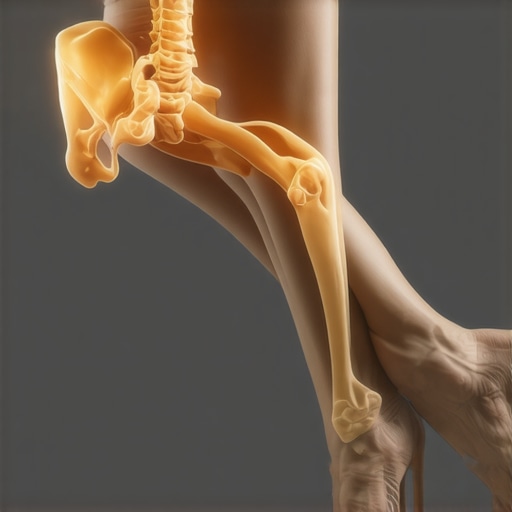
I stood in the middle of a wedding reception three years ago, desperately trying to look elegant while my lower back felt like it was being compressed by a hydraulic press. I blamed the dancing. I blamed the lack of sleep. I even blamed the champagne. But the truth was right there on my feet—those gorgeous, four-inch stilettos. For years, I ignored the connection between my fashion choices and the growing heaviness I felt in my core. I thought why your feet burn after a day at the office was the only price I had to pay for a bit of height. I was wrong. The real damage was happening deep inside, where my pelvic floor was struggling to compensate for a massive shift in my center of gravity. That night was a turning point for me. It wasn’t just about sore toes; it was about how my entire foundation was collapsing because of a two-inch lift.
Your Pelvic Floor is Paying for That Extra Height
When you slide into a pair of heels, you aren’t just getting taller; you are tipping your entire internal architecture. By lifting your heel, your center of mass shifts forward. To prevent you from falling over, your body compensates by tilting the pelvis forward and arching the lower back. This constant state of alert puts the pelvic floor muscles in a shortened, stressed position. I made a huge mistake early on by assuming my pelvic issues meant I was weak. I spent weeks doing hundreds of Kegels, only to find my symptoms getting worse. It turns out, my pelvic floor didn’t need to be tighter; it needed to be released from the constant strain of my shoes. Understanding the link between mobility and posture: a chiropractor’s guide changed everything for me. It wasn’t about strength; it was about alignment. If you are constantly wearing heels, your pelvic floor becomes like a guitar string tuned way too high—eventually, something is going to snap or just stop sounding right.
Is wearing heels really that bad for my internal health?
It sounds dramatic, doesn’t it? But the science backs it up. A study published in the Journal of Electromyography and Kinesiology found that high heels significantly change the activity of the pelvic floor muscles. When your heels are up, those muscles can’t relax or contract through their full range of motion. This can lead to anything from low back pain to more sensitive plumbing issues that we usually don’t talk about at dinner parties. We often chase the truth about perfect posture and why it doesn’t exist by trying to stand up straighter, but we ignore the shoes that are sabotaging us from the ground up. We are going to solve this today. I’m not here to tell you to throw every pair of heels in the trash—I’m not a monster. But we are going to look at how to mitigate the damage. We will dive into how to fix your pelvic tilt for a flatter stomach look and, more importantly, how to give your pelvic floor the break it deserves. Have you ever noticed that your back pain seems to spike specifically on the days you wear certain shoes? Tell me I’m not the only one who has felt that mid-afternoon pelvic drag.
Stop the Internal Tug-of-War Right Now
To fix the damage done by your favorite pumps, you have to treat your body like a chain reaction. When you wear heels, your calves shorten, which pulls on your hamstrings, which tilts your pelvis, which finally leaves your pelvic floor screaming for help. You cannot fix the pelvic floor without addressing the feet and ankles first. I remember trying to do a simple deep squat after a week of wearing pumps for a conference; I literally fell backward like a turtle on its shell. My ankles were so locked that they refused to hinge. If you’ve wondered how to tell if your back pain is coming from your shoes, that lack of basic mobility is your first smoking gun. We need to lengthen what has been shortened and wake up what has been turned off.
Unfreeze Your Ankles First
Your ankles are the gatekeepers of your posture. When they are stuck in a downward-pointing position (plantarflexion) from heels, your brain stops trusting your balance. Start by spending five minutes a day on a slant board or simply propping your toes up against a wall. You are looking to feel a deep stretch in the soleus—the lower part of your calf. This is a critical part of how to fix stiff ankles that limit your squat depth and, by extension, how you relax your pelvic floor. 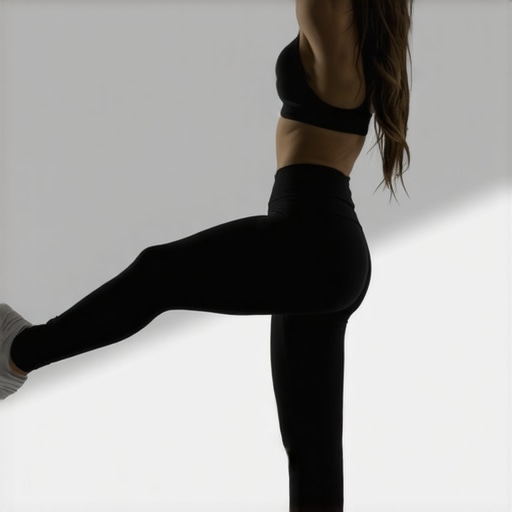
Neutralize Your Pelvis with One Daily Drill
Once your ankles can move, you have to address the ‘butt-out’ posture that heels force you into. This anterior pelvic tilt is what keeps your pelvic floor in a state of chronic contraction. I use a variation of the pelvic tilt move for instant pregnancy back relief even when I’m not pregnant, because it’s the fastest way to find a neutral spine. Lie on your back with your knees bent and feet flat. Exhale and slowly tuck your tailbone until your lower back flattens against the floor. This tiny movement teaches your brain that it’s okay for the pelvic floor to lengthen. Combine this with the 30-second move that opens up tight hips in seconds to undo the front-side tightness that pulls your pelvis forward.
Transition Slowly to Save Your Foundation
You can’t go from four-inch stilettos to barefoot living overnight without causing an inflammatory flare-up. Your body needs a bridge. Start by reducing your heel height by half an inch every few weeks and spend more time barefoot at home. This allows your Achilles tendon to regain its length safely. As you make this shift, focus on how to restore your natural arch without expensive orthotics by practicing ‘short foot’ exercises, where you draw the ball of your foot toward your heel without curling your toes. This rebuilds the intrinsic strength that heels have stripped away. Mastering the best way to transition to minimalist footwear is about patience, not speed. Integrating these mobility boosts for posture: expert tips for daily adjustments into your morning routine will make your occasional night out in heels much less destructive to your internal health.
Your Spine Craves Movement Not Perfection
Most of us were taught that ‘good posture’ is a static position—shoulders back, chin tucked, chest out—as if we are trying to win a military inspection. But here is the nuance that most beginners miss: the best posture is your next posture. When you try to hold your body in a rigid, ‘correct’ alignment, you are actually creating a different kind of dysfunction. I see so many people who have tried to revolutionize your posture with targeted mobility exercises only to end up with a spine that feels like a concrete pillar. We have been sold a lie that there is one single ‘correct’ way to sit or stand, but the truth about perfect posture and why it doesn’t exist is that your body is designed for variability. If you stay in one position too long—no matter how ‘straight’ it looks—your tissues will begin to adapt and tighten in ways that limit your natural range of motion. Have you ever fallen into this ‘perfection trap’ and ended up stiffer than before? Let me know in the comments.
Don’t Mistake Nerve Tension for Muscle Tightness
This is the biggest ‘oops’ factor I encounter in my practice. You feel a pull in the back of your leg, so you assume your hamstrings are tight. You spend months stretching them, but they never seem to let go. In fact, they might even start to feel more irritated. This is a massive trap: you are likely stretching your nerves, not your muscles. If you have been aggressively pulling on your legs, why your hamstring stretch is actually irritating your sciatic nerve becomes very clear. Nerves do not like to be stretched; they like to slide and glide. When you treat a neural issue like a muscle issue, you trigger an inflammatory response that makes your brain tighten your muscles even further as a protective mechanism. It’s a vicious cycle of self-inflicted stiffness that masks the real need for better the link between mobility and posture: a chiropractor’s guide. 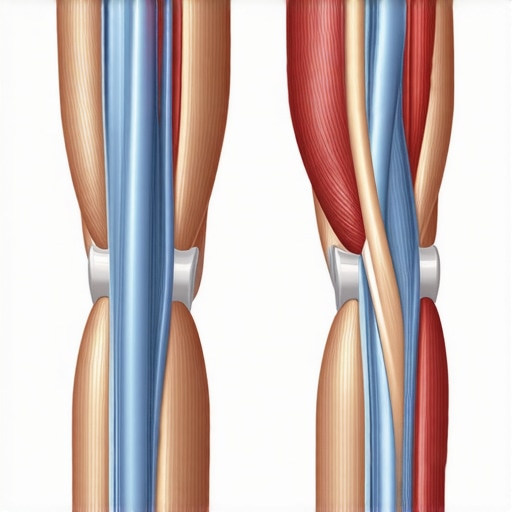
Can a quick adjustment really fix years of bad habits?
It’s a sophisticated question because it touches on neuroplasticity. Many people think a chiropractic adjustment is just about ‘putting a bone back in place,’ but that is a gross oversimplification. An adjustment is a high-velocity, low-amplitude input to the nervous system. According to a study by Dr. Heidi Haavik published in the journal Neural Plasticity, chiropractic adjustments have been shown to increase the cortical drive to the muscles, effectively ‘rebooting’ the communication between your brain and your limbs. This is why chiropractic care is your secret weapon for better posture—it’s not just about the bones, it’s about clearing the neurological static so your brain knows where your body is in space. When you combine how chiropractic adjustments enhance posture and mobility with the right movements, you stop fighting against your own reflexes. You move from a state of forced ‘holding’ to a state of effortless alignment. Don’t fall for the trap of thinking a single crack solves everything; it’s the beginning of a conversation between your brain and your spine.I’ve spent thousands of dollars on high-end office chairs and standing desks, only to realize that the most effective tool in my kit was a simple lacrosse ball. I use it to target the ‘trigger points’ in my glutes that flare up after a long flight or a day in stiff shoes. By placing the ball under my hip and breathing into the pressure, I’m performing a localized version of what I’ve learned about mobility hacks: simple adjustments for a more active life. It’s not about intensity; it’s about signaling to my nervous system that it’s safe to let go. This is how I maintain the space created by my chiropractor without becoming dependent on the table.
How can I maintain my spinal alignment between clinic visits?
Maintenance isn’t about doing more; it’s about doing the right things consistently. I personally swear by the 3-minute evening routine for a less stiff morning because it resets my system before I head to bed. This routine focuses on gentle rotation and decompression. If you aren’t integrating improving posture through mobility: practical chiropractor strategies into your downtime, you’re essentially trying to fill a bucket that has a hole in the bottom. As Dr. Stuart McGill, a world-renowned expert in spine biomechanics, emphasizes in his ‘Big Three’ exercises, stability is the foundation of mobility. We need to build a ‘stiff’ core to allow our limbs to move freely, and that starts with the breath. 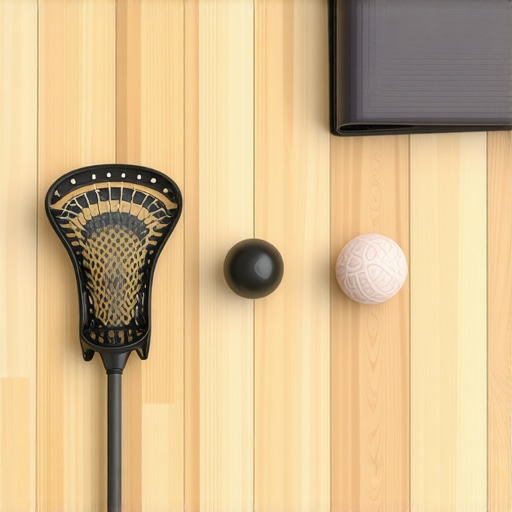 Looking ahead, I predict the next decade will move away from manual adjustments alone and toward integrated biofeedback wearables. We are already seeing the rise of smart sensors that track spinal curvature in real-time, providing haptic feedback. This will likely make the ultimate guide to improving mobility and posture in 2025 look like ancient history, as our clothes will literally remind us to breathe into our diaphragms. But for now, you don’t need a high-tech shirt. You need to master the basics. If you want to see a massive shift in your stability, I challenge you to try the dead bug variation that actually protects your spine every single morning for the next seven days. It’s the ultimate test of whether your brain can control your core while your limbs are in motion. Let me know if you feel the difference in your gait by day three—I bet you will.
My journey from stiletto-induced back spasms to functional movement wasn’t about finding a magic stretch; it was about admitting that my body was sending me signals I had been muting with ibuprofen and sheer willpower. We often treat our bodies like individual parts that don’t talk to each other, but your pelvis and your feet are in a constant, high-stakes conversation.
What My Spine Finally Admitted After Years of High Heels
The most profound lightbulb moment I had was realizing that ‘tightness’ is often just my brain’s way of protecting me from instability. I spent years aggressively trying to loosen my hamstrings, only to find that why your gentle stretching is actually causing more inflammation was due to my body trying to create stability where it was lacking. Here are a few other hard-won lessons:
- Rigidity is the enemy of health: I used to think I needed to stand perfectly straight, but I learned that the truth about perfect posture and why it doesn’t exist means the healthiest spine is the one that can move through many positions comfortably.
- Listen to the nerves: That ‘pulling’ sensation wasn’t always a muscle; it was often my sciatic nerve screaming because my heels were tilting my pelvis into a dangerous zone.
- Small shifts, big results: You don’t need a total life overhaul. A few minutes of toe-spreading and ankle-circling can undo hours of damage from stiff footwear.
The Gear That Rebuilt My Foundation
I don’t believe in buying every gadget on the market, but there are a few non-negotiables I’ve kept in my bag for years because they provide tactile feedback that my brain actually listens to. If you’re looking for a starting point, I personally rely on these three resources:
- The Lacrosse Ball: This is my go-to for targeting the deep glute tension that develops when the pelvic floor is over-active. It’s the simplest of the mobility hacks: simple adjustments for a more active life that you can do while watching TV.
- Transition Footwear: Moving away from heels requires a bridge. Learning the best way to transition to minimalist footwear saved my Achilles tendons from a painful wake-up call.
- Professional Tuning: I treat my chiropractor like a mechanic for my nervous system. I’ve seen firsthand how chiropractic adjustments unlock a pain-free lifestyle today by restoring the communication between my brain and my core muscles.
It’s Time to Reclaim Your Grounding
You don’t have to choose between looking good and feeling good, but you do have to choose to be aware. Your body isn’t a machine that wears out; it’s an ecosystem that adapts. When you stop forcing it into positions it wasn’t designed for and start giving it the mobility it craves, the results are almost immediate. By mastering the intersection of the ultimate guide to improving mobility and posture in 2025, you aren’t just fixing a sore back—you’re reclaiming the ability to move through your life with ease and confidence. Which part of your body feels the most ‘stuck’ after a long day in dress shoes? Let me know in the comments.