

I woke up at 4:15 AM, stared at the ceiling, and realized I could barely roll over. My middle back felt like a concrete block. For weeks, I blamed my heavy gym days, my desk posture, and even my stress levels. I stretched, I rolled, and I spent hours doing the 3-minute evening routine for a less stiff morning, but the daily concrete-block feeling remained. Then, I looked down at my ten-year-old, saggy mattress and had my lightbulb moment. I was actively sabotaging my spine for eight hours every single night. If you are waking up with that tight, restricted ache right between your shoulder blades, you do not have to just live with it. Today, we are going to figure out once and for all if your bed is the secret enemy behind your rigid spine and exactly what you can do to reclaim your morning mobility.
The Nighttime Sabotage of Your Thoracic Spine
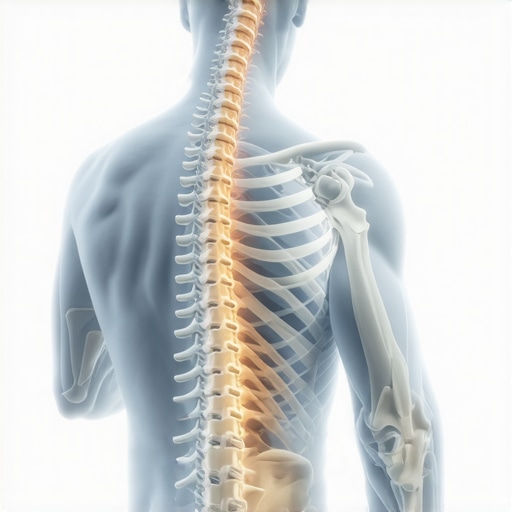
Your mid-back, or thoracic spine, is built for rotation and structural support. Unlike your highly flexible neck or your bendy lower back, the middle section of your spine is anchored by your rib cage. This makes it inherently more stable, but also highly susceptible to freezing up when subjected to poor alignment for hours on end. When your mattress loses its structural integrity, your hips sink too deep, forcing your mid-back into a constant, subtle curve. I made the mistake of ignoring this for a full year, thinking a firmer pillow would solve it. It did not. In fact, ignoring structural spinal alignment issues can lead to deeper, long-term compensation patterns throughout your entire body.
Is a new mattress actually worth the massive price tag?
It is easy to feel skeptical about spending thousands of dollars on a new sleep setup when a few simple daily adjustments or mobility exercises might offer temporary relief. You might wonder if mattress companies have just marketed us into believing we need a high-tech slab of foam to survive the night. According to a landmark study published by the National Institutes of Health, introducing a new, medium-firm mattress clinically reduces back pain by up to 57% and improves sleep quality significantly. The investment is real, but you do not always have to buy a brand-new bed immediately. Sometimes, targeted alignment tweaks and understanding how your sleep surface interacts with your body can save your budget and your spine. Have you ever woken up feeling like you aged twenty years overnight, only to feel fine by lunchtime? Drop a comment below and let me know if your mornings start with that frustrating mid-back stiffness.
How Your Sleep Surface Forces Poor Alignment
When you sleep on a mattress that has lost its supportive core, your body behaves like a suspension bridge with broken cables. For side sleepers, a mattress that is too soft allows the shoulders and pelvis to sink, twisting the thoracic spine into a unnatural lateral curve. If you are a back sleeper, a saggy middle forces your chin toward your chest and flattens the natural curve of your lower back, straining the muscles that run all the way up to your shoulder blades. This constant, low-grade muscular tension is why you wake up feeling like your shoulder blades feel like they are glued together. Your muscles are working overtime all night just to keep your spinal cord safe from bad alignment. In the next section, we will dive into the simple physical tests you can perform right in your bedroom to diagnose your mattress before you spend a single dime on a replacement.
Perform the Sag Test Before You Shop
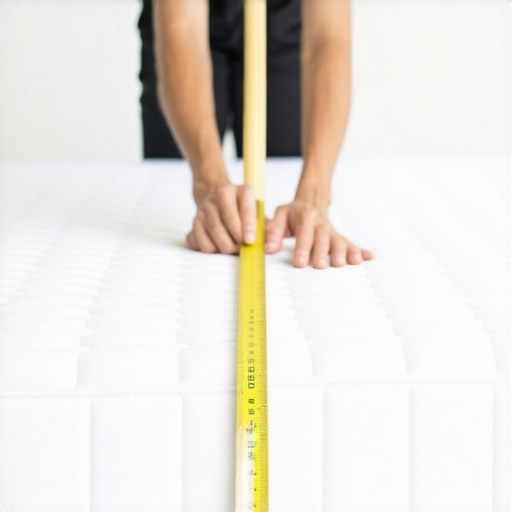
Before you spend thousands of dollars on a showroom mattress, you need to verify if your current bed has actually turned into a hammock. A few years ago, I kept waking up with a dull, central back ache. I assumed I was just lifting too heavy at the gym. To test my bed, I took a straight broomstick, laid it horizontally across my empty mattress, and measured the gap between the broomstick and the deepest dip in the quilting. If that gap is more than one inch, your bed is officially actively collapsing your spine while you sleep. When your pelvis sinks into that dip, it acts like an anchor pulling your lower spine down, which forces your middle back to overstretch and stiffen to compensate. This mechanical strain is why you might wake up needing a the 30-second fix for a stuck-feeling in your middle back just to comfortably stand up and brush your teeth.
The Towel Trick for Immediate Relief
If you cannot buy a new mattress today, you can temporarily hack your alignment using a standard bath towel. Fold the towel in half lengthwise and roll it into a firm, flat support pad. Slide this roll directly under your mattress, positioned right where your hips or lower back usually sag. It sounds incredibly low-tech, but this small lift acts like a temporary shim, restoring a flatter sleeping surface. When I tried this on my old mattress, the first night felt slightly awkward because my spine was resisting the change, but by day three, that deep, concrete-block sensation in my thoracic spine had decreased by half. It is a quick diagnostic tool: if supporting your pelvis relieves your mid-back stiffness, your mattress is definitely the culprit.
How to Realign Your Spine After a Rough Night
Even with a perfect bed, you still need to actively undo the locked-up posture from hours of immobility. You can think of your joints like gears that need regular lubrication to rotate smoothly. Rather than cracking your own back blindly, you should focus on targeted thoracic extension. Lie flat on your back with a firm foam roller placed horizontally across your mid-back, keeping your hips flat on the floor. Interlace your fingers behind your head to support your neck, and slowly let your head and shoulders drape backward over the roller. Hold for three deep breaths, roll up two inches, and repeat. This simple routine helps restore the natural extension of your thoracic vertebrae, preventing the dreaded slumped posture that accumulates throughout the day.
Why Tight Hips Pull on Your Upper Back
It is easy to focus entirely on where you feel the pain, but the human body works as an interconnected chain. If your bed causes your pelvis to tilt abnormally overnight, your hip flexors will tighten up. Because these hip muscles connect directly to your lumbar region, they drag your lower back forward, forcing your thoracic spine to round excessively to keep you looking straight ahead. This structural chain reaction explains why why stretching your hamstrings won’t fix your tight back. To break this cycle, you must address the alignment of your entire skeletal system. Incorporating specific mobility boosts for posture into your morning routine can help reset this pelvic tilt and immediately take the mechanical pressure off your mid-back muscles before you sit down at your office desk.
When you are dealing with a spine that feels locked up every single morning, the default advice you will find online is always the same: stretch more, buy a firmer mattress, or start doing endless mobility drills. We are told that if we just pull on our joints long enough, the tension will melt away. But after years of working with chronic back issues, I have realized that much of the conventional wisdom surrounding posture and self-care is fundamentally flawed. In fact, blindly following standard stretching routines might actually be the very thing keeping your thoracic spine in a state of chronic spasm.
The Fallacy of the Constant Stretch
Everyone tells you to stretch your back when it feels tight. However, in my experience, a muscle that feels tight is often not short; it is overstretched and exhausted. When your mattress sags, your thoracic spine is forced into a prolonged curve, placing the muscles of your upper back under constant, low-grade tension. When you wake up and immediately perform aggressive stretches, you are pulling on muscles that have already spent eight hours fighting to hold your skeleton together. This triggers a protective stretch reflex, causing the muscle fibers to contract even harder to prevent a tear. Instead of force, your nervous system needs stability and targeted care to reset.
Why does self-cracking feel so good if it is actually harming your spine?
It is incredibly tempting to twist your torso until you hear a loud pop. It provides an immediate, almost addictive sense of relief. However, this is one of the biggest traps you can fall into. When you crack your own back, you are almost always mobilizing the joints that are already hypermobile, completely bypassing the stiff, locked-up segments that actually need attention. To truly address these mechanical blockages, you need to understand the difference between a sore muscle and a misaligned joint. Professional adjustments do not just pop random joints; they target the specific, frozen vertebrae to restore proper biomechanics, which is why chiropractic care is your secret weapon for better posture over the long term.
The Instability Trap of Passive Mobility
Another massive misconception is that mobility is simply about how far you can bend. True mobility is actually your ability to actively control your joints through their entire range of motion. A study published by the Journal of Physical Therapy Science confirms that passive stretching alone does not translate to improved postural control or reduced pain during daily activities; instead, it is active stabilization exercises that recruit the deep core and spinal stabilizers that make the real difference. If you only focus on passive flexibility, you are building a highly unstable spine that will simply lock up again the moment you sit at a desk. To break this cycle, you must pair your joint mobilization with stabilizing exercises. Have you ever fallen into this trap of stretching a tight muscle only to have it feel even stiffer an hour later? Let me know in the comments below.
How to Rebuild a Spine That Stays Pain-Free
If you want to stop waking up with a rigid mid-back, you must transition from passive relief to active, structured rehabilitation. This starts by recognizing how your overall alignment impacts your daily comfort. For instance, you cannot fix a rigid thoracic spine without addressing the foundation of your body; if your pelvis is misaligned, your entire upper body will compensate. Understanding the link between mobility and posture is the critical first step toward lasting relief. Once you begin utilizing targeted mobility boosts for posture that emphasize muscular control rather than just passive flexibility, your nervous system will finally feel safe enough to let go of that chronic, protective tension.
When you commit to reclaiming your spinal health, the initial relief from fixing a saggy mattress or correcting your sleep posture is incredibly exciting. However, the real work lies in long-term maintenance. Over the years, I have tested countless physical therapy gadgets, expensive posture correctors, and wellness tools. Most of them end up gathering dust in a closet because they are too complicated or simply ineffective. If you want to protect your thoracic spine and sustain your mobility, you must be highly selective about the habits and equipment you integrate into your daily life.
How do I maintain my spinal alignment over time?
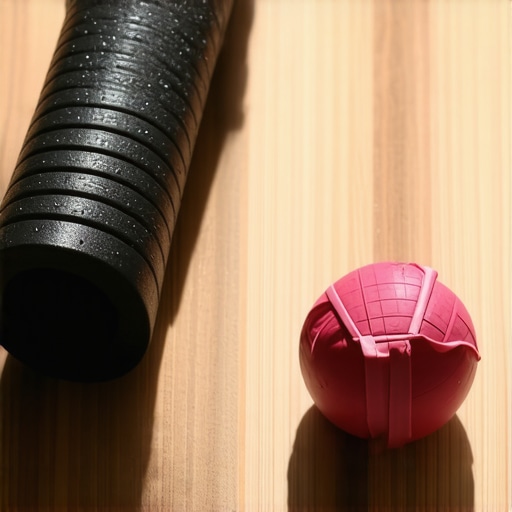
Consistency beats intensity every single time. You do not need a two-hour daily routine; instead, you need small, non-negotiable habits. My absolute favorite tool for daily maintenance is a simple, high-density foam roller and a pair of lacrosse balls taped together (often called a peanut roller). While a standard foam roller is excellent for general mobilization, the peanut roller specifically targets the muscles running alongside your thoracic vertebrae without putting direct pressure on the spinous processes. For those of us who spend hours working on laptops, using this simple tool for just two minutes before bed acts as a physical reset button. This simple habit, paired with targeted mobility boosts for posture, helps counteract the daily gravitational pull of our digital screens.
As we look toward the future, the fields of ergonomics and physical therapy are rapidly evolving. I predict that we will see a massive shift toward bio-interactive furniture and smart wearable technology. Instead of passive chairs and beds, we will soon utilize sleep surfaces that actively adjust their density in real-time based on spinal pressure mapping. Until those futuristic technologies become widely available, we must rely on conscious daily adjustments and professional guidance. Incorporating structured movements like targeted mobility exercises and seeking regular care from a qualified chiropractor remain the gold standards for keeping your joints moving smoothly. If you are tired of waking up with that familiar, frustrating ache, I challenge you to try the towel trick tonight to support your pelvis, and see how your mid-back feels tomorrow morning.
I woke up at 4:15 AM, stared at the ceiling, and realized I could barely roll over. My middle back felt like a concrete block. For weeks, I blamed my heavy gym days, my desk posture, and even my stress levels. I stretched, I rolled, and I spent hours doing the 3-minute evening routine for a less stiff morning, but the daily concrete-block feeling remained. Then, I looked down at my ten-year-old, saggy mattress and had my lightbulb moment. I was actively sabotaging my spine for eight hours every single night. If you are waking up with that tight, restricted ache right between your shoulder blades, you do not have to just live with it. Today, we are going to figure out once and for all if your bed is the secret enemy behind your rigid spine and exactly what you can do to reclaim your morning mobility.
The Nighttime Sabotage of Your Thoracic Spine
Your mid-back, or thoracic spine, is built for rotation and structural support. Unlike your highly flexible neck or your bendy lower back, the middle section of your spine is anchored by your rib cage. This makes it inherently more stable, but also highly susceptible to freezing up when subjected to poor alignment for hours on end. When your mattress loses its structural integrity, your hips sink too deep, forcing your mid-back into a constant, subtle curve. I made the mistake of ignoring this for a full year, thinking a firmer pillow would solve it. It did not. In fact, ignoring structural spinal alignment issues can lead to deeper, long-term compensation patterns throughout your entire body.
Is a new mattress actually worth the massive price tag?
It is easy to feel skeptical about spending thousands of dollars on a new sleep setup when a few simple daily adjustments or mobility exercises might offer temporary relief. You might wonder if mattress companies have just marketed us into believing we need a high-tech slab of foam to survive the night. According to a landmark study published by the National Institutes of Health, introducing a new, medium-firm mattress clinically reduces back pain by up to 57% and improves sleep quality significantly. The investment is real, but you do not always have to buy a brand-new bed immediately. Sometimes, targeted alignment tweaks and understanding how your sleep surface interacts with your body can save your budget and your spine. Have you ever woken up feeling like you aged twenty years overnight, only to feel fine by lunchtime? Drop a comment below and let me know if your mornings start with that frustrating mid-back stiffness.
How Your Sleep Surface Forces Poor Alignment
When you sleep on a mattress that has lost its supportive core, your body behaves like a suspension bridge with broken cables. For side sleepers, a mattress that is too soft allows the shoulders and pelvis to sink, twisting the thoracic spine into a unnatural lateral curve. If you are a back sleeper, a saggy middle forces your chin toward your chest and flattens the natural curve of your lower back, straining the muscles that run all the way up to your shoulder blades. This constant, low-grade muscular tension is why you wake up feeling like your shoulder blades feel like they are glued together. Your muscles are working overtime all night just to keep your spinal cord safe from bad alignment. In the next section, we will dive into the simple physical tests you can perform right in your bedroom to diagnose your mattress before you spend a single dime on a replacement.
Perform the Sag Test Before You Shop
Before you spend thousands of dollars on a showroom mattress, you need to verify if your current bed has actually turned into a hammock. A few years ago, I kept waking up with a dull, central back ache. I assumed I was just lifting too heavy at the gym. To test my bed, I took a straight broomstick, laid it horizontally across my empty mattress, and measured the gap between the broomstick and the deepest dip in the quilting. If that gap is more than one inch, your bed is officially actively collapsing your spine while you sleep. When your pelvis sinks into that dip, it acts like an anchor pulling your lower spine down, which forces your middle back to overstretch and stiffen to compensate. This mechanical strain is why you might wake up needing a the 30-second fix for a stuck-feeling in your middle back just to comfortably stand up and brush your teeth.
The Towel Trick for Immediate Relief
If you cannot buy a new mattress today, you can temporarily hack your alignment using a standard bath towel. Fold the towel in half lengthwise and roll it into a firm, flat support pad. Slide this roll directly under your mattress, positioned right where your hips or lower back usually sag. It sounds incredibly low-tech, but this small lift acts like a temporary shim, restoring a flatter sleeping surface. When I tried this on my old mattress, the first night felt slightly awkward because my spine was resisting the change, but by day three, that deep, concrete-block sensation in my thoracic spine had decreased by half. It is a quick diagnostic tool: if supporting your pelvis relieves your mid-back stiffness, your mattress is definitely the culprit.
How to Realign Your Spine After a Rough Night
Even with a perfect bed, you still need to actively undo the locked-up posture from hours of immobility. You can think of your joints like gears that need regular lubrication to rotate smoothly. Rather than cracking your own back blindly, you should focus on targeted thoracic extension. Lie flat on your back with a firm foam roller placed horizontally across your mid-back, keeping your hips flat on the floor. Interlace your fingers behind your head to support your neck, and slowly let your head and shoulders drape backward over the roller. Hold for three deep breaths, roll up two inches, and repeat. This simple routine helps restore the natural extension of your thoracic vertebrae, preventing the dreaded slumped posture that accumulates throughout the day.
Why Tight Hips Pull on Your Upper Back
It is easy to focus entirely on where you feel the pain, but the human body works as an interconnected chain. If your bed causes your pelvis to tilt abnormally overnight, your hip flexors will tighten up. Because these hip muscles connect directly to your lumbar region, they drag your lower back forward, forcing your thoracic spine to round excessively to keep you looking straight ahead. This structural chain reaction explains why why stretching your hamstrings won’t fix your tight back. To break this cycle, you must address the alignment of your entire skeletal system. Incorporating specific mobility boosts for posture into your morning routine can help reset this pelvic tilt and immediately take the mechanical pressure off your mid-back muscles before you sit down at your office desk.
When you are dealing with a spine that feels locked up every single morning, the default advice you will find online is always the same: stretch more, buy a firmer mattress, or start doing endless mobility drills. We are told that if we just pull on our joints long enough, the tension will melt away. But after years of working with chronic back issues, I have realized that much of the conventional wisdom surrounding posture and self-care is fundamentally flawed. In fact, blindly following standard stretching routines might actually be the very thing keeping your thoracic spine in a state of chronic spasm.
The Fallacy of the Constant Stretch
Everyone tells you to stretch your back when it feels tight. However, in my experience, a muscle that feels tight is often not short; it is overstretched and exhausted. When your mattress sags, your thoracic spine is forced into a prolonged curve, placing the muscles of your upper back under constant, low-grade tension. When you wake up and immediately perform aggressive stretches, you are pulling on muscles that have already spent eight hours fighting to hold your skeleton together. This triggers a protective stretch reflex, causing the muscle fibers to contract even harder to prevent a tear. Instead of force, your nervous system needs stability and targeted care to reset.
Why does self-cracking feel so good if it is actually harming your spine?
It is incredibly tempting to twist your torso until you hear a loud pop. It provides an immediate, almost addictive sense of relief. However, this is one of the biggest traps you can fall into. When you crack your own back, you are almost always mobilizing the joints that are already hypermobile, completely bypassing the stiff, locked-up segments that actually need attention. To truly address these mechanical blockages, you need to understand the difference between a sore muscle and a misaligned joint. Professional adjustments do not just pop random joints; they target the specific, frozen vertebrae to restore proper biomechanics, which is why chiropractic care is your secret weapon for better posture over the long term.
The Instability Trap of Passive Mobility
Another massive misconception is that mobility is simply about how far you can bend. True mobility is actually your ability to actively control your joints through their entire range of motion. A study published by the Journal of Physical Therapy Science confirms that passive stretching alone does not translate to improved postural control or reduced pain during daily activities; instead, it is active stabilization exercises that recruit the deep core and spinal stabilizers that make the real difference. If you only focus on passive flexibility, you are building a highly unstable spine that will simply lock up again the moment you sit at a desk. To break this cycle, you must pair your joint mobilization with stabilizing exercises. Have you ever fallen into this trap of stretching a tight muscle only to have it feel even stiffer an hour later? Let me know in the comments below.
How to Rebuild a Spine That Stays Pain-Free
If you want to stop waking up with a rigid mid-back, you must transition from passive relief to active, structured rehabilitation. This starts by recognizing how your overall alignment impacts your daily comfort. For instance, you cannot fix a rigid thoracic spine without addressing the foundation of your body; if your pelvis is misaligned, your entire upper body will compensate. Understanding the link between mobility and posture is the critical first step toward lasting relief. Once you begin utilizing targeted mobility boosts for posture that emphasize muscular control rather than just passive flexibility, your nervous system will finally feel safe enough to let go of that chronic, protective tension.
When you commit to reclaiming your spinal health, the initial relief from fixing a saggy mattress or correcting your sleep posture is incredibly exciting. However, the real work lies in long-term maintenance. Over the years, I have tested countless physical therapy gadgets, expensive posture correctors, and wellness tools. Most of them end up gathering dust in a closet because they are too complicated or simply ineffective. If you want to protect your thoracic spine and sustain your mobility, you must be highly selective about the habits and equipment you integrate into your daily life.
How do I maintain my spinal alignment over time?
Consistency beats intensity every single time. You do not need a two-hour daily routine; instead, you need small, non-negotiable habits. My absolute favorite tool for daily maintenance is a simple, high-density foam roller and a pair of lacrosse balls taped together (often called a peanut roller). While a standard foam roller is excellent for general mobilization, the peanut roller specifically targets the muscles running alongside your thoracic vertebrae without putting direct pressure on the spinous processes. For those of us who spend hours working on laptops, using this simple tool for just two minutes before bed acts as a physical reset button. This simple habit, paired with targeted mobility boosts for posture, helps counteract the daily gravitational pull of our digital screens.
As we look toward the future, the fields of ergonomics and physical therapy are rapidly evolving. I predict that we will see a massive shift toward bio-interactive furniture and smart wearable technology. Instead of passive chairs and beds, we will soon utilize sleep surfaces that actively adjust their density in real-time based on spinal pressure mapping. Until those futuristic technologies become widely available, we must rely on conscious daily adjustments and professional guidance. Incorporating structured movements like targeted mobility exercises and seeking regular care from a qualified chiropractor remain the gold standards for keeping your joints moving smoothly. If you are tired of waking up with that familiar, frustrating ache, I challenge you to try the towel trick tonight to support your pelvis, and see how your mid-back feels tomorrow morning.
The Hardest Lesson I Learned About Chasing Joint Creaks
For the longest time, I assumed that a louder crack meant a better adjustment. I spent years twisting my spine on the living room floor, mistaking joint cavitation for actual healing. The hardest lesson I learned was that hyper-mobility in my lower back was actually compensating for a frozen mid-back. When you force a pop, you are usually just over-mobilizing the joints that are already moving too much, leaving the truly locked segments untouched. Real progress only came when I stopped chasing the loud noises and started focusing on controlled, targeted stabilization. If you find yourself constantly cracking your spine, you are likely just treating a symptom of underlying joint asymmetry.
My Essential Spinal Alignment Toolkit
You do not need a gym full of expensive clinical equipment to restore your spine. I personally rely on three simple tools that have kept my thoracic spine moving freely through years of heavy laptop use:
- A High-Density EVA Foam Roller: I avoid the ultra-soft pool noodle rollers. You need a firm density to structurally extend your mid-back vertebrae.
- The Peanut Roller: A DIY version made with two tennis balls taped together works perfectly for relieving tension right beside the spine without pressing on the bones themselves.
- A Lumbar Support Cushion: If you cannot afford a brand-new ergonomic office chair, a portable lumbar roll keeps your pelvis from slipping into a posterior tilt during long workdays.
Step Into a Lighter and Leaner Morning
Your spine is your physical foundation, and waking up with a locked-up mid-back is your body’s urgent alarm system telling you something is structurally off-kilter. Resolving this tension is not about forcing your joints into extreme positions; it is about creating a stable sleep environment, introducing targeted movement patterns, and learning improving posture through mobility habits that support your daily life. By taking control of your night-time alignment, you can finally wake up feeling refreshed, agile, and completely ready to take on the day.
Have you ever tried using a towel support or a custom cushion to relieve back pain overnight? Let me know your results in the comments below!