

I remember sitting at my desk, my temples throbbing so hard I could barely focus on the email I was trying to type. It was the third time that week I’d reached for the bottle of ibuprofen, and it wasn’t even Wednesday yet. I felt defeated. My ‘fix’ was just a temporary band-aid, and the headaches always came back, usually sharper than before. I was stuck in a loop of pain and pills. For a long time, I made the classic mistake of thinking I could just stretch my way out of it or buy a more expensive, ‘miracle’ pillow. I didn’t realize that my daily habits were the real culprit, and I was actually making it worse. Today, I want to show you exactly how I broke that cycle using natural ways to manage tension headaches without the medicine cabinet, focusing on the structural roots of the problem rather than just the symptoms.
Your Posture is the Real Reason Your Head Throbs
It took me years to admit it, but my ‘work-from-home’ slouch was killing me. When you lean forward, even just an inch, the physical load on your neck muscles increases significantly. I used to think I was just ‘tired,’ but my body was screaming for help. According to the Mayo Clinic, tension headaches are the most common type of headache, and they are often triggered by poor posture or stress that tightens the muscles in your neck and scalp. This isn’t just about ‘sitting up straight’ like your grandma used to tell you; it’s about mechanical load. I spent months wondering why my head felt so heavy after staring at a monitor, only to find out I was putting nearly 60 pounds of pressure on my spine just by tilting my chin down. That’s like carrying a large dog on your neck all day. I used to think the answer was a deep tissue massage, but I eventually learned that jaw tension might also be the root cause of the pain. Have you ever noticed that your headaches get worse the longer you sit at your desk?
Is this actually worth the hype or just more internet fluff?
I get the skepticism. I really do. I’ve tried the gadgets, the vibrating neck braces, and the weird herbal teas. None of them worked because they didn’t address the mechanics of my body. They were all outside-in solutions for an inside-out problem. The real ‘secret’ isn’t a product you buy; it’s a series of simple mobility hacks and adjustments that change how your nervous system perceives stress. I once thought cracking my own neck was the answer, but that actually made my instability worse and led to more frequent flare-ups. By making a few tweaks, like adjusting my monitor height, I finally started seeing days without that dull ache. I want that for you, too. We are going to dive into the exact steps I took to reclaim my afternoons, but first, we need to look at why your body is stuck in ‘protection mode’ in the first place.
Stop Chasing the Symptoms and Re-Map Your Movement
Think of your spine like the suspension system on a high-end mountain bike. If the shocks are bottomed out because you’re carrying too much weight in the wrong position, the ride is going to be brutal. When you slouch, you’re essentially bottoming out your neck’s natural suspension. I spent years trying to massage my shoulders, but the truth is that your traps are always tight because they are working overtime just to keep your head from falling off your chest. They aren’t the enemy; they’re the overworked employees trying to keep a failing company afloat. To fix the headaches, we have to change the workload, not just rub the tired workers.
Level Your Eyes to Lighten the Load
The first thing I changed was my physical environment. I stopped looking down. If your eyes are level with the top third of your screen, your neck doesn’t have to fight gravity as hard. I learned this the hard way after realizing the best monitor height isn’t just a suggestion; it’s a mechanical requirement for a pain-free spine. I even started paying attention to how I stood in public. I once tried to ‘reset’ my back by twisting against a heavy grocery cart in the middle of a busy aisle. I felt a sharp, humiliating pinch and almost dropped my milk. It was a messy lesson in why forced movement is bad. Now, I focus on how to fix the way you stand in line to keep my pelvis neutral and my spine stacked properly. 
The Jaw Connection You’re Probably Ignoring
Most people don’t realize that the nerves in your jaw are close cousins to the nerves in your upper neck. If you’re grinding your teeth while answering stressful emails, you’re basically sending a constant “contract” signal to your entire skull. I found that the 60-second fix for a stiff jaw was the missing piece of my headache puzzle. By consciously relaxing the masseter muscle, I saw an almost immediate drop in that “heavy head” feeling. It’s about creating slack in a system that is currently pulled too tight. If you don’t address the jaw, your neck will never truly relax.
Why Stretching More Might Be the Problem
I used to be a “stretching junkie.” I figured if I just pulled on my muscles enough, the pain would leave. But I eventually learned that stretching might actually make your pain worse if you’re pulling on a nerve that’s already irritated or a joint that is unstable. This is where the structural side comes in. When your vertebrae are misaligned, the muscles *have* to tighten to protect the spinal cord. This is exactly why chiropractic care is your secret weapon for better posture. An adjustment isn’t just about a “pop”; it’s about resetting the sensory input to your brain so your muscles can finally let go of their protective guard. I stopped trying to force my body into submission and started improving posture through mobility and structural alignment instead.
Why trying to sit perfectly straight is actually failing you
For years, I believed the ultimate goal was a rigid, military-style posture. I thought if I could just hold my spine in a ‘perfect’ vertical line, the headaches would vanish forever. But here is the nuance most people miss: posture is a dynamic process, not a static position. When you try to force yourself into a ‘perfect’ shape, you often end up creating massive amounts of isometric tension. I realized that your perfect posture might actually be causing muscle fatigue because your body is working too hard to stay still. True health comes from movement variability, not frozen symmetry. A study published in the *Journal of Biomechanics* highlights that ‘static loading’—staying in any one position for too long—is a primary driver of tissue creep and subsequent pain. If you aren’t moving, you’re slowly breaking down.
What happens when your ‘perfect’ alignment actually backfires?
I see this advanced mistake all the time: the ‘over-corrector.’ These are the people who pull their shoulders so far back that they actually compress their mid-back ribs, leading to shallow breathing and more neck tension. This is the ‘Oops’ factor of posture. You think you’re helping, but you’re actually just trading one compensation for another. I fell into this trap myself, thinking I was a ‘posture pro’ while my ribs felt like they were in a vice. This is why how chiropractic adjustments enhance posture and mobility is so vital; it’s not just about ‘straightening’ you out, but about restoring the fluid, natural motion your nervous system needs to stop feeling threatened. 
The trap of relying on external support
Another common myth is that we can ‘buy’ our way into better alignment. I spent a small fortune on those elastic harnesses designed to pull your shoulders back. What I didn’t realize at the time was why most posture braces actually make your back weaker. When a brace does the work for you, your deep stabilizer muscles—the multifidus and transverse abdominis—essentially go on vacation. When you take the brace off, your spine is even less supported than when you started. It’s a short-term visual fix for a long-term structural failure. Instead of a brace, you need the ultimate guide to improving mobility and posture to build internal strength. I also learned that the truth about cracking your own neck is that it often provides a temporary hit of endorphins without actually addressing the joint that is ‘stuck,’ which just perpetuates the cycle of instability. Have you ever fallen into the trap of using a brace or gadget only to find your pain came back the moment you stopped using it? Let me know in the comments. We need to focus on ‘un-sticking’ the system so it can move as it was designed to.I’ve realized that maintaining my spine isn’t a one-and-done deal; it’s more like keeping a vintage car on the road. You can’t just fill the tank once and expect it to run for a decade without checking the oil. I’ve transitioned into what I call the ‘Internal Audit’ phase. Every hour, I do a quick mental scan: Are my ribs stacked? Is my jaw clenched? I stopped waiting for the ‘check engine light’ of a thumping headache to tell me I was off-kilter. This proactive shift is where mobility boosts for posture become your daily maintenance kit rather than an emergency fix.
Stop Treating Your Spine Like an Emergency Room
I eventually threw away the braces and invested in a standing desk, but I still managed to mess it up at first. I used to stand for four hours straight until my lower back felt like it was made of solid lead. The ‘secret’ to long-term spinal health isn’t just standing; it’s the interval of movement. I now religiously follow the best standing desk interval, which typically involves a 20:8:2 ratio—20 minutes of sitting, 8 minutes of standing, and 2 minutes of walking or stretching. It’s a total game-changer for blood flow and disc hydration.
Throw Away Your Posture Brace and Buy a $15 Roll Instead
If you’re using an office chair, stop getting distracted by models with fifty different levers and flashy ‘gaming’ aesthetics. Use a simple, firm chair and learn the proper way to use a lumbar roll. It’s a fifteen-dollar tool that does more for your disc integrity than a thousand-dollar chair ever could by maintaining the natural curve of your low back. 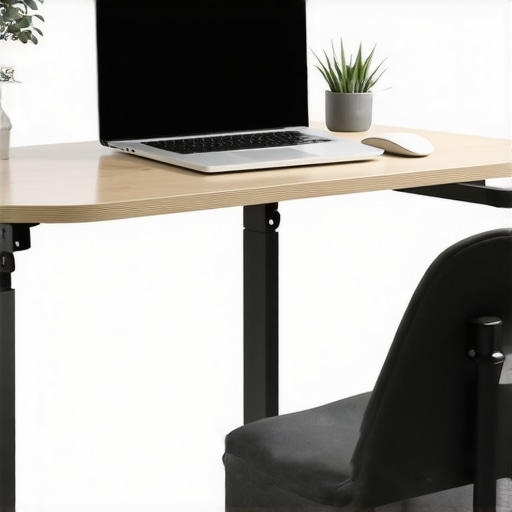
How do I keep my spine healthy without overthinking it?
The answer lies in consistency over intensity. You have to stop treating your chiropractor like an emergency room and start treating them like a performance coach. I used to book an appointment only when I couldn’t turn my head to check my blind spot while driving. Now, I understand that chiropractic care is your secret weapon for staying ahead of the curve. It’s about clearing the neurological ‘interference’ before it manifests as physical pain. In fact, technical standards like the ANSI/HFES 100-2007 specify that workstation design should accommodate a variety of postures to reduce fatigue—which is exactly what an adjustment helps your body achieve. It restores the range of motion you need to actually utilize those ergonomic positions. Looking ahead, I see the ‘smart posture’ market shifting toward biofeedback. We are going to see more wearable sensors that provide real-time data on spinal curvature. But honestly? Technology is just a digital crutch for a lack of body awareness. The real future of health is revolutionizing your posture with targeted mobility exercises that retrain your brain’s internal map. If you want to start right now, try this: the ‘2-minute drill.’ Most of us lose the ability to rotate our mid-back because we are constantly squared up to a screen. I swear by the 2-minute drill for better spinal rotation. If you can’t rotate your ribcage, your neck is forced to do double the work every time you move. Make this your 3:00 PM ritual and experience the difference yourself.
The Uncomfortable Truths I Learned About My Own Tension
First, I realized that my body was often using pain as a language. Instead of a ‘glitch,’ the headache was a signal that my structural integrity was compromised. I spent too much time trying to ‘fix’ the pain without listening to the message. Secondly, I learned that the link between mobility and posture is far more intimate than I thought; if you have the range of motion but don’t use it, your brain eventually ‘locks’ that joint to keep you safe.
Another lightbulb moment was realizing that chasing the ‘perfect’ posture was a trap. Our bodies are designed to move, not to be statues. If you feel stuck, chiropractic adjustments unlock a pain-free lifestyle today by resetting that ‘stuck’ feeling in your nervous system. Finally, I wish I knew that it is better to do two minutes of movement every hour than an hour of yoga once a week. Frequency is the key to retraining your habits and keeping the nerves from becoming irritated.
The Low-Tech Tools That Actually Changed My Life
I have moved away from the ‘miracle gadgets’ and settled on a few essentials that provide real results. My first recommendation is a simple lumbar roll. Learning the proper way to use a lumbar roll was more effective for my neck than any fifty-dollar pillow. It supports the foundation of your spine, which naturally takes the pressure off the top. This simple mechanical shift prevents the slouch that leads to that familiar throbbing sensation.
I also live by a simple timer for movement. If you use a standing desk, you need to understand the best standing desk interval to avoid trading neck pain for lower back aches. Lastly, I cannot recommend a consistent relationship with a professional enough. You can enhance your posture with expert chiropractic techniques in 2025 that take the guesswork out of your alignment. These tools do not just mask symptoms; they build a more resilient body. I trust these methods because they focus on physics rather than pharmacology.
You Deserve a Day Without That Throbbing Pressure
Breaking free from chronic pain is not an overnight event, but it is entirely possible when you stop fighting your anatomy. By shifting your focus toward structural health and movement, you are choosing long-term freedom over short-term relief. These natural ways to manage tension headaches are about giving your body the space it needs to function correctly. Don’t let another afternoon be swallowed by a dull ache. Start with one small adjustment today and watch how your body responds. Have you ever found that a specific stretch actually made your headache worse instead of better? Let me know in the comments below!