
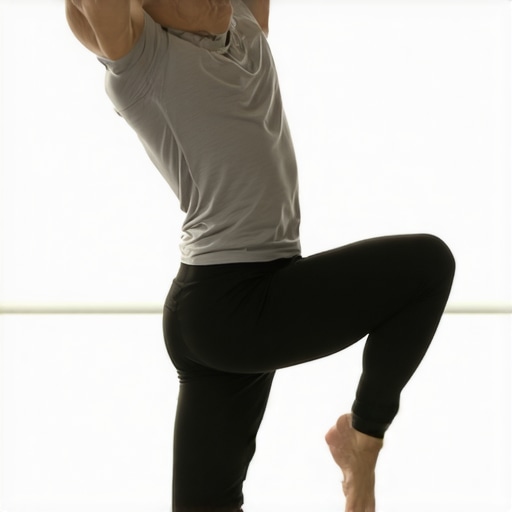
I was merging onto the interstate when it happened. I turned my head to check the lane, and—*crunch*—it felt like a dry twig snapped in my neck. Not only did it hurt, but I realized I could barely see past my own shoulder. I had the rotational range of a LEGO figurine. It was a terrifying moment of realizing that my desk job had slowly, quietly, turned my spine into a pillar of salt. I spent years thinking I just needed a better chair, but even the most expensive ergonomic chairs won’t save you if you never move in three dimensions. I used to spend my mornings trying different routines, but I was just guessing based on what I saw on social media.
Your Spine Thrives on Motion Not Just Sitting Up Straight
Most of us focus so much on “good posture” that we forget the spine is designed to twist and bend. I made a massive mistake early on by obsessing over a perfectly straight back, but perfect posture can actually cause muscle fatigue if it is static and rigid. The real secret isn’t staying still; it’s maintaining the ability to rotate without that sharp, stabbing pain. If you’ve ever wondered why your neck crunches when you look behind you, it’s usually because your mid-back has completely checked out of the conversation. I used to try to force the movement by yanking on my own head, but cracking your own neck at home is a dangerous game that usually makes the underlying instability much worse. [IMAGE] According to a study published in the Journal of Physical Therapy Science, restricted thoracic mobility is a primary contributor to cervical spine dysfunction, meaning your stiff back is literally pulling on your neck. When your mid-back doesn’t move, your neck has to work double-time to compensate. Today, I am going to show you exactly how to wake up those dormant segments in less time than it takes to brew a cup of coffee. We are going to bridge the link between mobility and posture with one simple, daily drill that I finally discovered after months of trial and error.
Can Two Minutes Actually Fix Years of Stiffness?
I get the skepticism. I used to be the guy who spent forty-five minutes on a foam roller every night, only to wake up feeling like a tin man again the next morning. The truth about foam rolling is that it is often just a temporary relief of the symptoms rather than a fix for the actual mechanics. You don’t need a marathon session; you need a specific, neurological input that tells your brain it’s safe to move again. Have you ever felt that sharp, “stuck” sensation when you try to reach for something in the backseat of your car? That’s what we’re ending today. This drill targets the exact spots where we tend to lock up from too much screen time and driving. We are moving beyond basic mobility guides and getting into the grit of how your vertebrae actually interact. It is time to stop feeling like a passenger in your own body and start moving with real intent again.
Stop Yanking Your Neck and Start Fixing Your Ribs
I used to think my neck was the primary source of my pain, but it was actually just a victim of my frozen mid-back. Think of your spine like a series of interconnected gears in a vintage watch. If the big gears in your thoracic spine (your mid-back) stop turning, the small gears in your neck have to spin five times as fast to keep up, leading to early wear and tear. This is exactly how chiropractic adjustments enhance posture and mobility—they get those big gears moving so the neck can relax. I remember a specific morning in a cramped Marriott hotel room in Des Moines. I was prepping for a big presentation, and my neck was so locked I couldn’t look at my second monitor without physically rotating my entire chair. I was desperate and rolling my neck in circles like a maniac, but the relief lasted exactly ten seconds because I wasn’t addressing the real culprit: my ribcage.
The Simple Chair Drill That Resets Your Range
To fix this, you need to isolate the movement. Find a sturdy chair or even the edge of your bed. Sit tall with your feet flat on the floor, which helps prevent your pelvis from tilting. You want to lock your lower body in place so the movement happens in the thoracic spine. If you let your hips shift, you are just cheating the stretch and potentially aggravating your lower back, which is why your middle back stiffens up every time you drive; your body is searching for stability in all the wrong places. Cross your arms over your chest, grabbing opposite shoulders. Slowly rotate your torso to the right as far as you can go comfortably. Here is the secret: once you hit that ‘wall,’ take a deep breath in, and then as you exhale, try to rotate just one millimeter further. That exhale is the key to letting the intercostal muscles between your ribs finally let go of their grip.
Why Your Shoulder Blades Feel Like They Are Glued Shut
Most of the ‘stuck’ sensation in your upper back comes from the scapula not sliding properly over the ribcage. It feels like Velcro that has been stepped on and matted down. When I was in that hotel room, I added a slight side-bend to my rotation, and I heard a series of soft pops—not the scary kind, but the kind that felt like a rusty door hinge finally getting oiled. By doing this, you loosen your chest muscles after a day of hunching and allow the shoulder blades to glide. It is a much more effective approach than static stretching because it involves active neurological input. While some people swear by the side-lying stretch that resets your SI joint for lower body issues, this seated rotation is the gold standard for the upper body. It is about revolutionizing your posture with targeted mobility exercises rather than just trying to force yourself to sit up straight through sheer willpower.
Test Your Mobility Without Using a Mirror
The best way to know if this is working isn’t by looking in a mirror; it is by testing your functional ‘slack.’ After performing five reps on each side, try checking your blind spot as if you were merging onto the highway. If you can see behind you without that sharp, pulling sensation in your traps, you’ve successfully restored movement to the segments that were dormant. If the snag remains, it might be worth investigating why your jaw tension might be the root cause, as the body often uses the jaw to stabilize a shaky neck. Remember, chiropractic adjustments unlock a pain-free lifestyle by ensuring these mechanical roadblocks are removed, but this daily drill is what keeps the road clear between visits.If you’ve been religiously touching your toes every morning but your lower back still feels like a rusted gate, you’re likely falling for the most common trap in the mobility world. We’ve been told for decades that ‘tight’ equals ‘needs stretching,’ but in my experience, that’s a recipe for chronic instability. Your hamstrings are often tight because they are *protecting* you. This is a concept known as neural tension, where your brain essentially puts the brakes on your legs because it doesn’t trust your spine to stay stable. This is precisely why your hamstring stretches aren’t fixing your tightness; you’re attacking the symptom, not the source. In fact, pulling on those tissues can irritate the sciatic nerve, which is exactly why stretching your hamstrings might actually make your back pain worse. You think you’re helping, but you’re actually tugging on a nerve that is already screaming for slack. 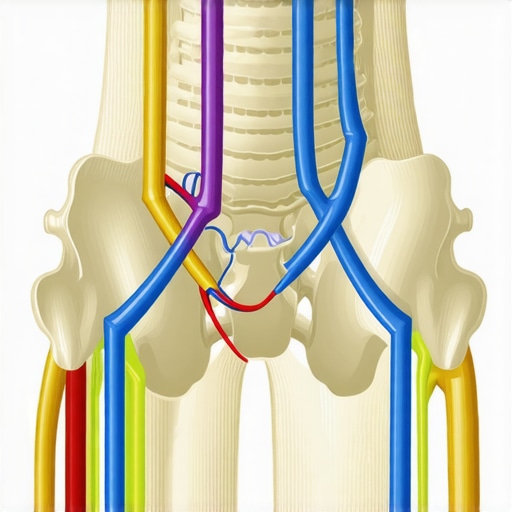
Distinguish Protective Bracing from Actual Muscle Shortness
The “oops” factor here is confusing mobility with flexibility. Flexibility is just how far a muscle can be pulled, but mobility is how much range of motion you can actually *control*. If you have a massive range but zero strength at the end of that range, you’re a walking injury waiting to happen. This is a common pitfall when people try the ultimate guide to improving mobility and posture in 2025 without first establishing a stable base. A study published in the Journal of Biomechanics suggests that spinal stability is maintained by the rapid, reflexive firing of the deep multifidus muscles. When these muscles aren’t communicating properly with the brain, your bigger muscles—like your hamstrings or traps—clamp down to do the stabilizing job. This is why chiropractic care is your secret weapon for better posture; it helps reset those neural pathways so your ‘guarding’ muscles can finally stand down. How chiropractic adjustments enhance posture and mobility is by clearing the interference so the brain feels safe enough to let those hamstrings go.
Why does my back feel worse after a deep yoga session?
It’s usually because you’ve successfully bypassed your protective tension without replacing it with stability. You’ve opened the door, but you didn’t put a lock on it. To truly revolutionize your posture with targeted mobility exercises, you have to pair every stretch with a ‘bracing’ move. If you just flop into a stretch, you’re just stressing your ligaments rather than training your muscles. This leads to what we call micro-instability, where the joints move in ways they shouldn’t. By getting regular check-ins, chiropractic adjustments unlock a pain-free lifestyle today by ensuring that your structural foundation is actually capable of supporting the new range of motion you’re working so hard to achieve. Have you ever fallen into this trap where stretching made things worse? Let me know in the comments.
The Small Gears that Keep the Big Machine Running
Maintaining your spine isn’t about being perfect for eight hours a day; it is about making your environment work for you so you don’t have to think about it. I used to think my $1,000 office chair was the ultimate answer, but even the most expensive ergonomic chairs can fail you if they aren’t configured to your unique anatomy. The real MVP in my daily setup is actually a $20 lumbar roll. I specifically use a D-shaped firm foam roll because it fits perfectly into the natural curve of my lower back without pushing me too far forward. Learning the proper way to use a lumbar roll was a total game-changer for me; it forces my pelvis into a neutral position so my upper back doesn’t have to work overtime just to keep me upright. According to the North American Spine Society (NASS) clinical guidelines, prolonged static loading is a primary risk factor for discogenic pain, emphasizing that frequent micro-adjustments are more effective than holding any single ‘correct’ posture for too long. 
Stop Guessing Where Your Screen Should Sit
Your eyes are the primary drivers of your posture. If your screen is too low, your neck will follow your gaze, leading to that heavy-head feeling by 2 PM. I finally invested in a simple aluminum laptop riser, and the difference was immediate. You want the top third of your screen to be at eye level. This simple change to your monitor height can eliminate the need for your suboccipital muscles to stay in a state of constant contraction. When those muscles relax, you stop the cycle of tension headaches before they even start. I also started looking at my footwear more closely. It sounds crazy, but your heels affect your head. I switched to shoes with a wider toe box and a flatter sole, and it was eye-opening to see if your back pain is coming from your shoes. If your foundation is tilted, your spine will spend all day trying to compensate for that lean.
How do I maintain these mobility gains over the next decade?
Longevity in spinal health is built on consistency, not intensity. You don’t need a grueling hour-long mobility session; you need mobility hacks and simple adjustments that fit into your existing workflow. Looking forward, I predict we are moving away from passive ‘ergo’ furniture and toward active workspaces. In the next few years, I expect to see AI-integrated software that uses your webcam to subtly alert you when your posture has collapsed for more than ten minutes. For now, the best strategy is to enhance your posture with expert chiropractic techniques that focus on functional movement rather than just temporary cracks. My challenge to you today: Raise your monitor by just two inches—use a stack of books if you have to—and see if that afternoon brain fog and neck tightness finally start to lift.
The Three Hardest Realizations About My Rigid Spine
I used to think ‘cracking’ my own neck was a sign of progress, but I was just creating a cycle of instability. It wasn’t until I learned about the truth about cracking your own neck at home that I realized I was making my ligaments loose while my muscles stayed tight. I also discovered that pain is often a ‘liar’—where you feel the pain in the neck is rarely where the actual mechanical problem starts. Movement doesn’t have to be an hour-long ordeal; sometimes, just shifting how you sit while keeping your spine healthy while working from the sofa is enough to prevent a week of agony.
Tools That Stopped My Daily Hunch
I stopped relying on luck and started using specific tools that forced my body into better habits without me having to overthink it. First, I ditched the soft pillows and switched to a firm D-shaped roll; it was the only way to get the proper way to use a lumbar roll exactly right for my height. [IMAGE] Next, elevation became my best friend. Adding a riser is the single simple change to your monitor height that kills the ‘tech neck’ cycle for good. Finally, I addressed my foundation. I learned the best way to transition to zero-drop shoes, and the relief in my lower back was almost instantaneous.
Reclaim Your Freedom of Movement
You don’t have to accept that ‘crunchy’ feeling as a permanent part of your life. By combining mobility boosts for posture with professional guidance, you can feel fluid and capable again. Whether you implement practical chiropractor strategies or just stick to your daily seated rotation drills, the goal is a body that moves with absolute confidence. When you check your blind spot today, does your neck feel smooth, or does it still feel like a rusty hinge? Let me know in the comments.