

Last Tuesday, my two-year-old decided the kitchen floor was hot lava. I was her escape pod. By the third lap around the island, my mid-back felt like it was being squeezed in a rusted vise. We’ve all been there—that dull, throbbing ache between the shoulder blades that makes you want to lie face-down on the carpet and stay there forever. For months, I just assumed this was the ‘parent tax.’ I figured I’d just have to pay for it later with a heating pad and a bottle of ibuprofen. But then I realized something: it wasn’t my kid’s weight that was the problem, it was my absolute lack of technique. I was treating my body like a forklift with a broken hydraulic system. Today, I’m going to show you how to shift that load so you can keep being the hero without feeling like a broken-down tractor.
Do you ever find yourself subconsciously rubbing that one spot under your shoulder blade while you’re waiting for the kettle to boil?
Stop Carrying Your Child Like a Sack of Flour
When we pick up our kids, we usually just grab and go. We’re in a rush. There’s a tantrum happening or a diaper that needs changing now. My big mistake for the first year was the ‘hip-pop.’ I’d kick my right hip out to create a shelf for her to sit on. It felt stable, but I was actually crushing my mid-back and creating a permanent lean that felt similar to why your middle back stiffens up during long walks. I was essentially trading my long-term spinal health for a few seconds of convenience. According to the American Chiropractic Association, improper lifting techniques for toddlers can exert massive pressure on the thoracic spine, leading to chronic misalignment over time. It’s not just about the heavy lifting; it’s about how you manage that weight while you’re moving. Learning the proper way to carry groceries actually gave me the first clue on how to handle a wriggling human being without the subsequent agony.
Will these small changes actually work for a toddler who won’t sit still?
I get it. A bag of rice doesn’t try to do a backflip while you’re holding it. You might think that ‘good posture’ is a pipe dream when you’re dealing with a toddler who has the core strength of a gymnast and the temperament of a caffeinated squirrel. However, the goal isn’t to look like a statue. It’s about creating a ‘functional frame.’ By making a few tiny adjustments to your stance, you can protect your nerves and joints. If you’ve been following the ultimate guide to improving mobility, you know that the secret isn’t just strength—it’s how you use the strength you already have.
The Three Inches That Save Your Thoracic Spine
The most important thing I learned was the ‘gap.’ When there is a gap between your toddler’s center of gravity and yours, your mid-back muscles have to work ten times harder to keep you upright. Think of it like holding a hammer at the very end of the handle versus holding it right near the head. It’s the same weight, but it feels completely different. By closing those few inches of space, you take the load off those tiny muscles between your ribs and put it back onto your sturdy legs and core. We are going to look at exactly how to bridge that gap without getting kicked in the ribs.
Get Your Chest Over Your Toes
When you reach down to grab your kid, don’t just bend at the waist like a folding chair. That’s the fastest way to feel that sharp, breath-stealing twinge. Instead, think of your body as a crane. You want to bring your center of mass directly over the “load.” I started practicing what I call the ‘Squat-Hug.’ Instead of reaching out with my arms, I walk right up until my shins are touching my daughter’s knees. This eliminates that three-inch gap we talked about. By staying close, you ensure that the weight is moving vertically through your legs rather than pulling horizontally on your thoracic spine. If you’ve ever wondered how to carry a toddler without straining your lower back, this proximity is the non-negotiable first step.

Lock Your Scapula Like a Vault Door
Most parents carry their kids with rounded shoulders, which is essentially asking your upper back to act as a suspension bridge made of wet noodles. You need to “set” your shoulders. I imagine I’m trying to tuck my shoulder blades into my back pockets. This creates a stable shelf. It’s the same logic behind the 30-second wall squeeze to fix forward shoulder roll. When those blades are locked, the weight of the child is distributed across your entire ribcage and spine, rather than hanging off those sensitive neck muscles that cause tension headaches.
The Bracing Trick for Wriggling Humans
Remember the caffeinated squirrel? When your child starts to twist, your instinct is to grip tighter with your hands. Don’t do that. Grip with your core. I use a technique I learned for heavy lifting called ‘intra-abdominal pressure.’ Right before the lift, take a sharp breath into your belly and hold it slightly. This turns your torso into a solid pillar. It’s the bracing technique that protects your spine whether you’re hauling mulch or a screaming three-year-old. This internal pressure acts like a natural back brace, supporting the vertebrae from the inside out.
One Small Shift That Saved My Saturday
Last month, I was stuck in a ten-minute line at the post office. My daughter was in that ‘I want to be held but also want to fly’ phase. Normally, I would have shifted her to my hip, popped the joint out, and felt my mid-back seize up within minutes. Instead, I kept her centered on my chest, kept my glutes engaged, and used the core move that prevents lumbar disc bulges—a slight pelvic tilt that keeps the spine neutral. I wasn’t just standing there; I was actively managing the load. When we finally got back to the car, I realized I didn’t have that familiar burning sensation between my shoulder blades. I wasn’t reaching for the ibuprofen; I was just ready for lunch.
Stop the One-Sided Lean Immediately
We all have a dominant side. I’m right-handed, so I always default to the right hip. This creates a massive imbalance where one side of your back is overstretched and the other is crushed. It’s a primary reason why your dominant side is always tighter than the other. To fix this, I started a ‘switch rule.’ Every time I cross a doorway or a new room, I have to swap which side I’m favoring—or better yet, keep her centered. If you feel like your ribs are stuck, you might need to learn how to fix a rib that feels out of place before these techniques can really take hold. You can’t build a straight house on a crooked foundation.
Most of us were told to ‘stand up straight’ by our parents, but that is actually some of the worst advice you can follow when you are lugging around a thirty-pound human. When you force a ‘straight’ spine, you are often just locking your facet joints, which prevents your back from absorbing shock. This is a nuance many people overlook: improving posture through mobility isn’t about being a rigid statue; it is about being a responsive spring. A study published in the Journal of Bodywork and Movement Therapies highlights that ‘micro-movements’ are essential for disc hydration and health. If you are staying perfectly still while holding a heavy toddler, you are actually starving your spinal discs of necessary nutrients. In my experience, the person who looks ‘perfect’ is often the one in the most pain because why your perfect posture is actually causing muscle fatigue is a physiological reality.
Is your ‘protective’ bracing secretly making you stiffer?
We often think we are protecting our backs by tensing every single muscle, but this ‘co-contraction’ can lead to localized inflammation and restricted blood flow. I fell into the ‘Oops’ trap of over-arching my lower back to compensate for the weight in front of me, which is exactly why your lower back hurts when you try to stand up straight after the kid is finally asleep. Real stability comes from how chiropractic adjustments enhance posture and mobility by resetting the joint receptors that tell your brain where your body is in space. Instead of fighting your body with forced rigidity, you should be working with its natural, fluid curves. Have you ever fallen into this trap of the ‘soldier posture’ while parenting? Let me know in the comments.
The Rib Flare Disaster Most Parents Ignore
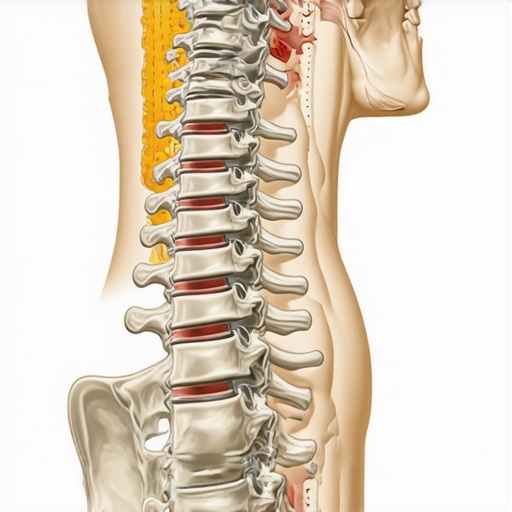
When you reach up to grab a diaper bag or lift a child into a car seat, pay close attention to your ribcage. If your ribs pop out forward like a bird’s chest, you have completely lost your core connection. This common error leads to how to stop your ribs from flaring when you lift your arms, which is a crucial skill for protecting the mid-back from shearing forces. By keeping the ribs ‘knitted’ toward your hips, you maintain a canister of support that protects the thoracic spine. Using mobility boosts for posture can help you find that sweet spot between being as limp as a noodle and as brittle as a brick. It is about dynamic control, not just ‘holding on’ for dear life.
How do I maintain these posture gains over the long haul?
Consistency is the boring part of health, but it’s the only part that actually matters. I’ve found that the best way to prevent a relapse into the ‘parent-hunch’ is to treat your spine like a high-performance vehicle that needs regular alignment. According to the National Center for Complementary and Integrative Health (NCCIH), while spinal manipulation is a common approach for acute pain, its role in preventative maintenance is what truly reshapes long-term structural health. This is why chiropractic care is your secret weapon for better posture—it’s about catching those tiny shifts before they become full-blown spasms. I personally schedule a check-in every month, not because I’m in pain, but because I want to ensure my mobility isn’t being limited by hidden compensations.
The Tools That Actually Earned a Space in My Living Room
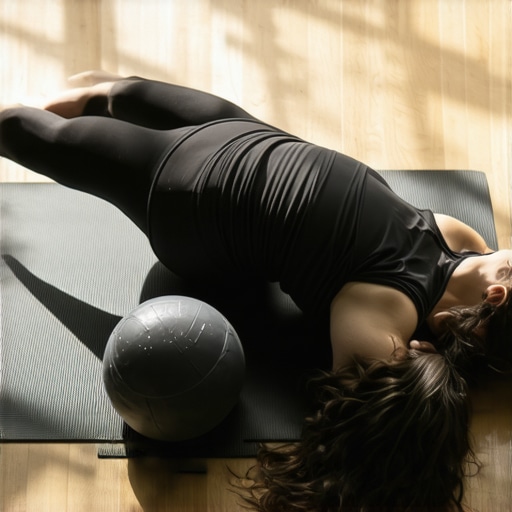
I’ve wasted plenty of money on gimmicky braces that just pull your shoulders back without engaging your muscles. Instead, I swear by a simple ‘peanut’—two lacrosse balls taped together. I use it for two minutes every night while winding down. You place it right between your shoulder blades (the thoracic area) and breathe deeply. This targeted pressure helps to revolutionize your posture with targeted mobility exercises because it specifically addresses the stiff segments of your ribcage. Be careful, though; you have to know the tonight about foam rolling your lower back—never use these hard tools on the lumbar spine or you risk more irritation than relief. I also keep a yoga block nearby to help with the morning routine that stops your back from clicking, ensuring I start the day with open chest muscles before the heavy lifting of parenting begins.
Where Parenting Posture is Heading in 2025 and Beyond
I predict we are about to see a massive shift in ‘wearable ergonomics’ for families. We already have watches that track our steps, but I expect the next wave to include discreet sensors embedded in clothing that provide haptic feedback when your thoracic spine begins to round while holding a child. Until that tech becomes mainstream, we have to rely on internal biofeedback. By using mobility hacks and simple adjustments, you can build a body that isn’t just surviving parenthood but thriving in it. If you haven’t yet, you really need to dive into the ultimate guide to improving mobility and posture in 2025 to see the full scope of what’s possible when you stop accepting pain as a requirement of raising kids. Utilizing mobility boosts for posture throughout the day keeps the joints lubricated and the nervous system calm.
Take the 24-Hour Mirror Challenge
Here is my challenge to you: for the next 24 hours, every time you see your reflection—in a window, a car mirror, or even the microwave—check your rib cage. If it’s flaring out, knit it back down toward your belly button. This one tiny habit, especially when combined with how chiropractic adjustments enhance posture and mobility, will do more for your long-term health than an hour of random stretching ever could. It is about reclaiming your frame, one lift at a time.
Three Hard-Earned Truths That Finally Stopped the Mid-Back Stinging
Looking back at those months of ibuprofen and heating pads, I realized I was fighting against my anatomy instead of working with it. First, I learned that staying rigid is a recipe for disaster. I used to think I had to be a stone pillar to protect my spine, but why your perfect posture is actually causing muscle fatigue became clear the more I stiffened up. Your spine needs to move even under load to stay healthy.
Second, I discovered that where you breathe matters as much as how much you lift. I was chest-breathing while carrying thirty pounds, which meant my neck was doing all the stabilizing. Learning how to use your breath to relax your pelvic floor and create internal pressure was the missing piece of the puzzle for my thoracic stability. Finally, I stopped viewing chiropractic care as a ‘fix-it’ shop and started seeing it as a maintenance crew. It is much easier to stay in alignment than to claw your way back into it once you are already in a spasm.
My Daily Toolkit for a Spine That Doesn’t Scream
I don’t have time for a forty-minute gym session every day, so I rely on a few high-impact tools that sit right by my couch. The ‘peanut’—those two lacrosse balls taped together—is my absolute favorite. Using it to revolutionize your posture with targeted mobility exercises for just two minutes before bed can undo hours of toddler-toting stress. I also keep a yoga block handy to perform a quick chest opener, which is vital for how to loosen your chest muscles after a day of hunching over a high chair or a stroller handle.
Lastly, I cannot recommend why chiropractic care is your secret weapon for better posture enough. Having a professional check your mechanics ensures that you aren’t subconsciously compensating in ways that lead to long-term wear and tear on your discs. It provides the reset your nervous system needs to stay calm during the chaos of parenting.
Your Back Deserves Better Than a Parent Tax
You are going to be picking up your kids for years to come. Don’t let those moments of connection be overshadowed by a dull, throbbing ache that saps your energy. By integrating mobility hacks and simple adjustments into your daily routine, you can turn that ‘parent tax’ into a ‘parenting power-up.’ Start small, stay close to the weight, and remember that you deserve to feel good while you’re being the hero. Start your journey by diving into the ultimate guide to improving mobility and posture in 2025 to keep this momentum going. Have you ever noticed your middle back stinging more after a long day of carrying your toddler on one specific hip? Let me know in the comments below!