
It started as a dull throb, the kind you ignore with another cup of coffee. Then, without warning, it became a localized lightning strike right between my spine and my right shoulder blade. I couldn’t turn my head to check the blind spot while driving. I couldn’t even sneeze without a sharp, breath-stealing “zing” radiating down my arm. I spent three days thinking I’d just pulled a muscle, but when the numbness started creeping into my fingertips, I knew I was dealing with something much more stubborn. I had a pinched nerve, and honestly, I was terrified. Today, I’m going to share the exact path I took to get back to normal—no surgery required.
The Day I Realized My ‘Quick Fixes’ Were Making Things Worse
My first instinct was to grab my neck and give it a good, loud crack. I thought if I could just “reset” the joint, the pressure would vanish. Instead, I spent the next hour lying on the floor in even more agony because I’d actually increased the inflammation around the nerve root. It’s a classic mistake: we try to force mobility when the body is screaming for stability. I learned the hard way that cracking your own neck at home is rarely the answer when a nerve is actually compressed. Often, the hardest part of the journey is figuring out if your neck pain is actually a referred shoulder injury or something else entirely. I eventually found my way to a solution that didn’t involve heavy meds or just “waiting it out” for months. We are going to look at the specific adjustments and movement habits that actually decompress that space. Whether you’re struggling with how to sleep through the night with a pinched nerve or you just want to reach for a high shelf without that terrifying jolt, I’ve got you covered.
Will I need surgery to get rid of this constant ache?
This is the question that kept me up at 3 AM. It’s easy to spiral when the pain is that consistent. However, research suggests that the vast majority of cervical radiculopathy cases resolve with conservative care. According to the Mayo Clinic, most people with a pinched nerve find relief through physical therapy, posture changes, and specialized adjustments within 6 to 12 weeks. I used to think my body was “broken,” but the truth is it was just out of alignment from years of leaning into a laptop screen. Have you ever felt that weird sensation where your ribs feel bruised just from taking a deep breath? If so, tell me in the comments—I used to think I was the only one! It turns out that everything from your breathing habits to how you sit can trap those sensitive nerves. We’re going to break down the exact protocol I used to finally get my life back, starting with the movements that create immediate space in your spine.
Create Instant Space in Your Cervical Spine
The first thing I had to learn was that you can’t stretch a nerve out of its misery. Nerves aren’t like muscles; they don’t want to be elongated. They want to be decompressed. Imagine a garden hose with a heavy brick sitting on it. You can pull the ends of the hose all you want, but the water won’t flow until you lift the brick. That brick, in my case, was my own head weight pulling forward.
Stop Fighting the Pain and Start Opening the Tunnel
The most effective move I discovered is the ‘Chin Tuck.’ It sounds simple, but most people do it wrong by looking down. You need to pull your chin straight back, like you’re trying to make a double chin while keeping your eyes on the horizon. This specific movement glides the vertebrae back into a stacked position, physically lifting the ‘brick’ off the nerve. When I first tried this, I felt a weird ‘whoosh’ of relief. It didn’t cure it instantly, but for the first time in weeks, the buzzing in my fingers dimmed. It’s a much safer alternative than when you stop rolling your neck in circles and do this instead to avoid further irritating the joint capsules. 
The Micro-Habit That Saved My Commute
I remember sitting at a red light on a Tuesday about two weeks into my recovery. My right arm was buzzing like a downed power line, and I was gripping the steering wheel so hard my knuckles were white. I realized I was leaning my head forward to see the light better. I consciously performed three slow, controlled chin tucks against my car’s headrest. By the time the light turned green, the ‘zing’ in my shoulder blade had softened into a dull, manageable ache. It was a messy, painful realization that my daily environment was the real enemy.
Fix Your Environment Before Your Body Breaks Again
If you spend eight hours a day in a ‘gamer lean,’ no amount of stretching will save you. You have to change the geometry of your life.
Lift Your Screen to Save Your C6
Most of us treat our laptops like a centerpiece on a dinner table, but your eyes should ideally be level with the top third of the screen. I finally invested in a simple riser, and the simple change to your monitor height that kills headaches also took the constant shearing force off my lower neck. It felt ridiculous at first—having my laptop up on a stack of books—but my spine finally had a chance to breathe. This is exactly the secret to fixing tech neck without quitting your phone or your career.
Breathe Into Your Belly to Unclamp Your Neck
I never realized that my stress was making the nerve pain worse until I looked at my collarbones in the mirror. Every time I took a breath, my shoulders hiked up toward my ears. This overuses the scalene muscles, which sit right on top of your nerve bundles. Learning how your breathing habits are creating tightness in your scalenes is a game-changer. When you breathe with your diaphragm instead of your chest, those neck muscles can finally ‘let go.’
What Happens During a Professional Checkup
While these home fixes are vital, sometimes the joint is truly stuck in a way that requires a mechanical nudge. I was nervous about my first visit, but understanding what a chiropractor actually looks for during your first exam helped ease that anxiety. They aren’t just looking for ‘cracks’; they are looking for where the movement has completely stopped.
Why Your Perfect Posture is Actually Making You Exhausted
We have all been told to ‘sit up straight’ like we are in a military inspection, but I am here to tell you that this rigid obsession is likely why your pain persists. In my experience, the ‘perfect’ static posture doesn’t exist. When you force yourself into a stiff, upright position, you are essentially asking your muscles to perform a long-duration isometric hold. This leads to early fatigue and localized ischemia, which is exactly why your perfect posture is actually causing muscle fatigue rather than preventing it. Instead of searching for one ‘right’ way to sit, you should be looking for your ‘next’ way to sit. Movement variability is the secret. Your spine thrives on micro-adjustments and position shifts. If you stay in any one spot too long—even the most ergonomic one—the pressure on your discs remains constant and the nerve never gets a chance to decompress.
The Hamstring Stretch That Backfires
One of the most common ‘oops’ factors I see is people trying to stretch their way out of lower back or neck ‘tightness’ by aggressively pulling on their hamstrings. If you have a pinched nerve or a disc bulge, your nervous system is already in a state of high alarm. When you reach for your toes, you aren’t just stretching muscle; you are putting a massive amount of tension on the sciatic nerve. If that nerve is already snagged or compressed at the spine, you are essentially playing tug-of-war with a sensitive electrical wire. I’ve seen countless people wonder why stretching your hamstrings might actually make your back pain worse, and the answer is almost always neural tension. Before you start a stretching routine, you must understand the difference between muscle soreness and joint inflammation. Stretching an inflamed nerve is like pouring gasoline on a fire. 
Why does the zing return shortly after a successful adjustment?
This is the question that separates a beginner’s understanding from an expert’s perspective. You might feel 100% better leaving the clinic, only for that familiar ‘zing’ to return by the time you finish your commute. This isn’t because the adjustment ‘didn’t take.’ It’s because of a concept called neuroplasticity. Your brain has been mapped to a painful, protective pattern for weeks or months. A 2018 study in the Journal of Manipulative and Physiological Therapeutics (JMPT) highlights that chiropractic adjustments don’t just ‘move bones’—they change how the brain perceives pain signals by stimulating mechanoreceptors. However, if you go right back to the same environment that caused the injury, your brain will revert to its defensive ‘protective guarding’ mode. Real recovery happens when you pair how chiropractic adjustments enhance posture and mobility with consistent mobility hacks and simple adjustments throughout your workday. Have you ever fallen into the ‘military posture’ trap only to feel more stiff and sore? Let me know in the comments below!Maintaining that ‘floaty’ feeling in your neck isn’t about being perfect; it’s about having a toolkit for when life gets busy. For me, the most significant shift wasn’t just getting adjusted, but learning mobility hacks and simple adjustments that I could do while waiting for my coffee to brew. I eventually stopped relying on a stack of books and invested in a dual-motor standing desk. The reason? It wasn’t the standing that helped, it was the ability to change heights by an inch every hour to vary the load on my L5-S1 disc. If you’re making the switch, knowing the best way to transition from a sitting to a standing desk is crucial so you don’t trade neck pain for swollen ankles. The Occupational Safety and Health Administration (OSHA) documentation on computer workstations specifically recommends that your keyboard should be at a height where your elbows are open at least 90 to 120 degrees—a tiny detail that prevents your traps from firing all day long.
How do I keep my spine in check for the long haul?
It comes down to three things: load management, ritualized movement, and periodic professional oversight. I treat my spinal health like I treat my teeth. I brush every day (mobility exercises), and I see the professional for a ‘cleaning’ (chiropractic maintenance). You need the ultimate guide to improving mobility and posture in 2025 to see how this fits into a modern schedule. I personally use a simple lumbar roll when I’m stuck in traffic, and mastering the proper way to use a lumbar roll in your office chair kept my lower back from collapsing while my neck was healing. 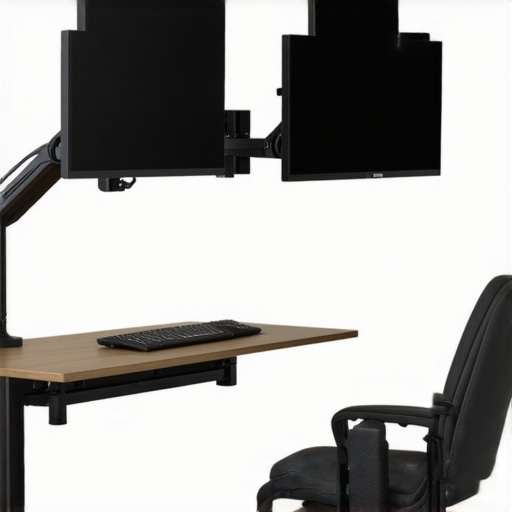 One tool I swear by is a high-density orthopedic pillow with a specific neck contour. Most standard pillows are too soft, allowing your head to tilt into a side-bend all night. By maintaining a neutral cervical spine, I stopped waking up with that ‘heavy head’ feeling.
The Future of Posture is Predictive and Wearable
I predict that in the next five years, we won’t be guessing about our posture anymore. We are seeing a surge in bio-feedback wearables that don’t just ‘buzz’ when you slouch, but actually analyze the shear forces on your vertebrae in real-time. Until then, why chiropractic care is your secret weapon for better posture remains the gold standard because it addresses the mechanical ‘stuckness’ that software can’t fix. If you’re looking for an immediate change, I recommend you try this tonight: set a ‘posture alarm’ on your phone for every 45 minutes of work. When it goes off, do five deep belly breaths and three chin tucks. It’s the smallest habit with the biggest ROI I’ve ever found.
The Hidden Signals I Missed Before My Nerve Finally Snapped
Reflecting on my recovery, I realized that my body was whispering long before it started screaming. Here are the three most important things I learned along the way that changed my perspective on spinal health:
- Pain is a Lagging Indicator: By the time I felt that first ‘zing’ in my shoulder, the mechanical issue had been brewing for months. Focusing on improving posture through mobility isn’t just for when you’re hurt; it is the daily maintenance that prevents the fire in the first place.
- Force is the Enemy of Healing: I spent way too much time trying to stretch the pain away, not realizing I was just irritating an already angry nerve. True relief came from decompression and stability, not aggressive pulling.
- Environment Dictates Recovery: You cannot heal a neck injury if your workstation is still trying to kill you. Small tweaks, like knowing the proper way to use a lumbar roll in your office chair, make the difference between a one-week recovery and a six-month ordeal.
My Personal Toolkit for Spine Resilience
If you’re ready to stop the cycle of recurring aches, these are the resources and habits I personally rely on. I trust these methods because they focus on the long-term mechanics of the human frame rather than temporary numbing of the symptoms.
- The Desk Transition: If you are moving to a standing setup to save your back, please don’t just stand still all day. Check out the best way to transition from a sitting to a standing desk to avoid trading neck pain for new aches in your hips and ankles.
- Strategic Maintenance: I now view why chiropractic care is your secret weapon for better posture as my essential monthly ‘alignment check’ to ensure my spine handles the stress of my laptop-heavy life.
- The Morning Reset: A simple 15-minute flow can change your entire day. I highly recommend following the ultimate guide to improving mobility and posture in 2025 to keep your joints ‘greased’ and ready for the demands of the modern world.
Reclaiming the Movement You Thought You Lost
It is easy to feel defeated when your own body feels like a trap. But remember, nerves are incredibly resilient once you remove the pressure and restore the proper flow of movement. By combining chiropractic adjustments that enhance posture with mindful daily habits, you aren’t just managing pain—you’re building a more capable, mobile version of yourself. Don’t let a temporary setback become a permanent lifestyle choice. Start with one chin tuck, one deep belly breath, and one small change to your desk height today. Your future self will thank you for the space you created.
Have you ever felt that terrifying ‘lightning strike’ in your shoulder blade or arm during a long day at the office? Let me know in the comments how you managed to find relief!