
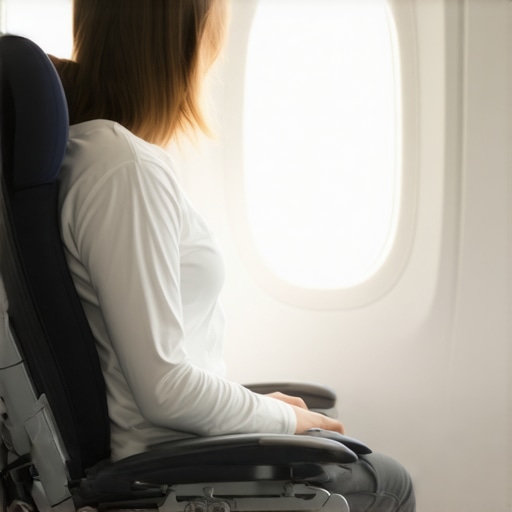
I still remember the flight back from Seattle three years ago. I spent five hours tucked into seat 22B, convinced I was doing just fine because I didn’t feel ‘pain’ while watching a movie. Then the wheels hit the tarmac. When I tried to stand, my lower back felt like it had been fused together with industrial-strength glue. I hobbled off that plane like I’d aged thirty years in a single afternoon. It was embarrassing, painful, and entirely avoidable. If you’ve ever felt that deep, nagging ache in your lumbar spine after a cross-country trip, you know exactly what I’m talking about.
Stop Treating the Airplane Seat Like Your Living Room Sofa
The biggest mistake I made for years was trying to get ‘comfortable’ by slouching. We think we’re relaxing, but we’re actually putting immense pressure on our spinal discs. Research from the American Chiropractic Association suggests that sitting can increase intradiscal pressure by up to 40 percent more than standing. Now, cram that into a narrow seat with zero lumbar support, and you have a recipe for a much-needed chiropractic adjustment the moment you land. Today, I want to share the exact setup I use to walk off a ten-hour flight feeling like I just took a nap on a cloud. We are going to fix your alignment before the ‘fasten seatbelt’ sign even turns off.
Is It Really Possible to Avoid Back Pain in Economy?
I get the skepticism. Those seats are designed for efficiency, not ergonomics. But the secret isn’t in the seat; it’s in how you position your pelvis. When I first started focusing on my travel posture, I mistakenly thought stretching my hamstrings during the flight would save me. It didn’t. In fact, it just made things tighter because my base—my pelvis—was tilted all wrong. The key is finding ways to revolutionize your posture using the limited tools you have: a jacket, a thin pillow, and maybe even your own carry-on bag. [image_placeholder]
Your Hips Are the Foundation of Your Flight Comfort
If your hips are ‘tucked’ under you, your lower back loses its natural curve. This is why you feel that dull ache in your glutes after just an hour. I’ve found that using a small lumbar roll—even a rolled-up sweatshirt—makes a world of difference. It keeps the spine neutral and prevents the ‘slump’ that leads to neck clicks later. Have you ever had to spend the first two days of your vacation lying on a hotel bed because your back gave out during the flight? Tell me I’m not the only one who has ruined a trip before it even started! When you learn how to use a lumbar roll correctly, even in a cramped cabin, the relief is almost instant. We are going to dive into the specific leg placements and the best way to sit on a plane to avoid a stiff neck.
Fix the Bowl of Your Pelvis First
To understand why your back screams after three hours in the air, think of your pelvis as a bowl of water. In those saggy economy seats, that bowl tips backward, spilling the ‘water’ into your lap and forcing your lower spine to round into a painful ‘C’ shape. This is the primary reason people need chiropractic adjustments after a vacation. To fix this, you need to create a physical block. Take your mid-weight jacket or a thick sweatshirt and roll it into a firm log. Place it exactly at the small of your back, just above your belt line. This forces your pelvis to stay upright, maintaining the natural curve of your lumbar spine. When you learn how to use a lumbar roll correctly in these cramped spaces, you stop the mechanical stress before it starts. 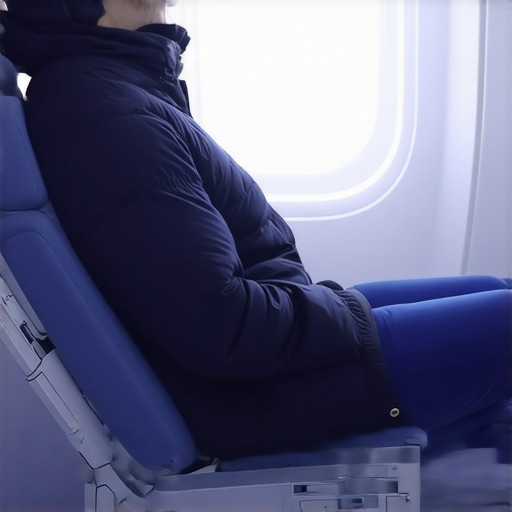
Turn Your Carry-On Into a Life-Saving Footrest
On a flight to London last year, I realized the woman next to me was struggling because her feet barely touched the floor. This meant her thighs were hanging off the edge of the seat, creating a massive pull on her lower back muscles. I watched her shift every five minutes in total misery. If your feet aren’t firmly supported, your hip flexors stay ‘on’ for the entire flight, leading to that familiar dull ache in your glutes. I solved this by sliding my backpack under the seat in front of me and using it as a footstool. Raising your feet just three or four inches changes the angle of your hips and takes the tension off your sciatic nerve. It sounds silly until you realize why your knees hurt when you sit for more than 30 minutes; it is almost always an issue of leverage and joint angles.
Use the 10-Second Shoulder Reset Every Hour
The ‘airplane hunch’ isn’t just about your lower back. As you lean forward to watch a movie or eat from a tiny tray, your shoulders roll toward your ears. This is a fast track to a tension headache. Instead of aggressive stretching, which can sometimes irritate the nerves, I use a simple postural reset. Squeeze your shoulder blades together and down, as if you’re trying to put them into your back pockets, and hold for ten seconds. This is the same logic behind the 10-second move to reset your shoulders at work. This movement wakes up the muscles that support your mid-back and prevents the ‘stuck’ feeling in your rib cage. By alternating this with the best way to sit on a plane to avoid a stiff neck, you create a dynamic environment for your spine rather than a static, painful one. This proactive approach is how you revolutionize your posture even when you’re trapped in seat 22B.While the lumbar roll is a game-changer, I see so many travelers fall into the ‘over-stretching’ trap. We’ve been conditioned to think that if something feels tight, we should pull on it. However, aggressively stretching your hamstrings in the middle of a flight can actually backfire. When you are in a state of high neural tension from sitting for hours, your nervous system is on high alert. Pulling on those tissues can lead to protective guarding, which is why your gentle stretching is actually causing more inflammation rather than relief. Instead of static holds, you need controlled, active movements that signal to your brain that it is safe to let go of that tension. 
Why Stretching Your Way Out of Pain Usually Backfires
Most people assume that ‘tightness’ always equals a need for more flexibility. In reality, that tightness is often your body’s way of creating stability where it feels weak. This is a nuance often missed: you don’t need more range of motion; you need better control over the range you already have. A study published in the Journal of Physical Therapy Science highlights that prolonged sitting significantly reduces the activation of the deep core stabilizers. When these muscles go ‘offline,’ your big global muscles—like your hip flexors and hamstrings—clinch up to keep you upright. This is why mobility boosts for posture are more about waking up the right muscles than just elongating the tight ones.
Should You Ever Crack Your Own Back for Relief?
It is the most common habit I see in the terminal: people twisting their torsos until they hear a loud ‘pop.’ I call this the ‘relief trap.’ While that sound provides a temporary endorphin rush, you are usually just cavitating the joints that are already moving too much, rather than the ‘stuck’ segments that actually need a chiropractic adjustment. When you self-crack, you risk creating hypermobility in some areas while the actual problem area stays locked tight. This imbalance is the truth about cracking your own back for relief; it feels good for ten minutes, but it never solves the mechanical cause.
Stop Chasing the Ghost of Perfect Posture
Here is a contrarian take: there is no such thing as a ‘perfect’ static posture that you can hold for a ten-hour flight. The best posture is your next posture. The real secret to improving posture through mobility is constant, micro-adjustments. If you try to sit perfectly upright like a statue, you will fatigue within twenty minutes. Instead, embrace the ‘dynamic sit.’ Shift your weight from one sit-bone to the other, perform tiny pelvic tilts, and periodically use the 30-second move that opens up tight hips while standing in the aisle for the bathroom. This prevents the tissues from becoming ischemic—meaning they don’t lose blood flow. Have you ever fallen into the trap of trying to sit ‘perfectly’ only to end up in more pain than when you slouched? Let me know in the comments! Understanding the truth about perfect posture and why it doesnt exist will save you from a lot of unnecessary frustration and help you focus on the movement that actually matters.I spent years carrying a massive foam roller in my luggage before realizing it was complete overkill. These days, my travel kit has shrunk down to a single, high-density lacrosse ball and a resistance band. Why? Because specificity beats surface area every single time. When you land and feel that familiar tightness, you don’t need to roll out your entire back; you need to target the high-tension junctions where your pelvis meets your spine. I use the lacrosse ball to pin the tissue right at the top of my glutes for two minutes while breathing deeply. This targeted release is one of those mobility hacks that takes up zero space in a carry-on but saves you from a week of misery. If you’ve been ignoring a dull ache in your glutes since your last trip, this is the exact tool you need to wake those muscles back up.
How do I maintain my spinal mobility over the long haul?
Maintenance isn’t about doing an hour of yoga every day; it’s about micro-dosing movement. As Dr. Stuart McGill, a world-renowned expert in spinal biomechanics and author of Back Mechanic, points out, spinal stability is the necessary precursor to safe mobility. If you don’t have the stability to hold your spine in place, your body will create ‘fake’ stability by tightening your muscles into a protective suit of armor. This is why chiropractic care is your secret weapon for better posture—it resets the joint mechanics so your exercises actually ‘stick.’ I’ve found that incorporating the dead bug variation that actually protects your spine into my morning routine for just three minutes has done more for my long-term health than any expensive ergonomic chair ever could. 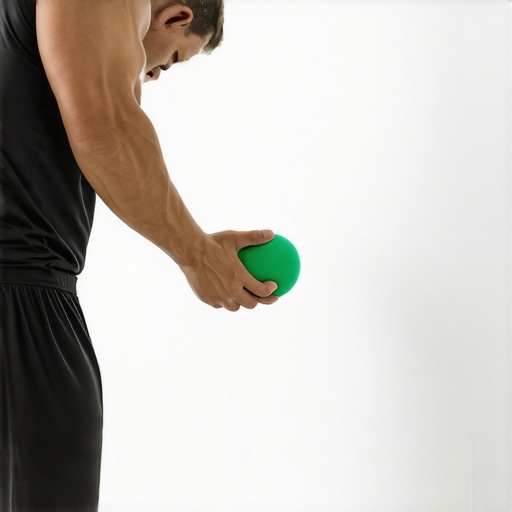
Why Your Daily Routine Matters More Than Your Bi-Weekly Adjustment
I often tell my friends that a chiropractor is like a mechanic, but you are the driver. You can get the best alignment in the world, but if you go right back to sitting on your wallet or hunching over a laptop, the work won’t last. This is the core philosophy behind the ultimate guide to improving mobility and posture in 2025. We are moving toward a future where wearable biofeedback will alert us the second our lumbar curve flattens, but until that tech is perfected, you have to be your own sensor. I predict that within the next five years, ‘postural hygiene’ will be treated with the same daily importance as dental hygiene. If you want to revolutionize your posture, you have to stop viewing movement as a chore and start viewing it as a necessary reset button. I challenge you to try this right now: find a wall, put your heels and shoulder blades against it, and perform ten slow ‘wall slides.’ If your shoulders click or your lower back arches off the wall, your body is giving you data that it’s time to refocus on improving posture through mobility. Trust me, your future self will thank you when you can still tie your own shoes at eighty.
Hard Truths from Ten Thousand Feet
One of the hardest lessons I learned is that no amount of lumbar support can fix a body that is already stiff from a week of stress. If you go into a flight tight, you will come off it even tighter. I’ve realized that the ‘perfect’ flight pillow is usually a waste of money if you don’t first understand the link between mobility and posture. It took me years to accept that ‘fighting’ the seat is a losing battle; you have to work with the space you have by creating micro-movements every thirty minutes. Another lightbulb moment was realizing that how chiropractic adjustments enhance posture and mobility is a cumulative process—it’s not a one-time fix before a trip but a foundation for how your body handles travel stress.
The Gear That Actually Saves My Spine
I never leave for the airport without a few specific tools. First, a high-density lacrosse ball is non-negotiable. I use it against the terminal wall to release glute tension before boarding. [image_placeholder] Second, I highly recommend the book Back Mechanic by Dr. Stuart McGill; it’s the gold standard for understanding mobility boosts for posture. Third, a simple light resistance band allows me to do seated rotations to keep my shoulders from locking up. I trust these tools because they prioritize active engagement over passive slouching.
Your Next Flight Doesn’t Have to Be a Nightmare
Traveling should be about the destination, not the physical toll of the journey. By taking these small, proactive steps, you can ensure that you arrive ready to explore rather than hunting for an ice pack. Remember that chiropractic adjustments unlock a pain-free lifestyle today and every day you decide to prioritize your movement. Start implementing these shifts on your next trip and notice how much better you feel when you finally hit the tarmac. Have you ever tried using a makeshift lumbar roll during a long flight, and did it make a difference for your back? Let me know in the comments below!