

I remember sitting at my desk on a random Tuesday, feeling like I was on a boat in the middle of a storm even though I hadn’t left my zip code in weeks. It was terrifying. Every time I looked down at my phone or turned to talk to a coworker, the room did a slow, nauseating tilt. I initially thought it was stress or maybe a weird inner ear infection, but no matter how much water I drank or how much I rested, that floating sensation wouldn’t budge. It wasn’t until I looked into the connection between my upper spine and my balance that the lightbulb finally went off. I had been ignoring my posture for years, and my body was finally screaming for an adjustment. Today, I am going to help you figure out if your ‘vertigo’ is actually just a very grumpy neck and what we can do to fix it.
Your Neck Is the GPS for Your Brain
When we talk about balance, we usually think about our ears, but your neck is packed with tiny sensors called mechanoreceptors that tell your brain exactly where your head is in space. If your neck is stiff or misaligned—perhaps from that dual monitor setup that is twisting your neck—those sensors start sending garbled data to your brain. Early on, I made the huge mistake of trying to aggressively stretch through the dizziness, which actually made my headaches worse because I was irritating already inflamed joints. I did not realize that targeted chiropractic adjustments were what I actually needed to reset the communication between my spine and my nervous system.
Can a Stiff Neck Really Make You Feel Drunk?
This is the biggest skepticism I hear from people who think I am overcomplicating a simple dizzy spell. It sounds wild, but the science is rock solid. According to research published in the Journal of Manual & Manipulative Therapy, cervicogenic dizziness is a recognized clinical syndrome where impaired neck proprioception creates a sensory mismatch. Basically, your eyes say you are still, but your neck sensors say you are moving. It is not just in your head; it is in your hinges. You might even notice that your neck clicks when you look over your shoulder, which is a classic signal that your joints aren’t gliding properly. If you have been struggling with this, have you noticed if the spinning gets worse after a long day hunched over a laptop? I would love to hear if you have felt that weird ‘sway’ while just standing still. We need to focus on improving mobility and posture before this disorientation becomes your new normal. If you are tired of the room spinning, finding an Omaha chiropractor that actually listens to these specific symptoms is the first step toward finally standing on solid ground again.
Stop Reaching with Your Chin
Think of your head as a ten-pound bowling ball balanced on a very thin stick. When you lean forward to read a tiny email on your phone, that bowling ball shifts off-center, and suddenly your neck muscles have to work ten times harder just to keep you upright. I spent years in what I call the ‘turtle’ position—chin jutted out, shoulders up to my ears. When I finally learned how to stop reaching with my chin, the dizzy spells didn’t just fade; they vanished. The trick is to bring the world to your eyes rather than bringing your eyes to the world. If you are working from a laptop, you are almost guaranteed to be looking down, which is why holding your phone at eye level and elevating your screen are non-negotiable steps for a stable equilibrium.
The 10-Second Desk Reset
I remember one Tuesday at the office where the ‘sway’ was so bad I had to grip my desk just to feel grounded. Instead of panicking, I started doing what I now call the 10-second reset. Every thirty minutes, I would tuck my chin slightly, pull my shoulder blades back and down, and take one deep belly breath. This isn’t just a stretch; it is a neurological reminder to your brain that your head is actually on straight. Most of us fail because we try to do big, 30-minute workout sessions once a week, but your spine craves frequency over intensity. Implementing a quick shoulder reset at work breaks the cycle of muscle fatigue that leads to that ‘drunk’ feeling. 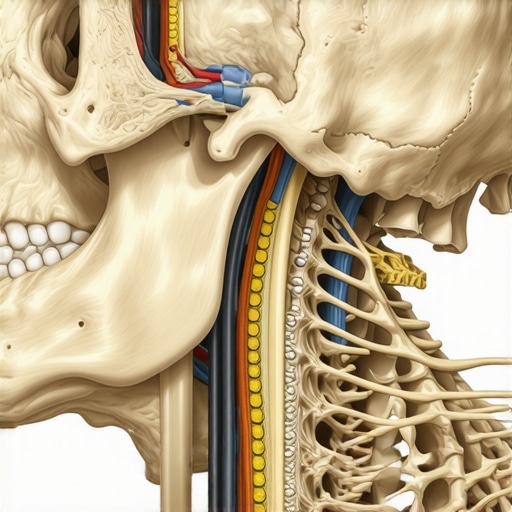
Why Your Spine Needs a Manual Reboot
Sometimes, no amount of ergonomic hacking can fix a joint that is physically stuck. If the vertebrae in your upper neck are misaligned, they act like a kink in a garden hose, disrupting the flow of information from your body to your brain. This is where chiropractic adjustments improve mobility by physically moving those joints back into their proper glide. I used to think I could just ‘stretch’ my way out of vertigo, but I was actually causing more inflammation by pulling on muscles that were already guarding a stuck joint. You have to clear the physical blockage before the nerve signals can travel clearly again.
Your Bed Is a Recovery Zone, Not a Hazard
I once woke up feeling like the entire room was spinning clockwise because I had spent eight hours pinned in a weird side-sleeping position with my neck cranked at a 45-degree angle. We often forget that your sleep position impacts your recovery more than your gym session does. If your pillow is too high or too low, you are spending a third of your life straining the very sensors that control your balance. When you combine better sleep hygiene with daily mobility adjustments, you give your nervous system the quiet environment it needs to recalibrate. If you’ve been wondering why your balance decreases as your head slumps, it is because your body is simply trying to survive the mechanical stress you are putting it under.
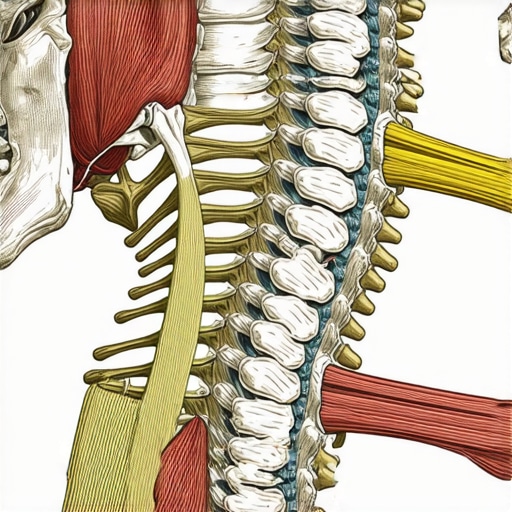
Most people think that if a muscle feels tight, the universal solution is to yank on it until it lets go. I see this all the time with people who have ‘tight’ legs and realize that stretching your hamstrings won’t fix your tight back if the issue is actually coming from your pelvis. The hidden nuance that most beginners miss is the difference between a sore muscle and a misaligned joint. When a joint is stuck or ‘subluxated,’ your brain sends a signal to the surrounding muscles to tighten up and act as a biological splint. If you try to stretch that guarding muscle without addressing the joint, you are effectively trying to tear off a bandage that your body desperately wants to keep in place. This is why your gentle stretching is actually causing more inflammation and keeping you in a cycle of dizziness and pain.
Is it a pinched nerve or just a very tight muscle?
This is the question that separates the amateurs from the pros. A muscle knot might ache, but a misaligned joint creates ‘proprioceptive noise’—a garbled signal that tells your brain your head is tilted when it is actually straight. A study published in the Journal of Manipulative and Physiological Therapeutics (JMPT) indicates that spinal adjustments can decrease the excitability of the alpha motor neuron pool. In plain English: the adjustment shuts off the ‘alarm’ that keeps your muscles in a permanent state of tension. If you only focus on the muscle, you are just silencing the siren without putting out the fire. This is why chiropractic adjustments enhance posture and mobility far more effectively than a foam roller ever could; they fix the signal at the source.
Don’t Turn Yourself Into a Statue
One of the biggest traps I fell into early on was the ‘Perfect Posture’ myth. We have been told for decades to sit up straight, shoulders back, chin tucked. But here is the contrarian truth: the truth about perfect posture is that it doesn’t exist. Your spine was designed for movement, not for holding a static, military position for eight hours. When you try to force yourself into a rigid shape, you create ‘static load’ which leads to muscle fatigue and, eventually, that familiar swaying sensation. Instead of chasing a specific look, you should be chasing mobility boosts for posture that allow your spine to be fluid. Have you ever fallen into the trap of trying to ‘sit perfectly’ only to end up in more pain by the end of the day? Let me know in the comments, because I spent years doing exactly that before I realized movement is the only real cure for a ‘grumpy’ neck.
The Three Gadgets That Actually Saved My Neck
Once I stopped trying to be a statue and embraced movement, I had to figure out how to stay mobile while still working forty hours a week. I am a huge fan of the Roost stand—a portable laptop riser that weighs almost nothing but gets your screen to eye level. I never go to a cafe without it because I have learned exactly how to set up your laptop in a coffee shop without ruining your back. Another non-negotiable for me is the McKenzie Lumbar Roll. I used to think my lower back didn’t matter for my neck dizziness, but your spine is a closed system. Knowing how to use a lumbar roll correctly in an office chair keeps your pelvis neutral, which prevents the secondary ‘head-forward’ slump that triggers my vertigo. These aren’t just toys; they are environmental anchors that make mobility hacks for a more active life feel effortless rather than like a chore.
How do I keep my spine in check for the long haul?
Maintenance isn’t about one-off fixes; it is about building a system that protects your nervous system. For me, this means a combination of chiropractic care as a secret weapon for posture and a daily movement commitment. I never go to sleep without finishing the 3-minute evening routine for a less stiff morning. This consistency is what prevents that ‘stuck’ feeling from snowballing into a full-blown dizzy spell. According to Dr. J.P. Caneiro and colleagues in the Journal of Electromyography and Kinesiology, the ‘feed-forward’ mechanism of our deep spinal stabilizers is often delayed in people with chronic neck pain, meaning your brain loses the ability to anticipate movement. To fix this, you have to retrain the neural pathways through repetitive, low-intensity movement. 
The Future of Standing Up Straight
Looking ahead, I predict we are going to see a massive shift toward wearable biofeedback. We are already seeing smart shirts and sensors that vibrate the moment your shoulders round forward. This real-time data will likely become a cornerstone of improving mobility and posture in 2025 and beyond. It turns your posture into a video game where you are constantly ‘leveling up’ your alignment. Until those tools are perfected, I rely on my hands-on experts. If you are feeling like you are losing the battle against gravity, I highly recommend you contact us to see how a manual reboot can clear that ‘proprioceptive noise.’ My advanced tip for you today? Set a ‘posture alarm’ on your phone for every 20 minutes for the next three days. Every time it goes off, just perform one slow chin tuck and hold it for five seconds. You will be shocked at how much clearer your head feels by Friday.
The Lessons That Finally Silenced the Sway
When I was in the thick of it, I thought I was broken. But looking back, I realize that the dizziness was just a very loud signal. One of the biggest shifts for me was stopping the search for a magic pill and instead looking at how chiropractic adjustments enhance posture and mobility at a fundamental level. I had to accept that my body wasn’t failing me; it was responding to the physical stress I was putting on it every single day. Another lightbulb moment was realizing that the difference between a sore muscle and a misaligned joint meant I couldn’t just stretch my way out of the problem. If a joint is physically stuck, no amount of floor stretching will unstick it until someone manually resets that glide. I also learned that consistency in small movements, like chin tucks, beats a one-hour gym session once a week every single time.
The Daily Toolkit for a Dizziness-Free Life
Maintaining a stable world starts with auditing your environment. I don’t go anywhere without my portable laptop stand to keep my screen at eye level, preventing that ‘turtle neck’ slump. For my office chair, I learned how to use a lumbar roll correctly to support my low back, which surprisingly keeps my neck from straining forward into a dizzying position. Beyond gadgets, I prioritize mobility hacks for a more active life, like switching positions every twenty minutes to avoid static load. If you are in the Omaha area, finding an Omaha chiropractor who listens to your specific vertigo symptoms is the most powerful tool you can have in your recovery arsenal.
Take Back Your Steady Ground
You do not have to live in a world that constantly tilts or sways. By focusing on improving posture through mobility and addressing the underlying mechanical issues in your upper spine, you can find your way back to solid ground. It starts with small, intentional changes and a willingness to stop ‘pushing through’ the disorientation. Your nervous system wants to be in balance—you just have to give it the right structural environment to do so. If you are ready to stop the room from spinning, contact us today to see how we can help you reset your internal GPS and live life with a clear head. Have you ever felt that weird ‘boat sway’ while just standing in line at the grocery store? Let me know in the comments below how you’ve been managing it!