

I remember a crisp October morning in Omaha, leaning into what I thought was a decent 10k pace. By mile four, every stride felt like my lower back was being cinched by a belt three sizes too small. I caught my reflection in a shop window and stopped dead. My tailbone was pointing toward the sky, my stomach was sagging forward, and I looked more like a confused mallard than an endurance athlete. That ‘duck run’ wasn’t just a quirky habit; it was my pelvis tilting forward, and it was wrecking my efficiency. If you have ever finished a run feeling like your lower back is three inches shorter than when you started, you aren’t alone. Today, we are going to dive into why this happens and how you can finally level out your hips for a smoother, pain-free stride. [IMAGE_PLACEHOLDER]
The Real Reason Your Lower Back Screams at Mile Three
It took me way too long to realize that my ‘tight hamstrings’ weren’t actually the primary culprit. In fact, my biggest early mistake was spending twenty minutes a day cranking on my hamstrings, thinking that would loosen my back. It didn’t. As it turns out, why stretching your hamstrings won’t fix your tight back is often because those muscles are already being pulled taut by a pelvis that is tilted forward. This condition, known as Anterior Pelvic Tilt (APT), typically stems from a ‘tug-of-war’ happening in your midsection. Your hip flexors are likely too tight from sitting all day, and your glutes have essentially ‘gone to sleep.’ When you run, your pelvis tips forward like a bucket of water spilling over the front rim. According to research published in the Journal of Biomechanics, excessive anterior pelvic tilt can increase the load on the lumbar spine by significantly increasing shear force, essentially forcing your lower back to do the work your core and glutes should be handling. I have found that incorporating chiropractic adjustments can be a total game-changer here, helping to reset that neural connection so your muscles actually fire when they are supposed to. Have you ever felt like your hips were ‘locked’ or ‘jammed’ halfway through a workout?
Is this just another ‘posture fix’ that won’t actually stick?
I get the skepticism because we have all seen the gimmicks and ‘hacks’ that promise a perfect spine in thirty seconds. But the truth is, fixing a tilted pelvis isn’t about achieving a robotic, ‘perfect’ posture; it’s about functional mobility and posture. Once I learned how to spot a pelvic tilt in the mirror, I could finally address the root cause rather than just icing my sore back. It’s not about standing like a soldier; it’s about making sure your joints have the space to move without grinding. If you’re tired of feeling like you’re fighting your own skeleton every time you lace up your shoes, stick with me. We are moving past the ‘why’ and getting into the specific adjustments that actually keep your pelvis neutral while you move.
Turn Off the Emergency Brake in Your Hips
To stop the ‘pelvic bucket’ from spilling forward, you have to address the muscles that are physically pulling it down. Most of us spend our days seated, which shortens the hip flexors into a permanent state of contraction. I used to think I could just out-run a desk job, but the tension was so ingrained that my pelvis stayed tilted even when I was at a full sprint. The first thing you need is the 30-second move that opens up tight hips in seconds. Think of your hip flexors like an emergency brake; if you do not release it, you are burning extra energy and grinding your gears. When I finally started prioritizing this release before my runs, that sharp pinch in my lower back at mile three vanished. 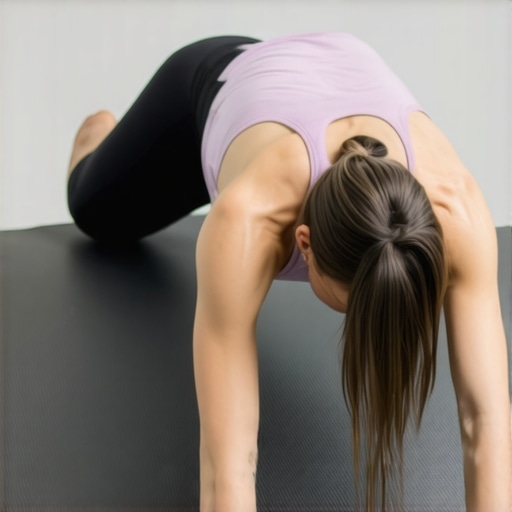
The Simple Move That Keeps Your Spine from Overarching
Once the front is released, you have to stabilize the back. If your lower back arches excessively, you are essentially crushing your lumbar discs with every footfall. I remember struggling through a track workout in Omaha, trying to maintain a sub-seven-minute pace while feeling like my spine was a compressed spring. A coach pointed out that I was ‘leaking’ power because my core was not bracing my pelvis. The fix was not more sit-ups; it was learning the dead bug variation that actually protects your spine by pinning the lower back to the ground. This creates a ‘pillar’ of strength that keeps your hips level even as your legs fatigue. I spent years trying to ‘strengthen my core’ by doing traditional crunches, but I was actually making my pelvic tilt worse. Crunches often over-activate the hip flexors, pulling the pelvis even further forward. It was not until I focused on how to strengthen your core without ever doing a crunch that I saw my posture shift.
Why Your Glutes Need a Wake-up Call Every Morning
If the hip flexors are the tight brake, the glutes are the engine that has stalled out. When your pelvis tips forward, your glutes end up in a stretched, weak position where they cannot fire effectively. This forces the hamstrings and lower back to take over the heavy lifting, which is exactly why they feel so tight and overworked. You do not need a heavy gym session to fix this; you need the simple hip reset for people who sit all day to remind those muscles how to contract. I started doing a few sets of glute bridges and bird-dogs while my coffee brewed, and the difference in my stability during my afternoon runs was night and day.
Coordinate Your Movement Through Better Neural Connection
Sometimes, the ‘duck run’ persists even when you are doing the right exercises because the communication between your brain and your joints is fuzzy. This is where how chiropractic adjustments enhance posture and mobility becomes essential. If a joint in your lower back or sacroiliac region is restricted, your muscles will stay in a protective, guarded state regardless of how much you stretch. I found that getting a targeted adjustment acted like a reboot for my nervous system, allowing my pelvis to sit in a neutral position without me having to constantly ‘think’ about it. It moves the effort from a conscious struggle to a natural, subconscious rhythm, making every mile feel lighter and more fluid.Wait, before you drop into another hamstring stretch, we need to talk about the ‘flexibility trap.’ Most runners I meet are obsessed with becoming more ‘bendy,’ but the hidden nuance of pelvic tilt is that your hamstrings are likely already overstretched. When your pelvis tips forward, it pulls those muscles tight like a guitar string. If you keep yanking on them, you aren’t fixing the tension; you are creating micro-tears and instability. In fact, why your gentle stretching is actually causing more inflammation is a topic I see play out constantly in my Omaha practice. You don’t need more length; you need more control.
Why does my back still hurt even though I’m more flexible than ever?
It’s a frustrating plateau. You can touch your toes, yet your lower back feels like it’s made of glass. This happens because mobility without stability is just a recipe for injury. A study published in the journal Clinical Biomechanics suggests that spinal stability depends not just on muscle strength, but on the precise timing of neuromuscular control—basically, your brain’s ability to brace the spine before you move. If you have a ‘loose’ spine but no stability, your vertebrae will shift in ways they shouldn’t. This is where the truth about perfect posture and why it doesn’t exist comes into play; it’s not a static position, it’s a dynamic state of readiness. 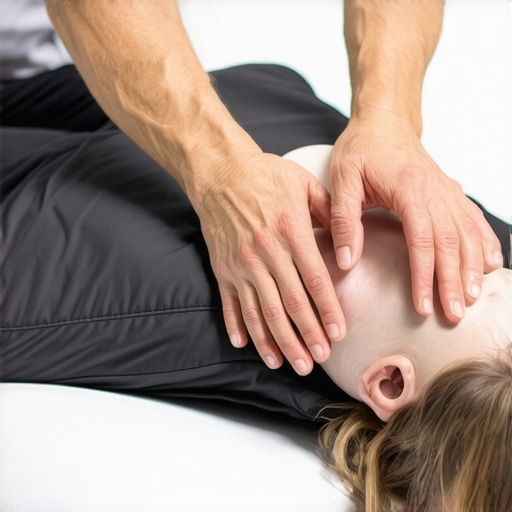
Beware the ‘Self-Crack’ Habit
I’ve seen so many people try to find relief by twisting their own spines until they hear a ‘pop.’ While it feels good for about five minutes, you are likely just moving the joints that are already too loose, while the ‘stuck’ segments stay stuck. This creates a cycle of instability that makes your pelvic tilt even harder to manage. Understanding the truth about cracking your own back for relief is vital: you’re masking a symptom, not fixing a misalignment. You need a targeted force to move the specific segment that isn’t pulling its weight, which is exactly why chiropractic care is your secret weapon for better posture. It’s about precision, not just noise.
Move the Stuck Joint Instead of the Loose One
The real ‘oops’ factor is failing to distinguish between a tight muscle and a stuck joint. If you treat a joint restriction with a foam roller, you’ll be rolling forever with zero results. Learning the difference between a sore muscle and a misaligned joint is the moment your recovery actually starts. When the joint is misaligned, the surrounding muscles stay ‘on’ as a protective mechanism. No amount of stretching will turn them off until the joint is reset. Have you ever fallen into this trap of stretching a muscle that just won’t ‘let go’ no matter what? Let me know in the comments.
Stop Rolling Your IT Band Like a Piece of Dough
I used to spend hours on my living room floor in Omaha, grimacing as I rolled my outer thighs. It felt productive because it hurt, but I was actually missing the point. I stopped treating my foam roller like a magic wand and started using the best way to use a foam roller for a tight it-band, which involves targeting the TFL muscle at the hip rather than just the connective tissue. If you aren’t hitting the muscle that controls the tension, you’re just bruising yourself. To keep my pelvis in check during the workday, I rely on a high-density foam lumbar roll. Learning how to use a lumbar roll correctly in an office chair was the single biggest factor in preventing my pelvis from ‘tucking’ and then snapping back into a tilt when I stood up. It’s about maintaining the natural curve of your low back so your hip flexors don’t have to work overtime to stabilize you. 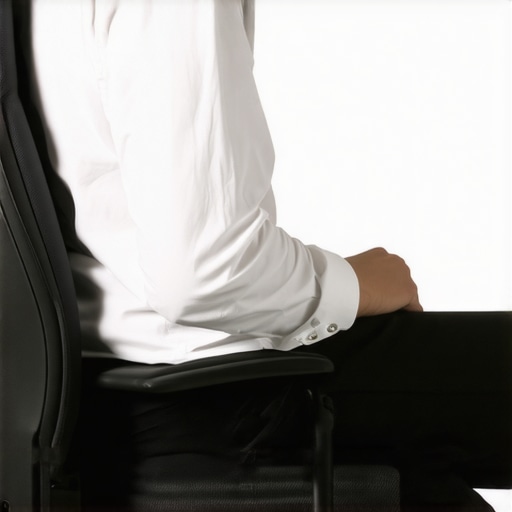
How do I maintain these pelvic alignment wins over time?
Consistency is where most runners fail. You can’t fix twenty years of sitting with one twenty-minute session. I’ve integrated mobility hacks simple adjustments for a more active life into my daily routine, like standing on one leg while I brush my teeth to engage my deep glute medius. Dr. Stuart McGill, a world-renowned expert on spinal mechanics and author of Low Back Disorders, emphasizes that ‘spinal hygiene’—the way we move during our daily tasks—is more important for long-term health than any single exercise. For me, that meant finding how to choose an omaha chiropractor that actually listens to your wellness goals to ensure I had a professional partner checking my alignment every month. This proactive approach stops a minor tilt from becoming a major injury.
Wearable Biofeedback and the Next Decade of Mobility
I predict that in the next few years, we are going to see a massive shift toward wearable sensors that buzz when your pelvis tips too far forward. We are moving away from ‘guessing’ our posture and toward real-time data. Until then, you have to be your own sensor. I highly recommend you try the 3-minute evening routine for a less stiff morning tonight. It’s an advanced way to decompress the spine and reset the pelvis before you go to sleep. By focusing on the best exercises for building a spine that doesnt ache, you transition from ‘fixing a problem’ to ‘building an athlete.’ These regular chiropractic adjustments unlock a pain-free lifestyle today that most people think is only possible in their twenties. Take ten minutes tonight to do the floor-based pelvic resets we discussed; your lower back will thank you at mile five tomorrow.
The Breakthrough Moments My Mirror Didn’t Show Me
It took me years of trial and error in Omaha to realize that physical change doesn’t just happen in the gym; it happens in the small, quiet realizations about how your body actually functions. One of the biggest shifts for me was accepting that my tight hamstrings were not the enemy—they were the victims of my pelvis tilting forward. I spent so much time attacking the symptoms that I ignored the structural ‘tug-of-war’ happening in my midsection. I also learned that the ultimate guide to improving mobility and posture in 2025 is not about achieving a static, rigid stance, but about being adaptable enough to move without pain. Another lightbulb moment was discovering that improving posture through mobility is far more sustainable than trying to ‘will’ yourself into a straight line. Lastly, I realized that if a joint is stuck, no amount of stretching will ‘release’ the muscle; you have to address the underlying alignment first.
The Gear and Wisdom I Actually Keep in My Gym Bag
I am often asked what tools actually make a difference for long-term spinal health. I don’t believe in gadgets, but I do believe in functional support. First, a high-density lumbar roll is my constant companion for any chair; it prevents my hip flexors from shortening during the workday. Second, I recommend everyone look into how to revolutionize your posture with targeted mobility exercises that focus on the deep core stabilizers rather than just the surface muscles. I also keep a copy of Dr. Stuart McGill’s research on hand to remind myself that ‘spinal hygiene’ is a 24/7 commitment. To keep everything functioning at its peak, I rely on expert chiropractic techniques in 2025 to ensure my nervous system is communicating clearly with my glutes and core.
Your Roadmap to a Spine That Feels Effortless Again
You don’t have to accept a ‘duck run’ or a constant lower back ache as part of your identity as a runner or an office worker. By shifting your focus from ‘stretching what feels tight’ to ‘stabilizing what is weak,’ you change the entire physics of your stride. These small mobility boosts for posture are the building blocks of a career and a life lived without the shadow of chronic pain. It is time to stop fighting your skeleton and start supporting it. Have you ever noticed that one of your hips feels ‘higher’ or more ‘jammed’ than the other when you start your morning walk? Let me know in the comments below.