
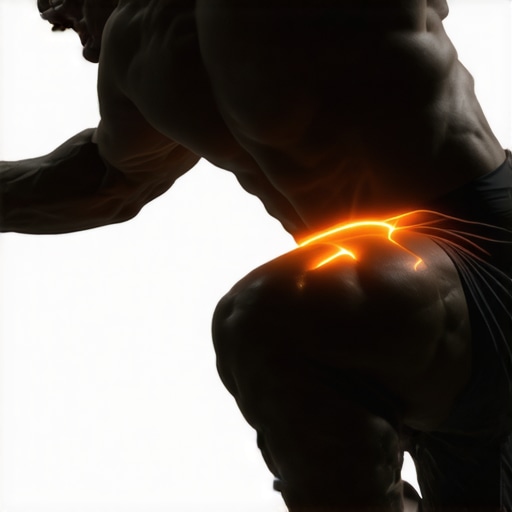
I’ll never forget the Tuesday morning I decided to finally ‘conquer’ lunges. I was halfway through my third set, sweating buckets, but my glutes felt as soft as a marshmallow. Meanwhile, my knees were throbbing, and my quads were on fire. It was incredibly discouraging. I thought I was doing everything right—chest up, shoulders back, the whole nine yards. But I was missing the fundamental connection between my hips and my spine. If you’ve ever felt like your lower body workouts are just a recipe for joint pain rather than muscle growth, you aren’t alone. Today, we’re going to stop the quad-dominance cycle and finally get those glutes to wake up and do their job. I’m going to show you how a few simple tweaks can turn a painful lunge into a powerhouse move. [image_placeholder]
Stop Letting Your Quads Steal the Show
For the longest time, I made the classic mistake of staying too upright. I thought ‘good posture’ meant being a vertical pillar. Wrong. When I stayed perfectly vertical, my quads took over 100% of the load, leaving my glutes completely out of the equation. This is often a result of knee pain caused by tight hip flexors pulling your pelvis into a position that shuts your glutes down. I was basically fighting my own anatomy for forty-five minutes a day. I even tried those silly ‘posture braces’ you see online, but why most posture braces actually make your back weaker became clear when I realized they didn’t help my hips move one bit. My glutes weren’t lazy; they were just trapped.
Are my glute muscles just permanently ‘off’?
It’s a common fear. You hear terms like ‘gluteal amnesia’ and think your muscles have literally forgotten how to work. Trust me, they haven’t; they’re just being muffled by poor positioning. When your posture collapses when you get tired at the gym, your body takes the path of least resistance. Usually, that means dumping the weight into your joints or your lower back. A study published in the Journal of Electromyography and Kinesiology found that even a slight forward lean of the trunk can significantly increase the demand on the gluteus maximus during lunges. By trying to be ‘perfectly upright,’ I was actually sabotaging my own gains. Have you ever felt like you’re working ten times harder than the person next to you but seeing half the results? If you’ve struggled with ‘quiet’ glutes, I want to hear about it. To get things moving properly, you might need a 15-minute flow to open up sticky hips before you even pick up a dumbbell. These mobility hacks and the link between mobility and posture are the real difference between a productive workout and a week of nursing a sore back.
How to Rebuild Your Lunge from the Ground Up
To fix the quad-dominance that’s wrecking your knees, you have to change how you perceive balance. Most people think of a lunge as a purely vertical movement—like an elevator going straight up and down. Instead, I want you to think of it as a diagonal descent. When you step out, you need to deliberately hinge at the hips. This is the hip hinge fix for chronic lower back aches that most gym-goers ignore. By leaning your torso forward about 20 to 30 degrees, you put the gluteus maximus on a stretch. Muscles that are stretched under load are forced to recruit more fibers to get you back up. If you stay perfectly upright, you’re essentially bypassing the glutes and shoving all that force into your patellar tendon.
Lean Into the Burn for Better Hip Mechanics
The first time I tried this ‘forward lean’ technique, I was terrified I was going to fall on my face. I had been told for years that a ‘leaning’ back was a ‘weak’ back. But the reality is that a slight, controlled lean keeps your spine neutral while loading the hips. This is one of the most effective improving posture through mobility practical chiropractor strategies because it teaches your body to move through the ball-and-socket joint of the hip rather than the hinge joint of the knee. 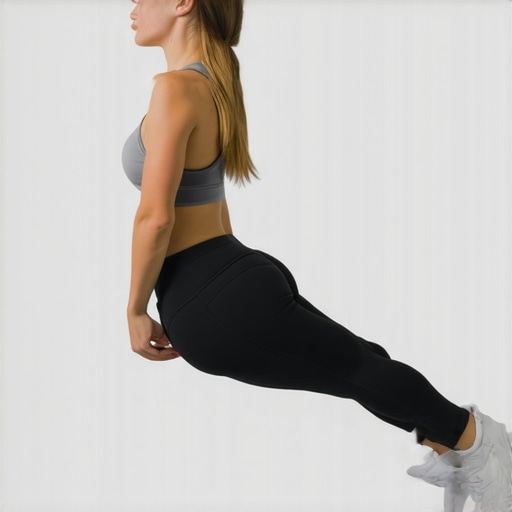
Fix Your Pelvic Tilt to Protect Your Discs
You also need to audit your pelvis. If you have a massive arch in your lower back—what we call an anterior pelvic tilt—your glutes are physically incapable of reaching full contraction. It’s like trying to fire a slingshot when the elastic is already loose. You need to tuck your tailbone slightly. I remember a specific session last October where I was trying to hit a new personal best on walking lunges. I was so focused on keeping my chest ‘proud’ that I completely arched my lower back. By the tenth rep, I felt a sharp pinch. It wasn’t a muscle burn; it was joint stress. I had to drop the weights and spend ten minutes doing the side-lying stretch that resets your si joint just to be able to walk back to my car. Since then, I treat my pelvic position as the foundation of the entire move. If you feel a ‘pinch’ in the front of your hip during the descent, you are likely hitting a bony block because your pelvis is out of alignment. You can how to fix a pinch in your hip when you squat deep using the same principles of pelvic re-alignment.
Drive Your Heel Into the Floor
Finally, look at your feet. Most people shift their weight onto their toes, which immediately sends the signal to the quads to take over. To wake up the posterior chain, you have to drive through your front heel. Imagine there is a bug under your heel and you are trying to squash it into the floor as you stand back up. This simple shift in pressure changes the entire neurological pathway of the exercise. If you find your balance is wobbly even with this change, you might need to check your rotational mobility. Using the 2-minute drill for better spinal rotation can help stabilize your core so your legs can do their job without you tipping over. Understanding why chiropractic care is your secret weapon for better posture often comes down to these small mechanical adjustments that allow your muscles to function without interference from a misaligned frame.
The Stretching Myth That Keeps You Stiff
In the fitness world, we’re taught that if something feels tight, we should pull on it. It’s the ultimate ‘common sense’ trap. But here is the contrarian truth: many of you are stretching muscles that are already over-lengthened. When your pelvis is tilted forward, your hamstrings are pulled taut like a bowstring. They aren’t ‘short’; they are maxed out. If you keep stretching them, you’re just making the muscle more unstable, which causes your brain to tighten them even further to protect your spine. This is the real reason your hamstrings stay tight despite stretching. I see people at the gym every day grinding their teeth through toe-touches, and I just want to tap them on the shoulder and say, ‘You’re actually making it worse.’ Have you ever fallen into this trap? Let me know in the comments.
Why do my hamstrings still feel like guitar strings despite daily stretching?
It’s usually a neurological ‘handbrake.’ According to a study in the Journal of Strength and Conditioning Research, perceived tightness is often more about the nervous system’s tolerance to stretch than the actual length of the tissue. If your brain doesn’t feel ‘safe’ because your spine is out of whack, it will refuse to let those muscles relax. This is where chiropractic adjustments unlock a pain-free lifestyle today by resetting that neural feedback loop. 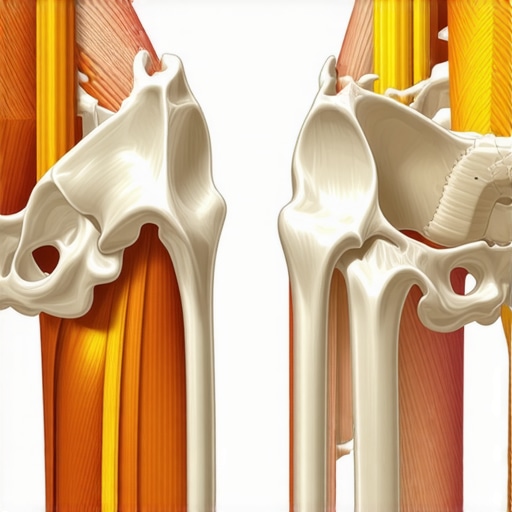
Don’t Fall for the Lower Back Foam Rolling Trap
Another nuance that separates the pros from the amateurs is how they use recovery tools. Most people think more pressure is always better. They take a hard foam roller and go to town on their lumbar spine. This is a massive ‘oops’ factor. Your lower back needs stability, not more mobility. When you mash those tissues, you risk irritating the nerves and further destabilizing the area. Instead of brute force, look into the truth about foam rolling your lower back to see why you should focus on the glutes and mid-back instead. Furthermore, if that tightness is accompanied by a zinging sensation, why your hamstring stretch is actually irritating your sciatic nerve becomes the most important question you can ask. Learning to differentiate between a ‘good’ stretch and a nerve irritation is a hallmark of the ultimate guide to improving mobility and posture in 2025. Stop guessing and start addressing the structural alignment that dictates how your muscles behave.
Once you’ve addressed the biomechanical glitches in your lunge, the real challenge begins: staying consistent without turning your life into a full-time rehab project. I used to think I needed a garage full of expensive gadgets to stay mobile, but I’ve learned that a few high-quality tools used with surgical precision beat a hundred ‘as-seen-on-TV’ gizmos every time. The goal is to move from corrective exercises to a lifestyle where your body just naturally holds itself in a state of readiness. This involves stacking small mobility hacks throughout your day so you don’t arrive at the gym with a ‘frozen’ spine.
The low-tech gear that actually saves my spine
I ditched the fancy vibration plates for a simple, high-density lacrosse ball. Why? Because a broad foam roller is too blunt an instrument for the hip rotators. I use the ball specifically for the gluteus medius and the TFL—the small muscle on the side of your hip that often clamps down and triggers knee pain caused by tight hip flexors. By pinning the ball against a wall and leaning into it, I can release deep tension that no amount of stretching can reach. When I’m at my desk, I don’t rely on the chair’s built-in support; I use a dedicated roll because the proper way to use a lumbar roll in your office chair is to place it slightly higher than you think, right at the curve of your lower back, to prevent the ‘slump’ that shuts down your glutes. This keeps my spine neutral even when I’m deep in a writing flow.
How do I maintain my mobility gains over the long haul?
The secret is ‘greasing the groove.’ You don’t need a 60-minute session every day. I focus on short, intense bursts of movement. For instance, I’ve integrated mobility boosts for posture into my morning coffee routine. While the water boils, I do three controlled hip hinges. It’s about reminding the brain that the hips—not the lower back—are the primary movers. Research in the Journal of Bodywork and Movement Therapies suggests that self-myofascial release (like using that lacrosse ball) is most effective when followed immediately by an active movement pattern. This ‘re-wires’ the nervous system to use the new range of motion you just created. Without the active follow-up, your brain just defaults back to its old, stiff settings. This is exactly how chiropractic adjustments enhance posture and mobility—they clear the path so your movements actually ‘stick.’
The future of posture might be literally on your skin
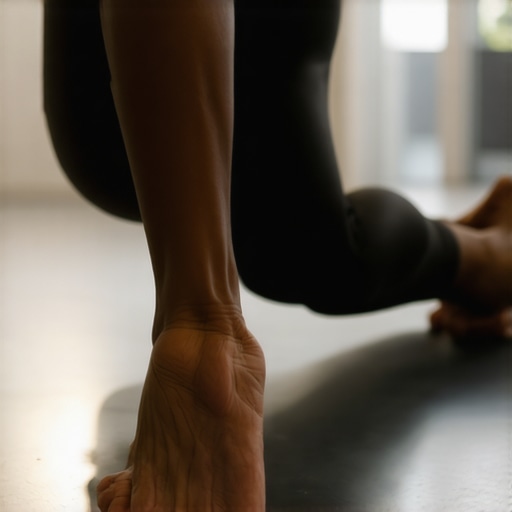
Looking ahead, I predict a massive shift toward wearable biofeedback. We are moving away from passive braces and toward ‘smart’ textiles. I’m already seeing prototypes of shirts with embedded sensors that gently vibrate when your shoulders round or your pelvis tilts into a dangerous arch. This real-time feedback loop will make the ultimate guide to improving mobility and posture in 2025 less about ‘doing exercises’ and more about ‘living correctly.’ Until that tech is mainstream, your best bet is a regular check-in with a pro. I’ve found that chiropractic adjustments unlock a pain-free lifestyle today by catching those tiny micro-misalignments before they turn into a full-blown injury. Your challenge for tomorrow: During your next set of lunges, focus exclusively on driving your front heel into the floor as if you’re trying to push the Earth away from you. Notice how that one change shifts the fire from your knees to your glutes instantly.
The Hardest Realizations from My Glute Journey
After years of grinding my joints into the floor, a few “lightbulb” moments completely changed how I approach training. First, I realized that my body was often using tension as a safety net. If my spine felt unstable, my glutes would simply refuse to fire because the brain prioritizes protection over power. Second, I discovered that global tension patterns matter—oddly enough, the 60-second fix for a stiff jaw after waking up actually helped my hips relax, proving that the body is one interconnected web. Finally, I learned that ‘feeling’ the muscle is more important than how deep you go in the move. Chasing depth often leads to the lower back taking over.
My Go-To Kit for a Resilient Body
[image_placeholder]
I don’t believe in over-complicating things, but these specific tools have saved me from countless flare-ups. I always keep a high-density lacrosse ball in my gym bag to tackle the TFL and glute medius before I ever touch a barbell. For my desk setup, the proper way to use a lumbar roll in your office chair became a non-negotiable habit to prevent my pelvis from tilting into a ‘glute-killing’ slump. I also advocate for the best way to transition to zero-drop shoes safely because grounding your feet is the first step in fixing your alignment. Most importantly, if you feel stuck, knowing what a chiropractor actually looks for during your first exam can demystify the process of getting professional help to align your structure.
Your Path to Pain-Free Power
Transformation doesn’t happen during a single 45-minute workout; it happens in the tiny adjustments you make every single day. By focusing on hip mechanics and pelvic alignment, you aren’t just building better glutes—you’re building a foundation that will carry you into your later years with grace and strength. Remember, your body wants to move well; it just needs you to clear the obstacles out of its way. Dive deeper into these strategies with the ultimate guide to improving mobility and posture in 2025 and start reclaiming your movement today. Have you ever struggled with your balance during lunges or felt a clicking in your knees? Let me know in the comments below!